âš¡
Rising Eskom tariffs? Hybrid solar systems on promo
Expertly engineered, pre-assembled, and professionally wired for long-term performance using trusted Victron and storageDOCK lithium battery tech.
Explore Systems

Solar Registration in South Africa: What Owners Need to Know in 2026

Recent headlines about Eskom, rooftop solar and possible fines have created understandable confusion for South African solar owners.

Has Eskom cancelled solar registration? Will customers be fined if they have not registered? And what happens if your electricity is supplied by a municipality rather than Eskom?

The short answer is: solar registration has not simply disappeared.

What has changed is Eskom’s message around penalties. The practical requirements also depend on who supplies electricity to your property.

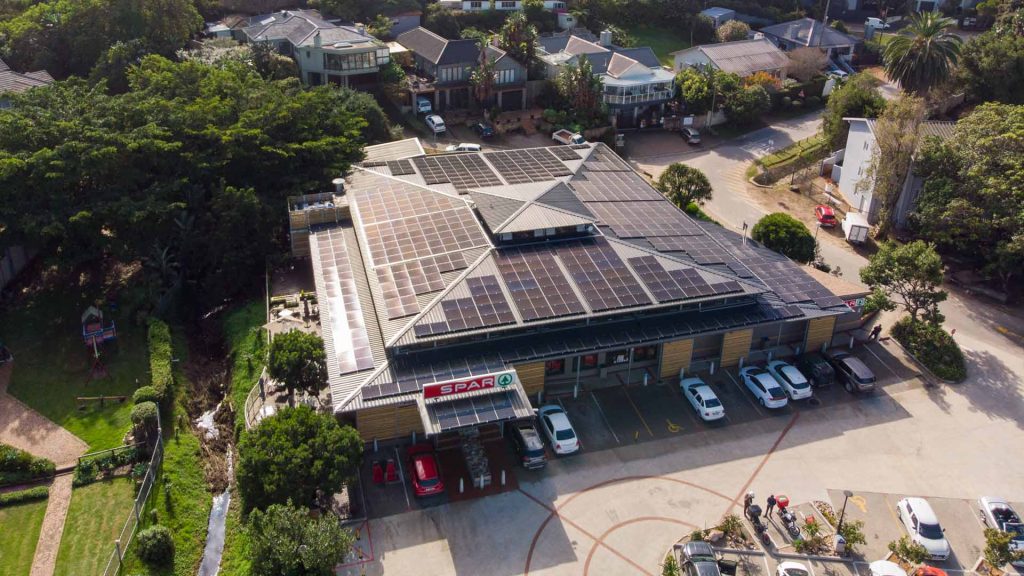
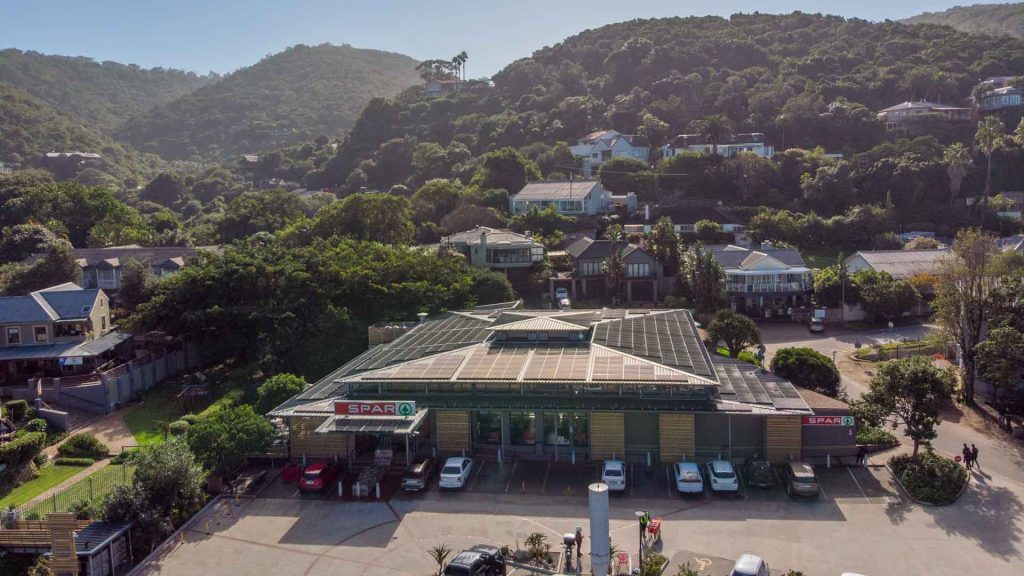
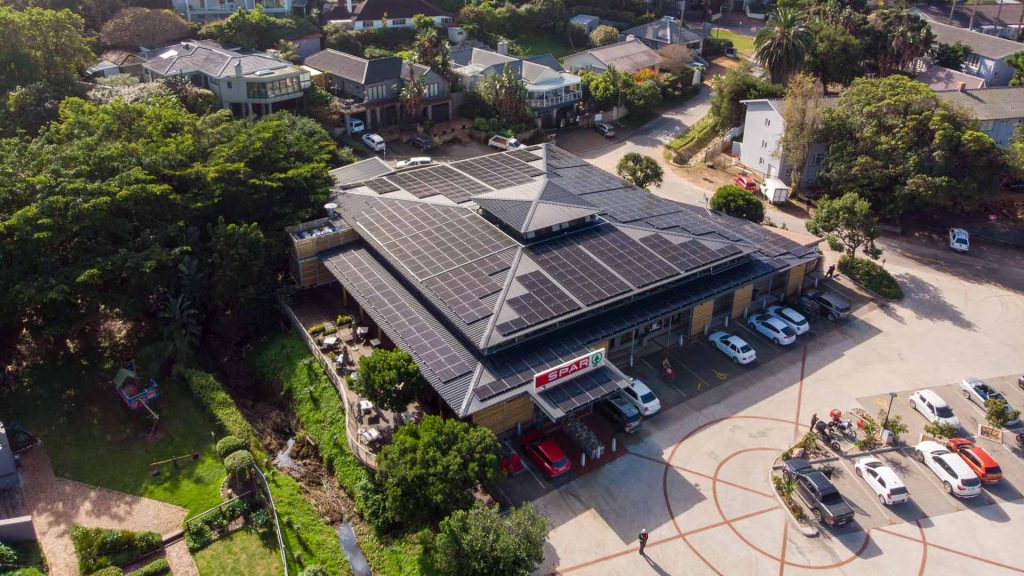
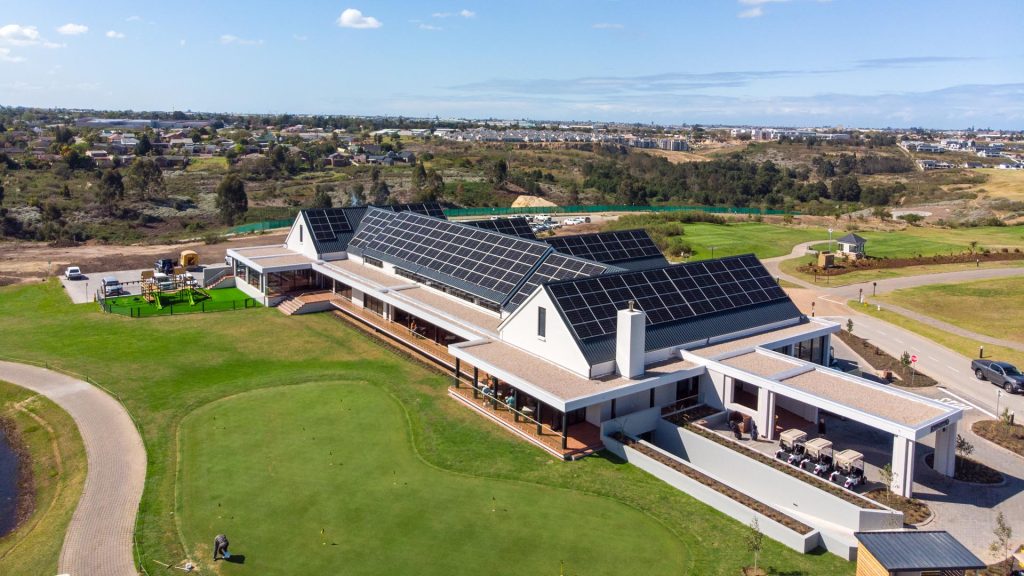
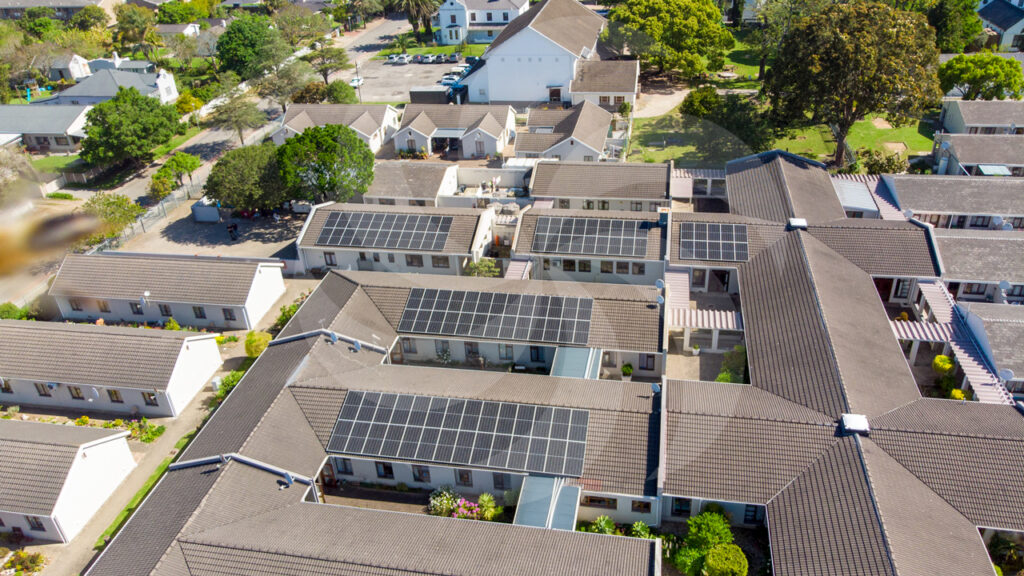
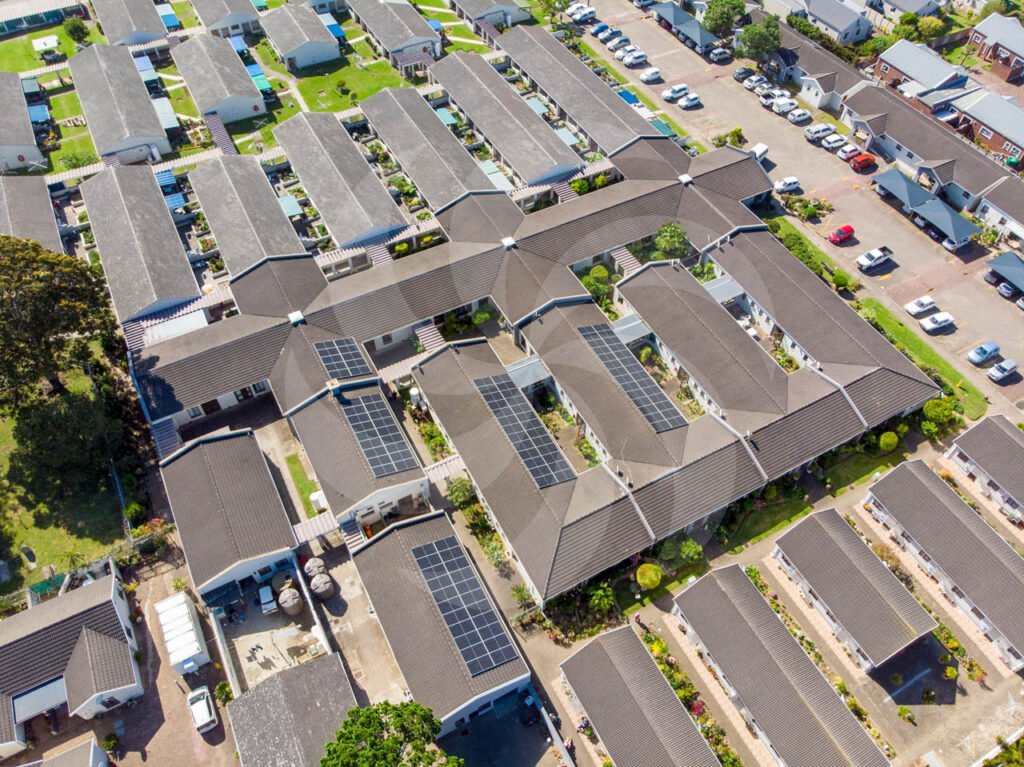
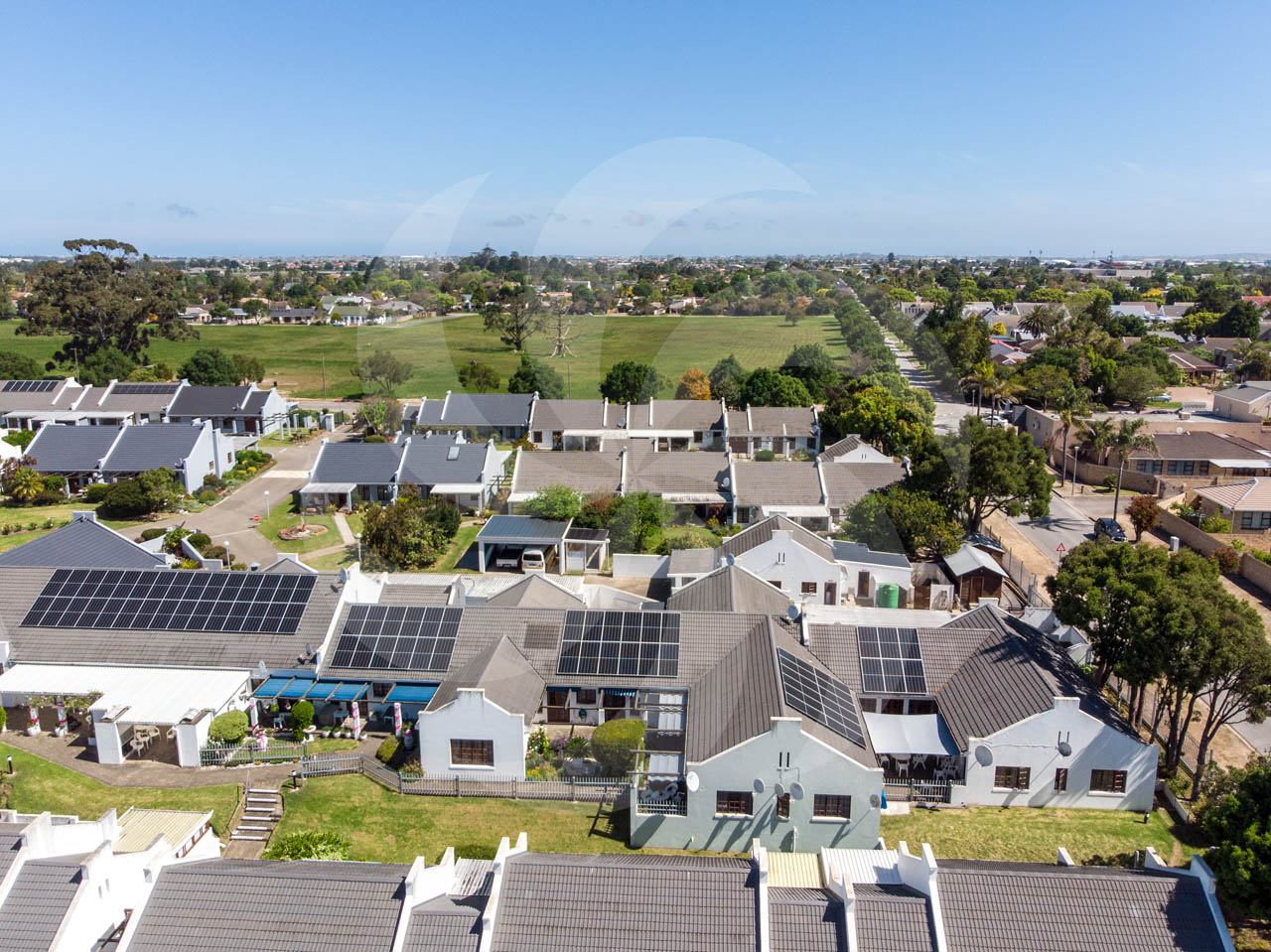
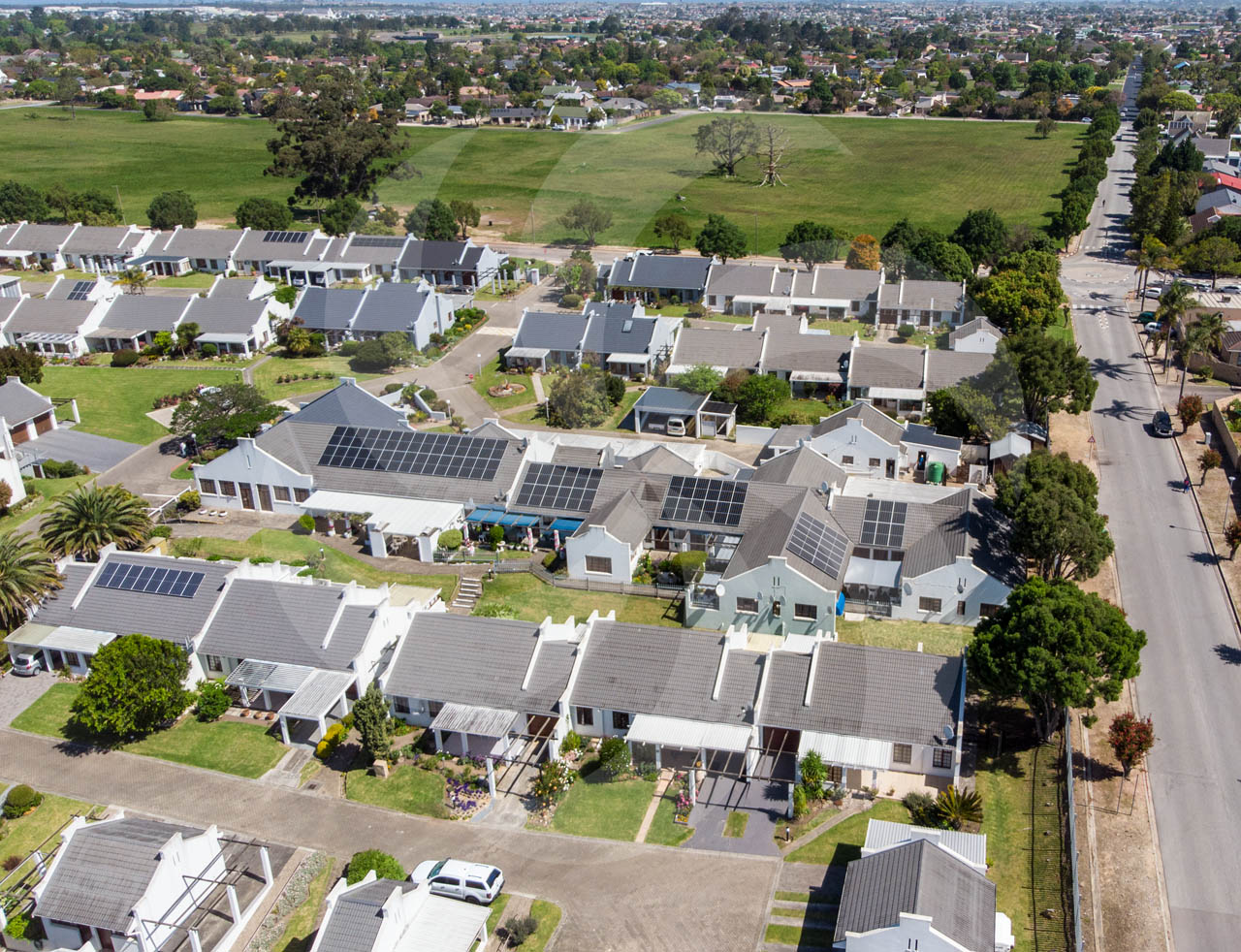
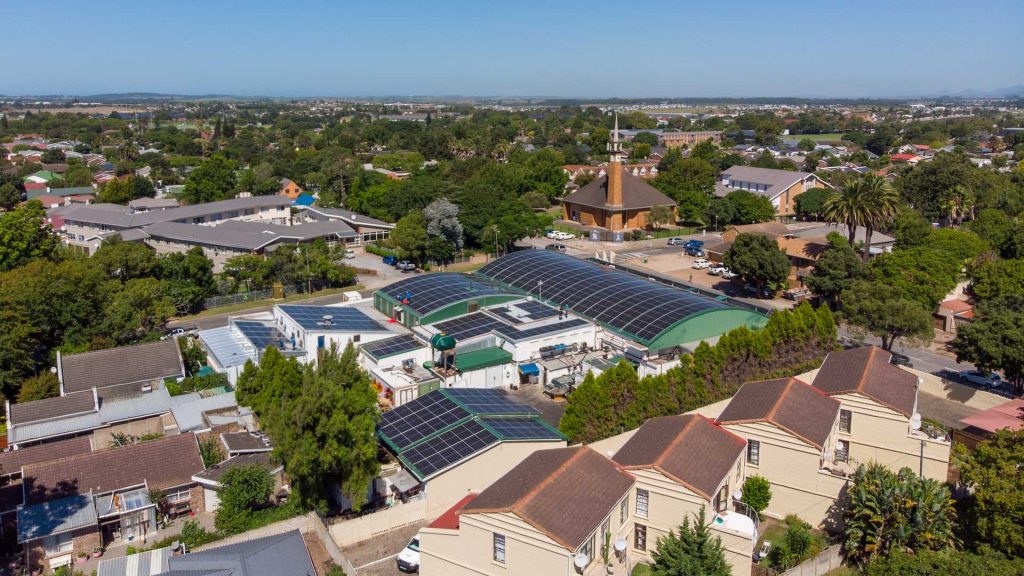
Modern home with rooftop solar panels overlooking the Garden Route coastline in South Africa

Important: Registration requirements can differ between electricity distributors. Always confirm the current process with Eskom or the municipality supplying your property.

What has actually changed?

Eskom’s current Small-Scale Embedded Generation (SSEG) guidance states that it has not fined customers simply for failing to register their systems. According to Eskom, fines issued have related to electricity theft or meter tampering rather than non-registration alone.

Eskom does, however, continue to require grid-connected SSEG systems on its network to be registered. Its guidance also states that an unauthorised grid-tied connection may be disconnected where safety risks remain.

Read Eskom’s current SSEG guidance.

So the recent clarification should not be interpreted as:

“You no longer need to register your solar system.”

It is more accurately understood as a clarification of how Eskom says it is dealing with non-registration and penalties.

Registration and electrical compliance are not the same thing

A solar installation should have a valid Certificate of Compliance (CoC) for the electrical work.

For Eskom-supplied customers, Eskom currently also asks for an NRS 097-2-1 inverter type-test certificate and an Embedded Generation Installation test report as part of its simplified registration requirements.

NERSA has also clarified its position. In February 2026, the regulator stated that the requirement to register an embedded generation facility depends on its point of connection to the electricity grid and its installed capacity, rather than simply on whether electricity is exported to the grid or consumed on the property.

There remains public disagreement over aspects of the legal interpretation. OUTA, for example, continues to challenge the extent to which registration requirements should apply to certain compliant behind-the-meter residential systems. OUTA’s position can be read here.

For property owners, that debate makes one thing particularly important: do not rely on a social-media headline or assume that one distributor’s process applies everywhere.

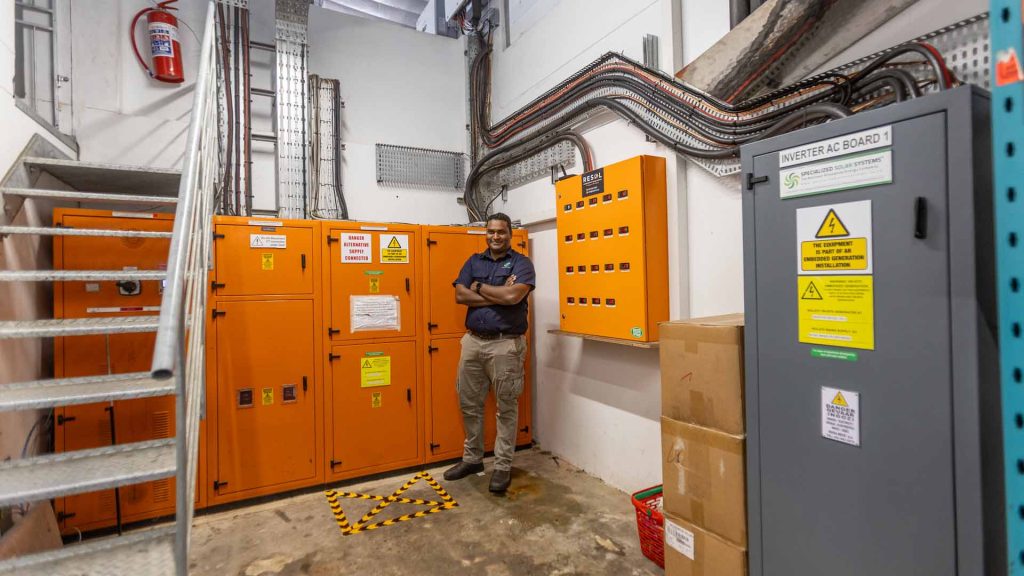
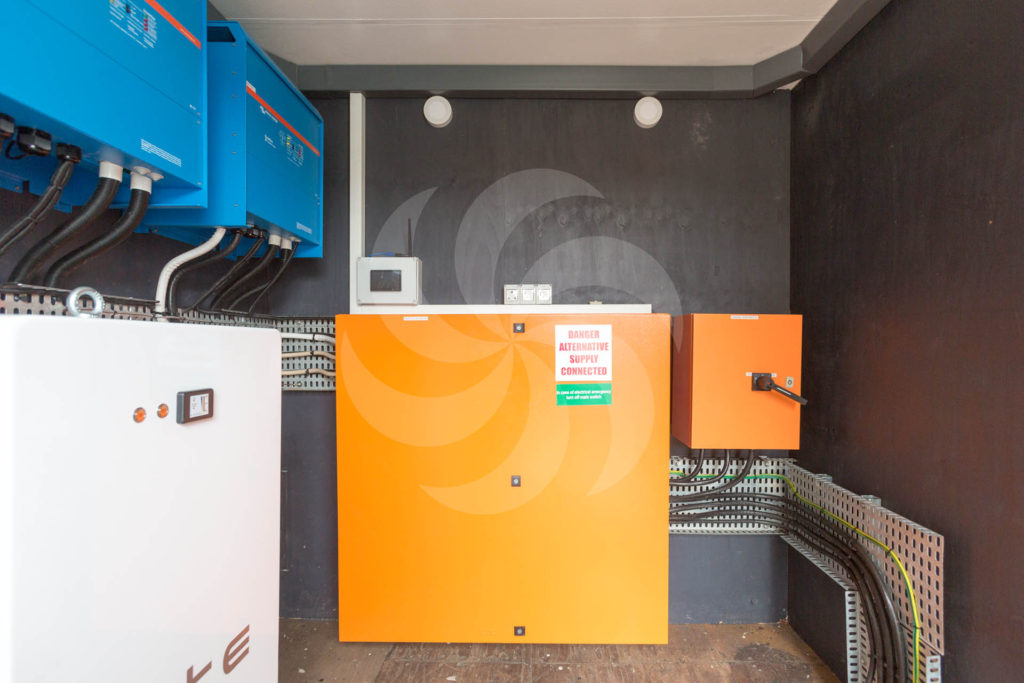
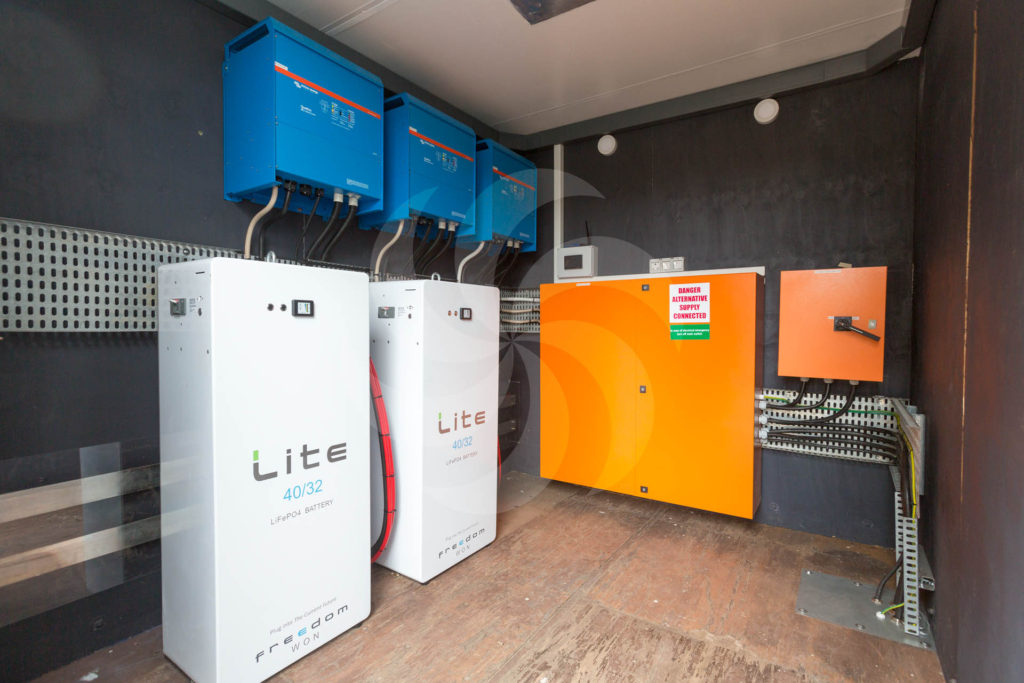
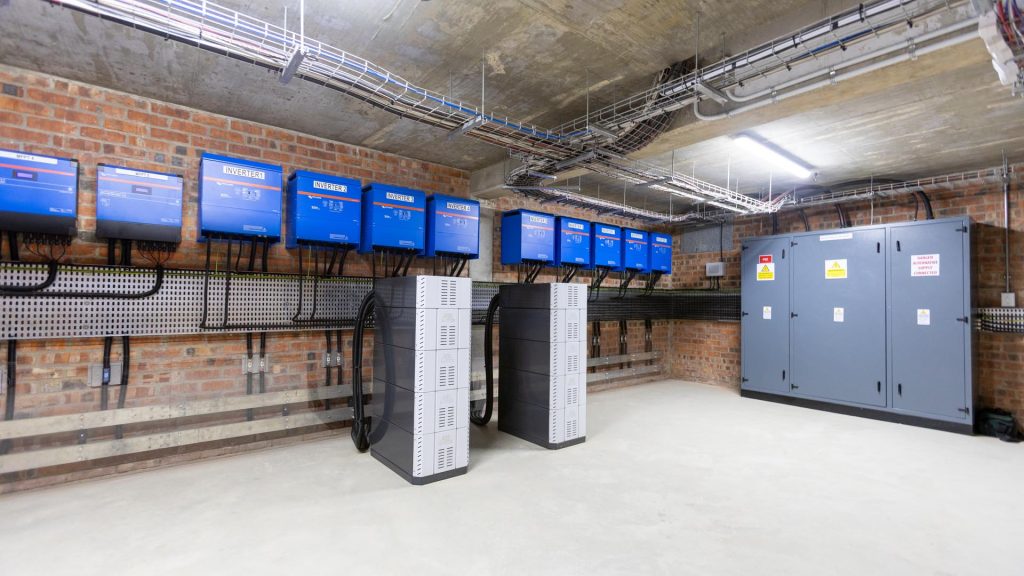
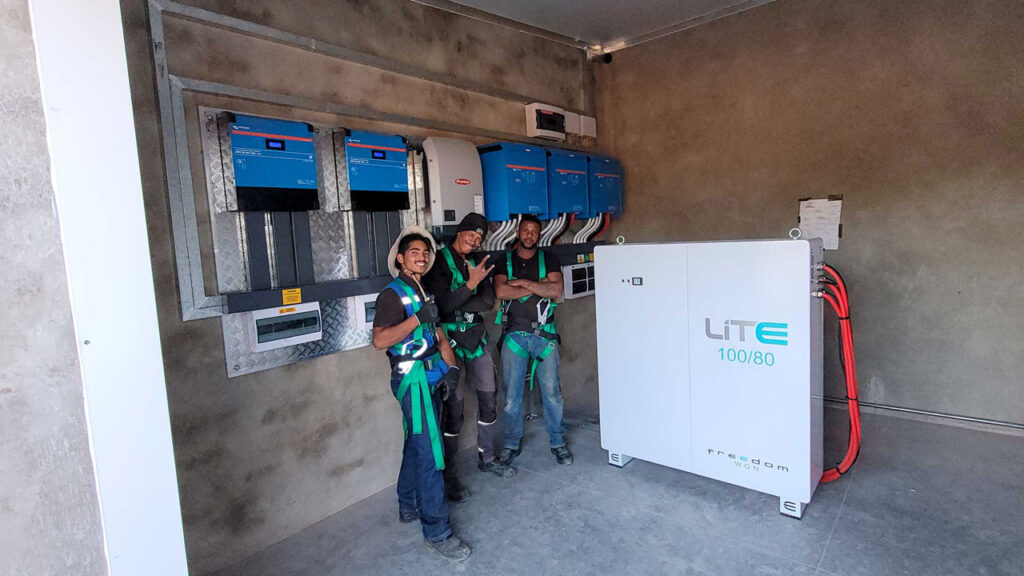
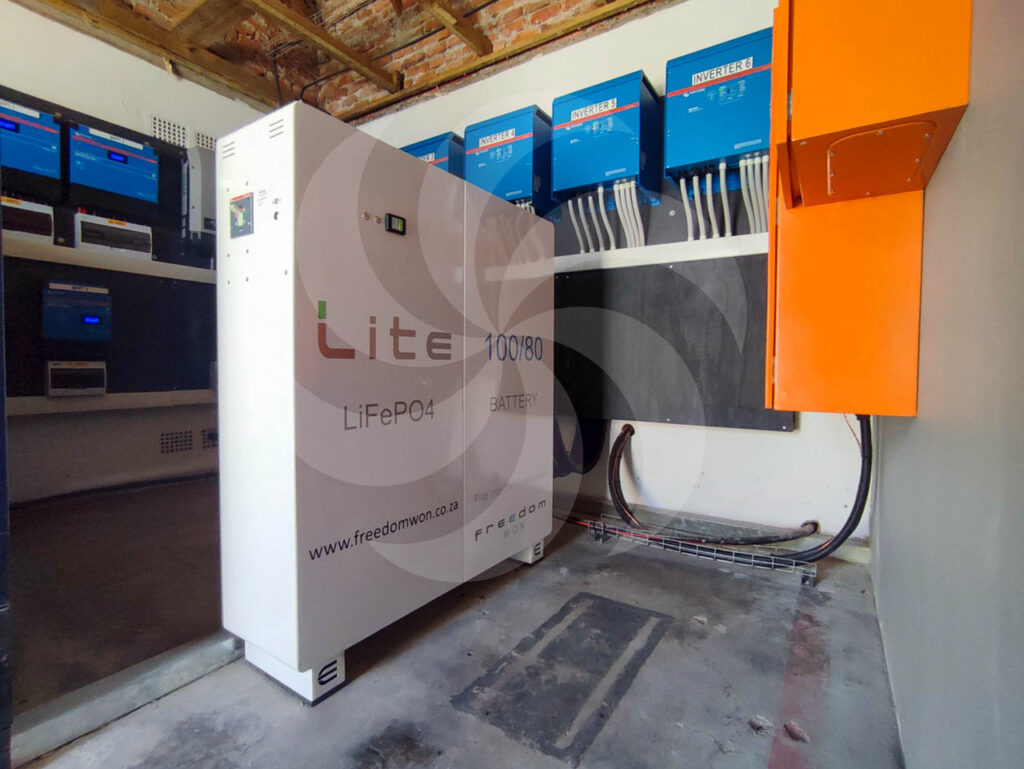
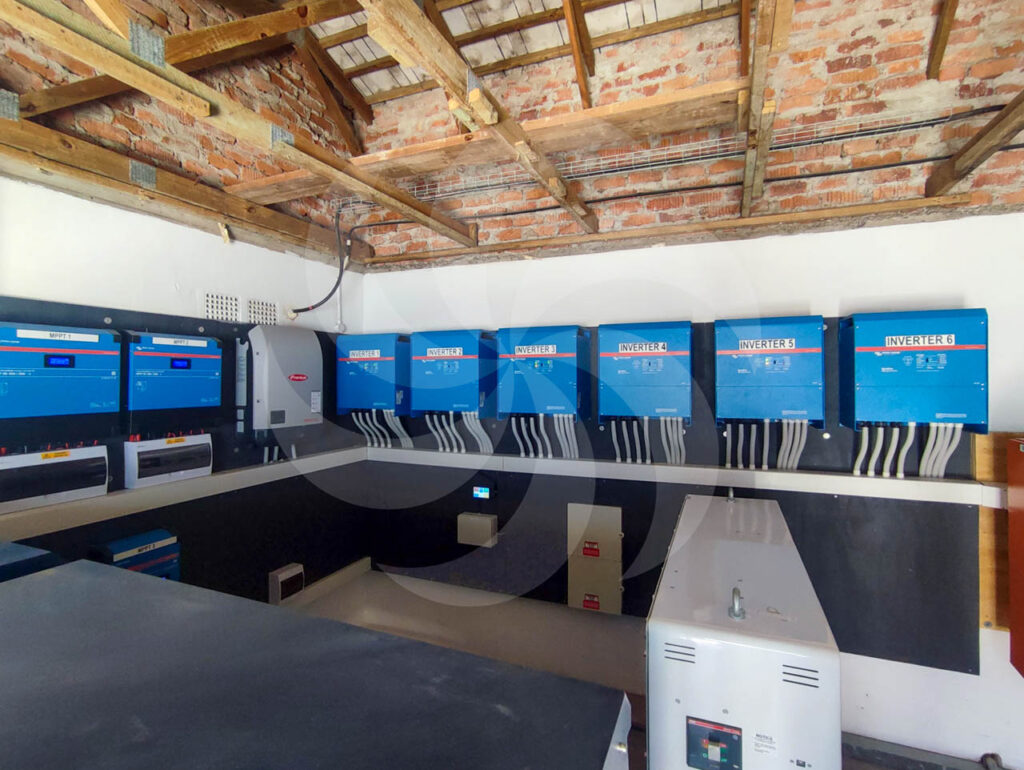
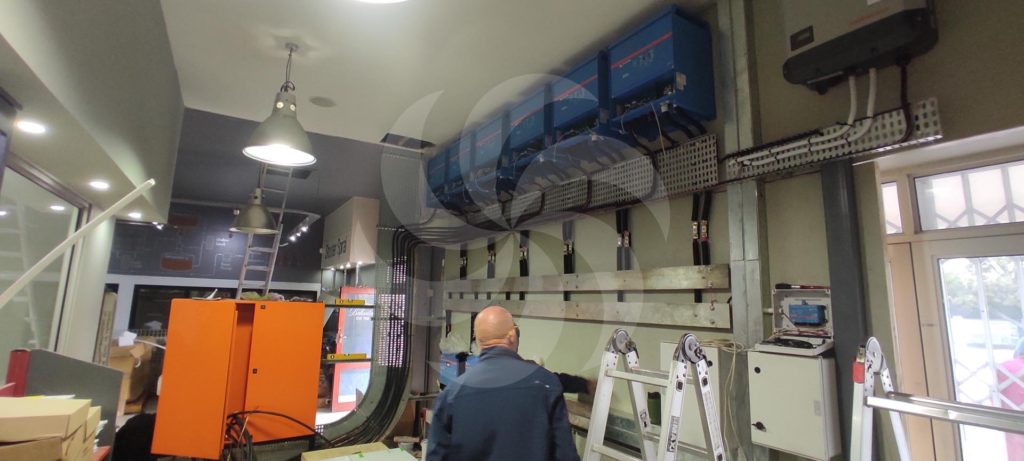
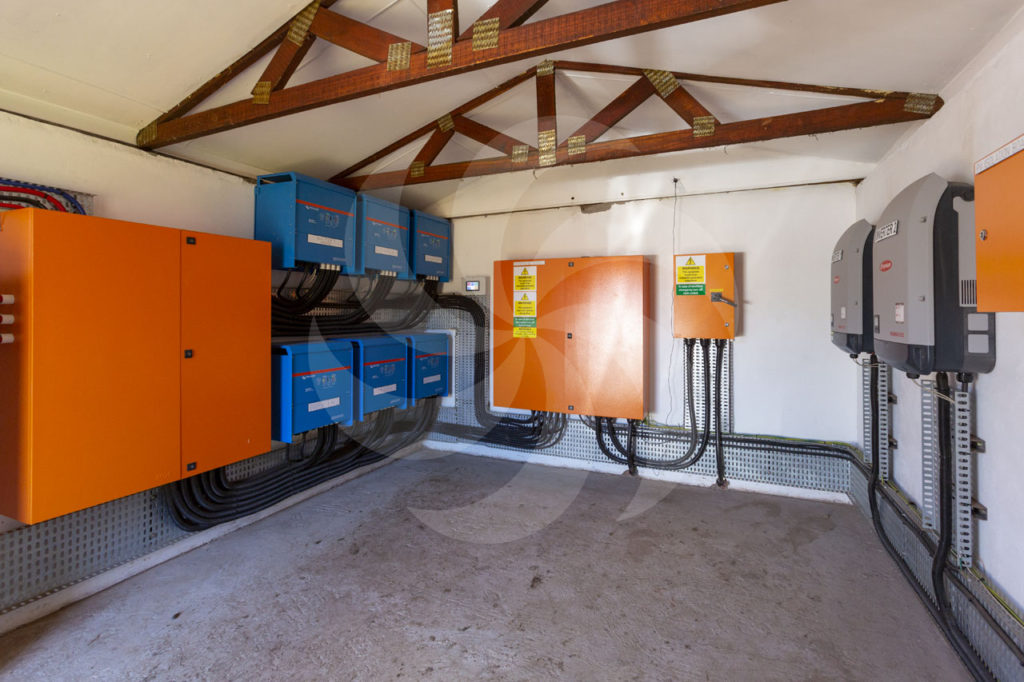
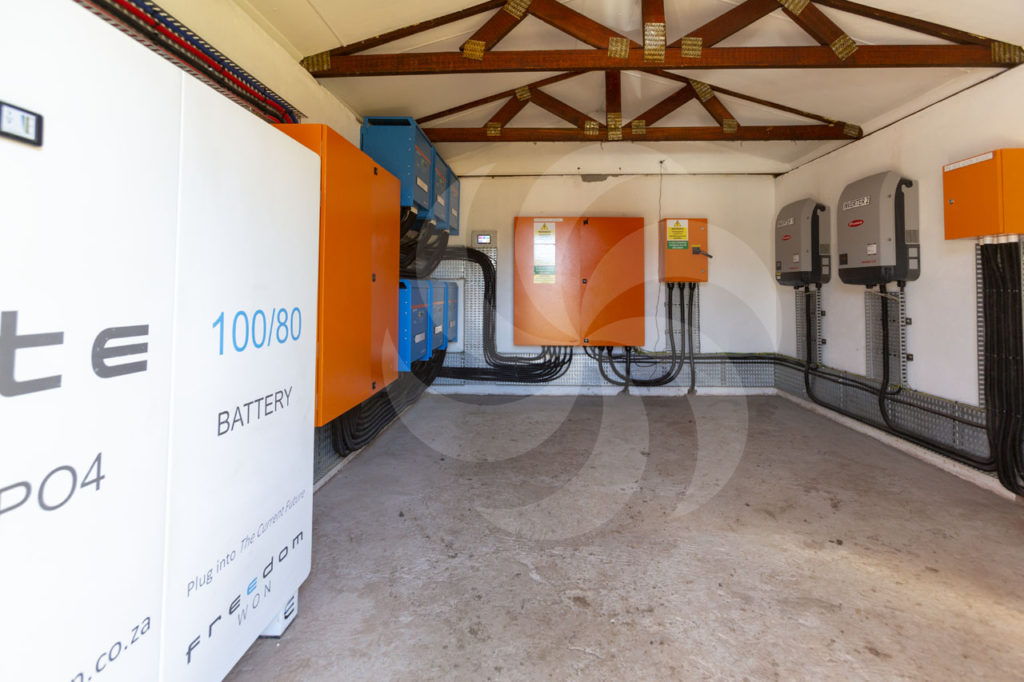
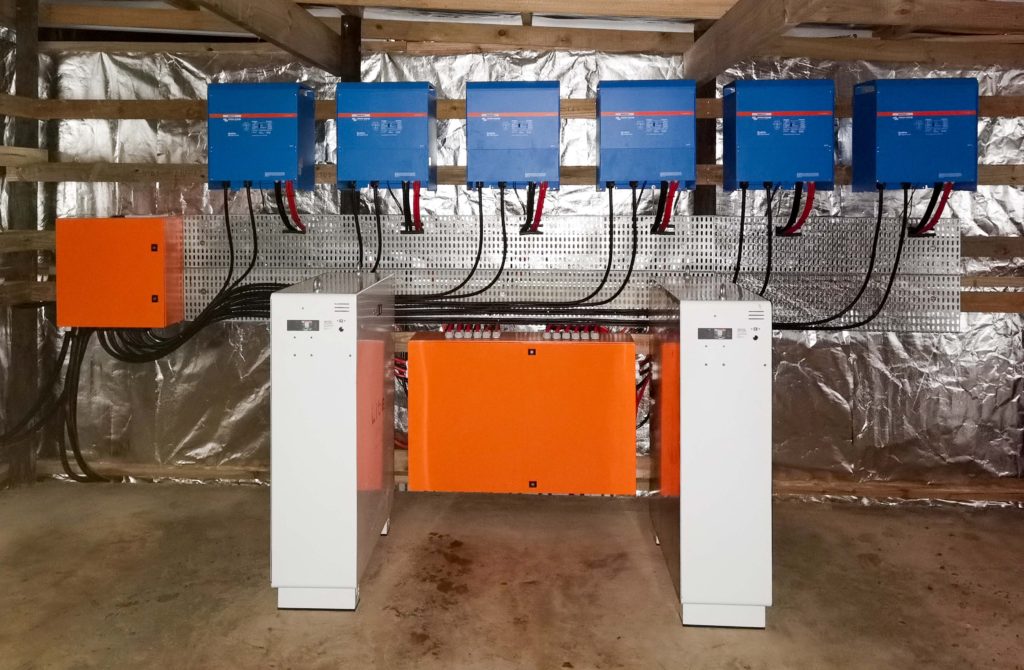
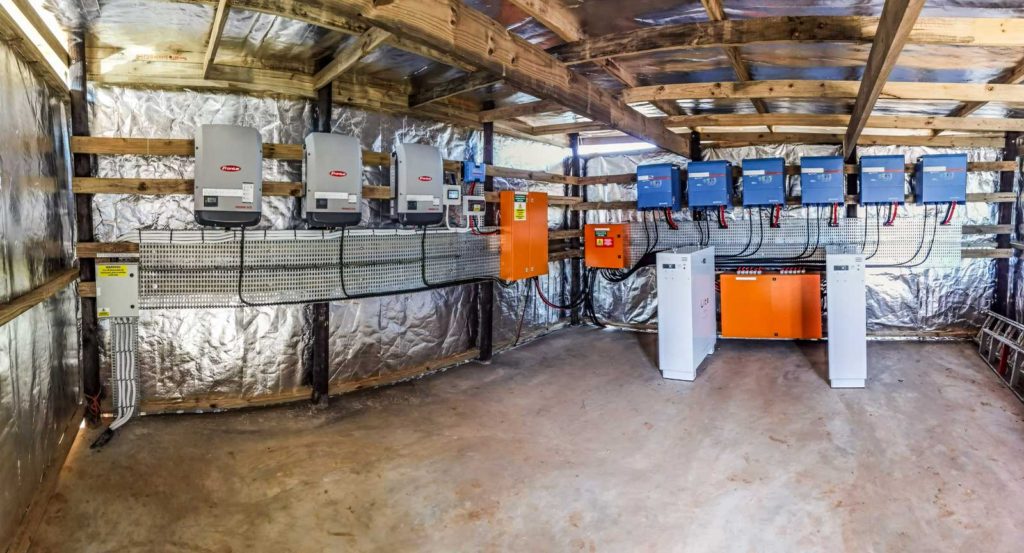
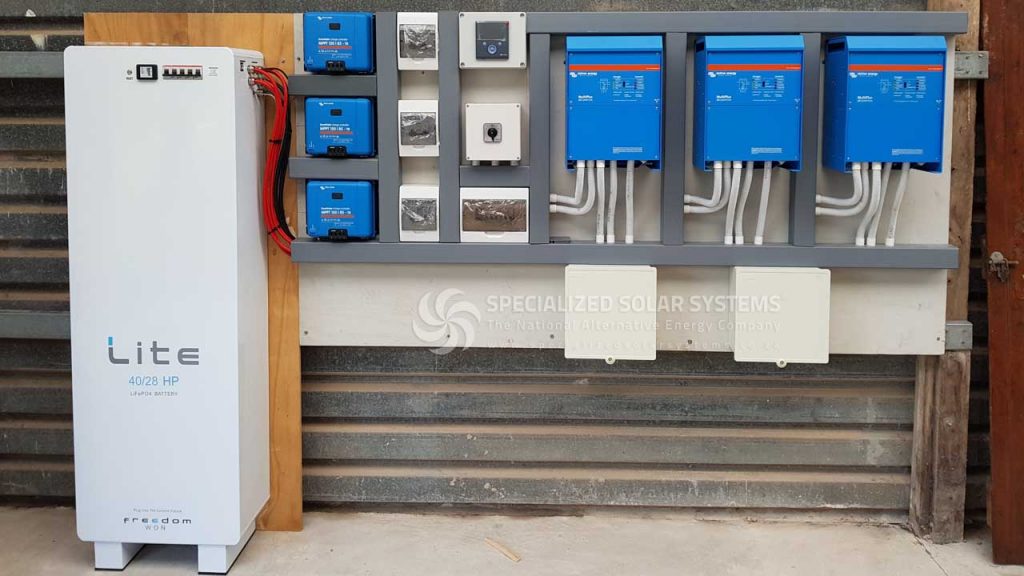
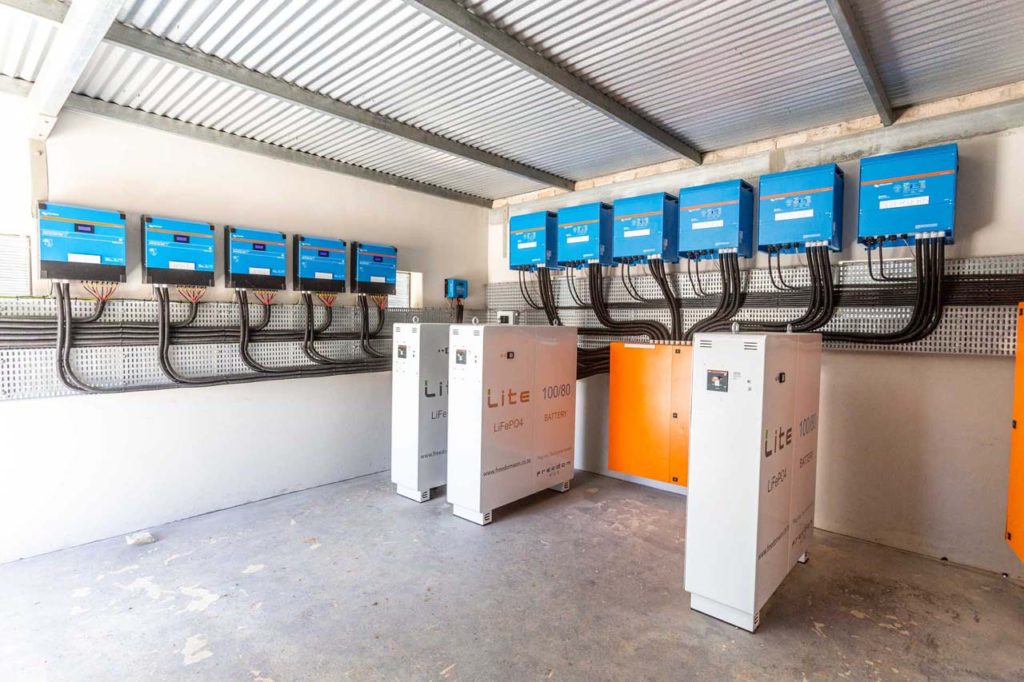
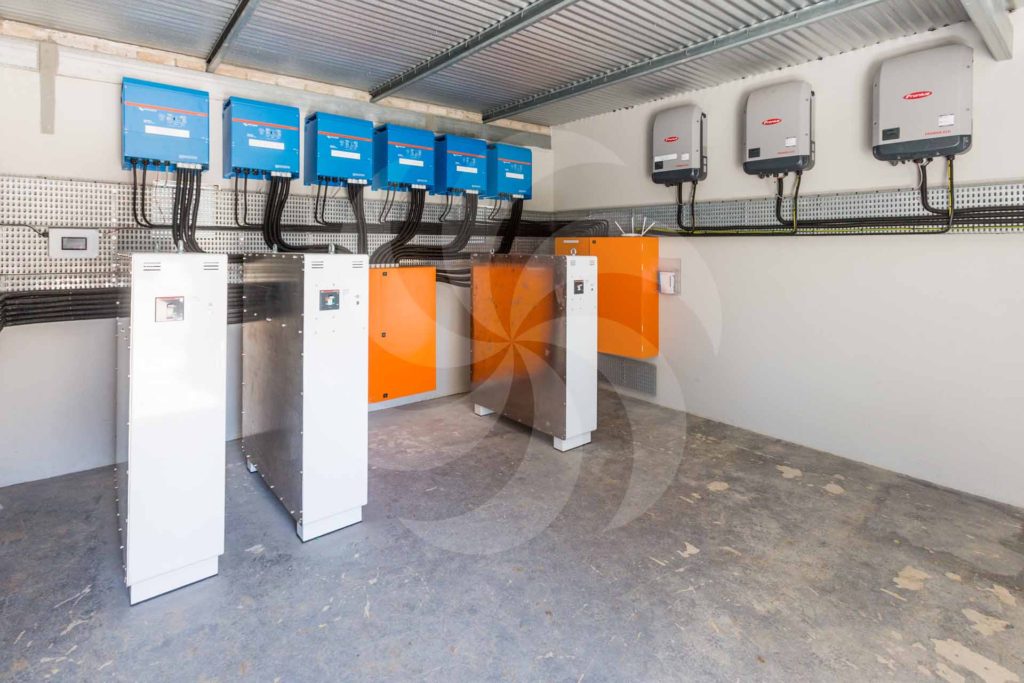
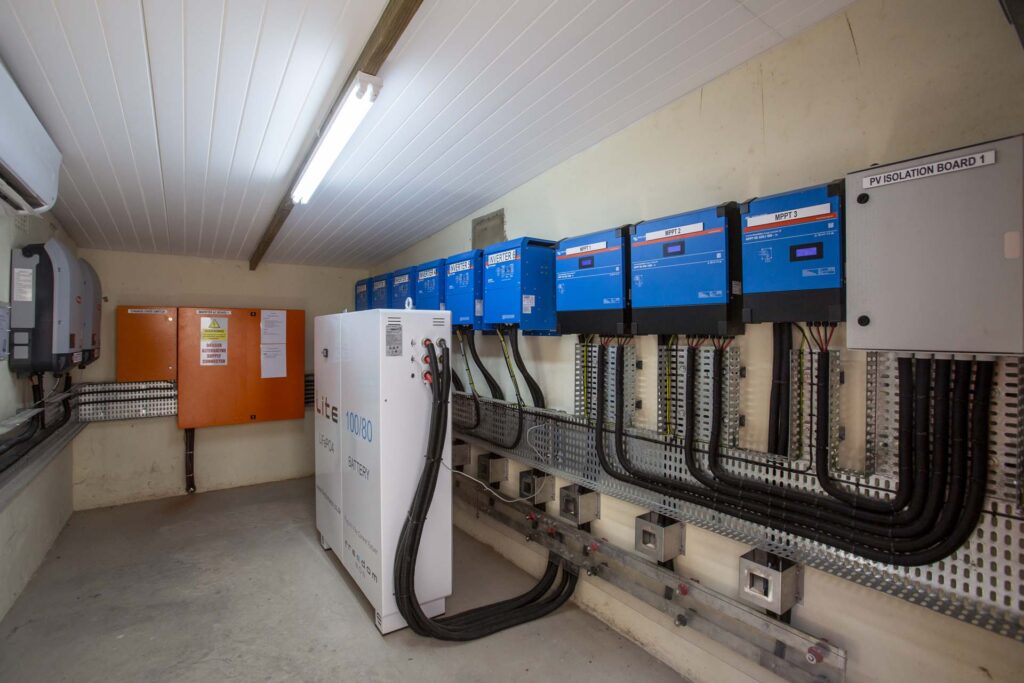
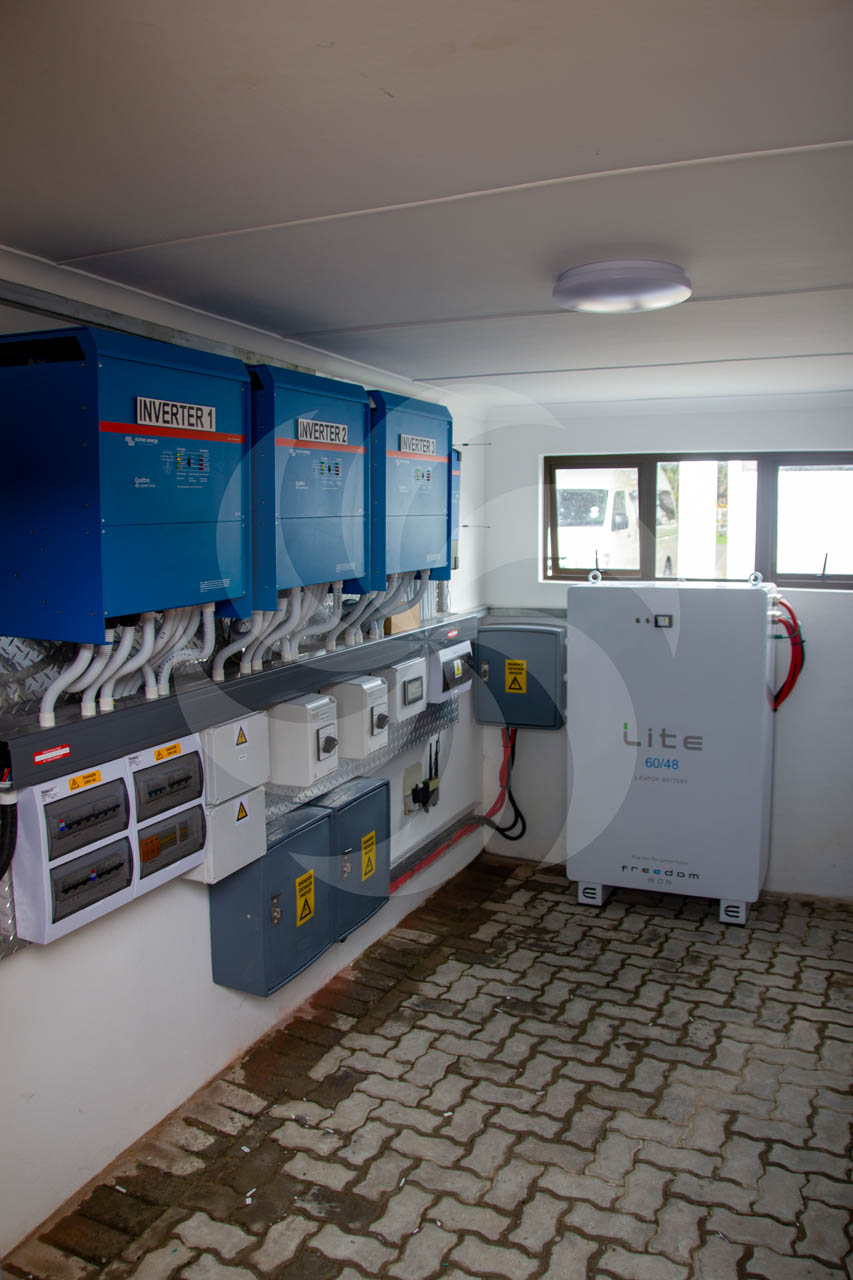
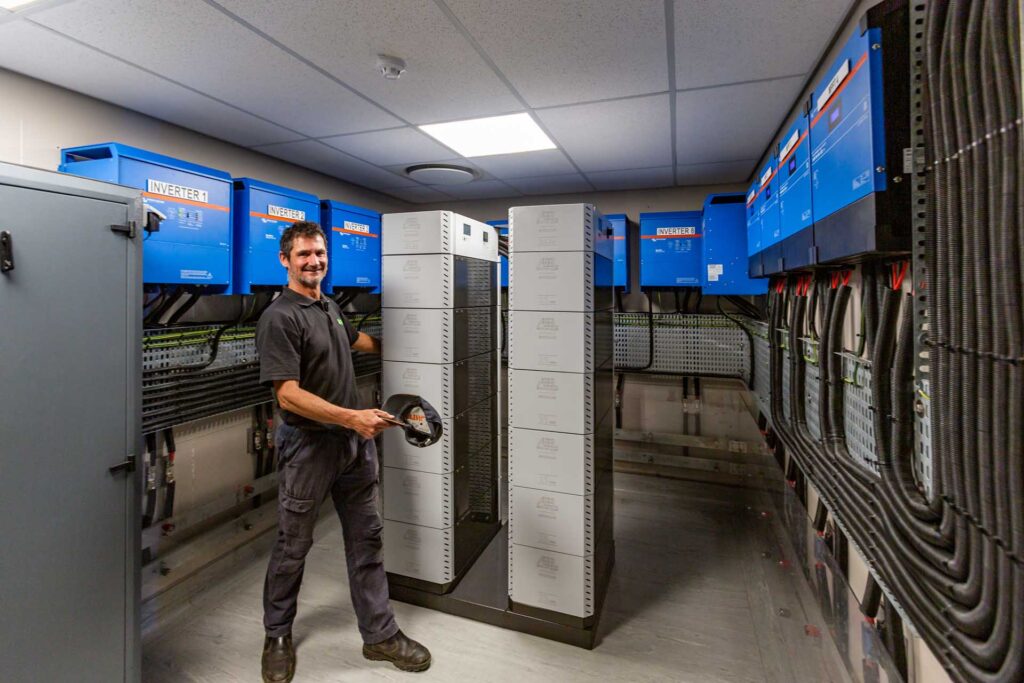
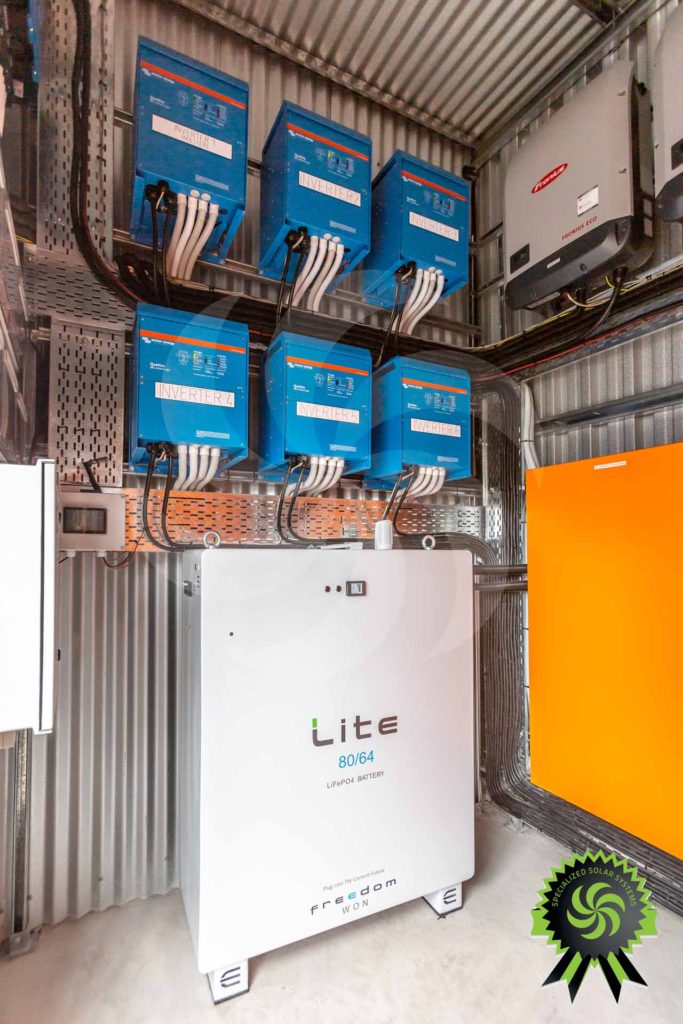
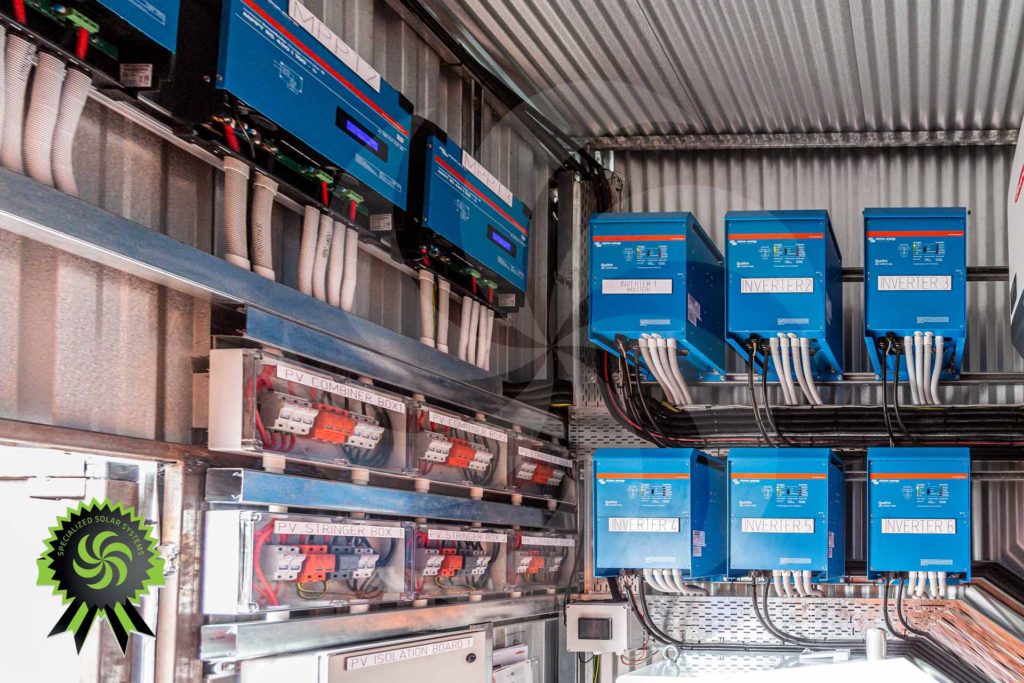
A professionally installed indoor solar energy system featuring Victron inverters, MPPT solar charge controllers, and a lithium battery cabinet.
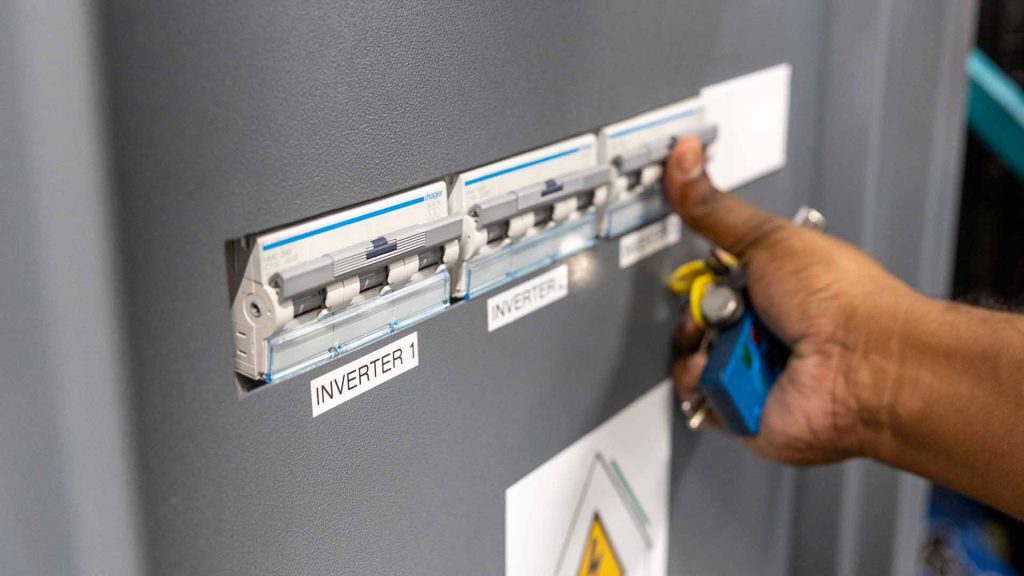
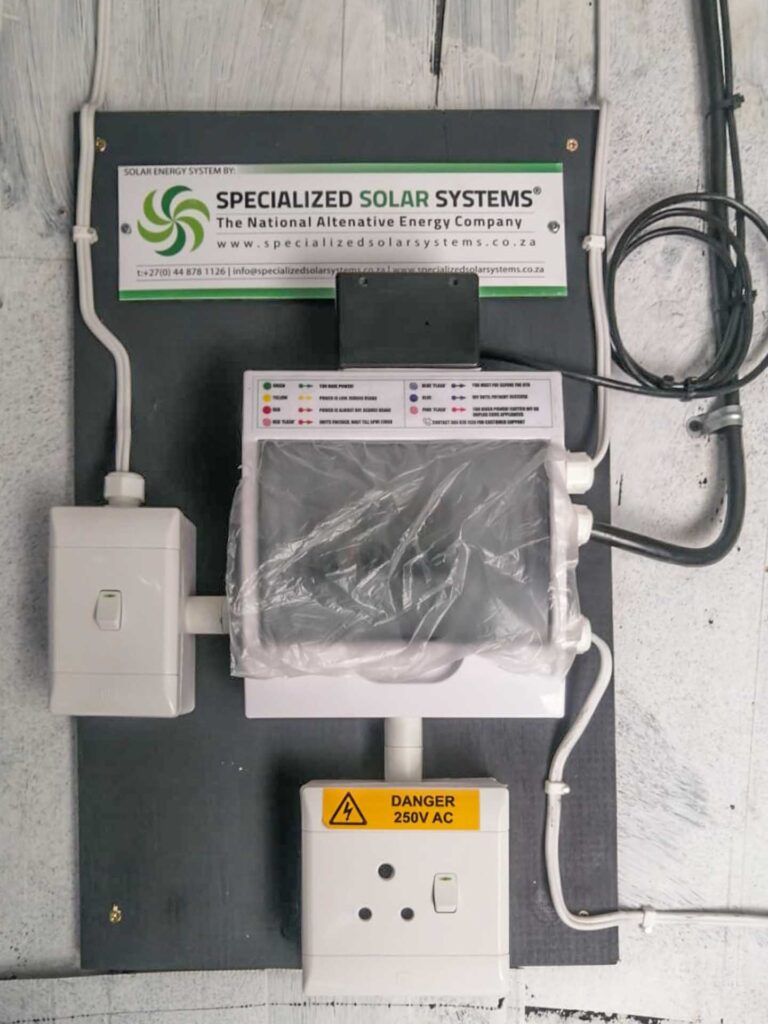
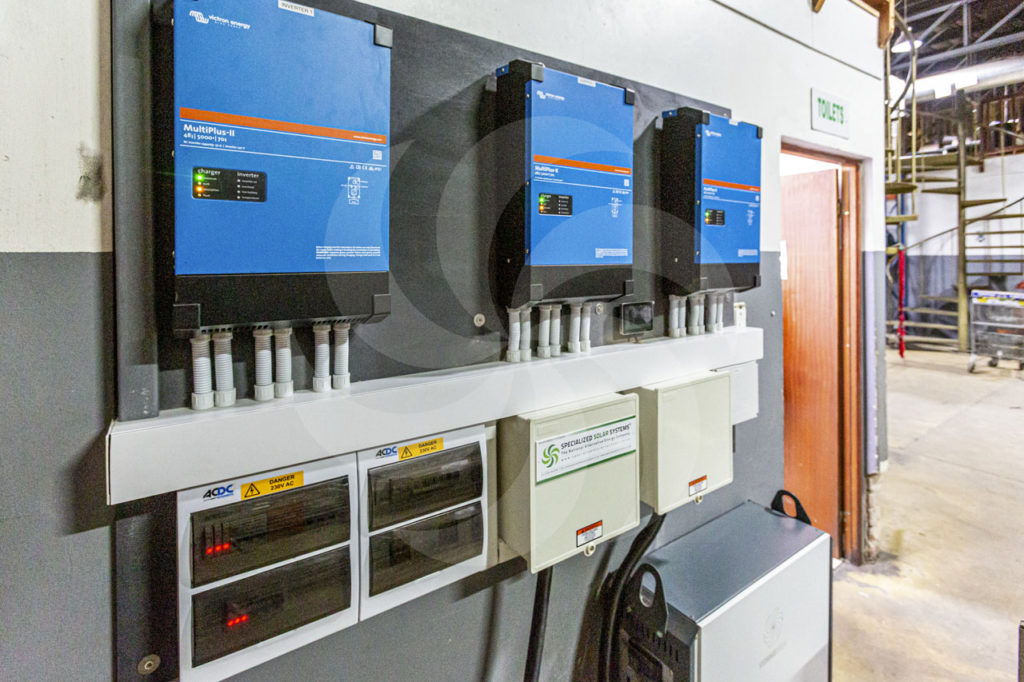
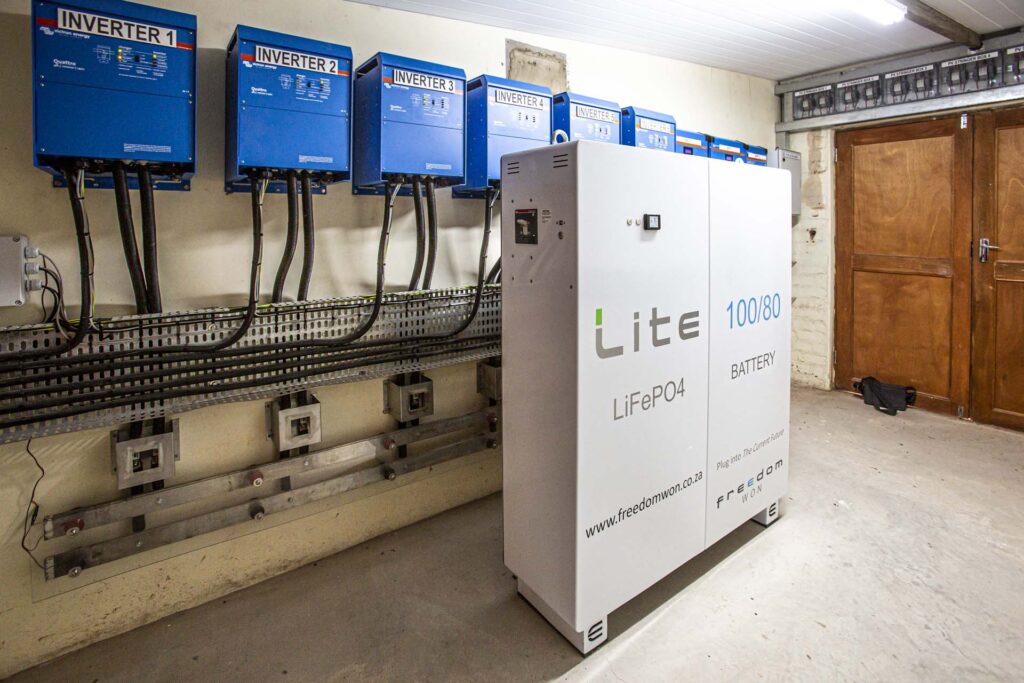
Close-up of a blue Victron solar inverter control panel with LED status indicators and a power switch.

First question: Who supplies your electricity?

If your account is directly with Eskom, follow Eskom’s SSEG requirements.

If your electricity is supplied by a municipality, the relevant municipality has its own connection and approval process.

This distinction is especially important for customers in George and across the Garden Route.

George Municipality’s published SSEG process requires an application through its online system before installation proceeds. The municipality assesses the proposed connection, and after installation requires documentation that includes the CoC, as-built diagram and commissioning information before the process is completed and a Permission to Generate letter is issued.

Read George Municipality’s published solar installation requirements.

The municipality also distinguishes between simply installing embedded generation and exporting electricity onto its network, with approved metering and tariff requirements applying where power is fed back into the municipal grid.

This is why an Eskom announcement should never automatically be treated as a George Municipality rule.

Desk calendar open to September 2026 with September 30 circled as the Eskom SSEG fee-waiver deadline, sitting alongside an Eskom document and branded mug.

What about the 30 September 2026 deadline?

For eligible Eskom customers, the current registration incentive is important.

On 26 March 2026, Eskom extended its waiver of registration and connection-related charges for qualifying systems up to 50 kVA until 30 September 2026. The incentive can include registration and connection costs and a smart meter where applicable.

Read Eskom’s 26 March 2026 announcement.

The date is therefore primarily a fee-waiver deadline, not a date after which Eskom says every unregistered homeowner will automatically receive a fine.

Municipal customers should not assume that this Eskom incentive or deadline applies to them.

A simple check for solar owners

If you already have solar, or are planning an installation, confirm these five things:

  1. Who is your electricity distributor? Eskom, George Municipality or another municipality?
  2. Has the system followed that distributor’s current SSEG process?
  3. Do you have a valid electrical CoC and the required system documentation?
  4. Is the inverter and protection equipment appropriate for the grid connection?
  5. If you export electricity, do you have the required approval, metering and tariff arrangement?

Keeping this documentation together is also useful when a property is sold, a system is expanded, equipment is replaced or future technical support is required.

Good solar should still be good engineering

The debate around registration should not distract from the bigger issue.

A grid-connected solar and battery system becomes part of the property’s electrical installation and interacts with the electricity network. Correct design, protection, commissioning and documentation matter long after the panels have been installed.

For Specialized Solar Systems, compliance is therefore part of designing a system properly – not paperwork to be considered only after the installation is complete.

If you are planning a new solar system, expanding an existing installation or are unsure about the documentation attached to your system, contact Specialized Solar Systems for guidance on the technical requirements applicable to your installation.

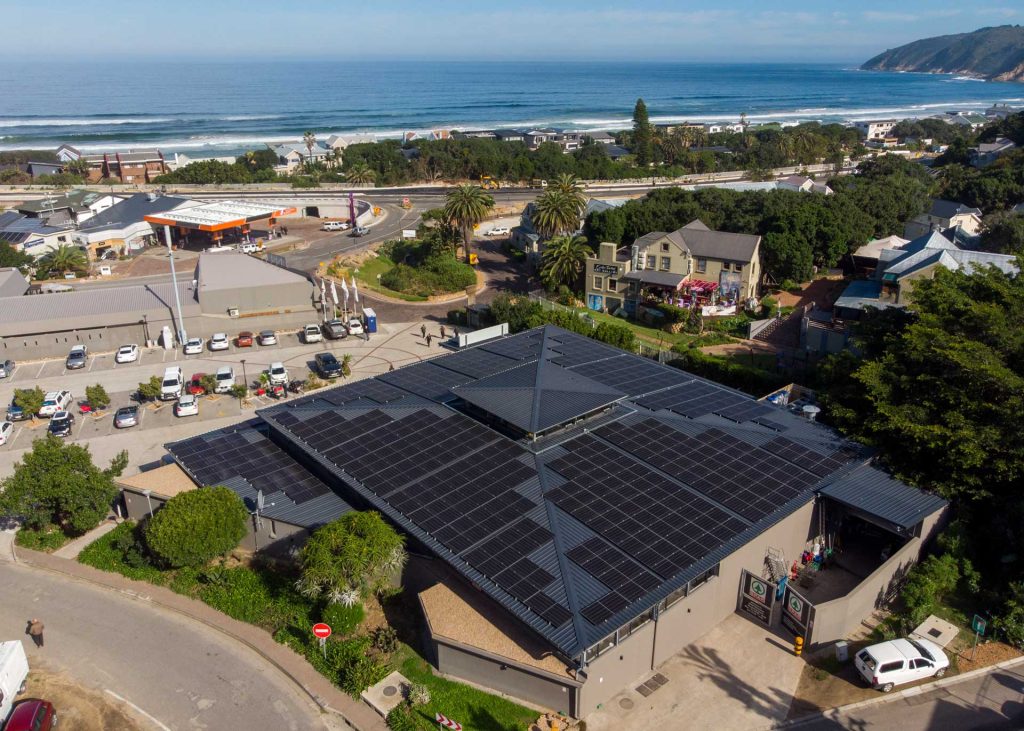
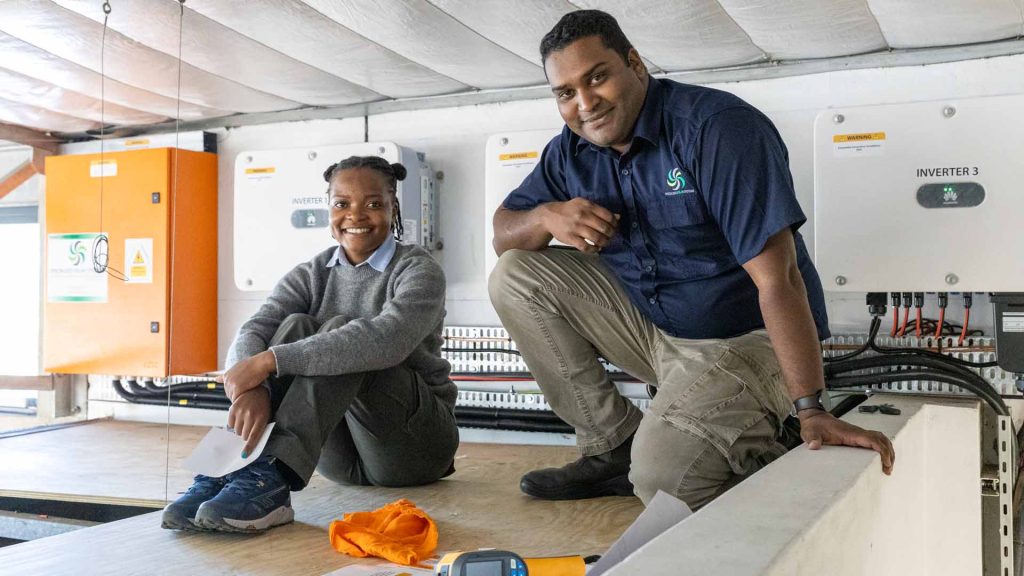
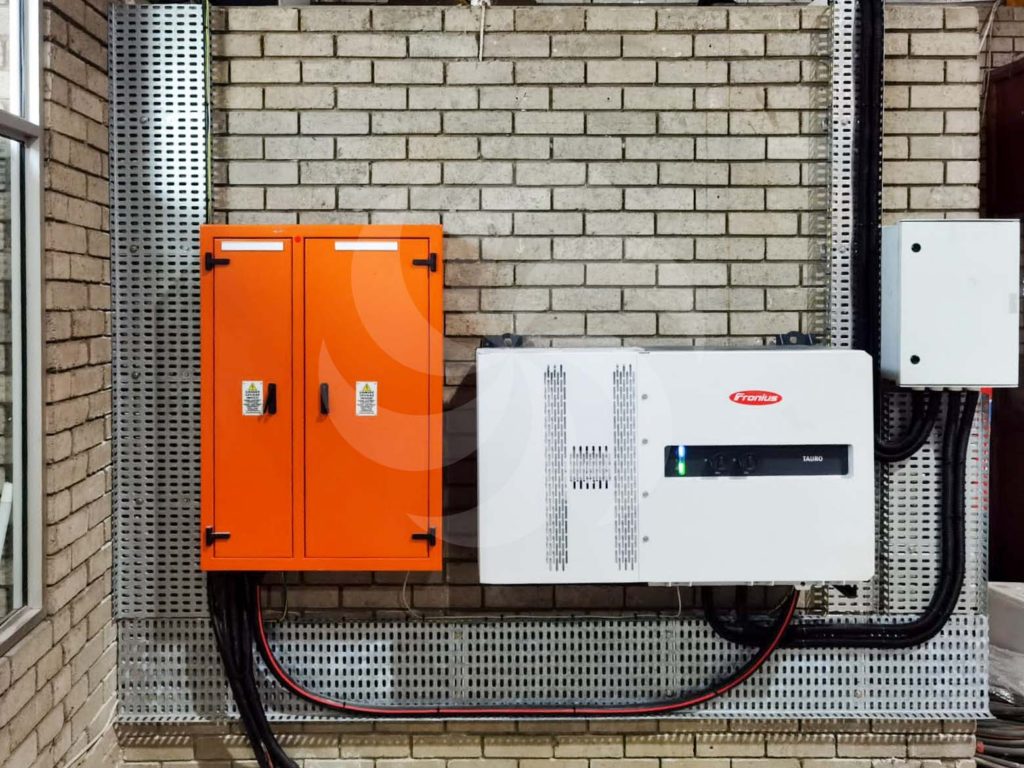
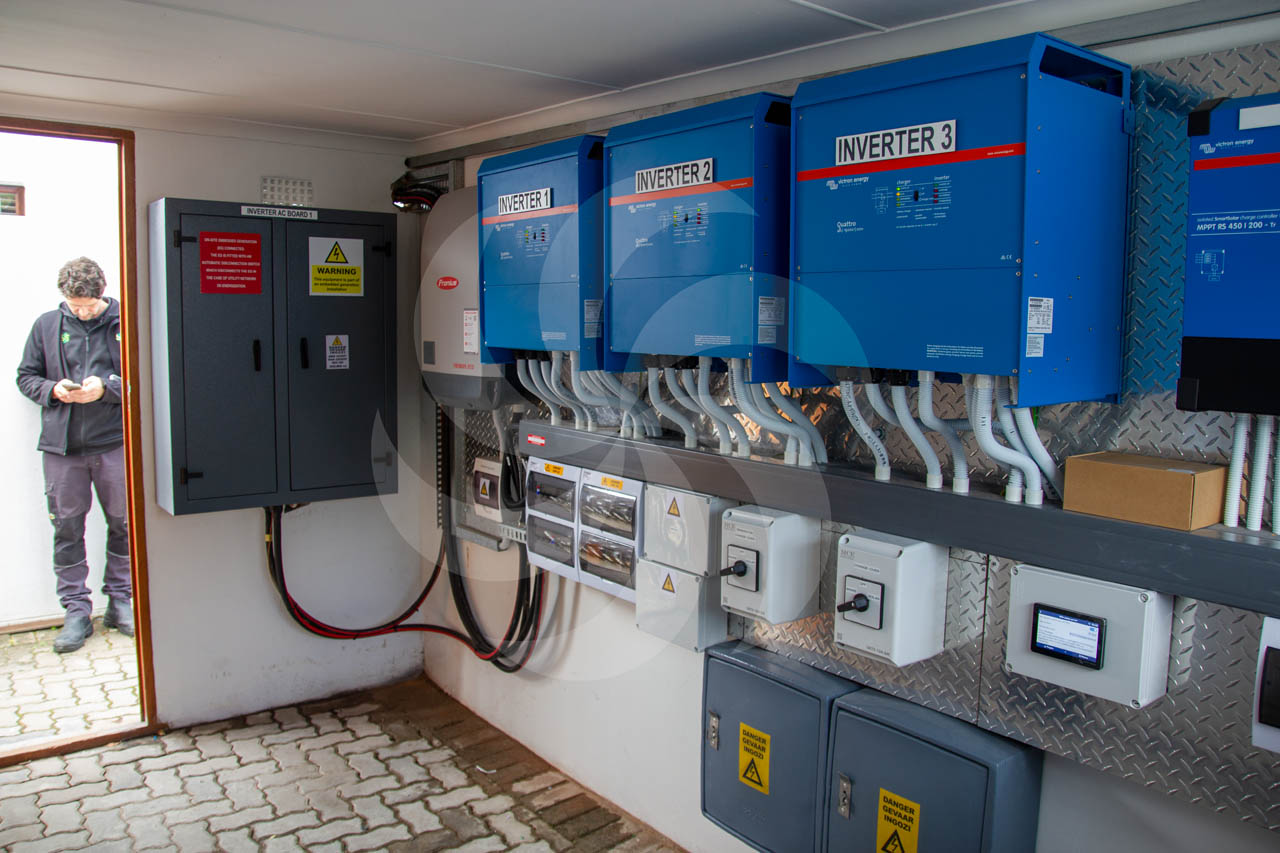
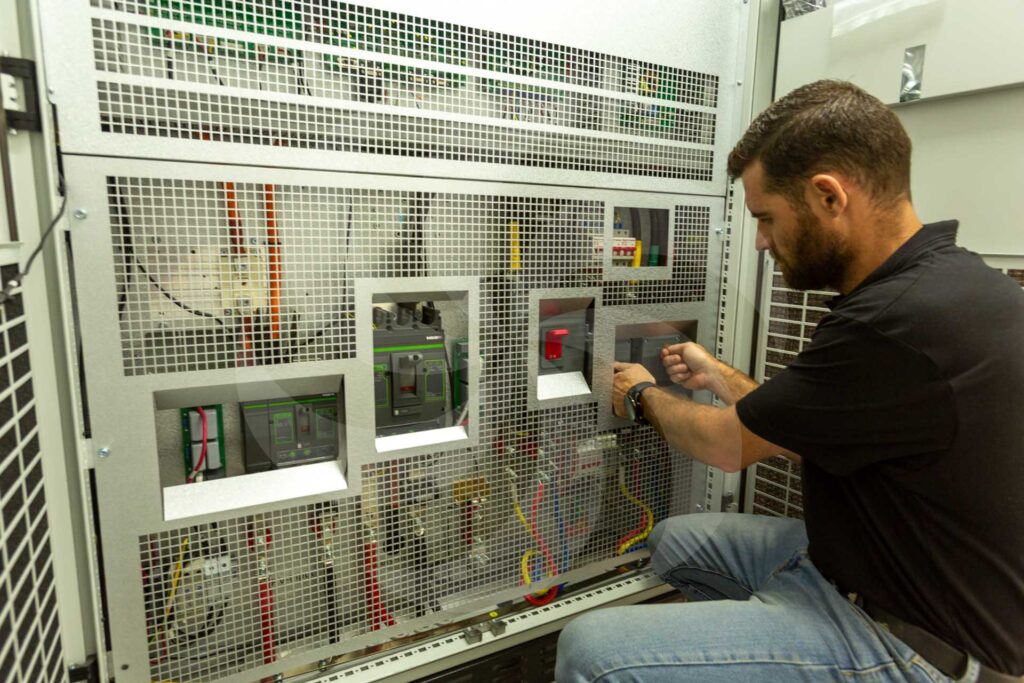
A solar technician performing quality and compliance checks on a multi-controller solar power installation with lithium battery storage.

More Than Solar. Powering Possibility.
This article provides general information and should not be interpreted as legal or regulatory advice. SSEG requirements can differ between electricity distributors and may change. Property owners should confirm the current requirements with Eskom or their relevant municipality.