âš¡
Rising Eskom tariffs? Hybrid solar systems on promo
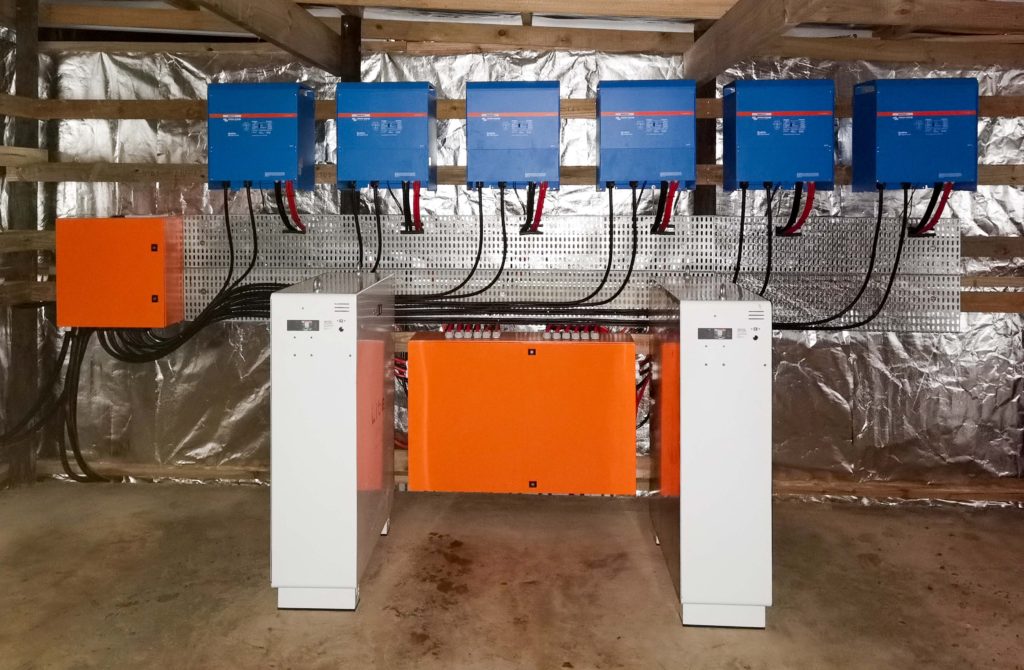
Expertly engineered, pre-assembled, and professionally wired for long-term performance using trusted Victron and storageDOCK lithium battery tech.
Explore Systems

What Makes Community Solar Electrification Work?

Installing solar equipment is one thing. Building an energy system that genuinely works for a community over time is something else.

A recent project in Witsand, Atlantis, provides a useful example. Three hundred solar-powered lights have been installed along pedestrian routes, crime hotspots and pathways identified together with residents. Community members helped determine where lighting was most needed, while local people were trained and participated in the installation.

Engineering News reported on the project on 5 August 2026.

The technology matters, but so does the thinking behind it.

For Specialized Solar Systems (SSS), more than a decade of decentralised electrification projects has shown that successful community energy starts with understanding the people, the site and the service that electricity needs to provide.

man with solar panel for his dwelling

Start with people, not panels

Every community is different.

Homes may be closely grouped or widely dispersed. Some households may initially need lighting and device charging, while others may require refrigeration, television, cooking capability or power for small businesses.

The physical environment also matters. Roads, household locations, available space, distribution distances and access for future maintenance can all influence the system design.

That means the first question should not simply be:
How many solar panels do we need?

A better question is:
What energy service does this community need, and how can it be delivered safely, fairly and sustainably?

The Witsand lighting project demonstrates this principle well. The placement of infrastructure followed real community needs rather than simply installing equipment wherever it was easiest.

Community electrification has evolved

SSS’s work in decentralised electrification has developed through several generations of technology.

Earlier projects used DC Solar Home Systems and DC microgrids, providing efficient household electricity without requiring a conventional utility grid connection.

These systems evolved to include remote monitoring, metering and switching, allowing distributed energy infrastructure to be managed more effectively across large numbers of households.

The SSS project portfolio records DC microgrid and remotely managed electrification projects across the Western Cape, Eastern Cape, Northern Cape, Limpopo, North West and Gauteng, as well as projects elsewhere in Southern Africa.

Examples include remotely managed systems for hundreds of households, Solar Tower distribution projects and community street-lighting installations. Later projects in Gauteng used groups of Solar Towers and DC distribution to serve thousands of connected homes.

This experience has helped shape the next generation of SSS community-energy systems.

From DC microgrids to AC EnergyPOD systems

The Thembalethu AC Solar Electrification Pilot in George represents an important step in this development.

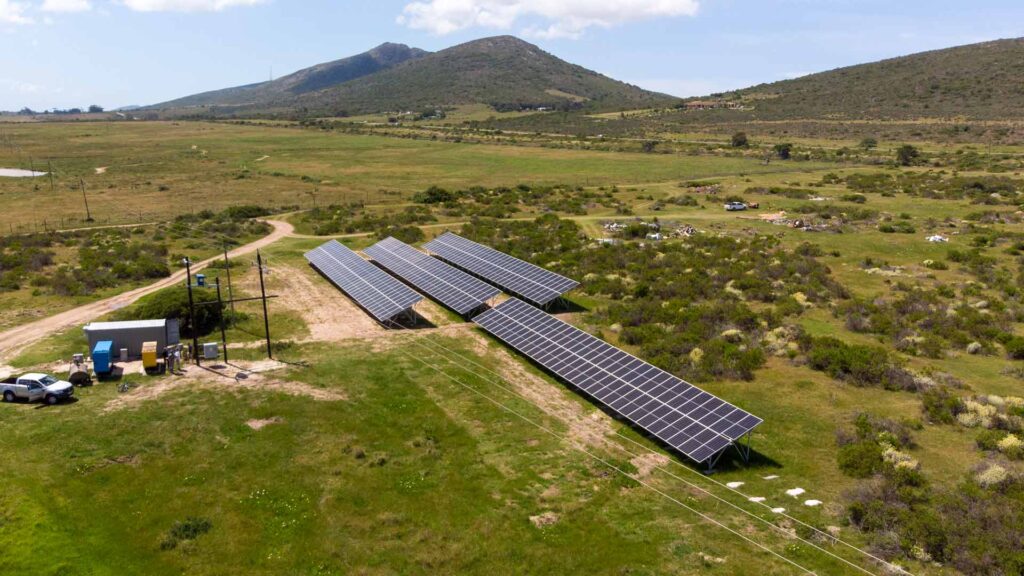
The off-grid pilot uses an SSS EnergyPOD, solar PV, battery storage and overhead AC distribution to supply 13 households in Thembalethu Zone 3.

The system also incorporates metering, switching and remote management, allowing available energy to be monitored and controlled at household level.

George Municipality launched the pilot in 2024 as an opportunity to investigate an alternative electricity solution for informal communities that cannot readily be reached through conventional electrification programmes.

The project reflects an important shift.

Community solar no longer has to mean an isolated panel and battery at every home. Depending on the application, a centrally managed system can generate and store energy and distribute controlled AC power to multiple households.

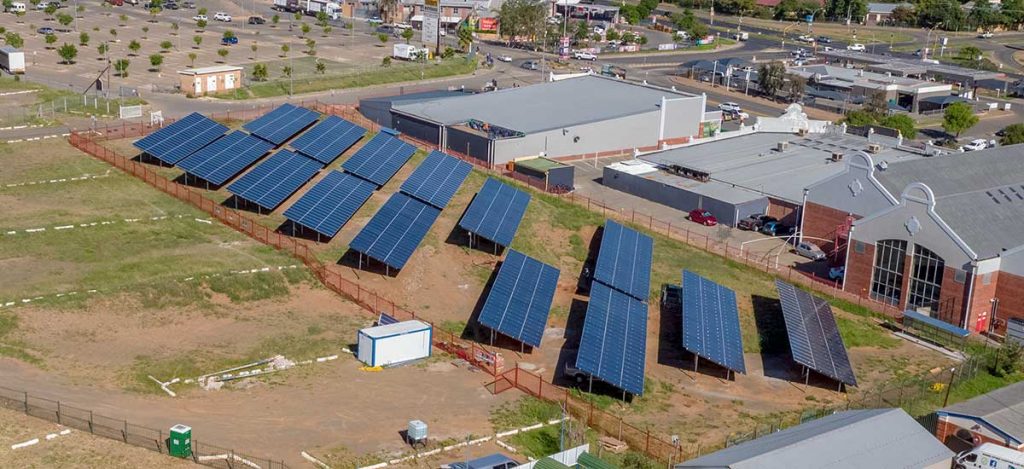
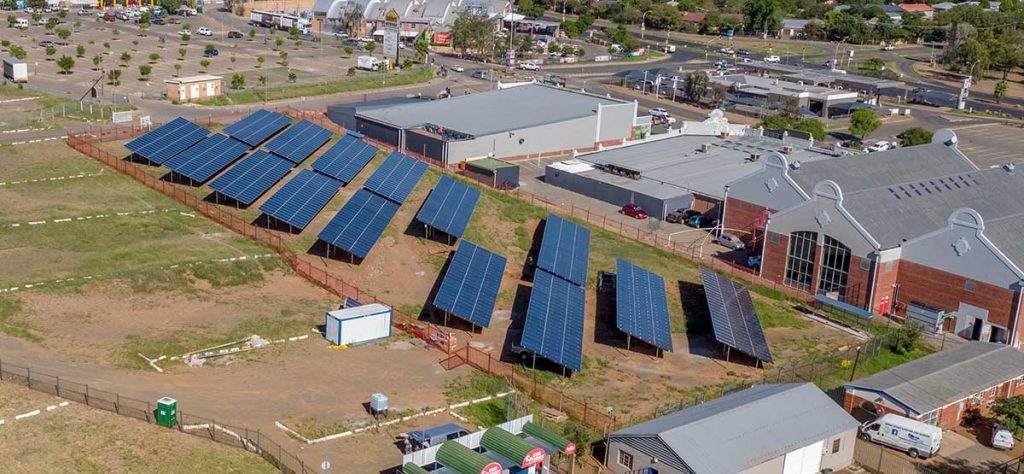
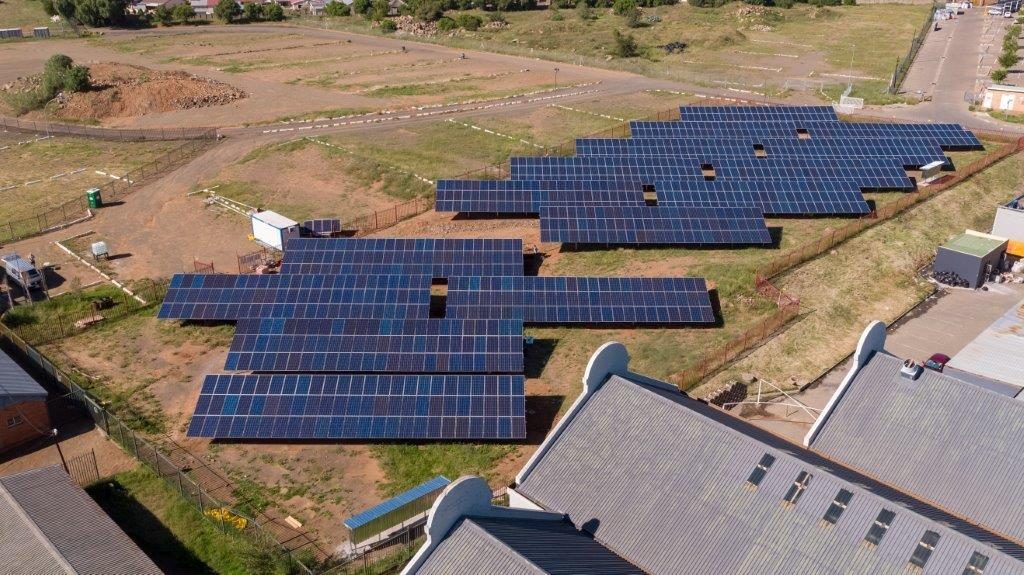
Off grid AC Solar Power Distribution energy pod and solar panels at Thembalethu George

Different communities need different solutions

There is no single community-electrification model.

A small settlement may be best served by individual DC Solar Home Systems. A larger or more concentrated community may benefit from a DC microgrid or Solar Tower distribution system. Where greater household energy capability is required, an AC mini-grid built around an EnergyPOD can provide another option.

The correct solution depends on factors such as:

  • The number and position of households
  • Expected household energy use
  • Available solar resource and installation space
  • Distribution distances
  • Battery-storage requirements
  • Maintenance access
  • Monitoring and management requirements
  • Future expansion

The objective is not to force every community into the same technical model. It is to select and engineer the model that best fits the requirement.

What makes community solar electrification sustainable?

Experience across SSS projects points to several practical principles.

Understand the real requirement

Household needs, settlement layout, pathways, safety considerations and future growth should influence the design from the beginning.

Design for growth

Where practical, infrastructure should allow additional households, generation, storage or services to be added later without rebuilding the entire system.

Manage limited energy intelligently

Solar generation and battery storage are finite resources. Metering, monitoring and controlled energy allocation can help available electricity reach more households while protecting the underlying system.

Plan for maintenance

Equipment must remain accessible and supportable after commissioning. Remote monitoring can reduce unnecessary site visits and help technical teams identify problems sooner, while modular system design can simplify repair and expansion.

Work with the community

Clear communication helps residents understand what the system can provide, how energy should be used and why particular operating limits may be necessary. Community engagement is therefore part of the infrastructure, not an optional extra.

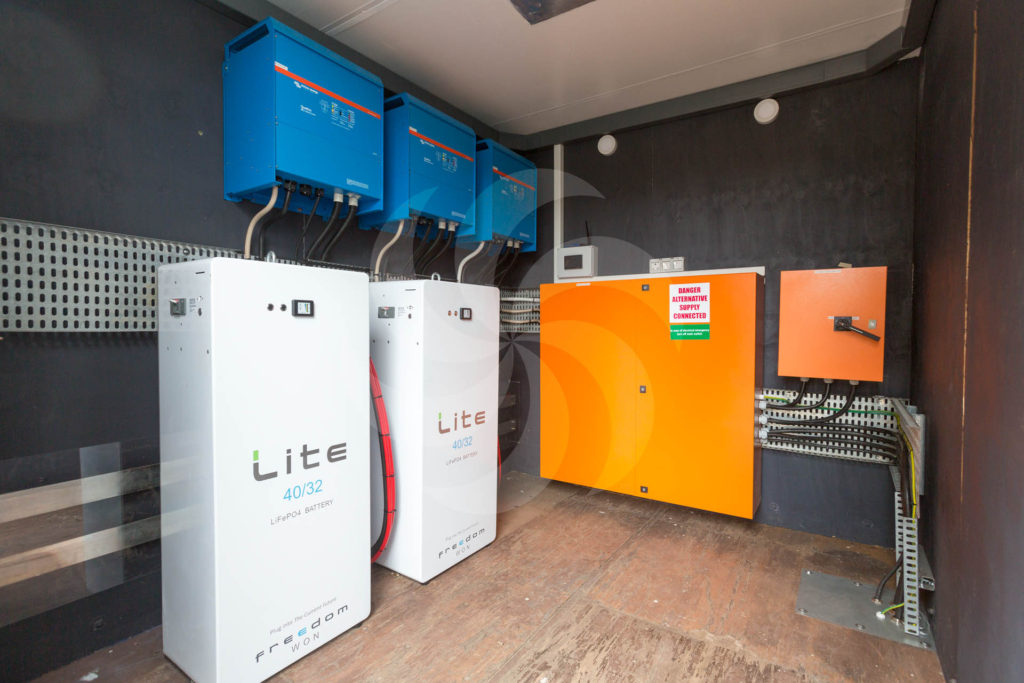
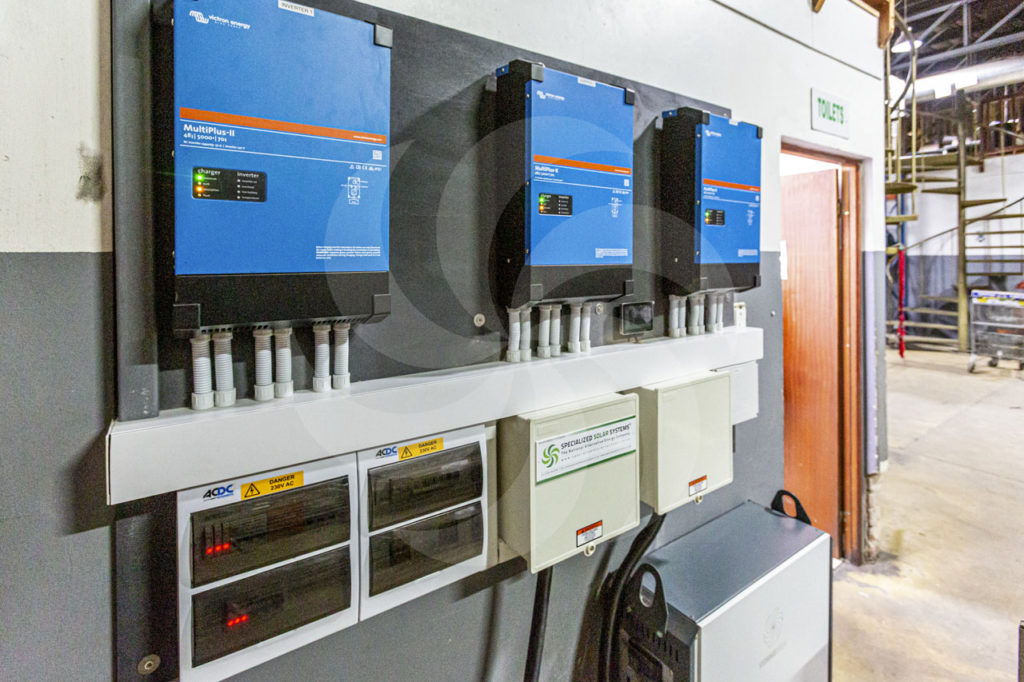
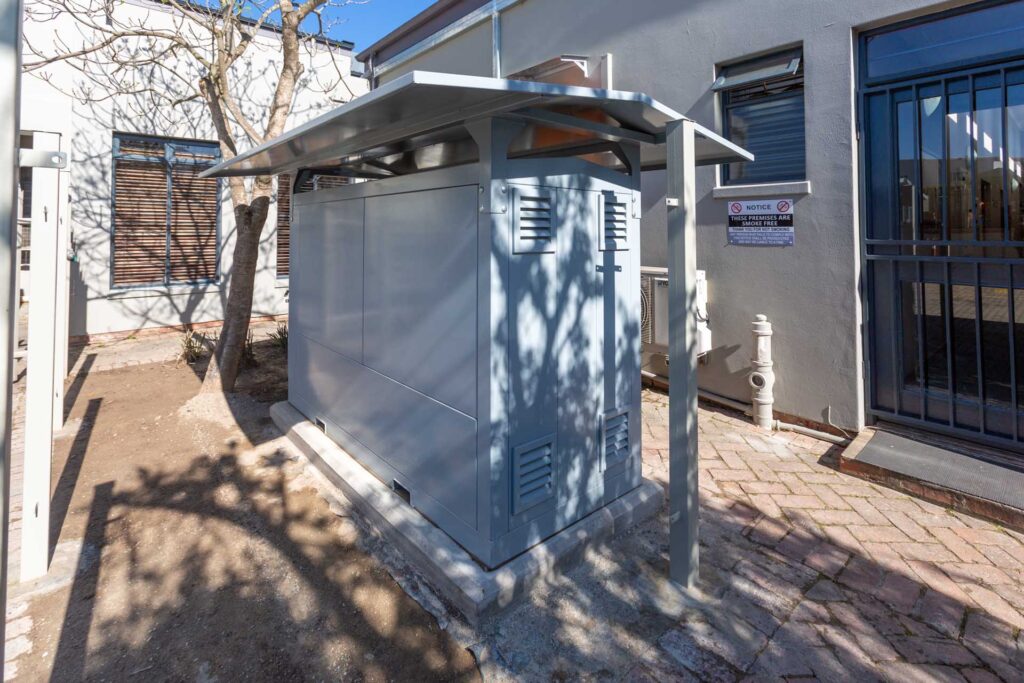
Factory-integrated SSS EnergyPOD system

The EnergyPOD approach

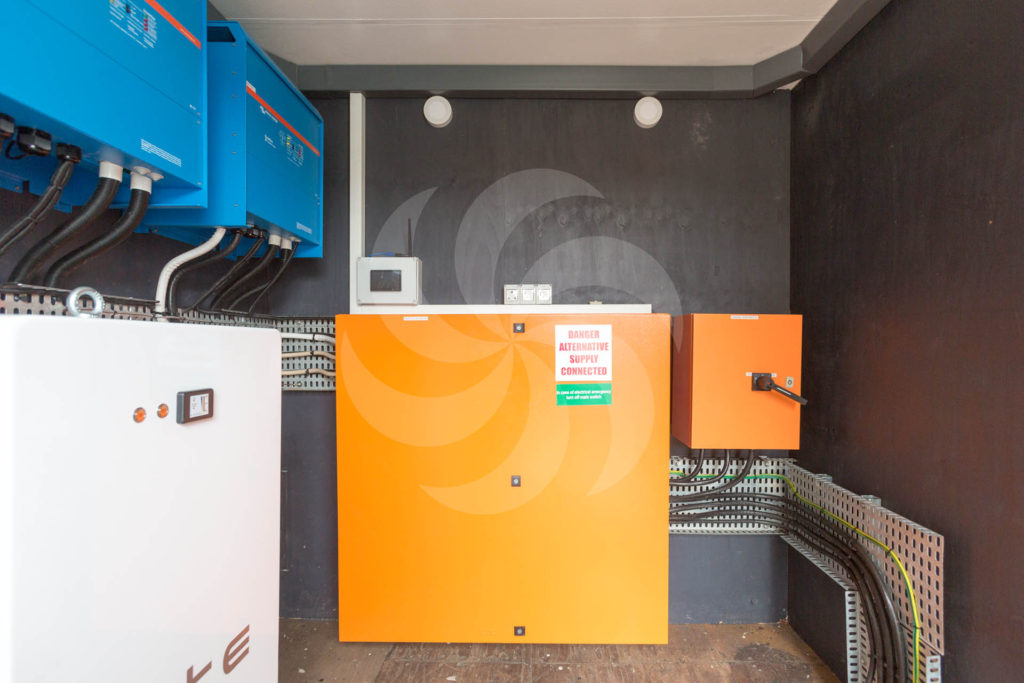
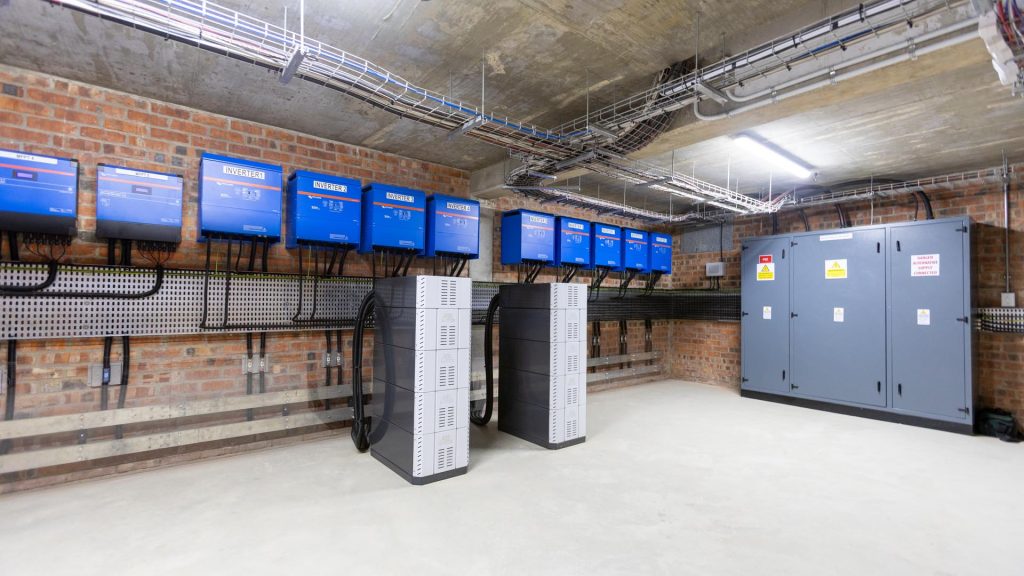
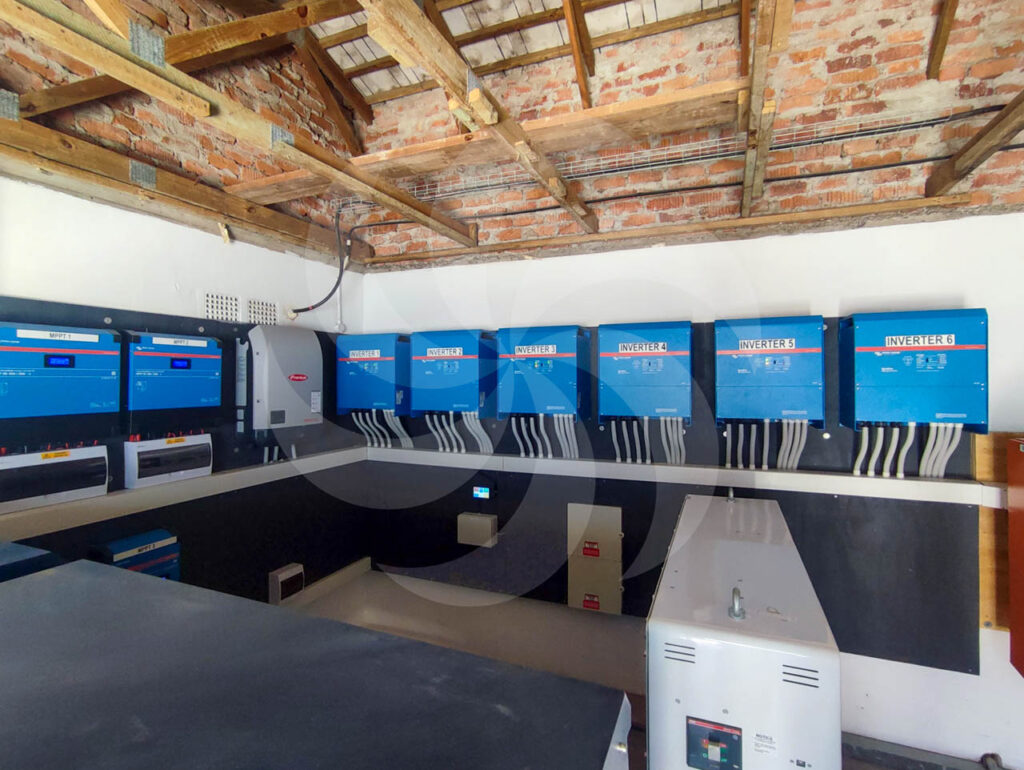
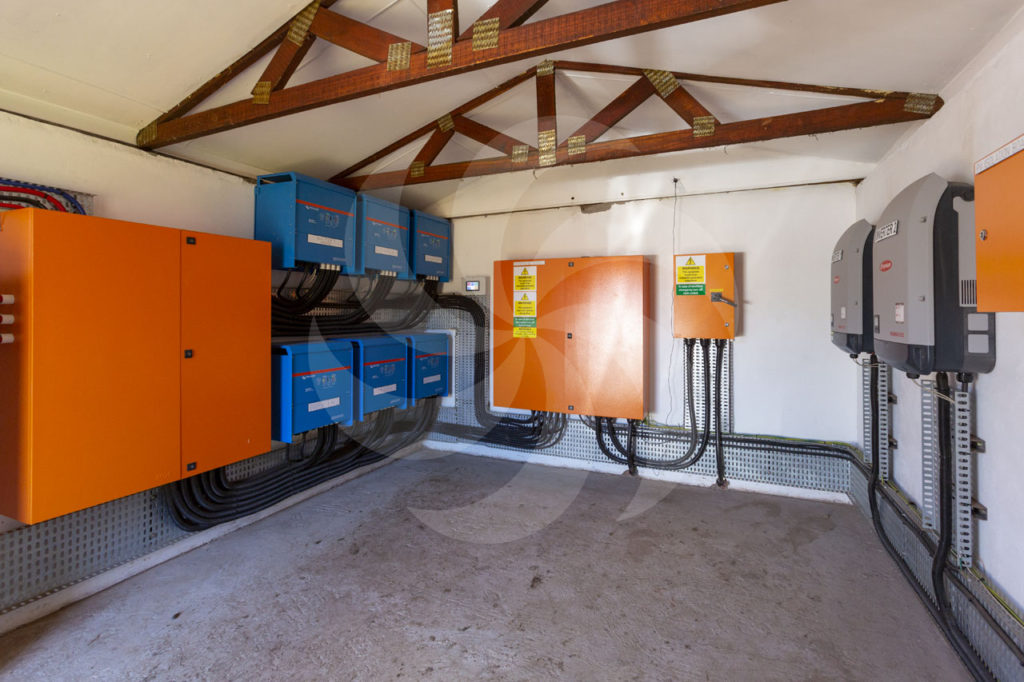
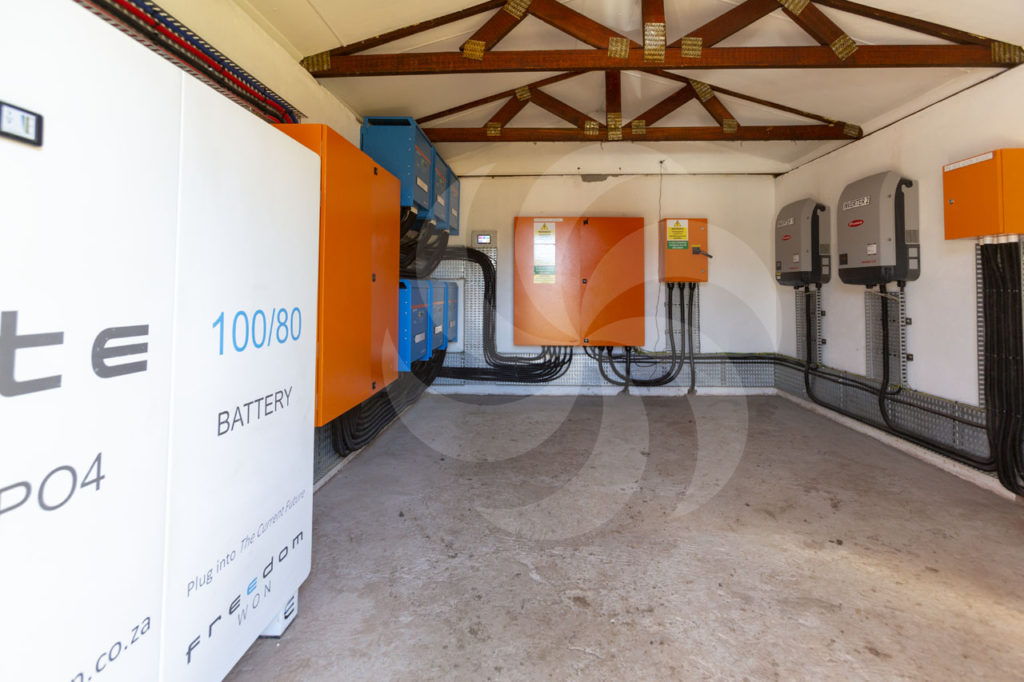
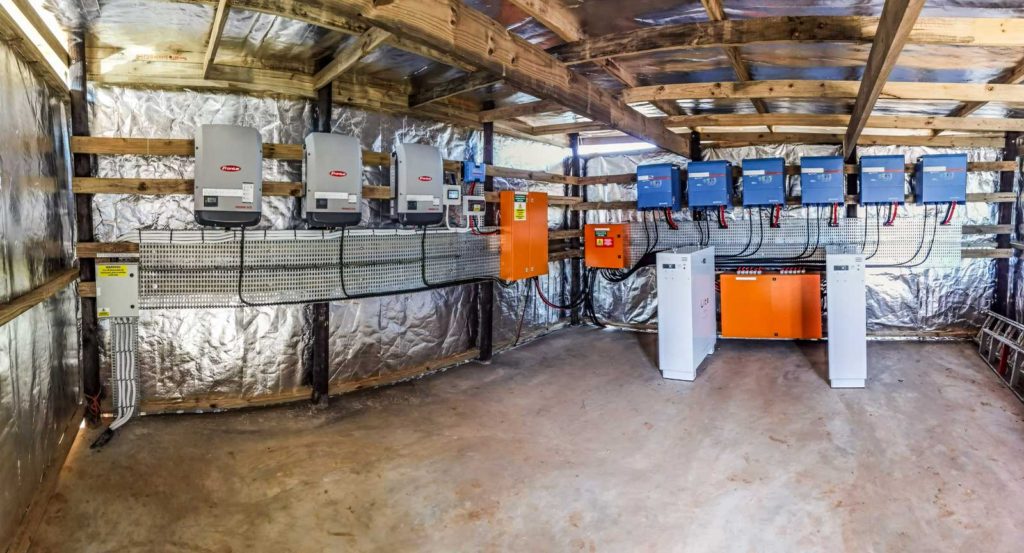
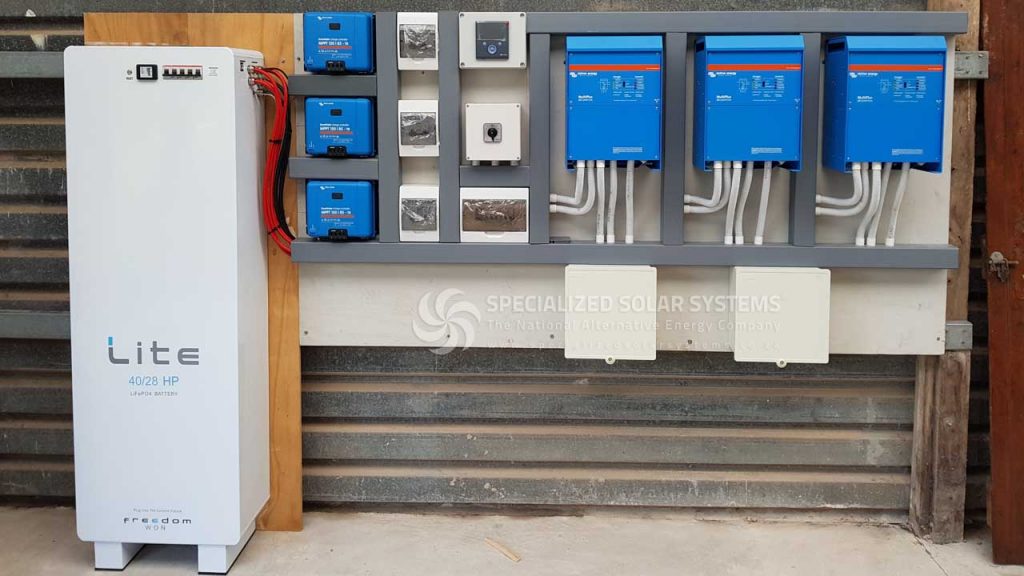
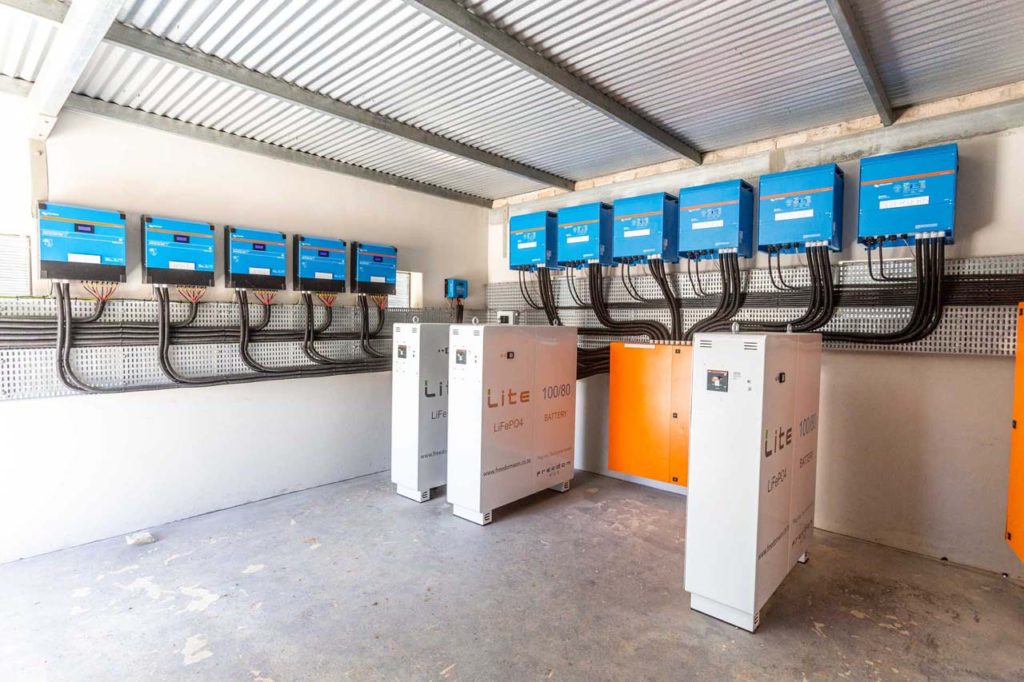
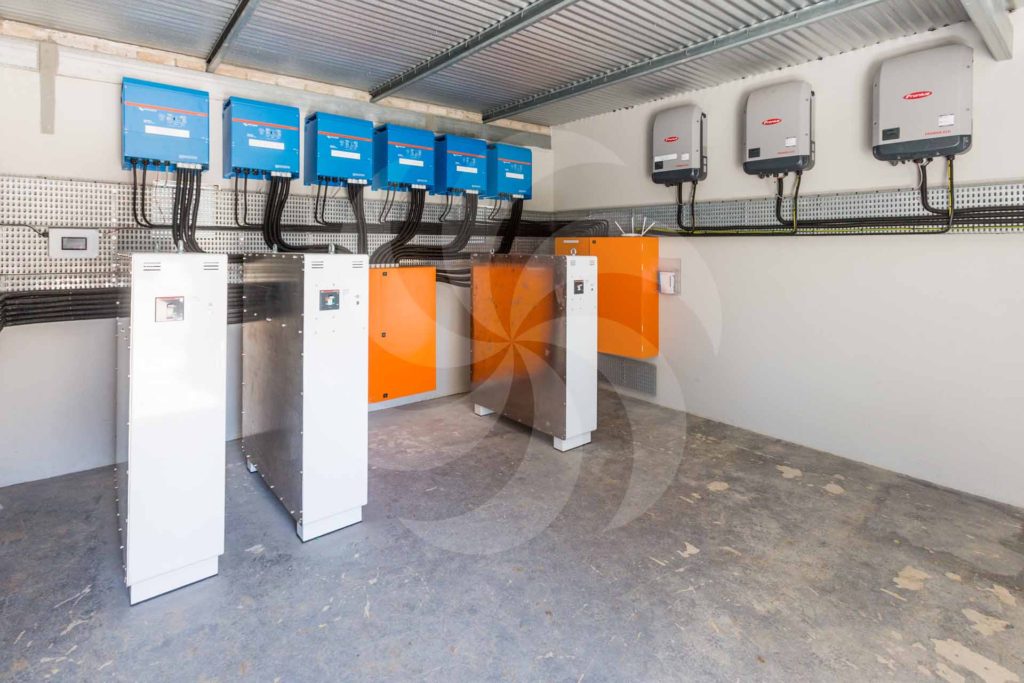
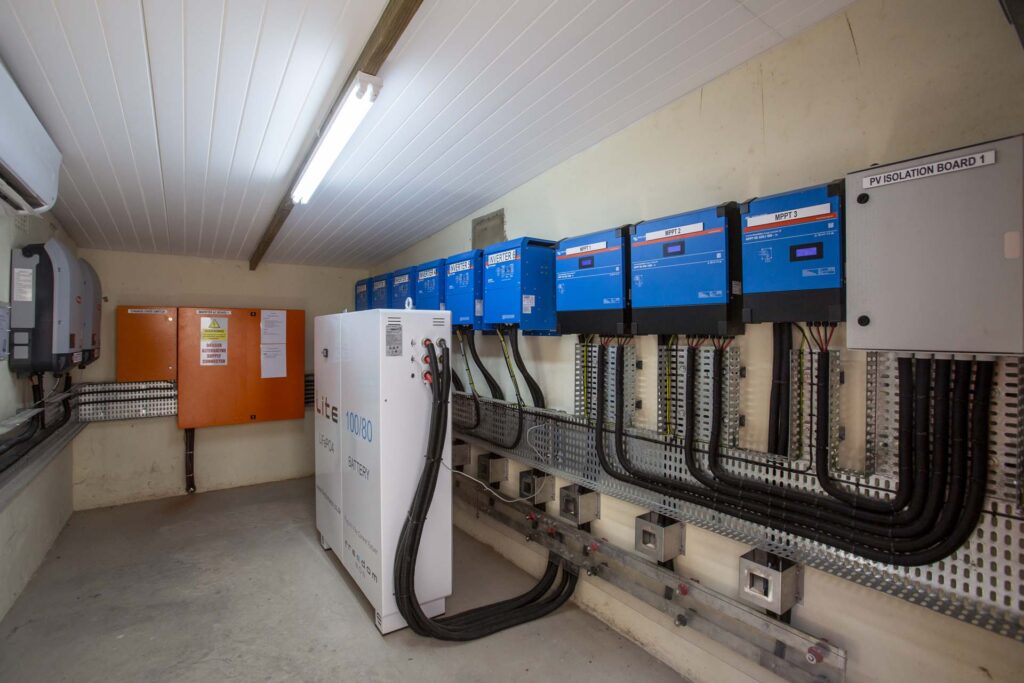
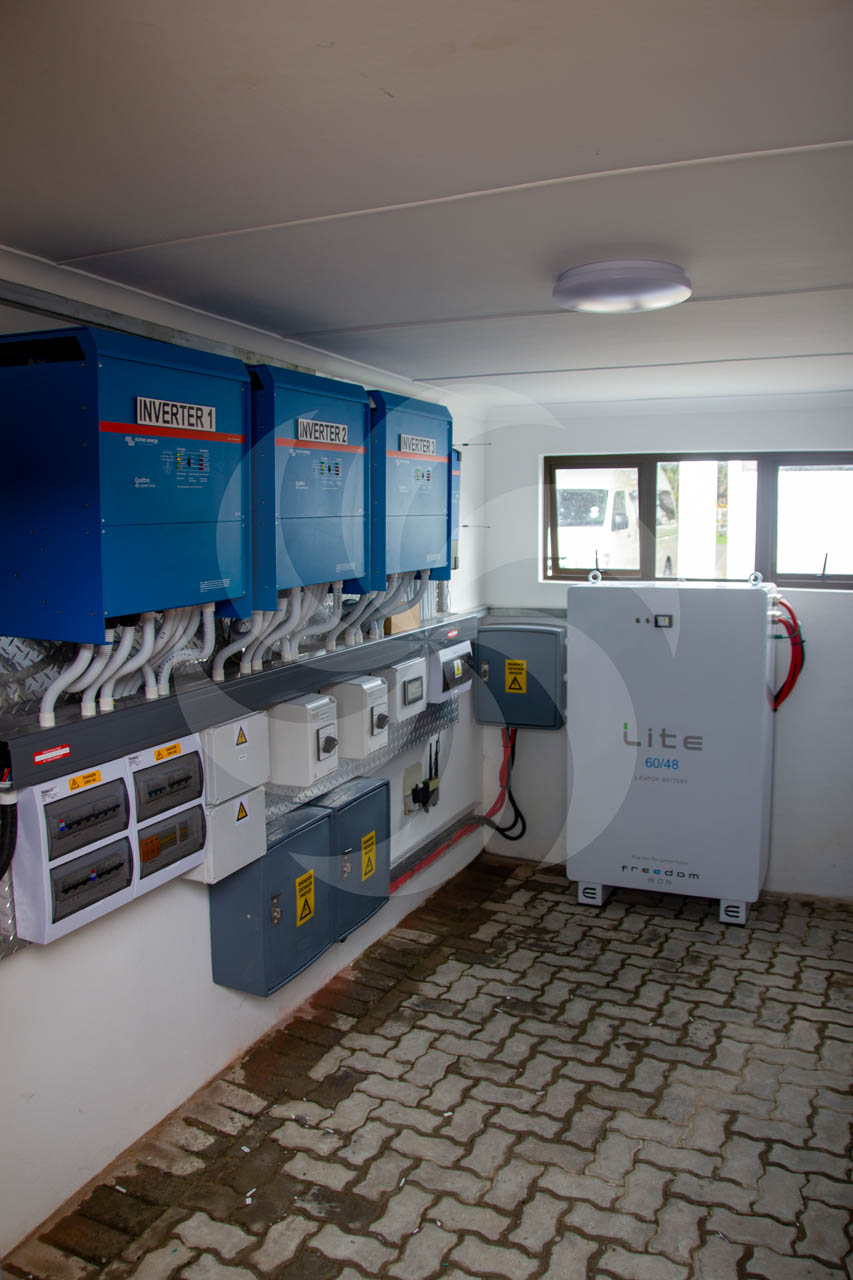
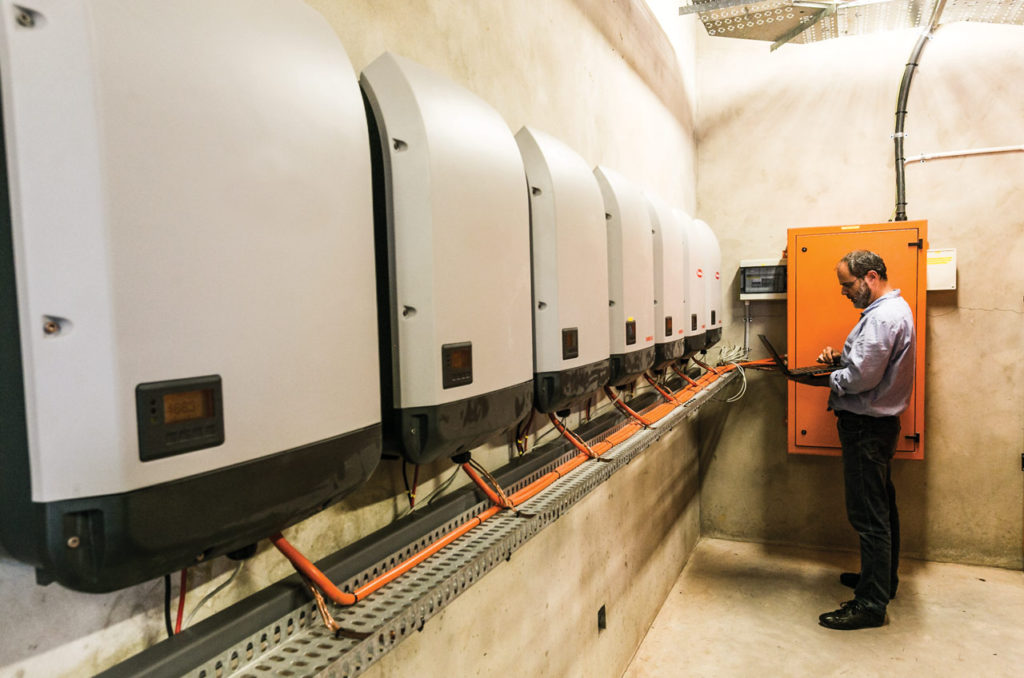
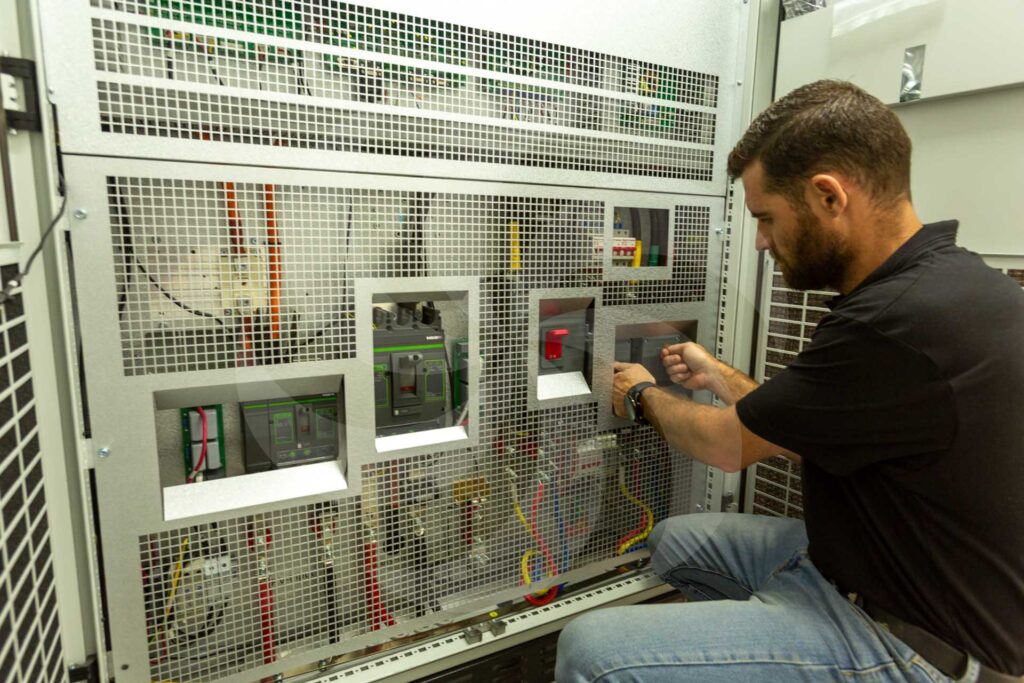
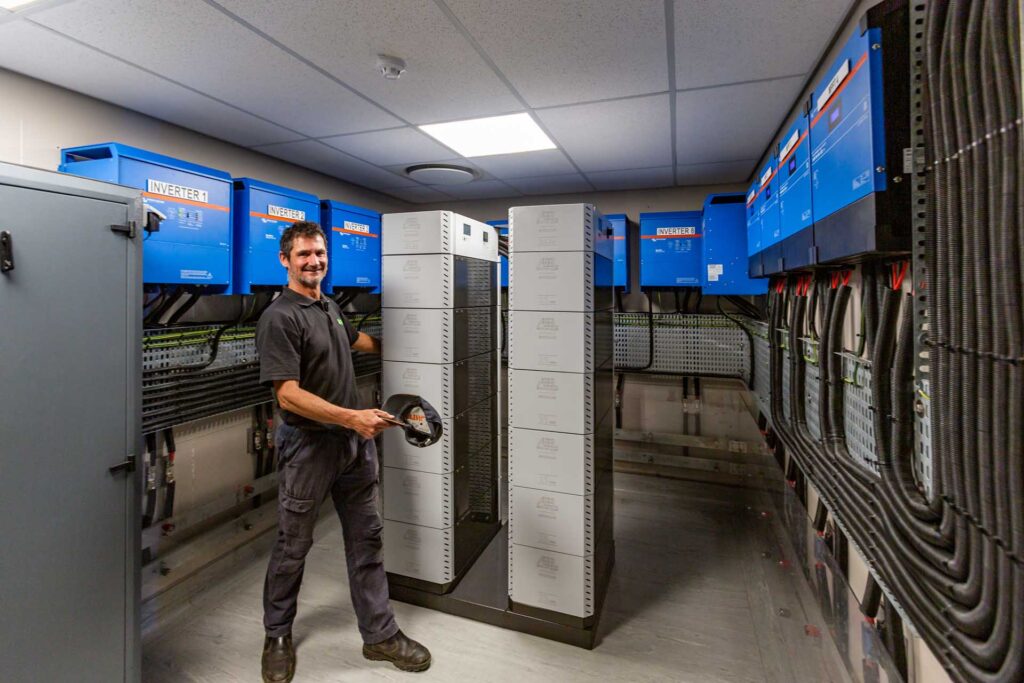
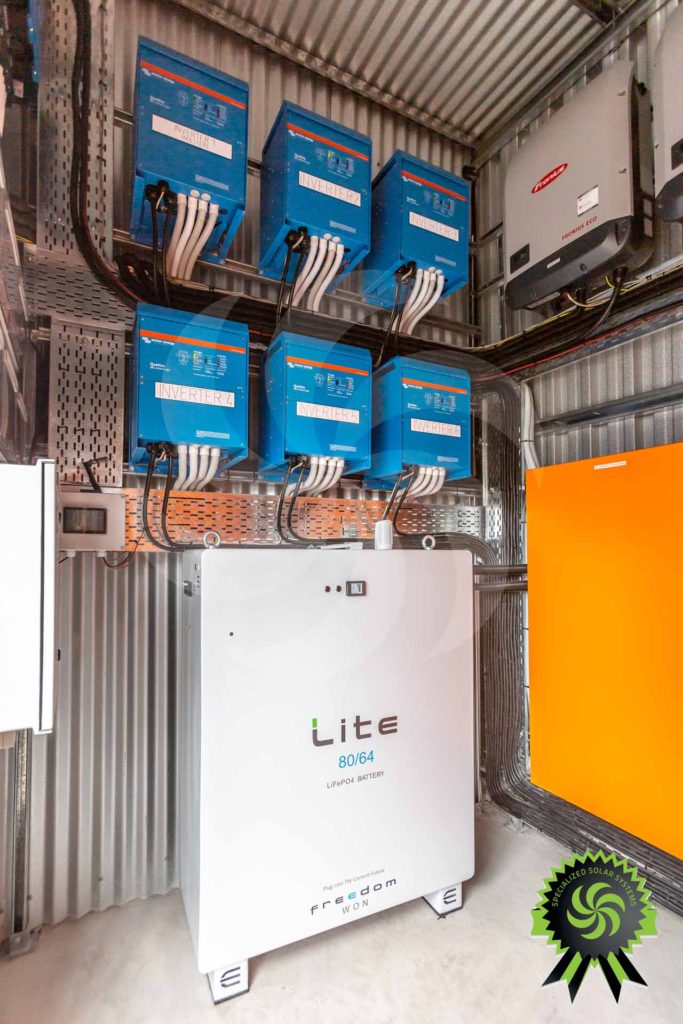
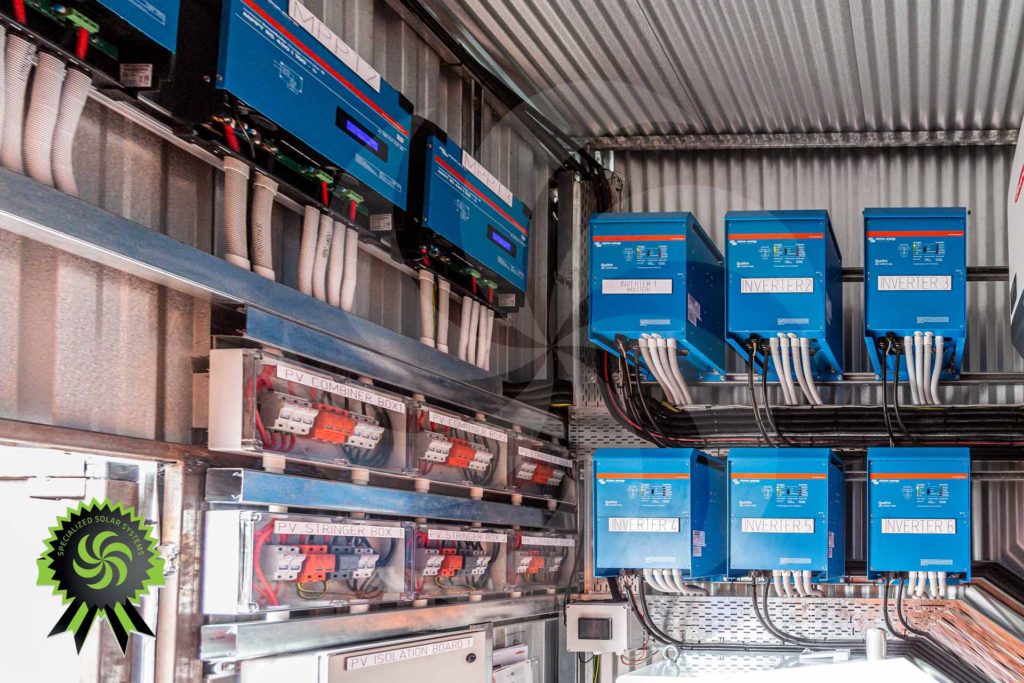
SSS’s EnergyPOD systems bring solar generation, battery storage, inverter technology, protection, monitoring and control together in a factory-integrated energy platform.

Depending on the application, EnergyPOD systems can operate off-grid or integrate with available grid and generator supplies.

For community applications, this creates a modular foundation from which electricity can be distributed and managed across multiple users.

Explore SSS EnergyPOD solutions

The technology is different from the early DC systems, but the underlying objective remains the same: provide useful electricity in a way that is practical to operate, maintain and expand.

More than delivering electricity

Community electrification is ultimately not about panels, batteries or poles. It is about what dependable energy can enable.
Lighting after dark. Communication. Refrigeration. Education. Safer public spaces. Household convenience. Opportunities for small businesses and community development.

SSS’s progression from individual DC systems and remotely managed microgrids to today’s AC EnergyPOD platform demonstrates how the technology continues to evolve.

The guiding principle remains simple:
Understand the people. Understand the energy requirement. Then engineer the right system around both.

For municipalities, developers, NGOs and organisations exploring decentralised community energy solutions, contact Specialized Solar Systems to discuss the application and possible system approaches.

More Than Solar. Powering Possibility.