âš¡
Rising Eskom tariffs? Hybrid solar systems on promo
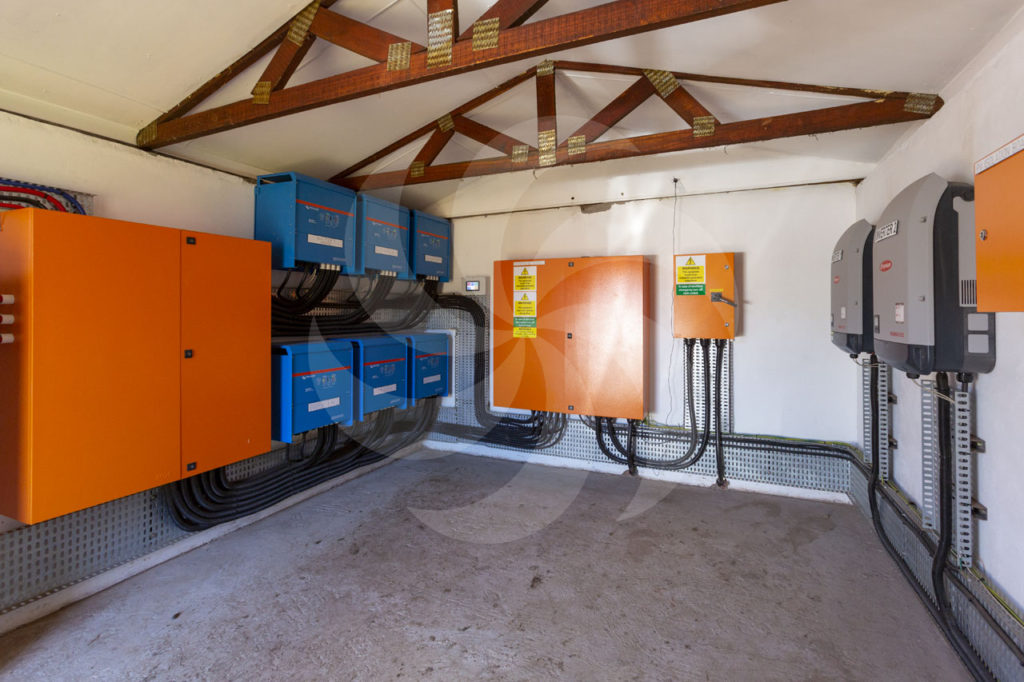
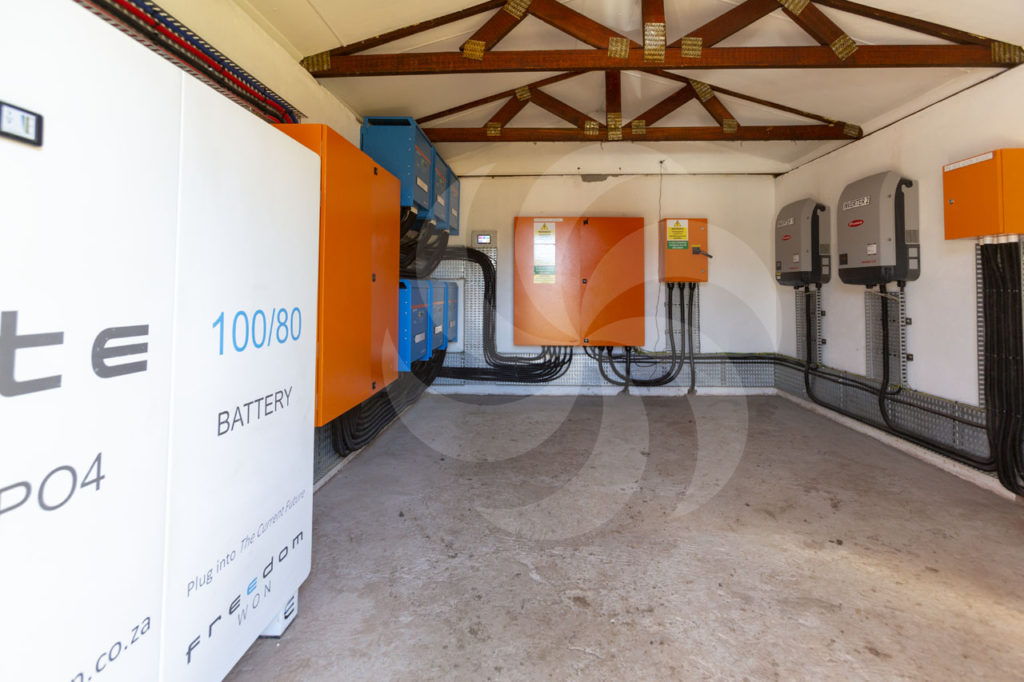
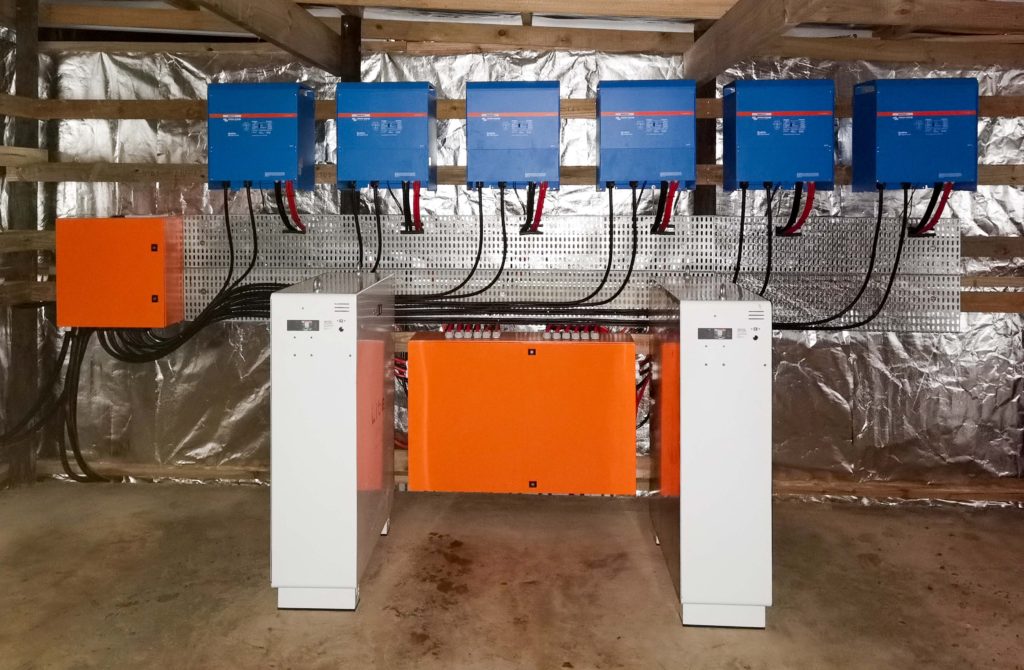
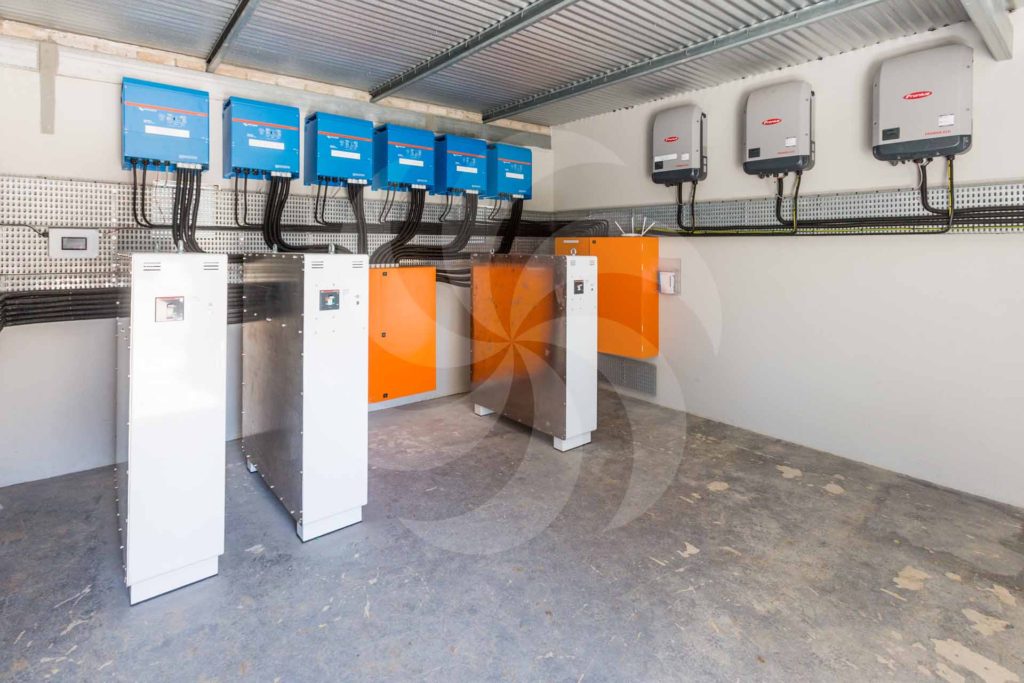
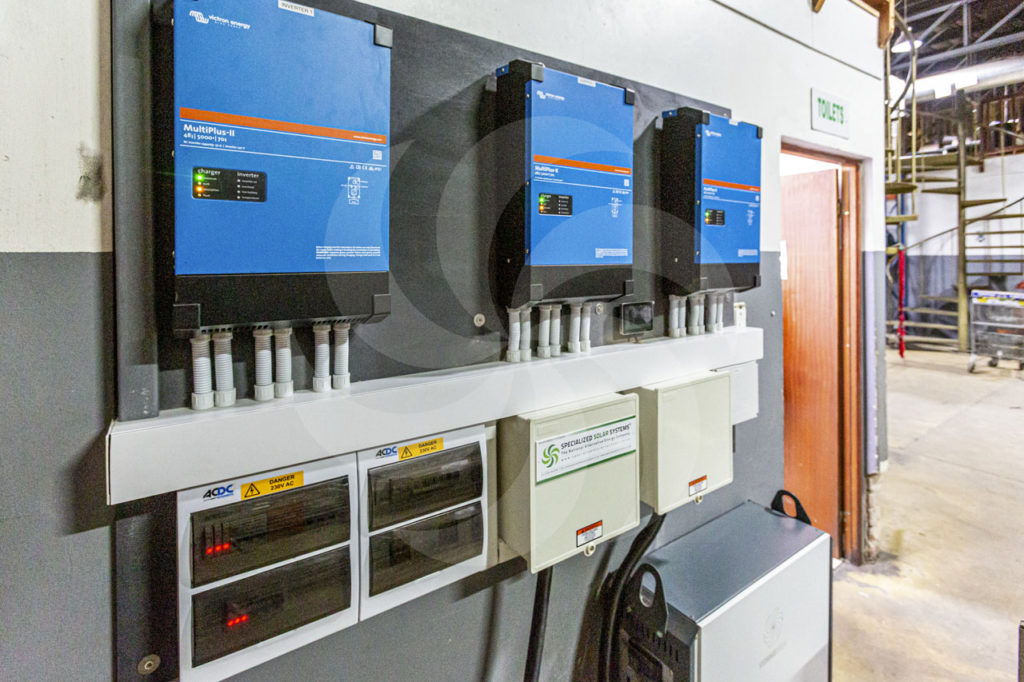
Expertly engineered, pre-assembled, and professionally wired for long-term performance using trusted Victron and storageDOCK lithium battery tech.
Explore Systems

Commercial Solar Systems That Adapt as Energy Needs Change

A commercial solar system should not be designed for one moment in time.

Businesses grow. Electricity tariffs change. Loads shift. Batteries age. New equipment is added. And, as South Africa has recently demonstrated, the reliability of the national electricity system can change considerably too.

That is why good commercial solar design is about more than solving today’s energy problem. It should provide a foundation that can be monitored, optimised and expanded as the customer’s needs change.

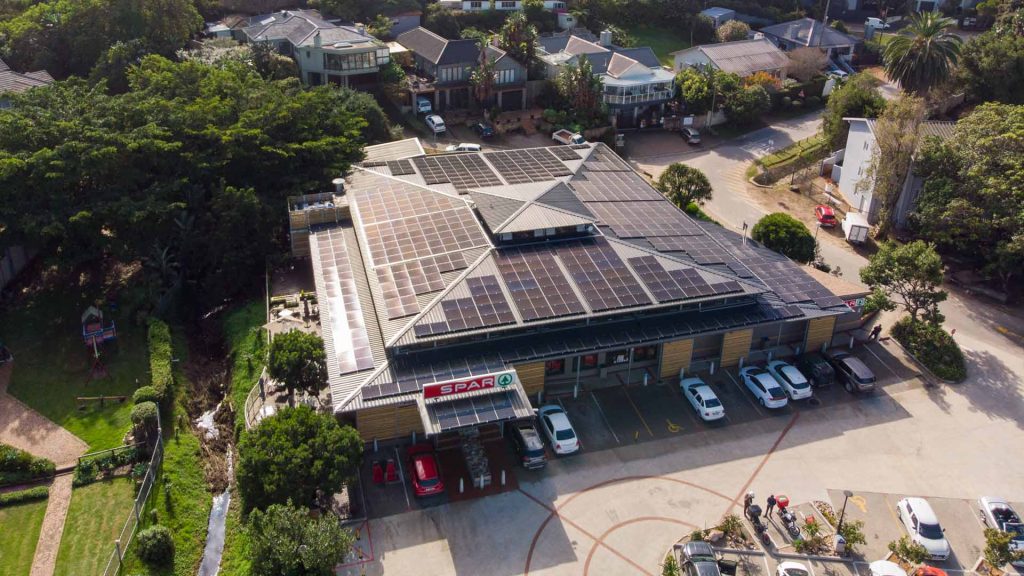
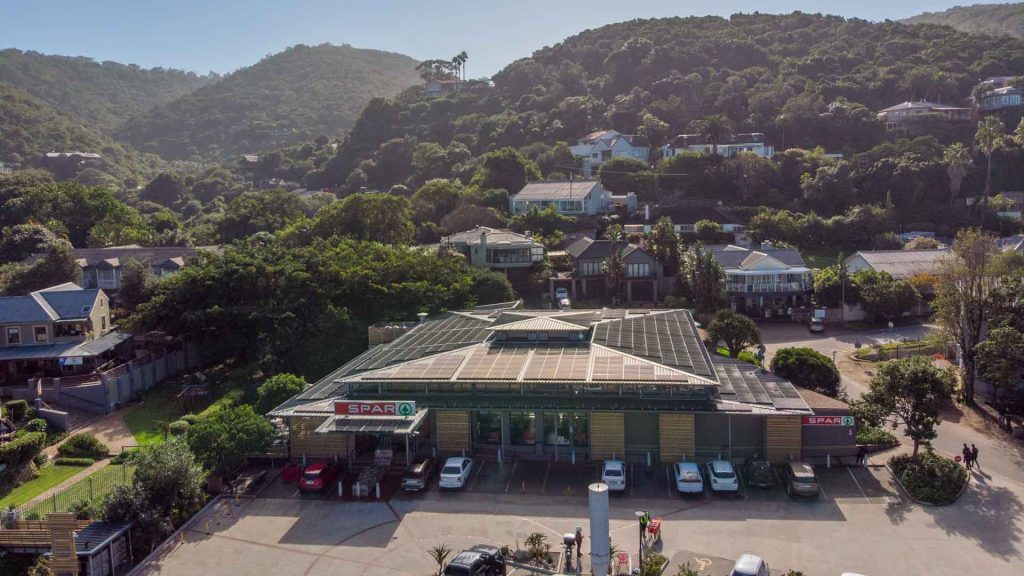
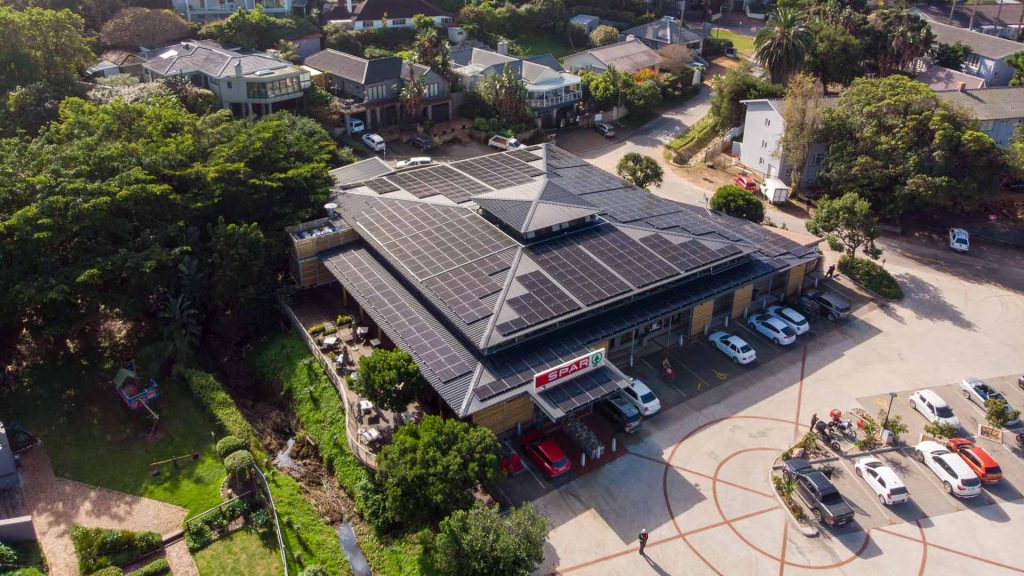
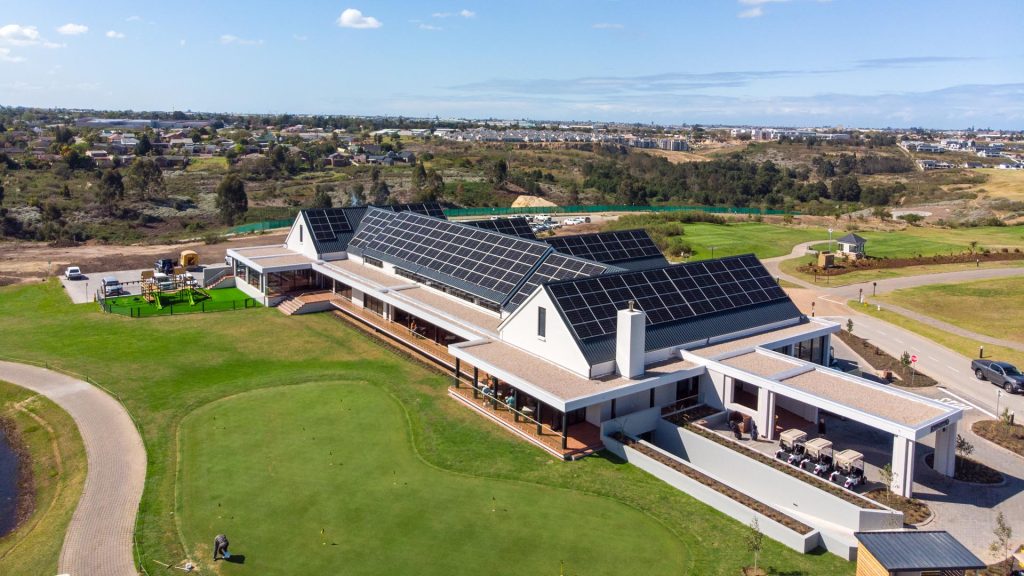
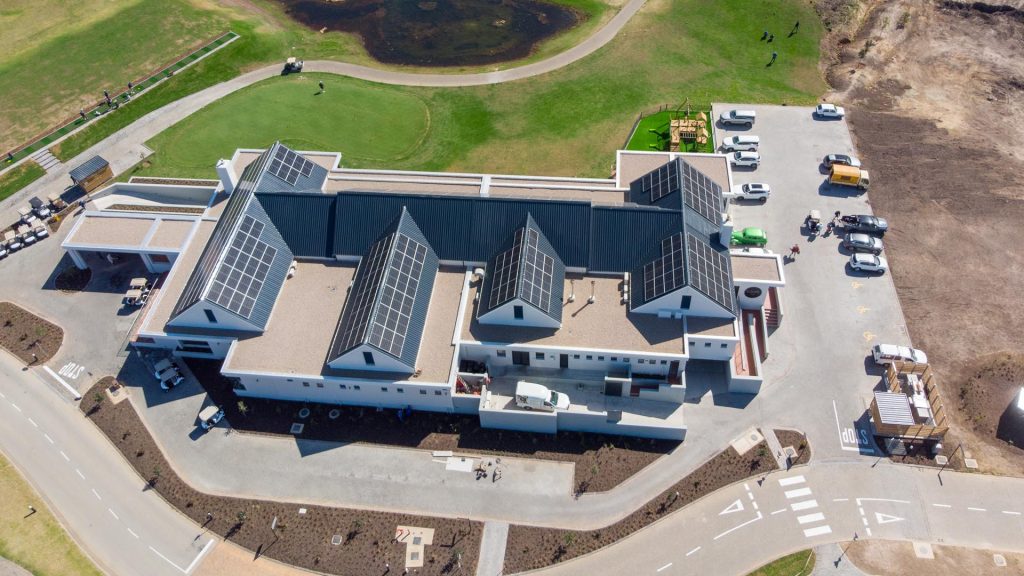
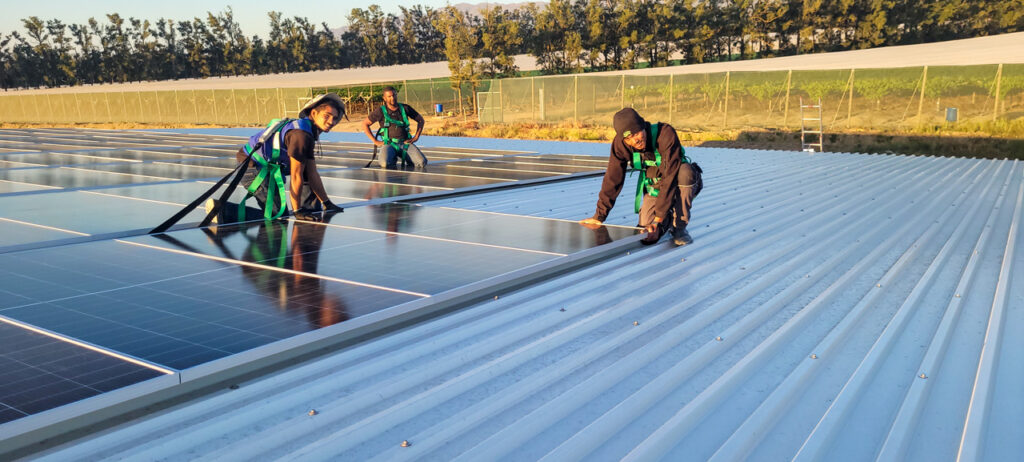
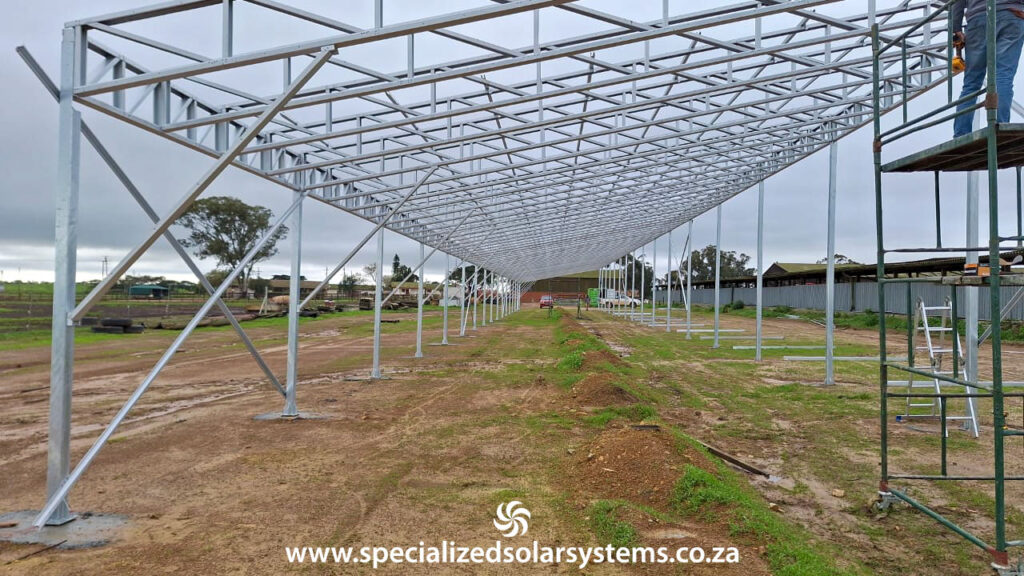
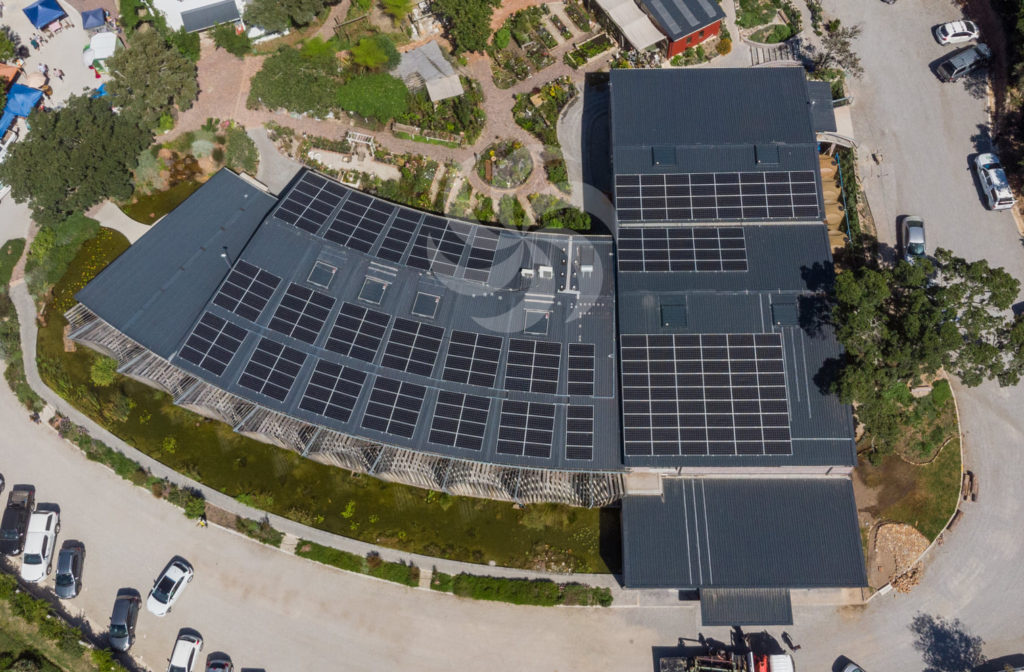
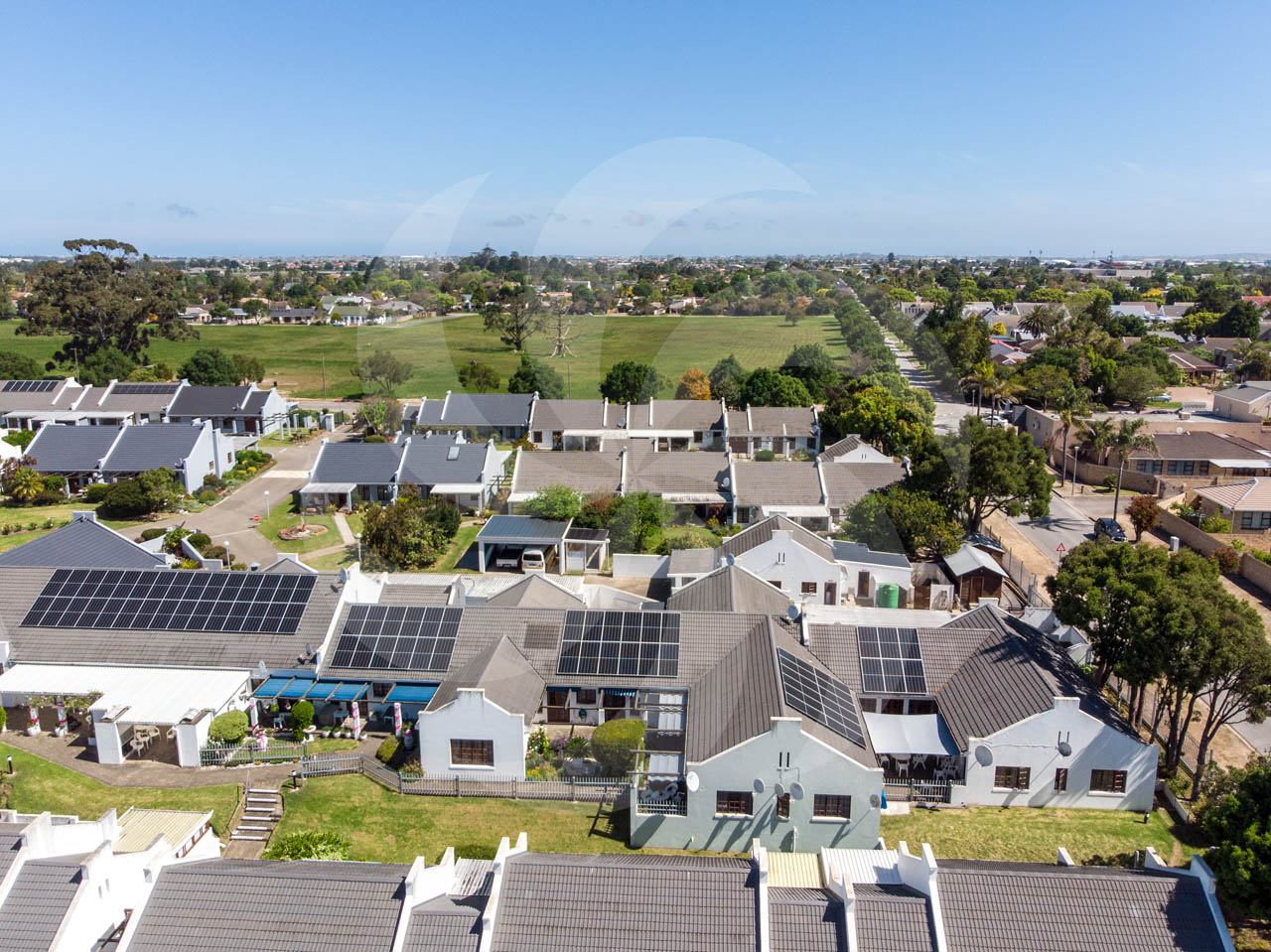
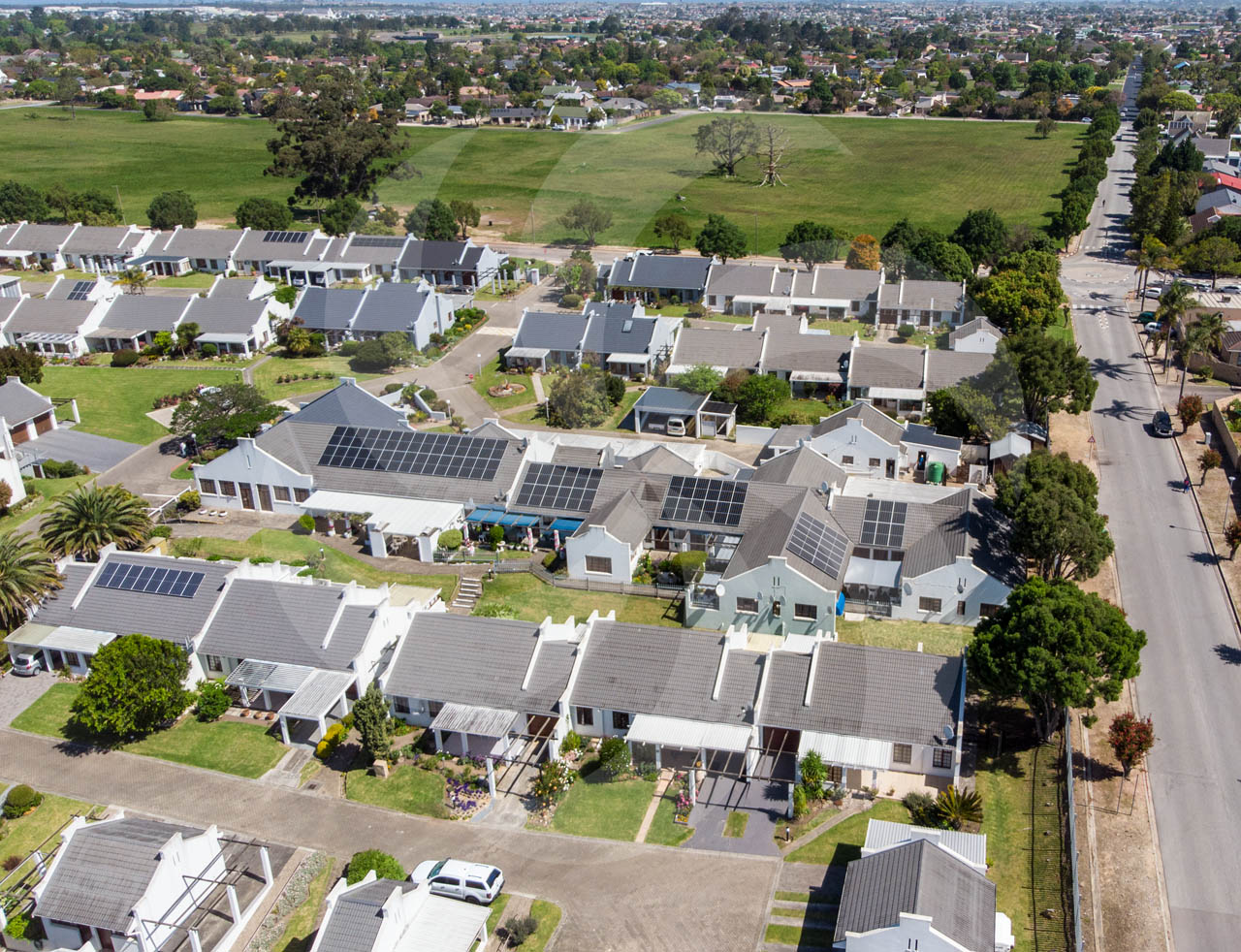
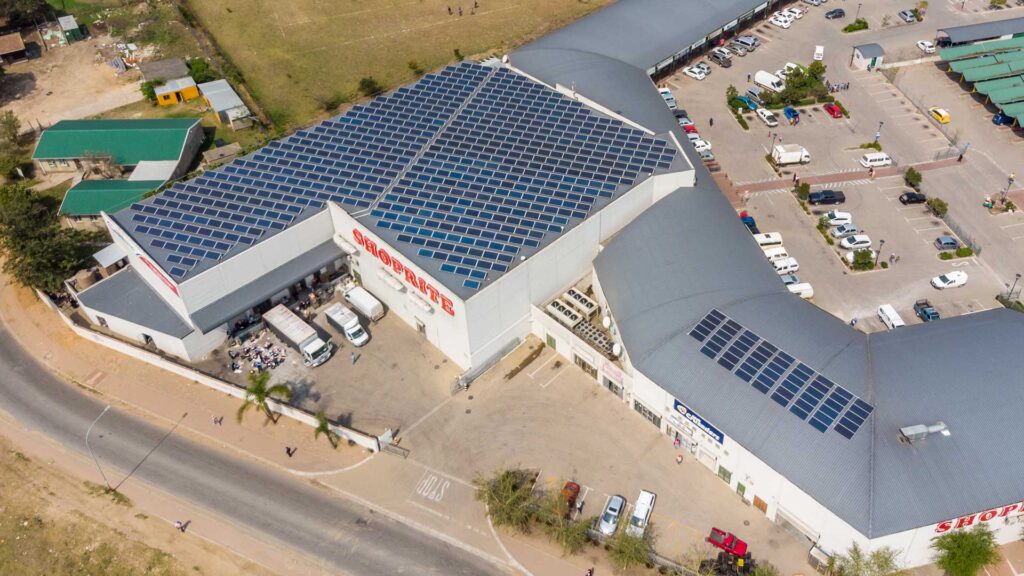
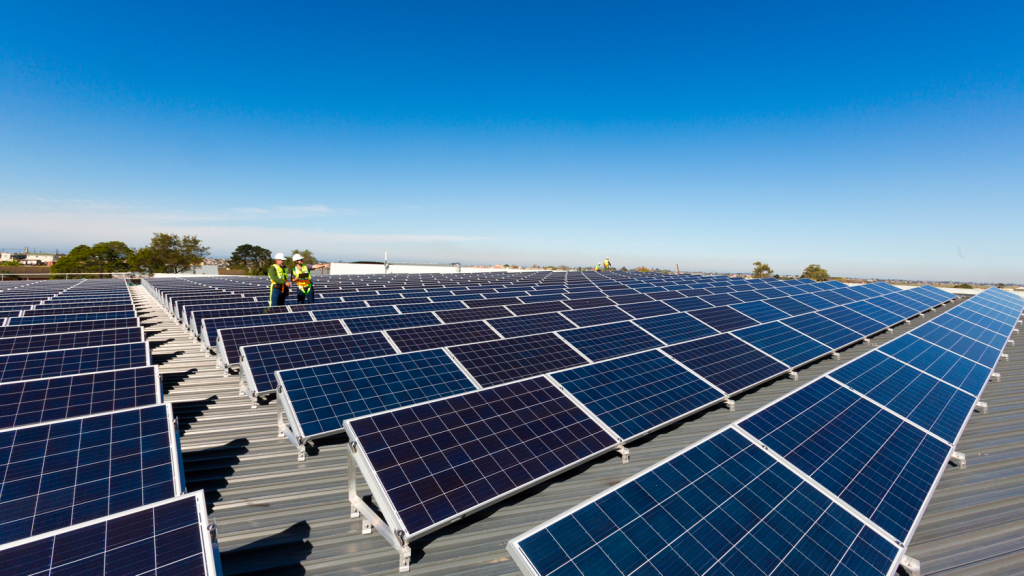
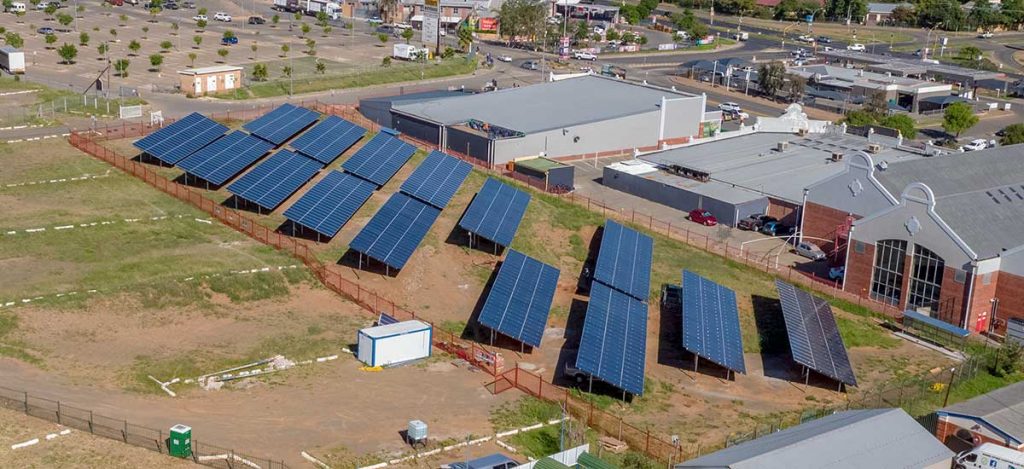
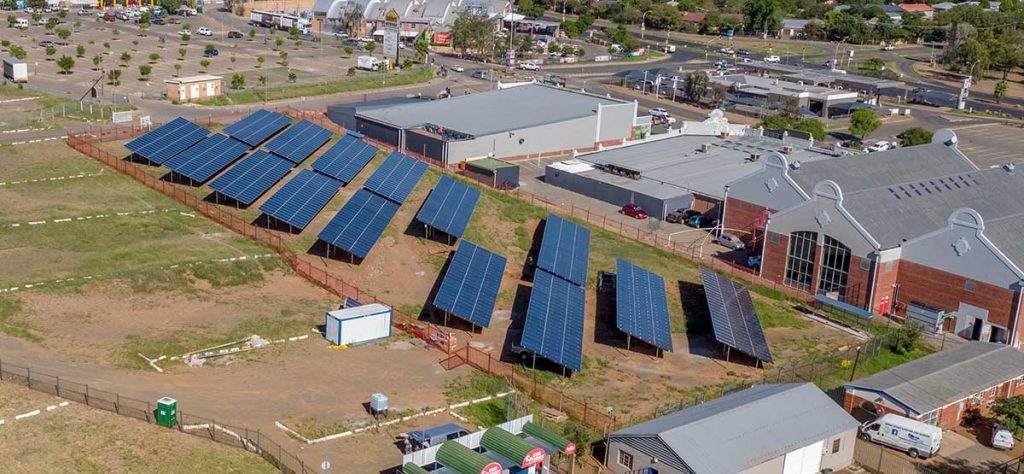
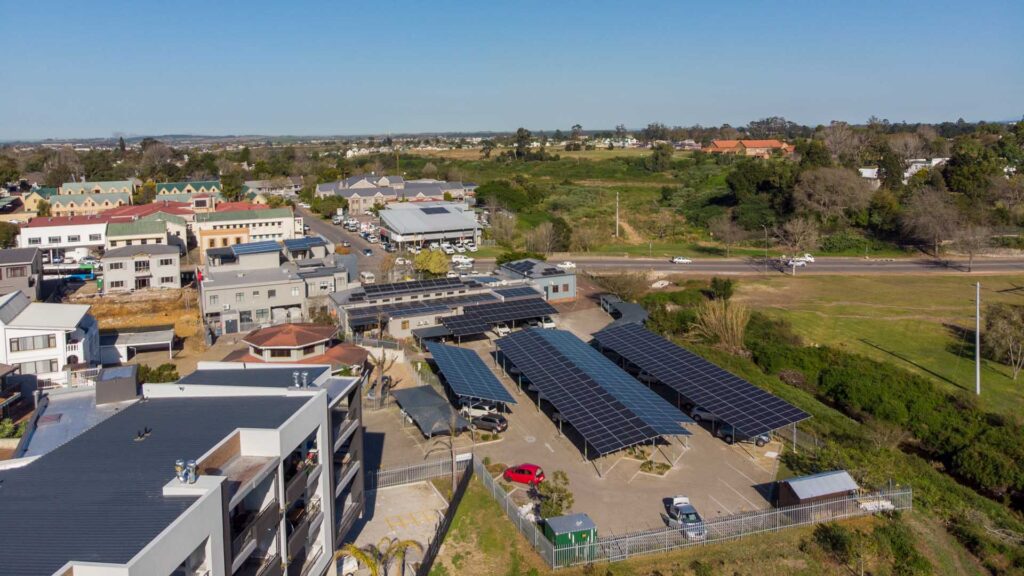
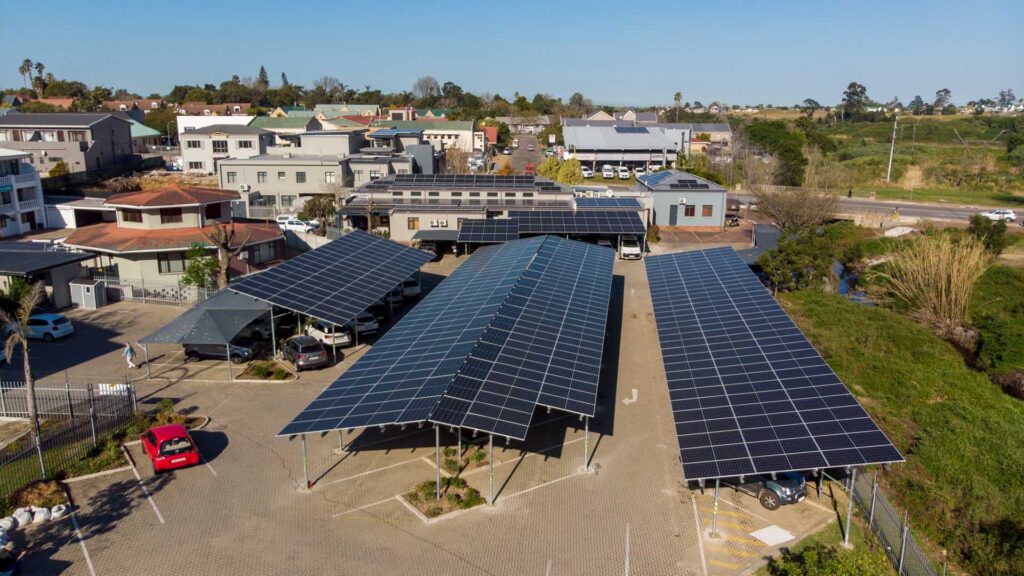
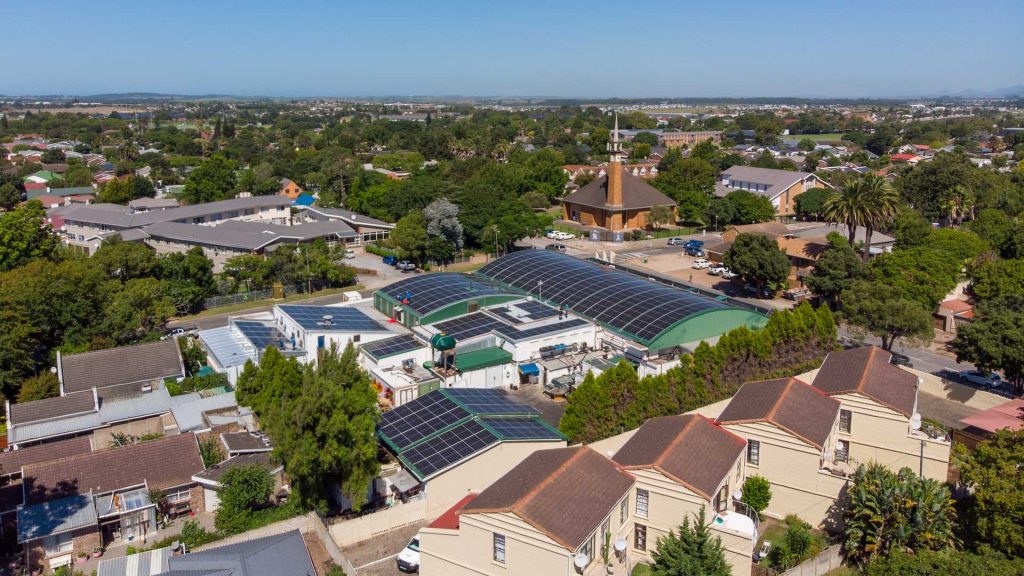
Solar carport and rooftop solar installation at Garden Route Eye Clinic in George
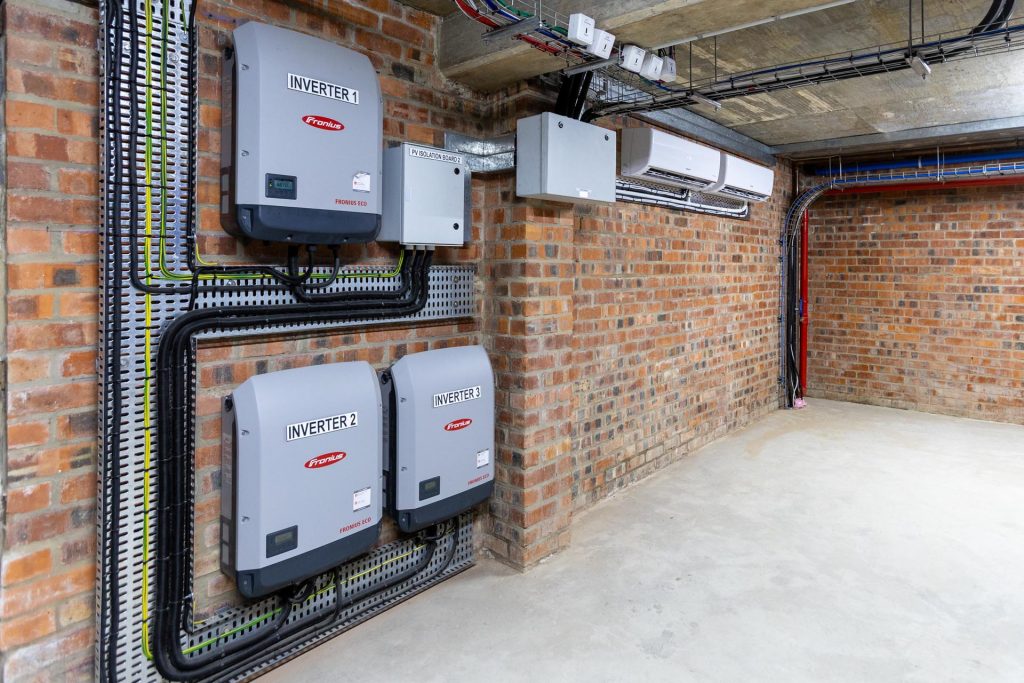
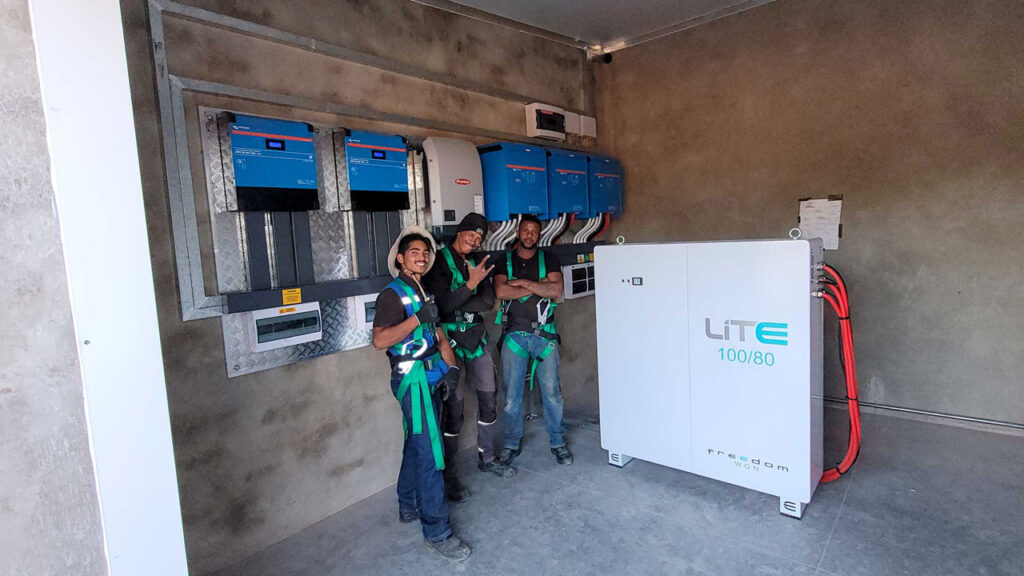
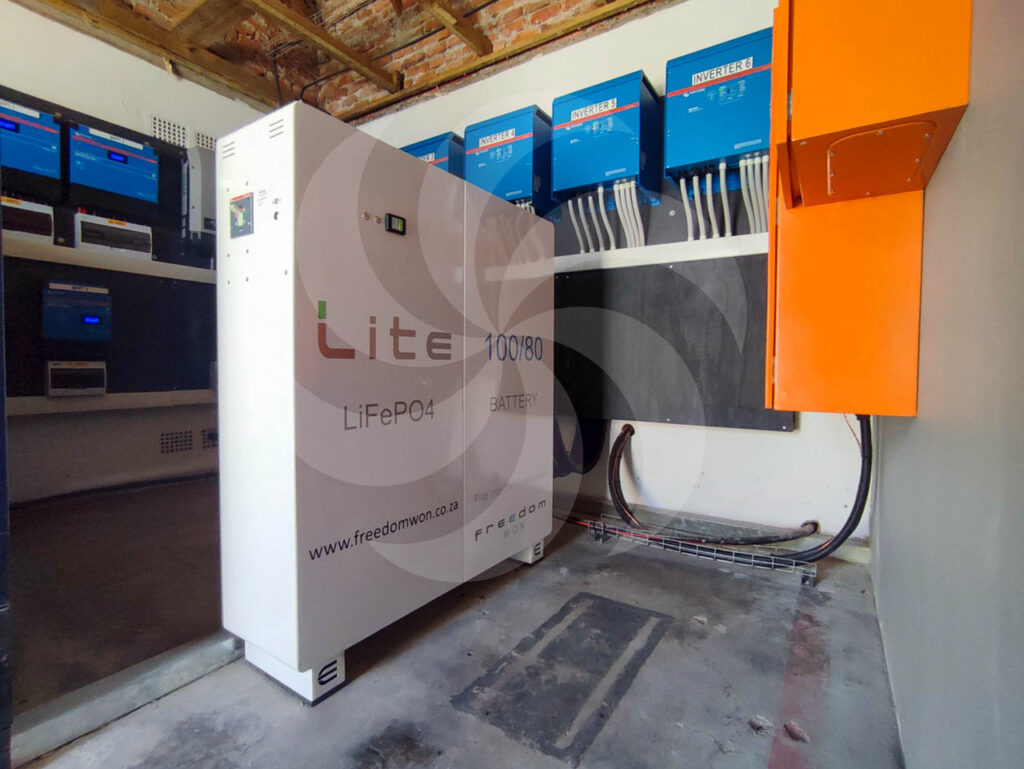
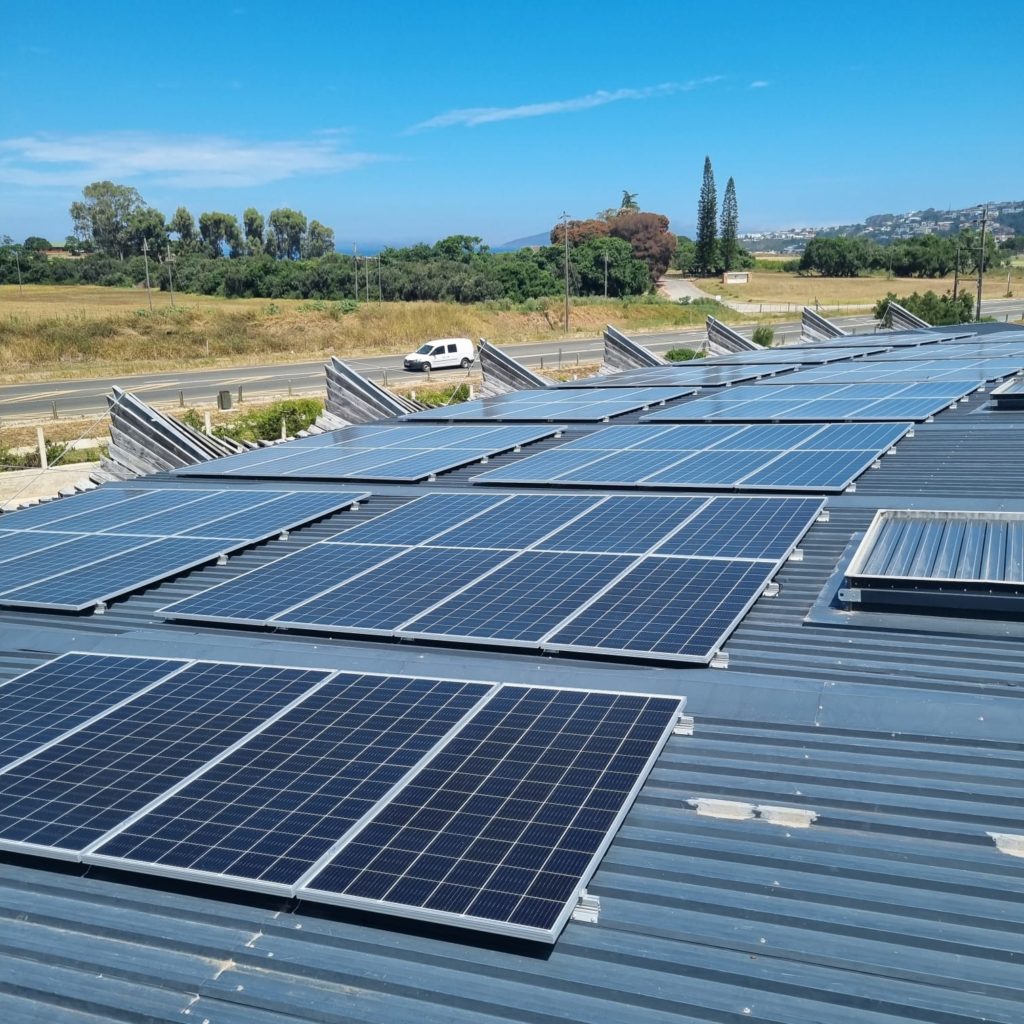
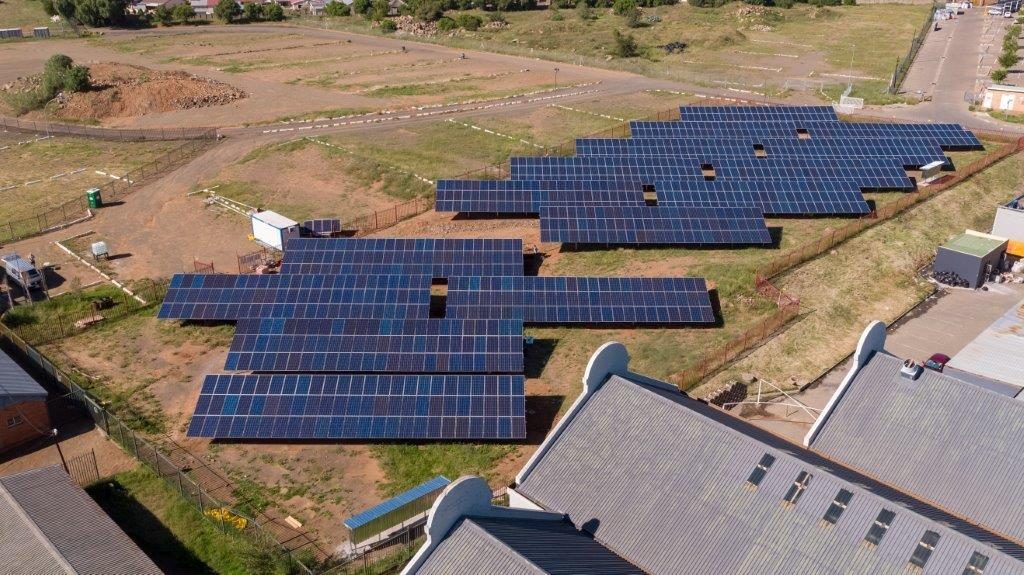
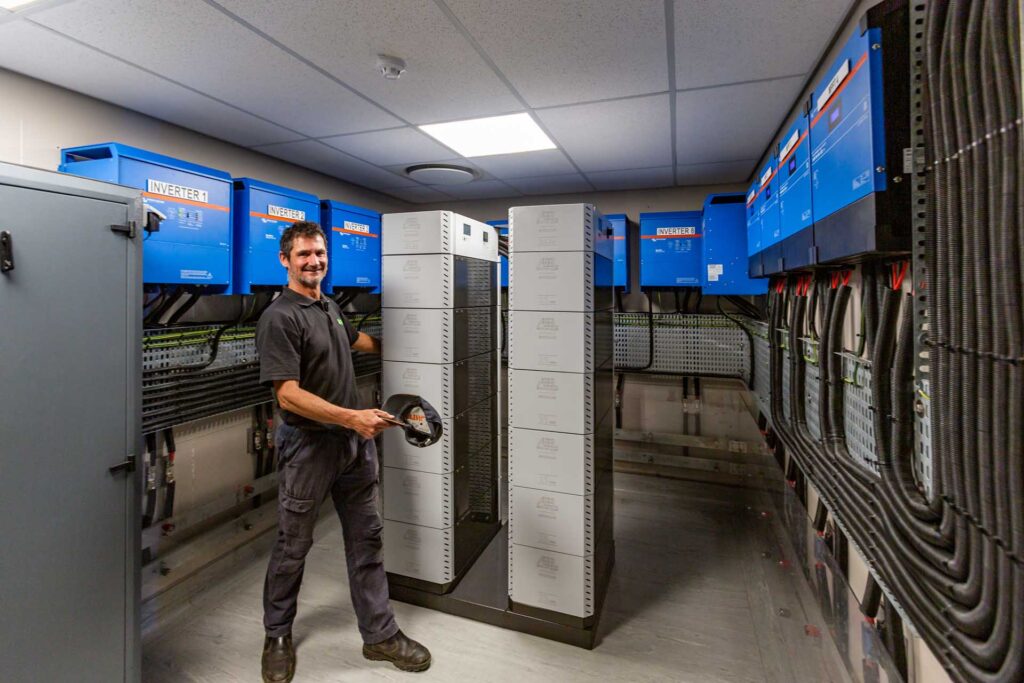
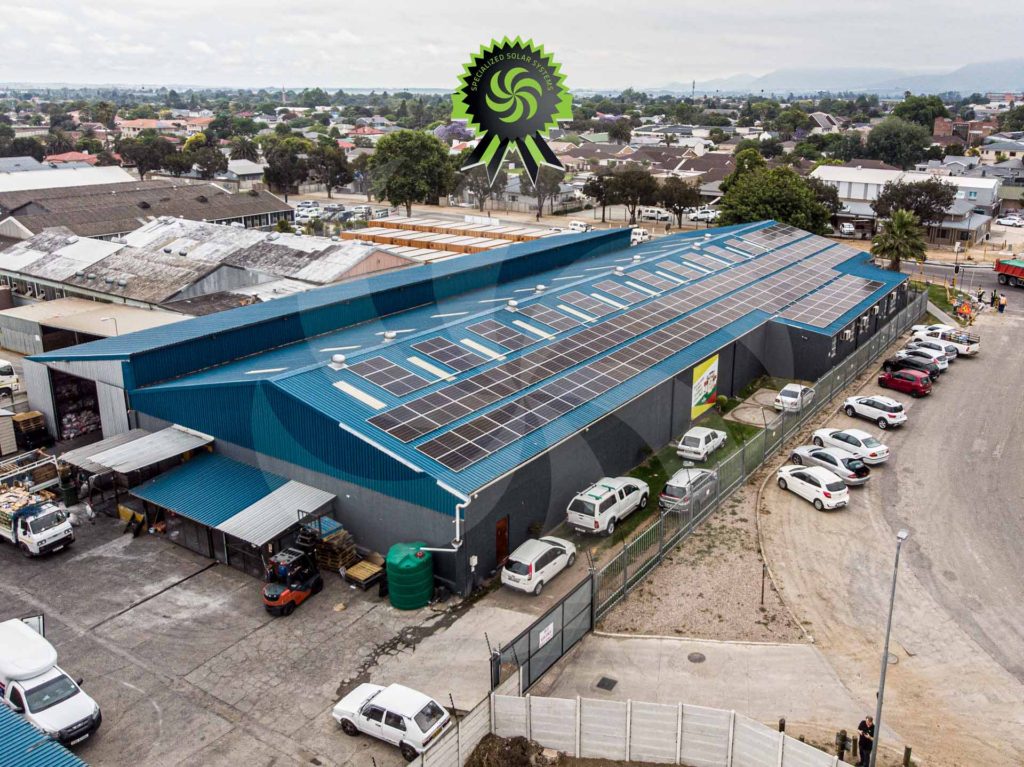
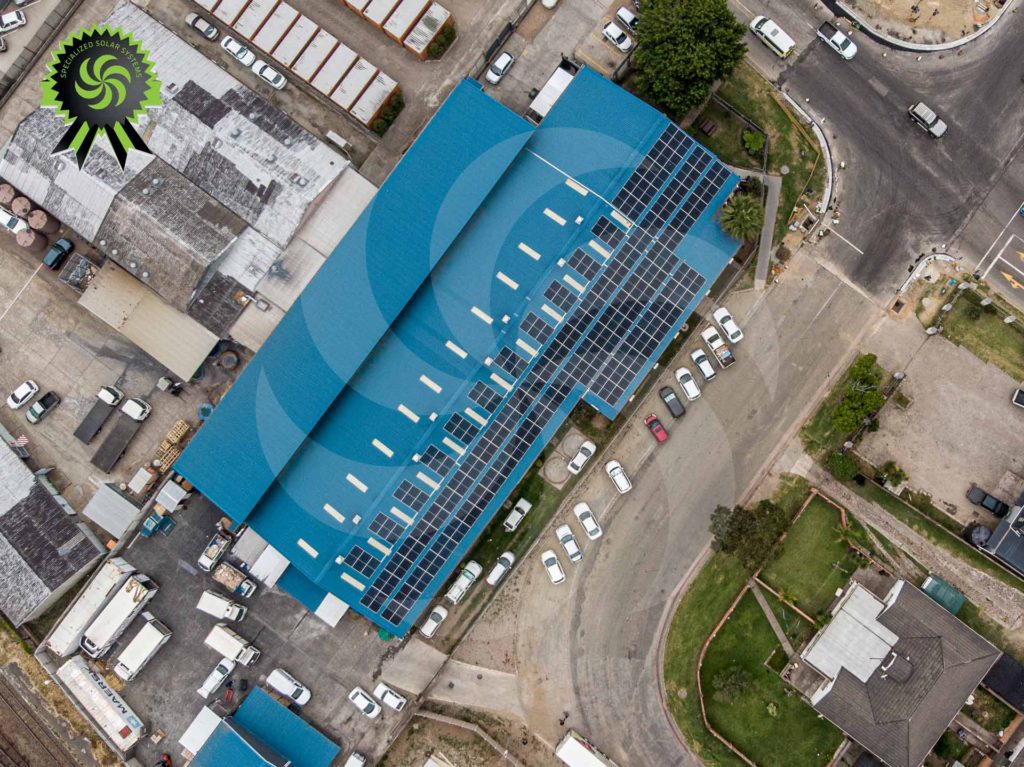
Commercial hybrid solar installation at George Surgical Centre in George

From load-shedding resilience to smarter energy use

When Garden Route Eye Clinic and George Surgical Centre approached Specialized Solar Systems, South Africa was experiencing severe load-shedding.

For healthcare facilities, an interruption is more than an inconvenience. Operating theatres, medical equipment and other critical loads require dependable electricity.

SSS therefore began with separate energy assessments for the two facilities and designed hybrid solar and battery systems around their individual requirements.

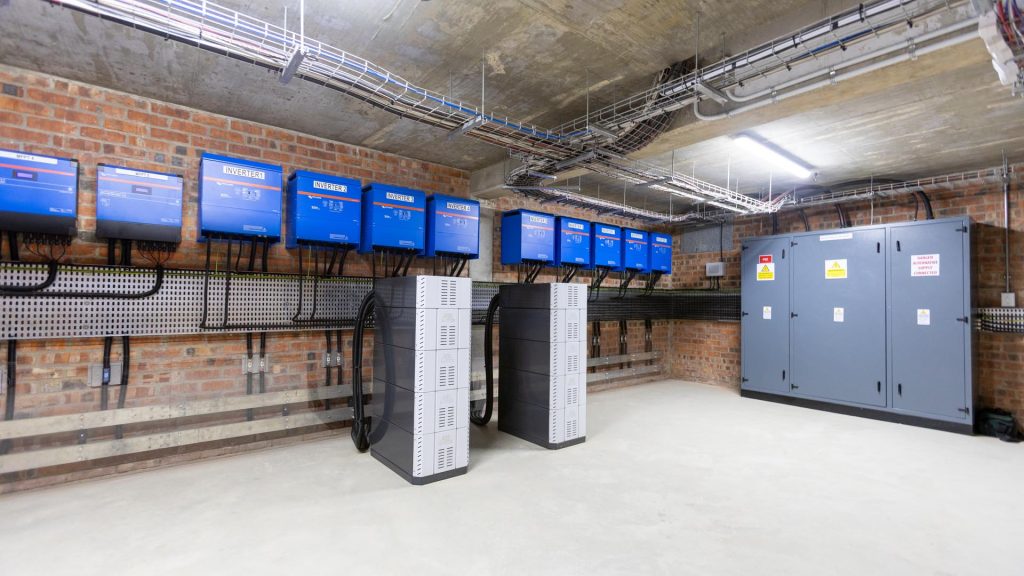
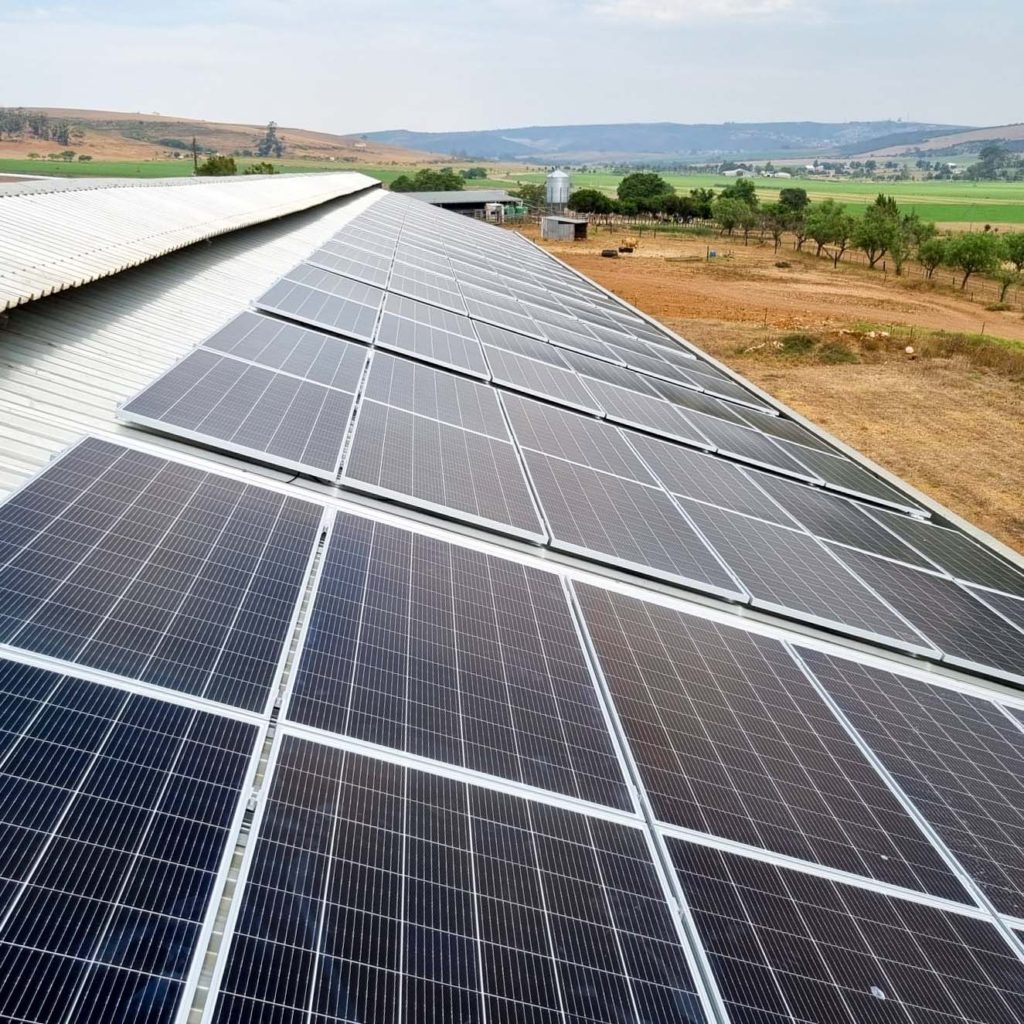
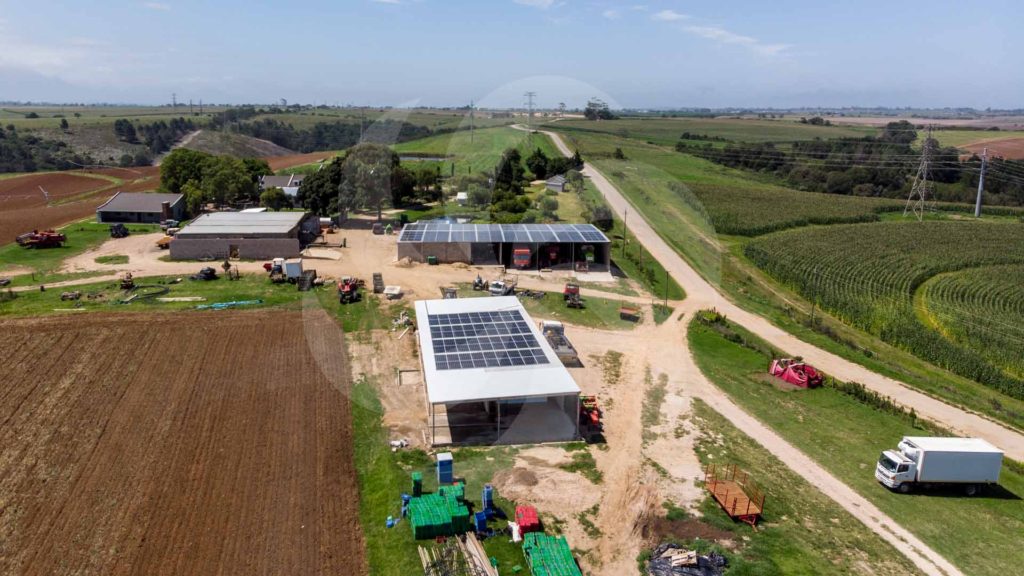
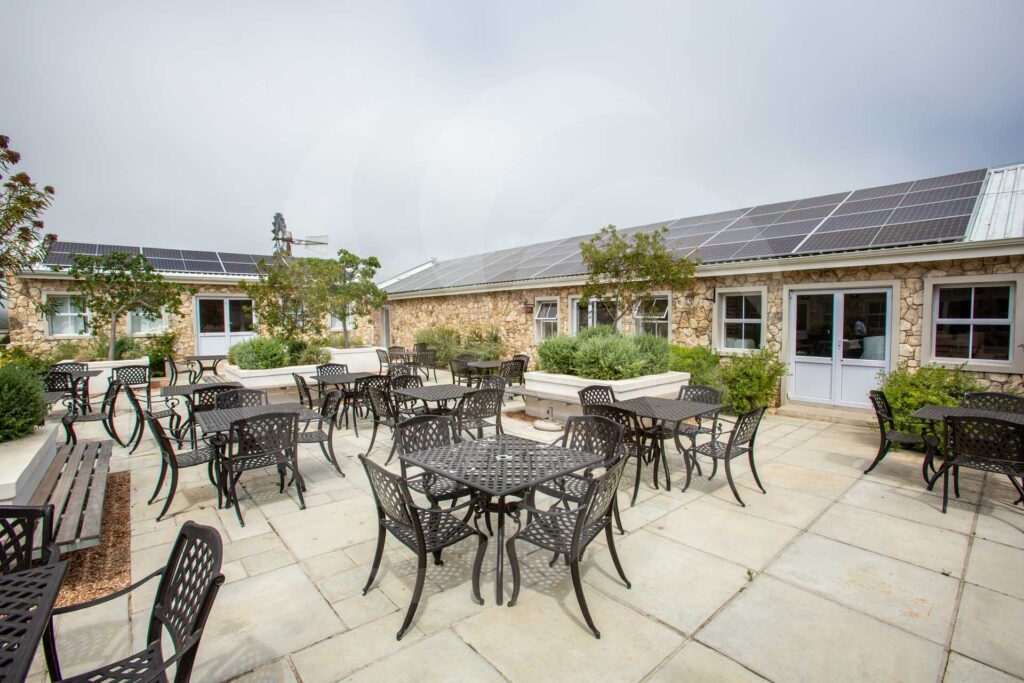
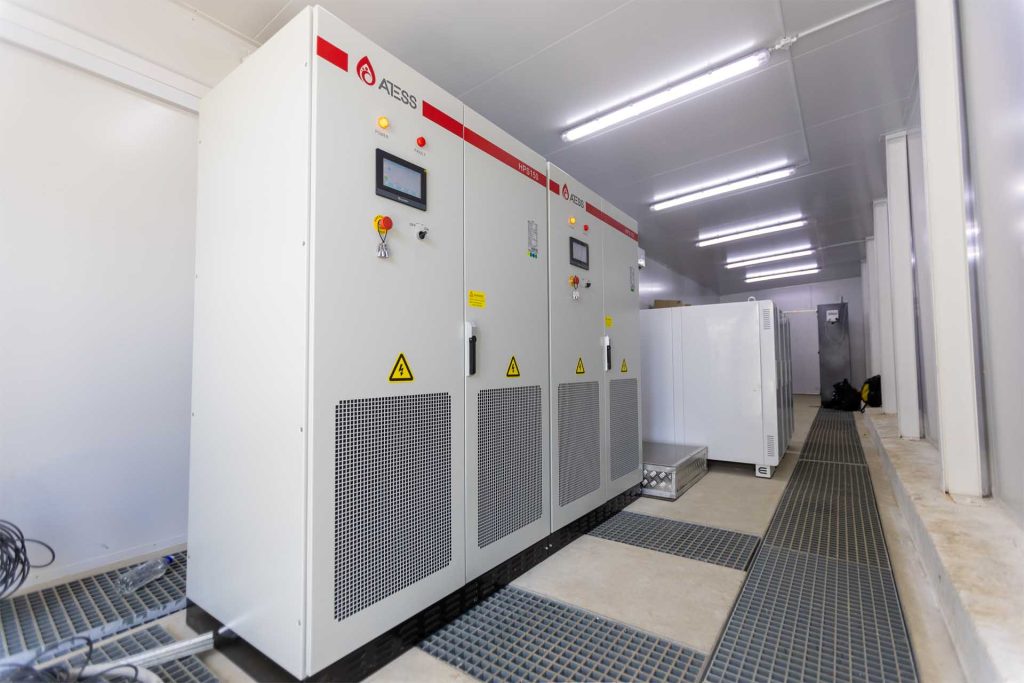
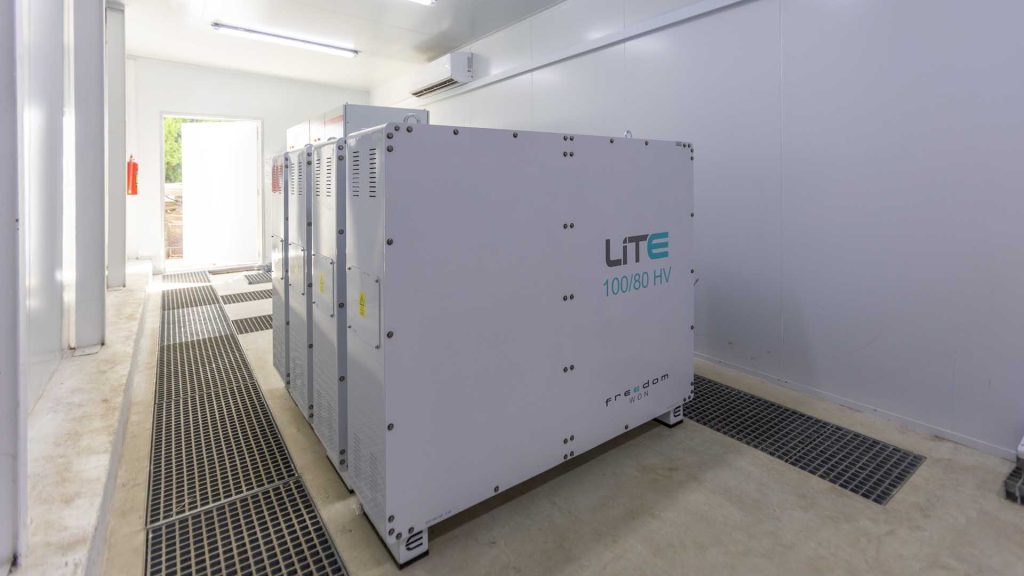
The original installations included a 45 kVA system with 60 kWh battery storage at Garden Route Eye Clinic and a 135 kVA system with 180 kWh storage at George Surgical Centre. Battery capacity was designed to support critical operations through extended outages. The project also incorporated rooftop solar and a solar carport to make productive use of the available space.

But the important part of the story came after commissioning.

Take a closer look at how SSS approached solar, battery storage and energy security at Garden Route Eye Clinic and George Surgical Centre.


When the energy environment changes, the system can change with it

As load-shedding became less frequent, the batteries no longer needed to spend their working lives waiting primarily for the next outage.

Both facilities operate on Time-of-Use electricity tariffs, where electricity costs vary depending on when energy is consumed.

Because the systems were designed with monitoring and controllable battery storage, SSS could adapt the operating strategy. Batteries could be charged and discharged around tariff periods, allowing stored energy to help reduce expensive peak-time grid consumption while still maintaining the required backup reserve.

That is an important distinction.

The hardware did not suddenly become less useful because the grid improved. Its job changed.

The project was also designed with future growth in mind. The original case study records a further 90 kVA expansion planned for George Surgical Centre as the facility expanded. SSS’s updated 2026 commercial project showcase records the healthcare installation as three systems totalling 270 kVA, 339 kWp of PV and 240 kWh of battery storage.


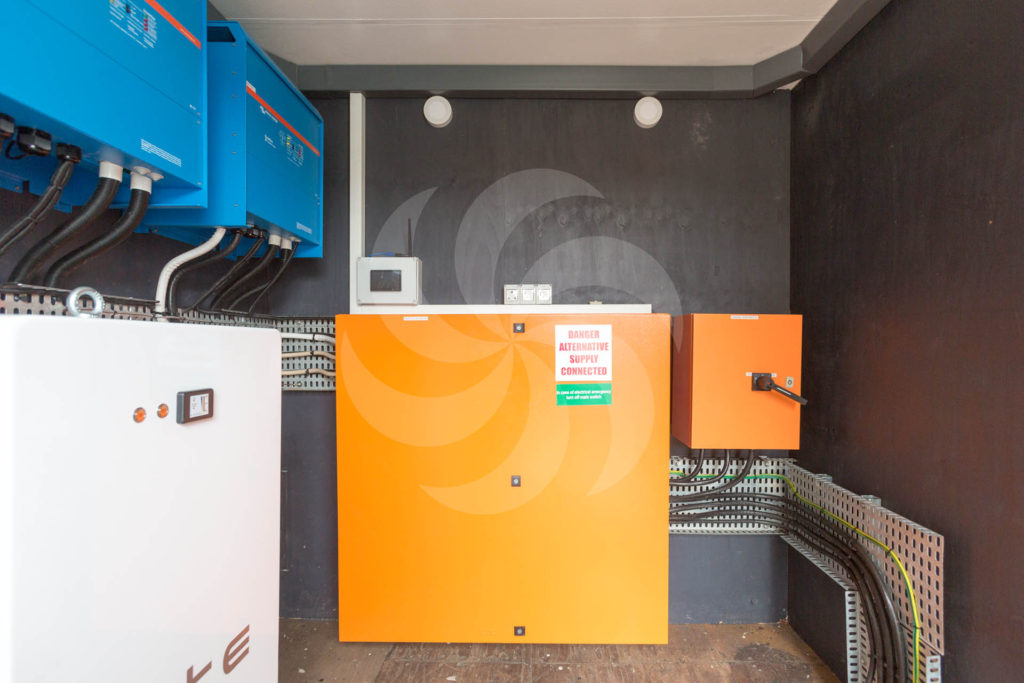
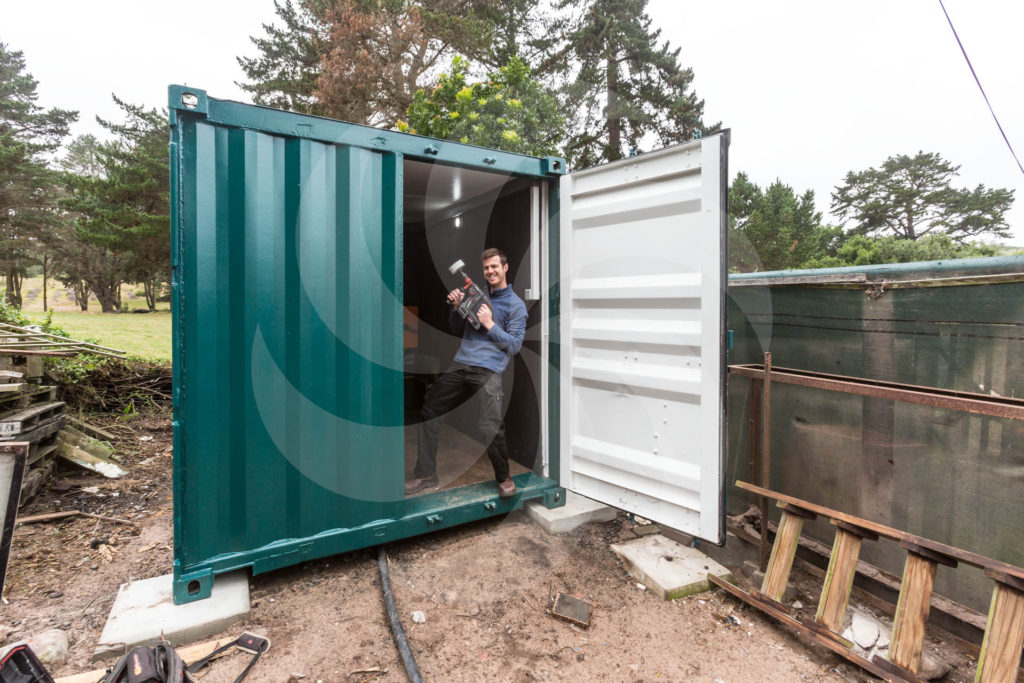
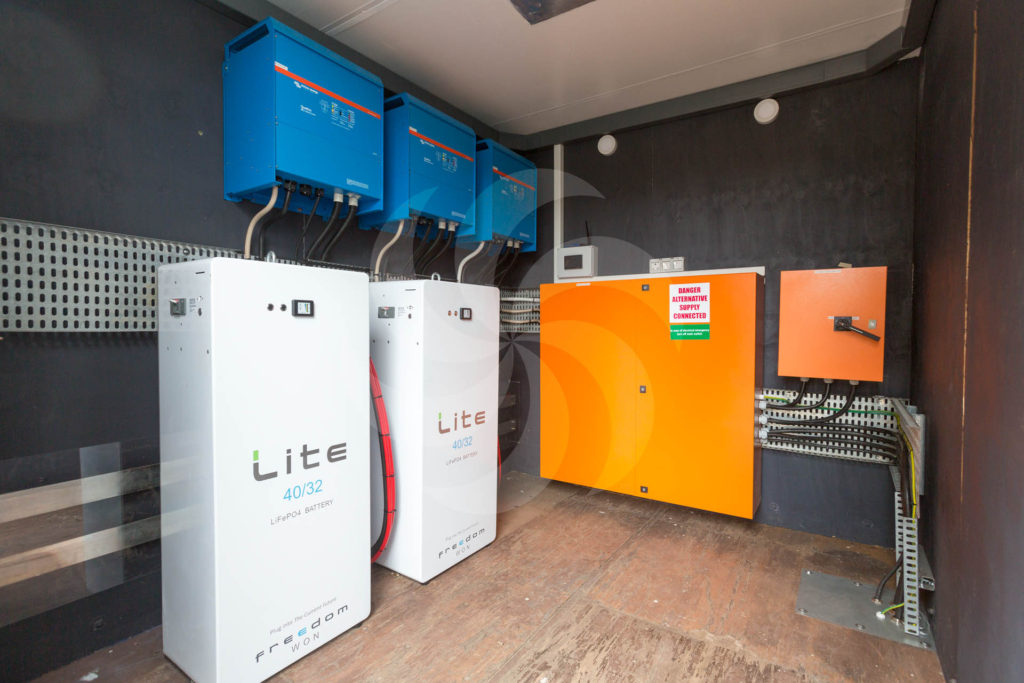
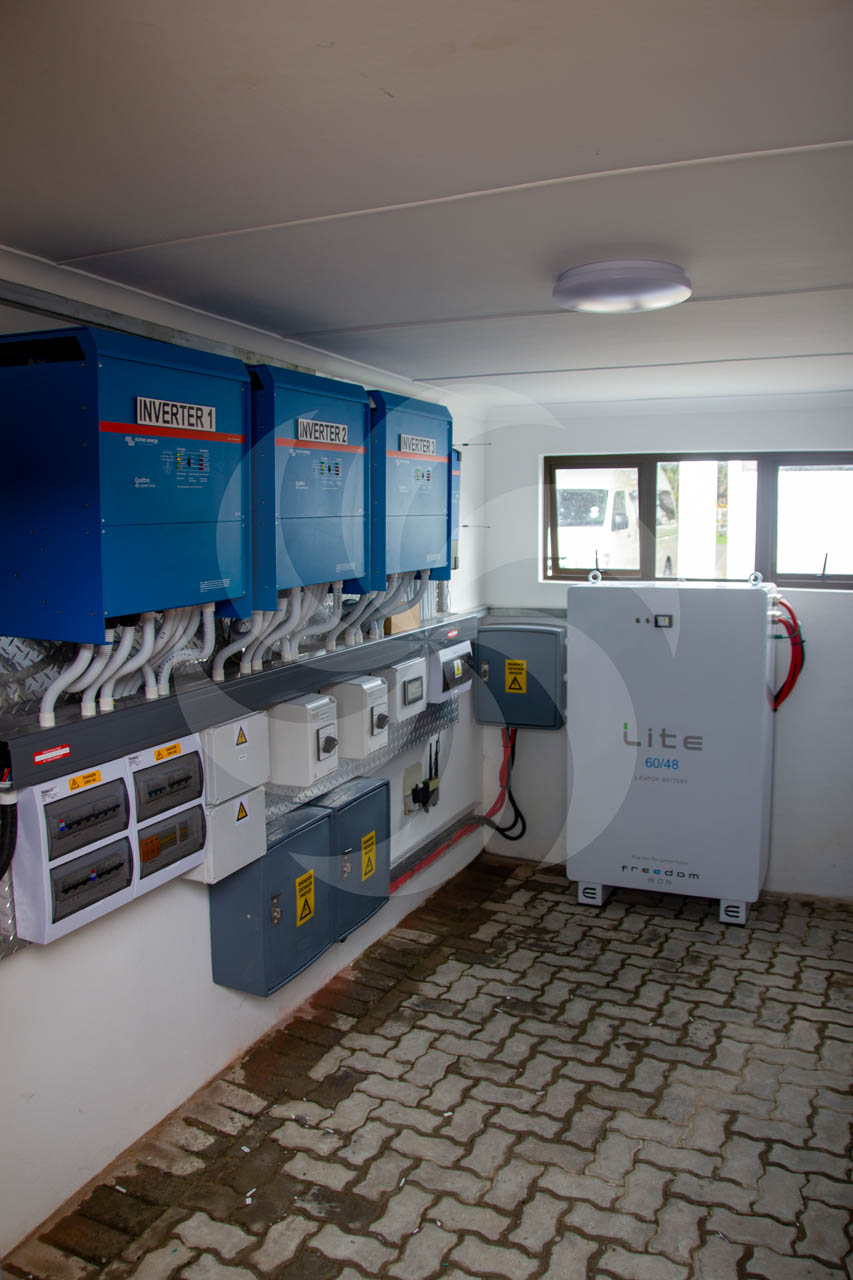
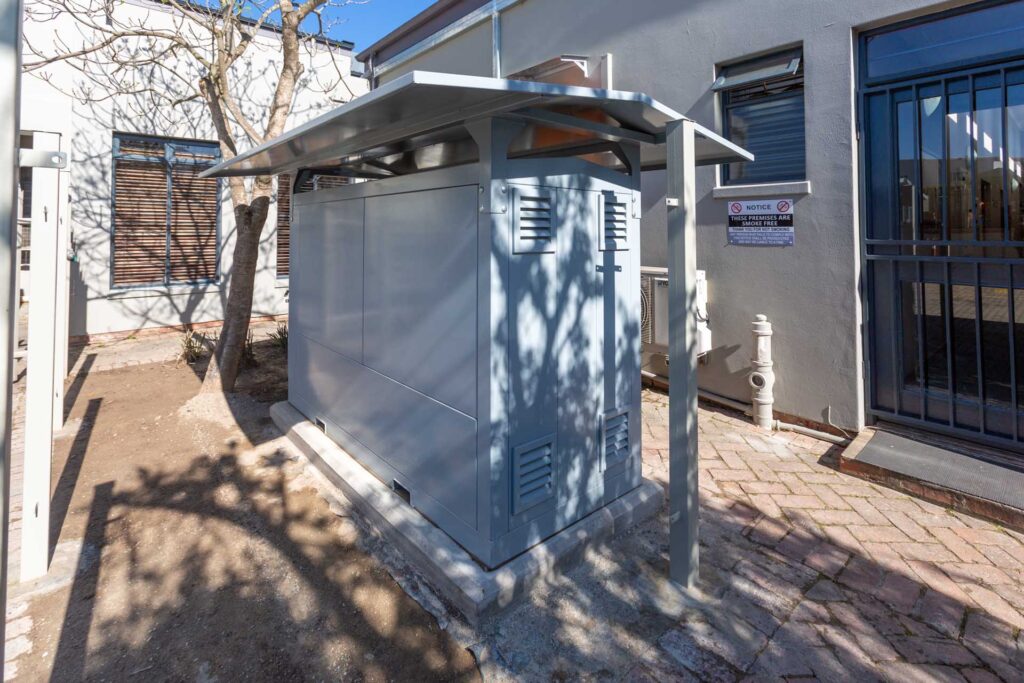
Commercial hybrid solar EnergyPOD installation at Surgical Eye Clinic in George

Start with today, but design for tomorrow

The same principle can be seen elsewhere in SSS’s commercial work.

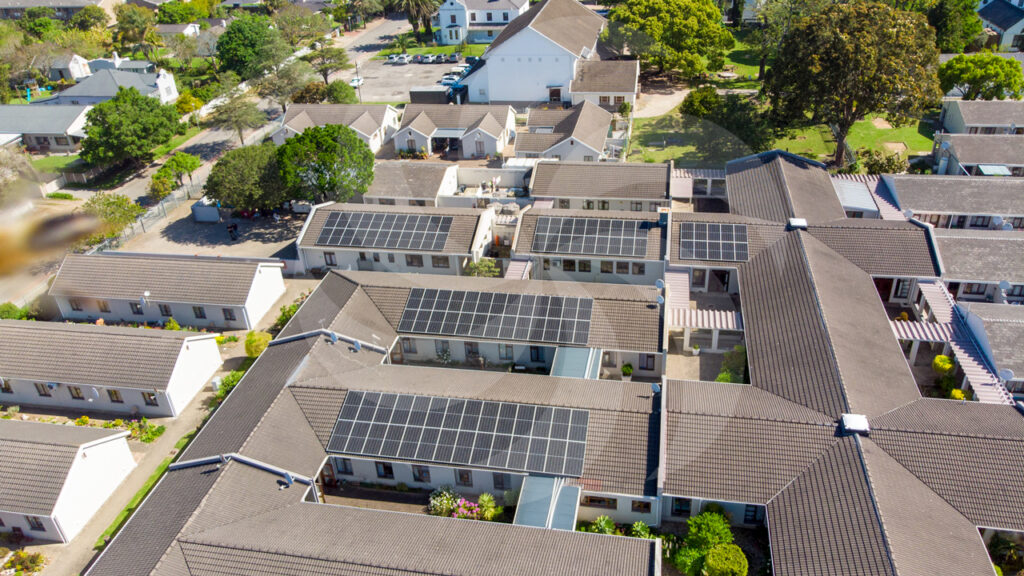
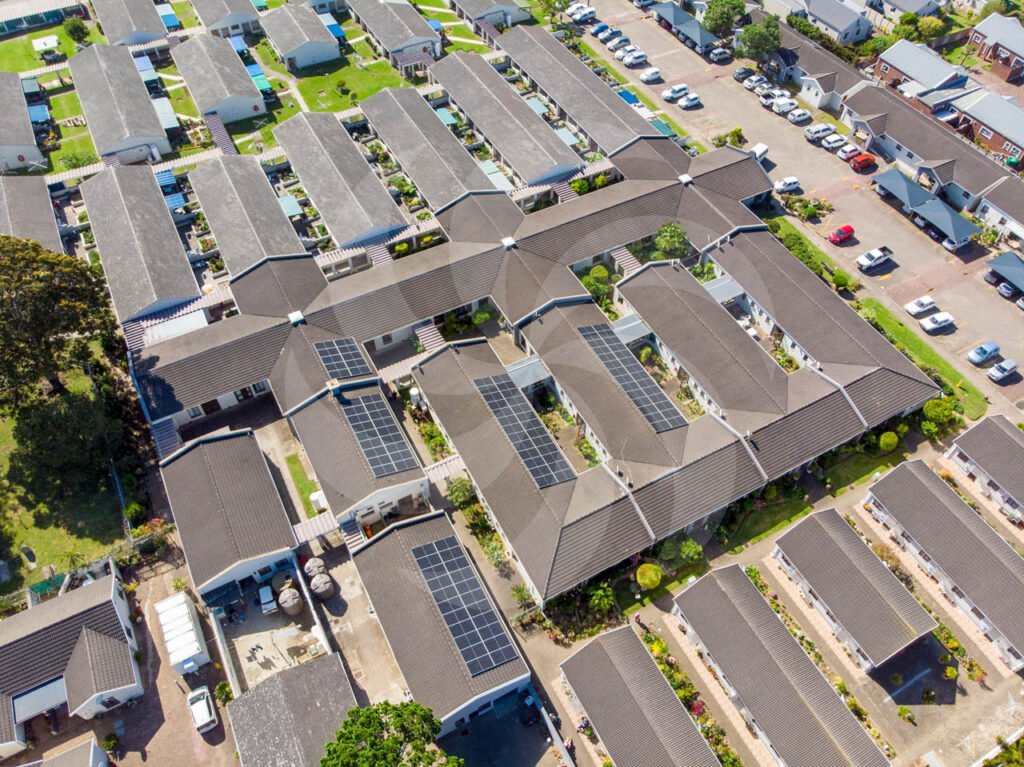
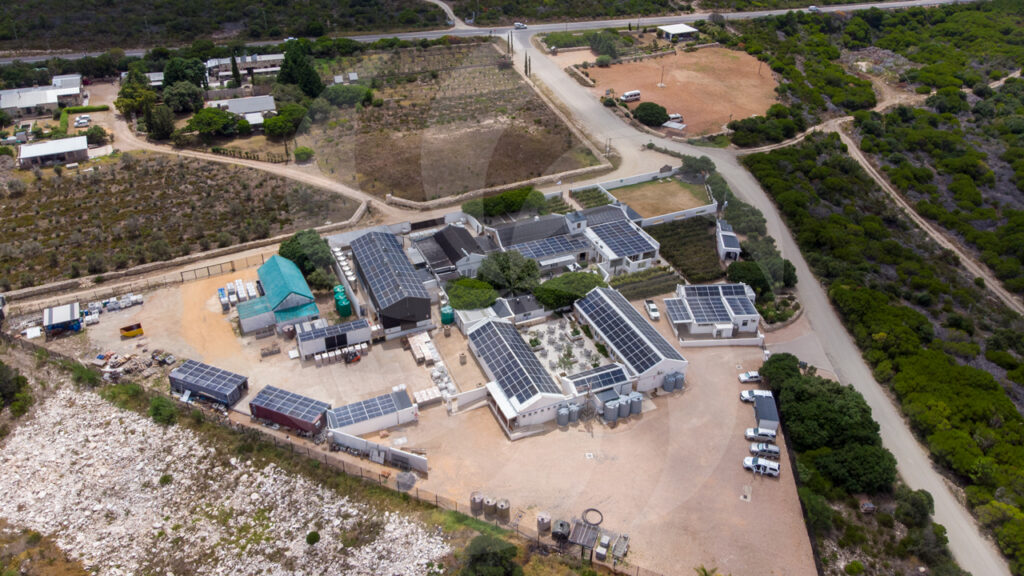
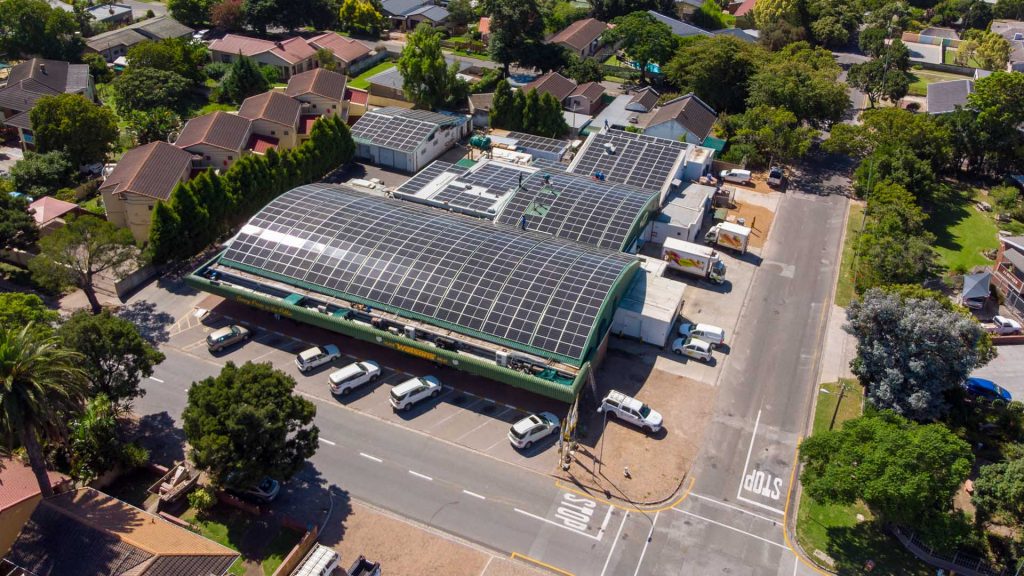
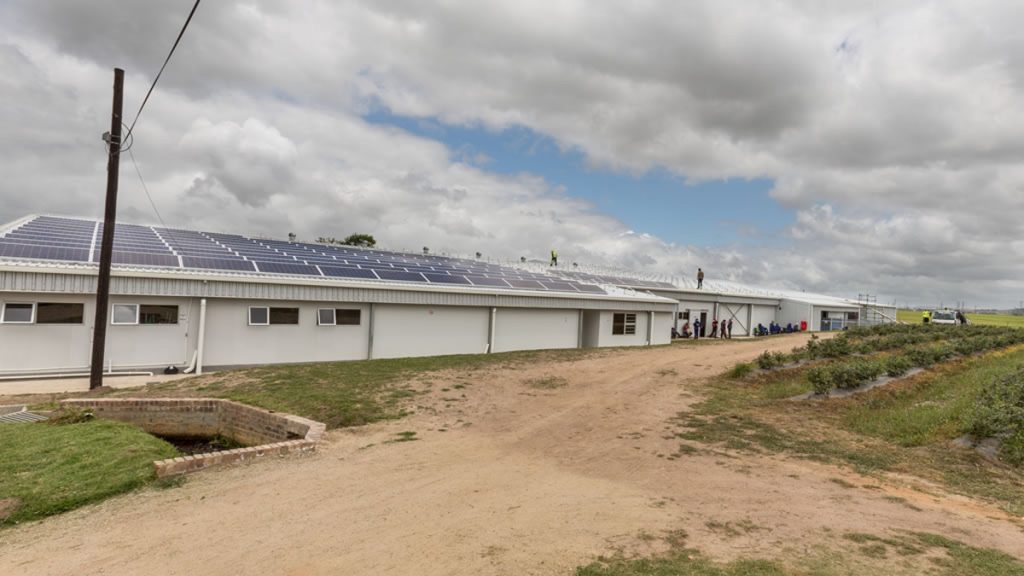
At Huis Harmonie Retirement Home in George, a 45 kVA EnergyPOD system combines 53.44 kWp of rooftop solar with 49.2 kWh of battery storage. The project was configured with intelligent charge and discharge scheduling to help reduce peak-tariff electricity use, while an additional 16.4 kWh battery expansion was already planned in the 2026 project specification.

The requirement here is different from a surgical facility, but the engineering principle is the same:

build enough flexibility into the system to respond when the customer’s energy needs change.


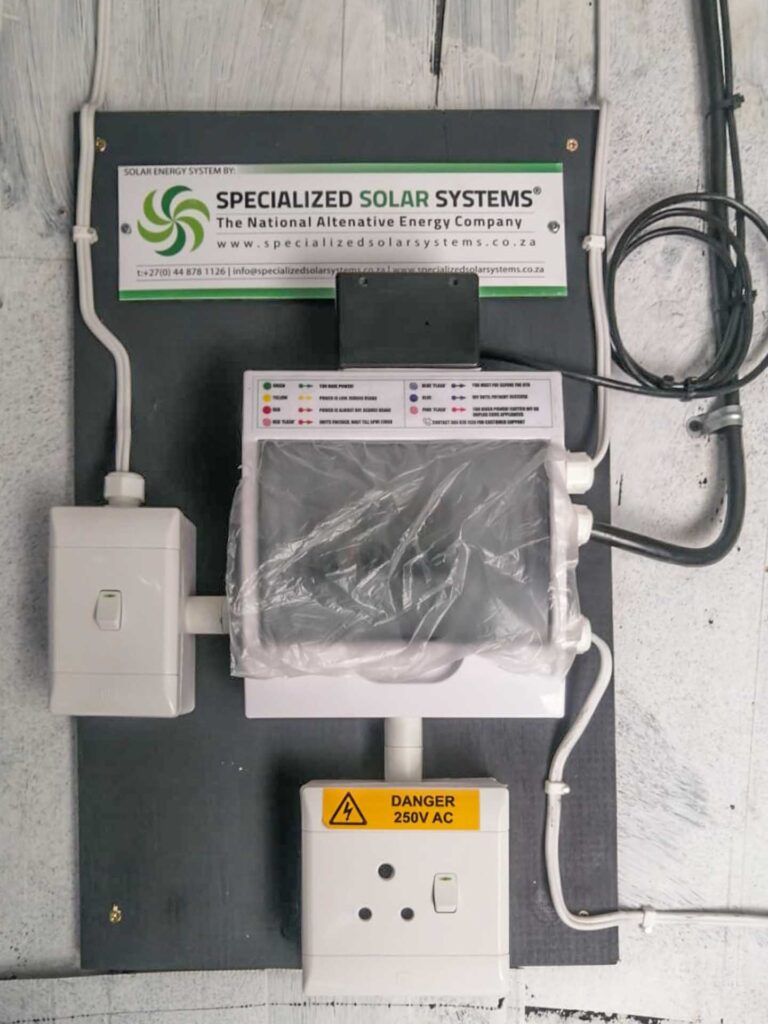
45 kVA energyPOD solar and battery system installation with Wi-Fi for managing smart geysers  at Huis Harmonie Retirement Home in George, Western Cape

What should a commercial solar system be able to adapt to?

For a business, farm, healthcare facility or hospitality operation, energy requirements rarely remain static.

A well-planned system should consider:

  • changes in electricity tariffs and Time-of-Use periods;
  • increases or changes in daytime loads;
  • future buildings or equipment;
  • additional solar-generation capacity;
  • compatible battery expansion;
  • generator integration;
  • changing backup requirements;
  • peak-demand management; and
  • ongoing monitoring of actual system performance.

Importantly, expansion should never simply mean adding another battery or more panels. Compatibility, inverter capacity, battery age and condition, protection, firmware, available PV capacity and the original system design all need to be considered before an existing installation is expanded.

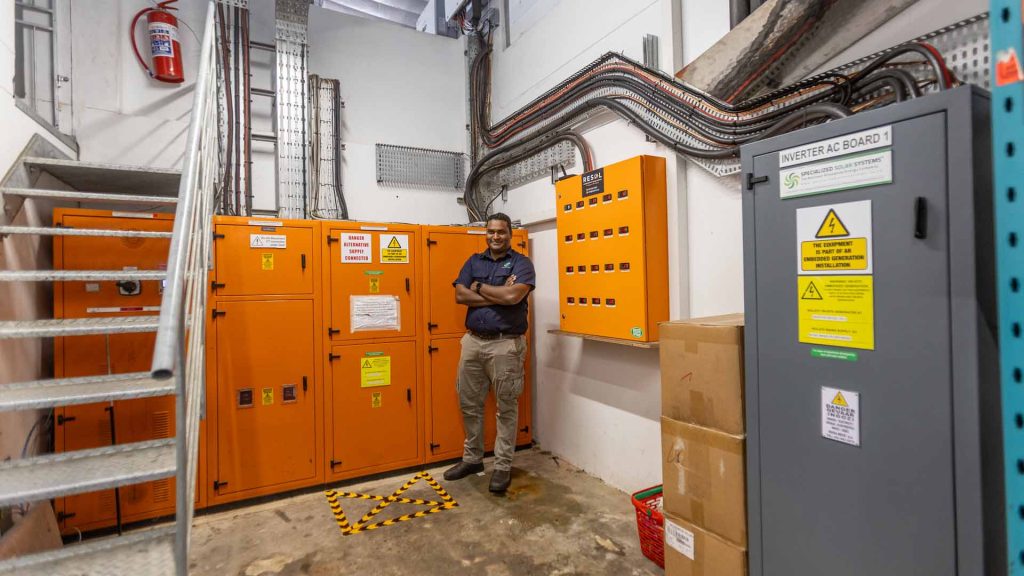
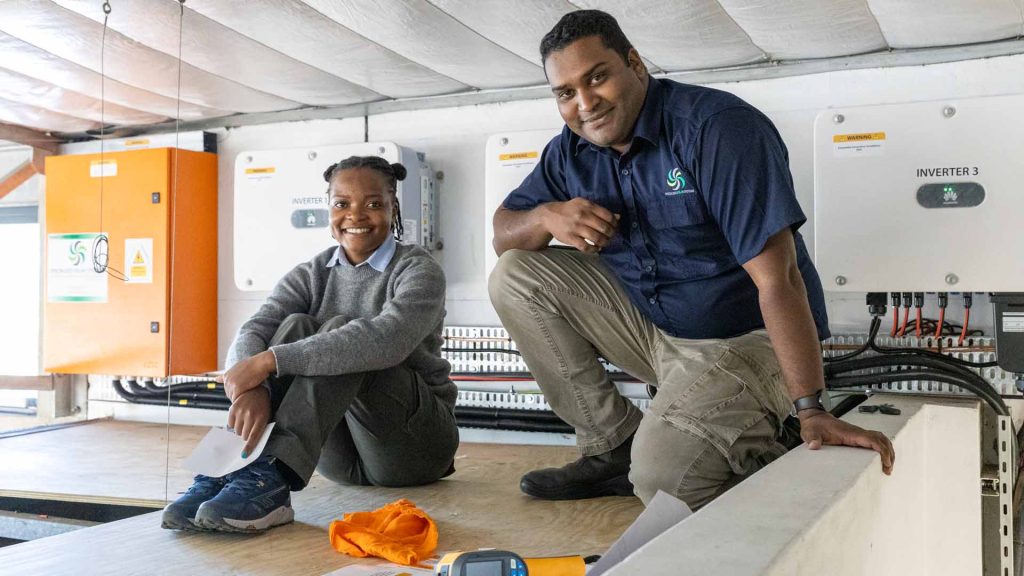
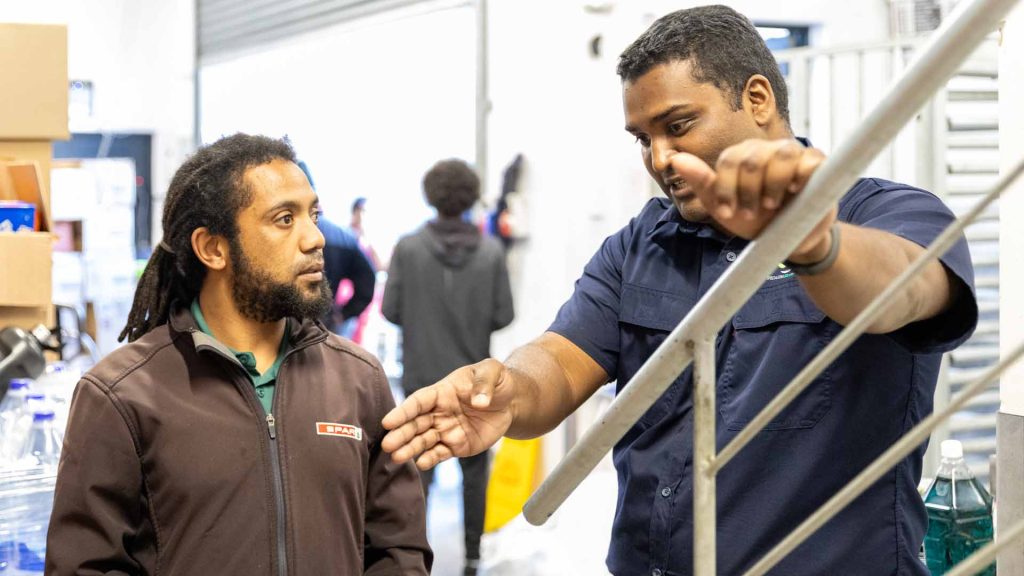
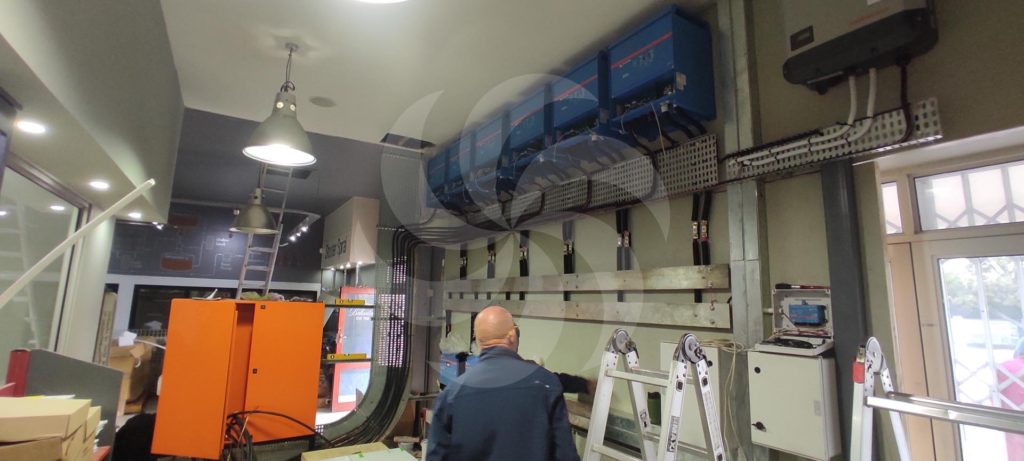
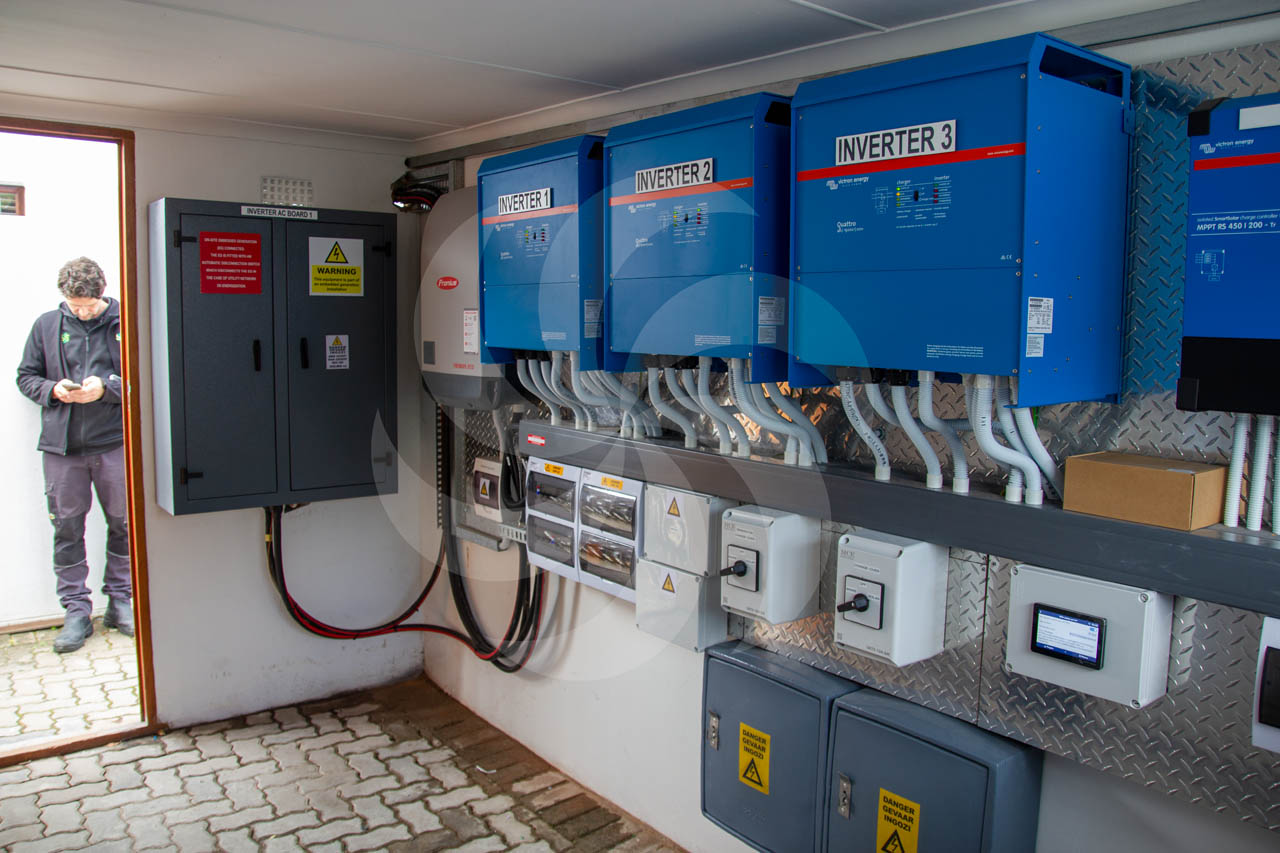
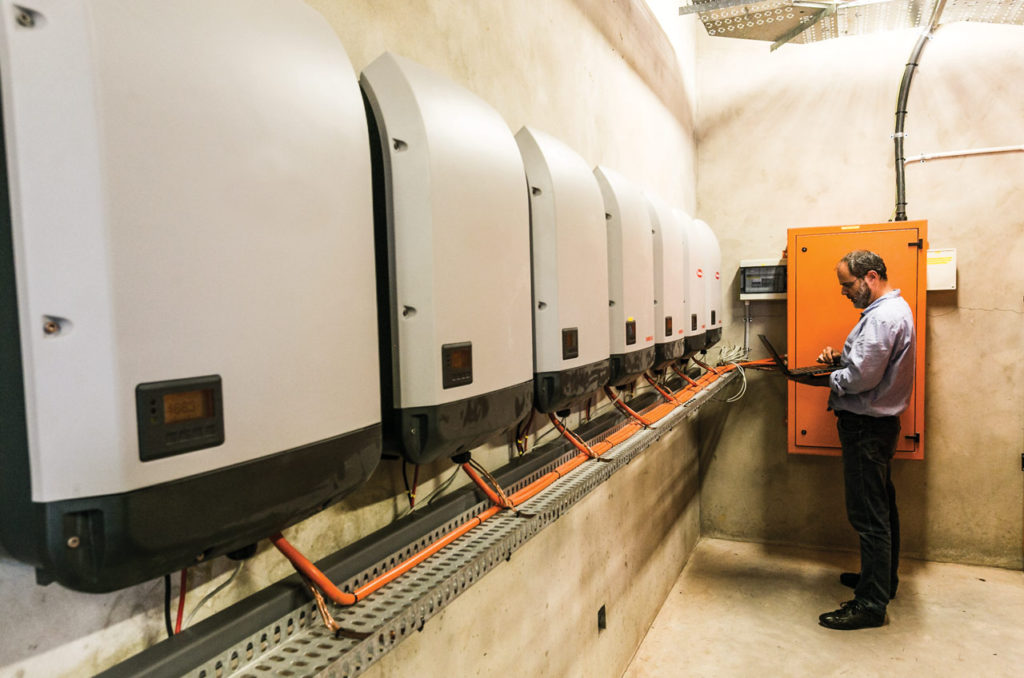
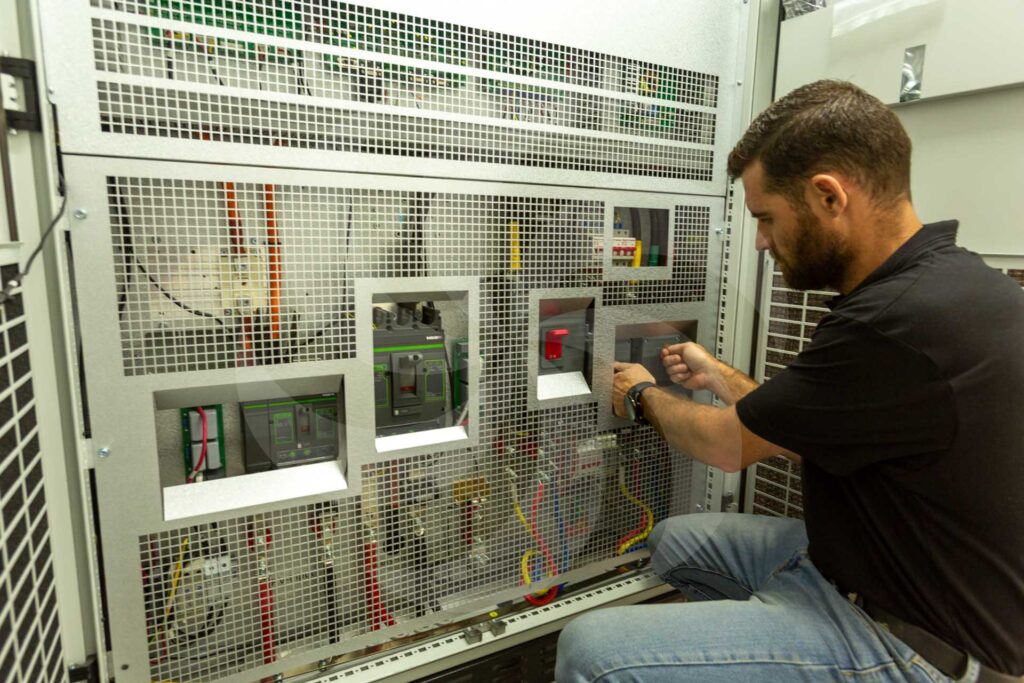
SSS technician reviewing electrical system data on a laptop for a commercial energy installation
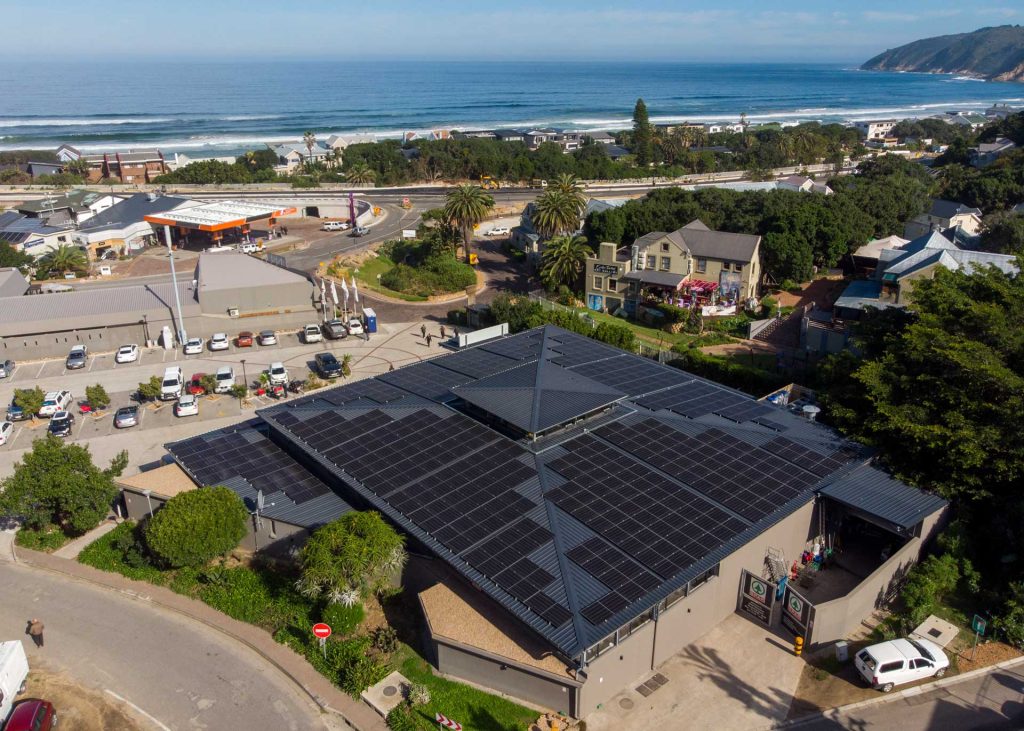
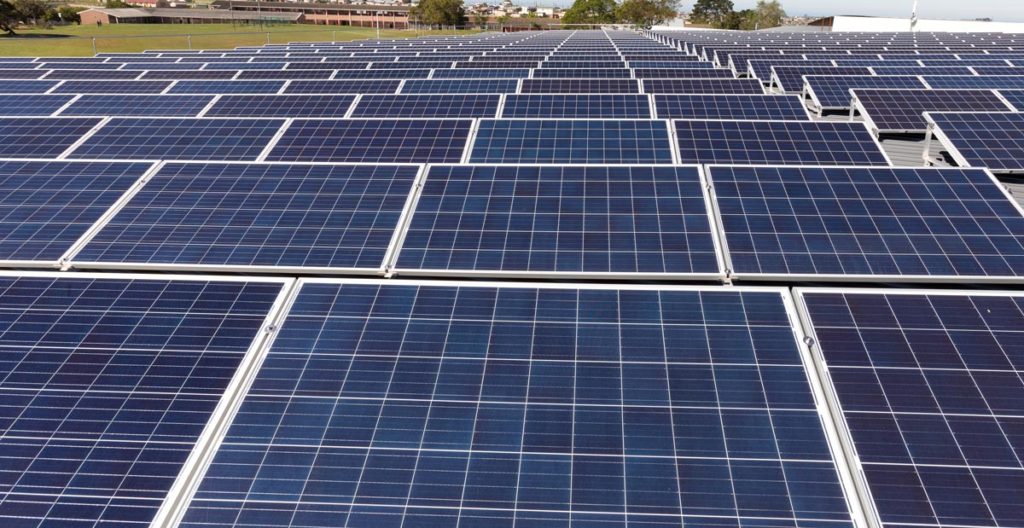
Commercial hybrid solar installation at Surgical Eye Clinic in George

Monitoring turns an installation into an energy asset

The design is only the starting point.

Once a commercial system is operating, real data can show how the site actually consumes electricity, how much solar is being used directly, when batteries are charging and discharging, and where peak demand occurs.

That information can reveal whether the original operating strategy still makes sense.

Sometimes the correct response is more storage or additional solar. Sometimes it is changing when equipment operates. Sometimes it is simply changing system settings.

The objective should not be to add more hardware.

It should be to get more value from the energy system already installed.

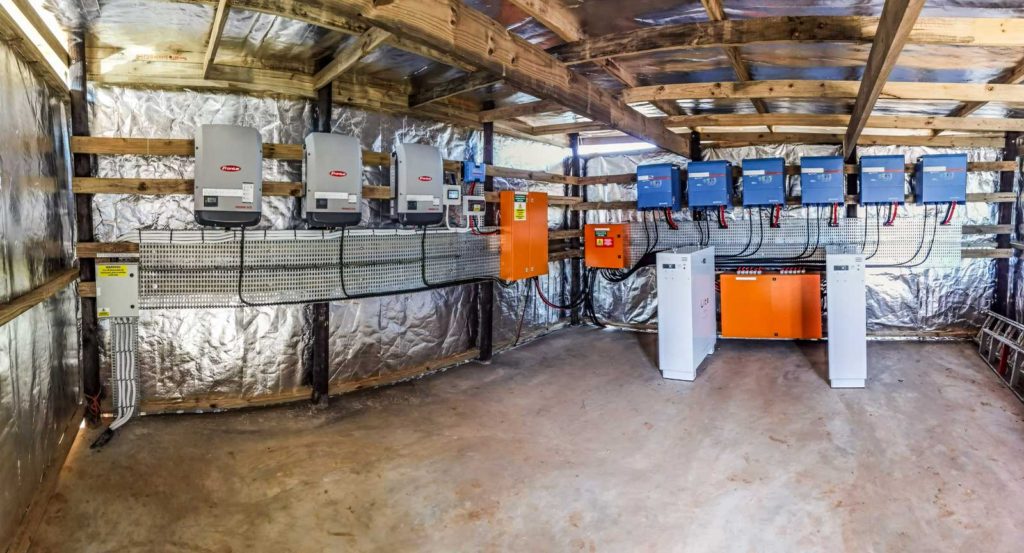
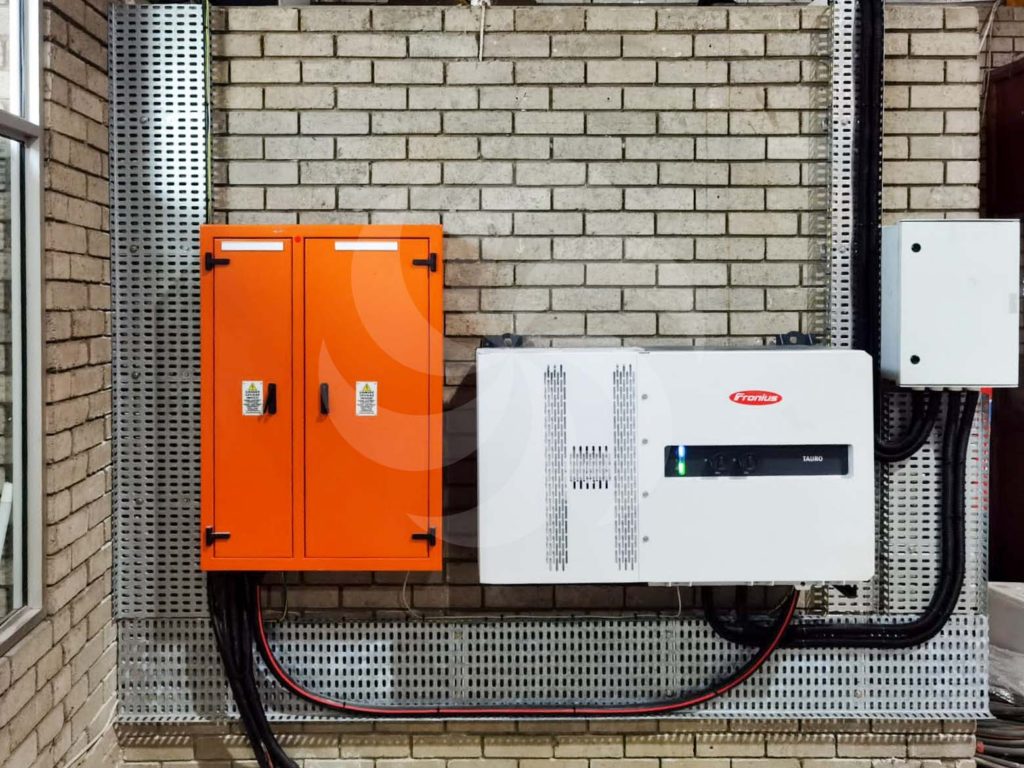
SSS’s current energyPOD platform reflects the same philosophy. The range supports grid, solar and generator integration, AC- and DC-coupled configurations, remote monitoring and scalable multi-unit operation, allowing systems to be configured around different applications and expanded where the engineering supports it.

Solar should keep working for the customer

The South African electricity environment will continue to change.
Grid reliability, tariffs, operating costs and the way businesses use electricity will not stay exactly as they are today.
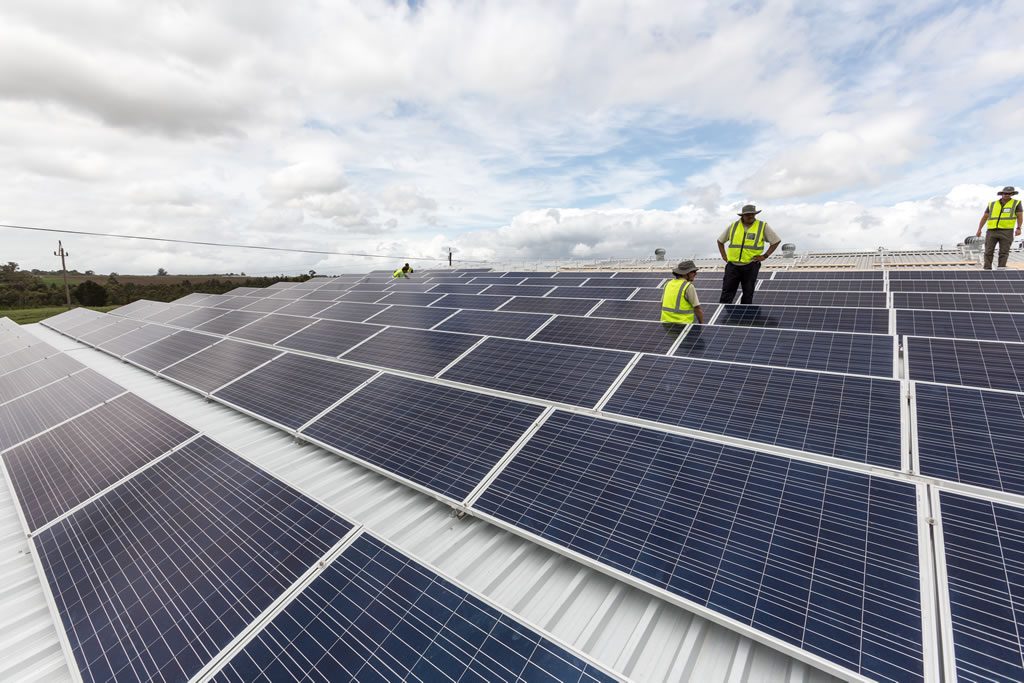
A good commercial solar system should therefore do more than solve the problem that existed on installation day.

It should be designed to remain useful as the problem changes.

For Specialized Solar Systems, that means understanding the load first, designing with the future in mind, monitoring performance after commissioning and helping customers adapt their systems when their energy requirements change.

Because the installation is not the end of the energy plan. It is the beginning.

For commercial, agricultural or institutional energy planning, contact Specialized Solar Systems to discuss your load profile, existing system or future expansion requirements.

More Than Solar. Powering Possibility.


Plan your next stage with Specialized Solar Systems

Start with your current energy profile, operating requirements and future plans. Our commercial team can help identify where solar generation, battery storage, monitoring and control may fit into a longer-term energy strategy.