Rising Eskom tariffs? Hybrid solar systems on promo
Expertly engineered, pre-assembled, and professionally wired for long-term performance using trusted Victron and storageDOCK lithium battery tech.
Explore Systems

Storm-Ready Solar: When the Grid Is Stable but the Weather Isn’t

If the electricity went off tonight, what would keep running and for how long?

The fridge? Your internet connection? Security systems? The pumps or cold room your business depends on?

Storm-ready solar starts with knowing those answers. It is not about assuming that panels and batteries make a property immune to disruption. It is about understanding what your system can deliver before you need it.

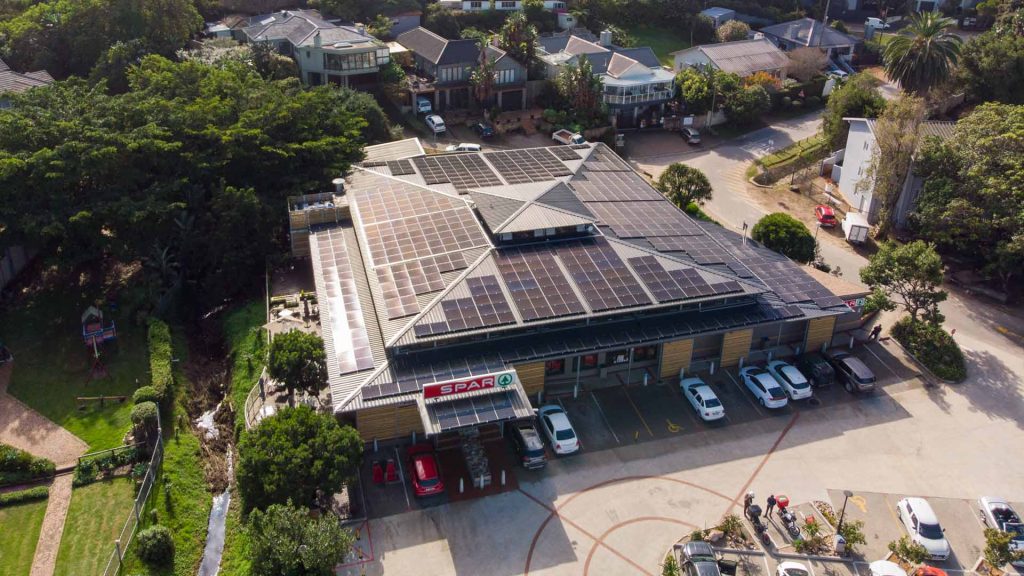
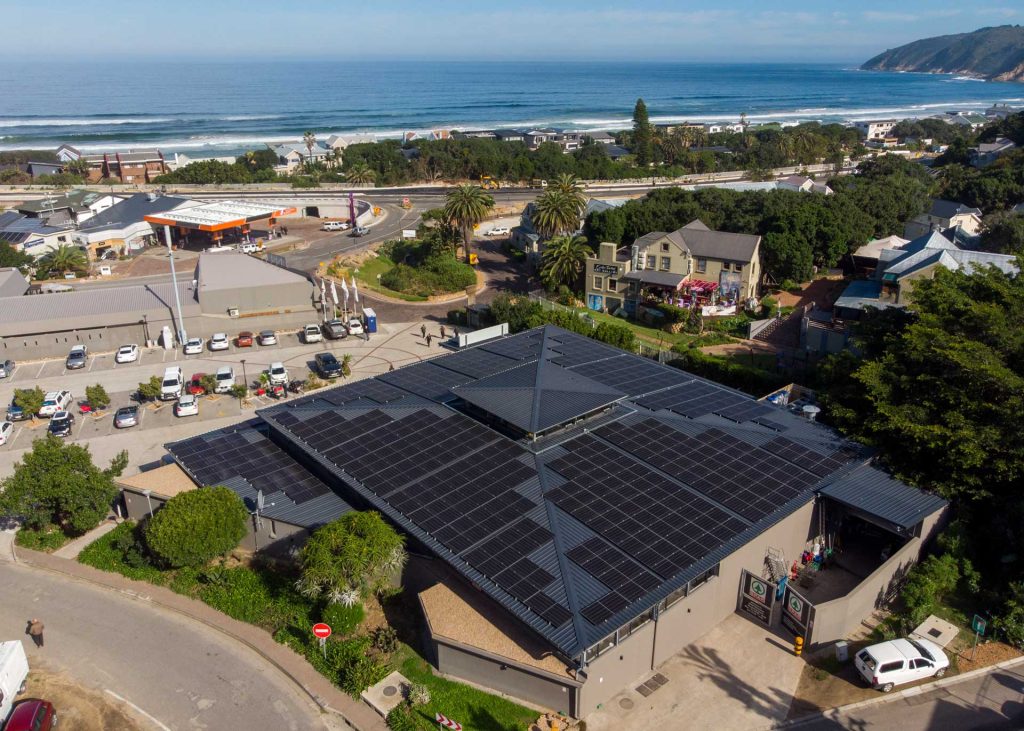
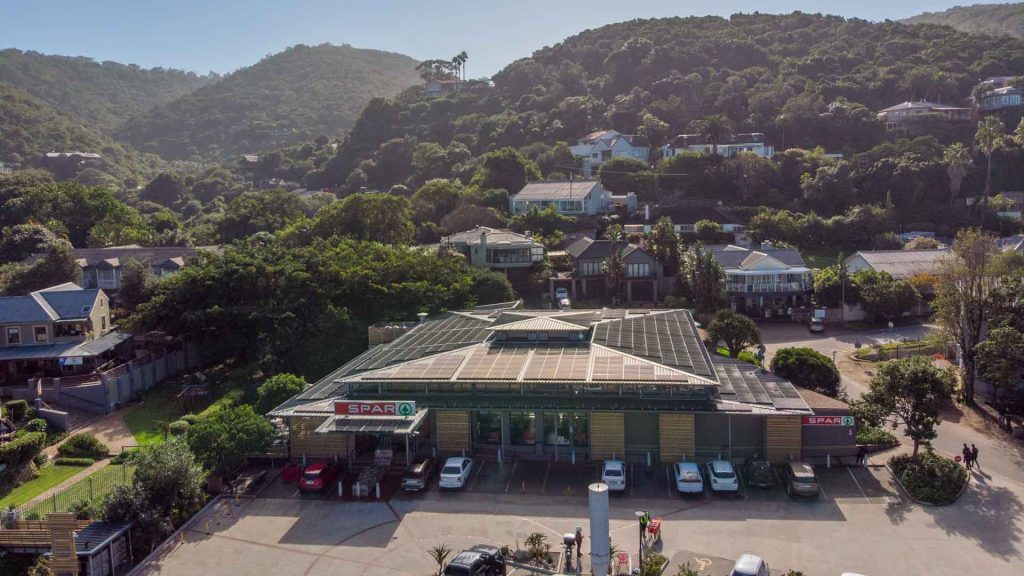
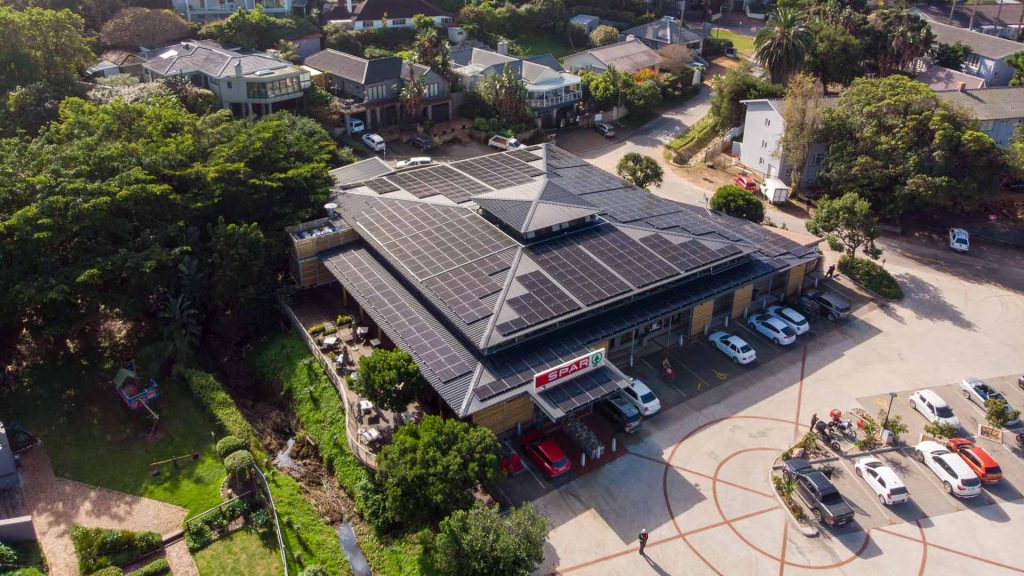
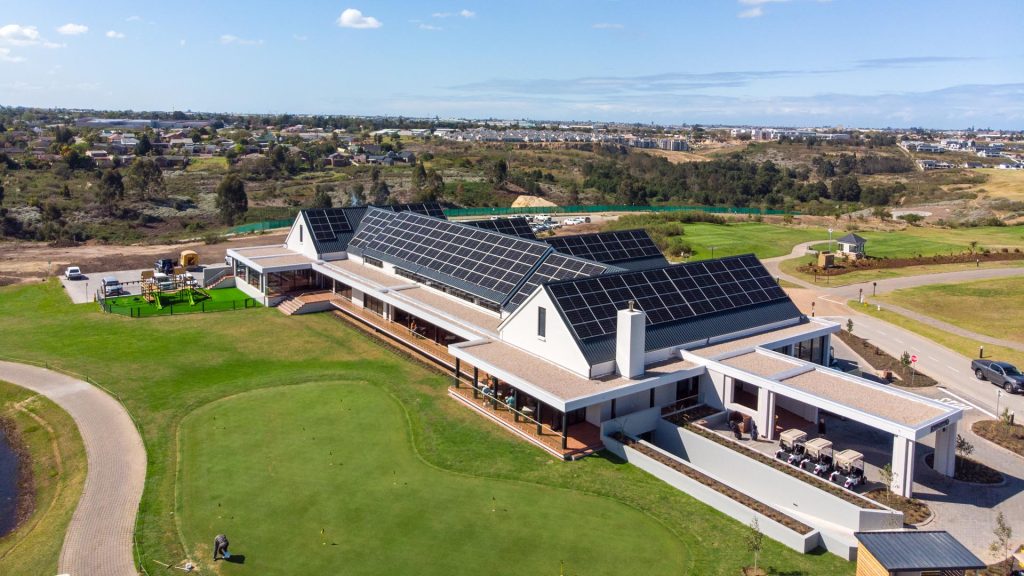
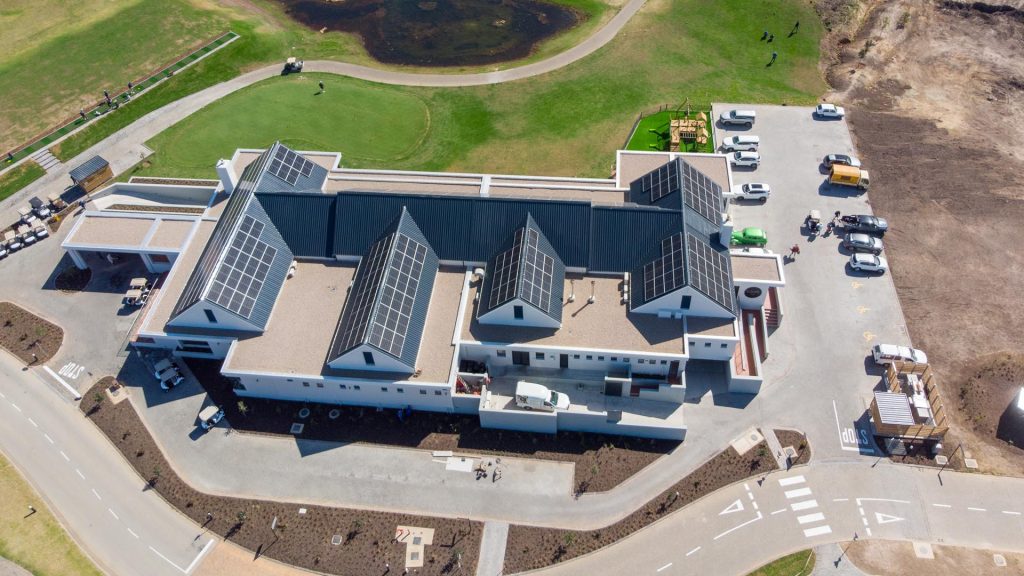
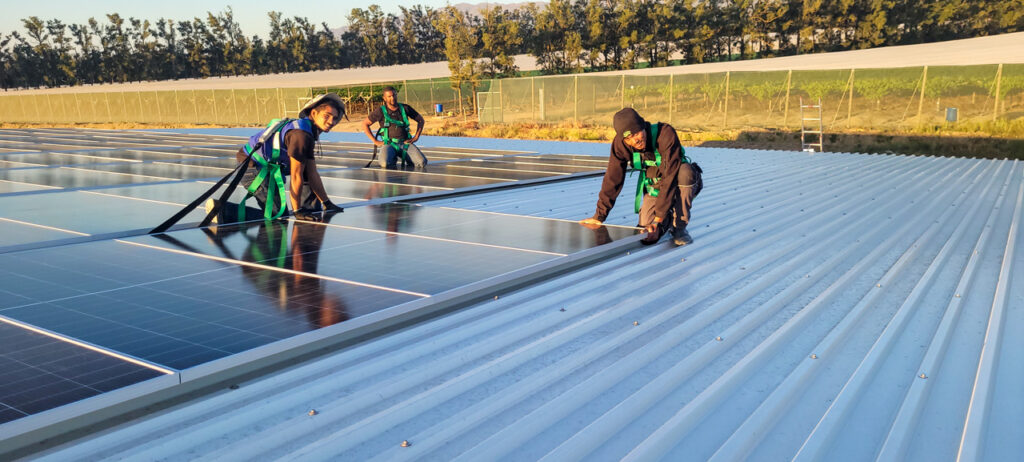
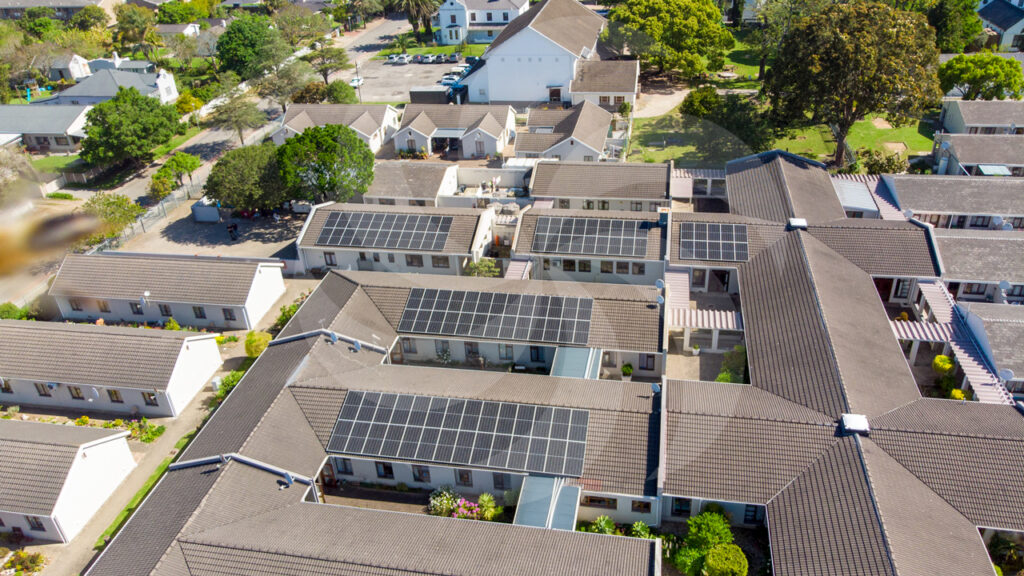
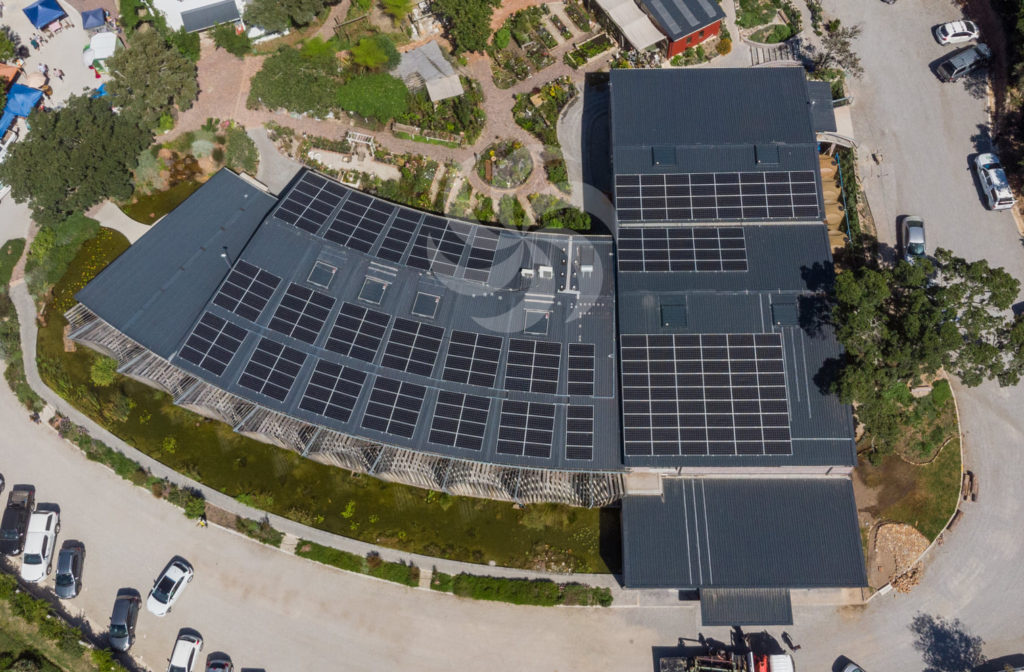
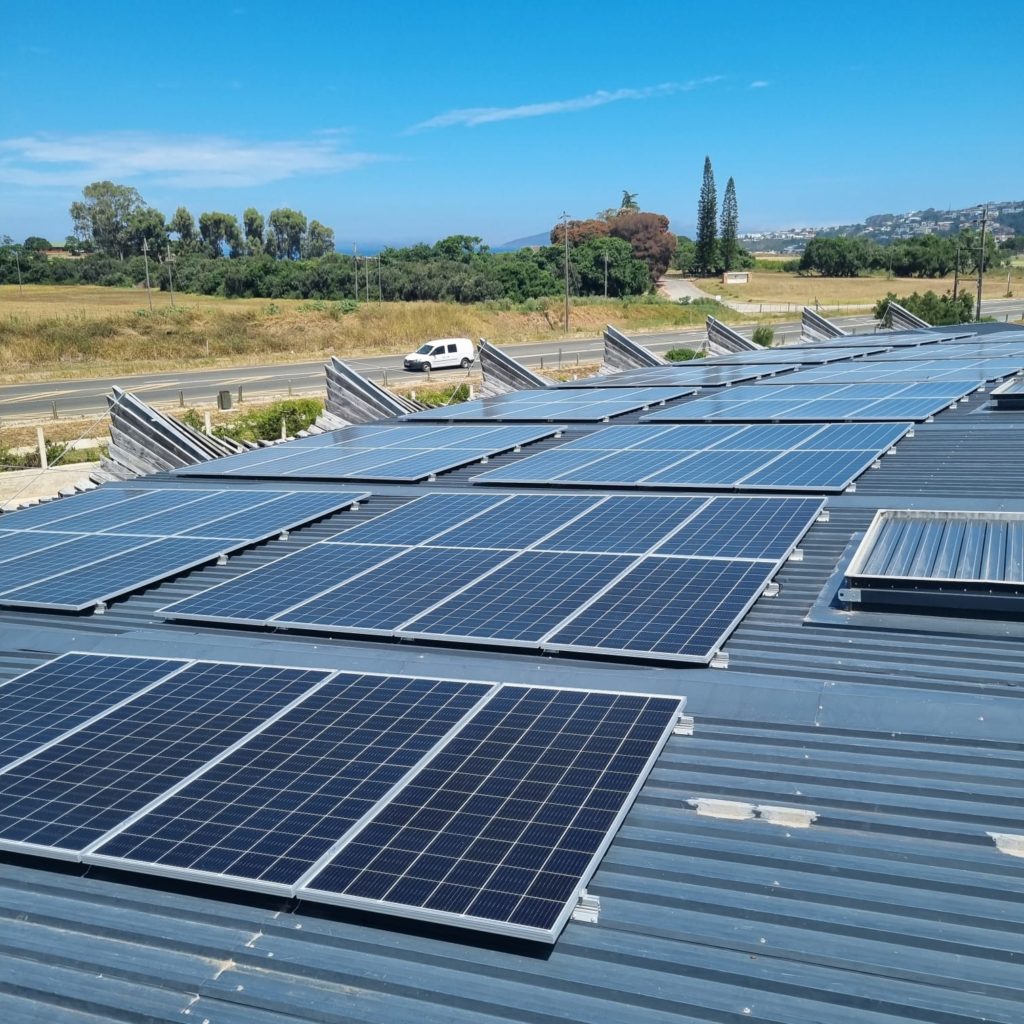
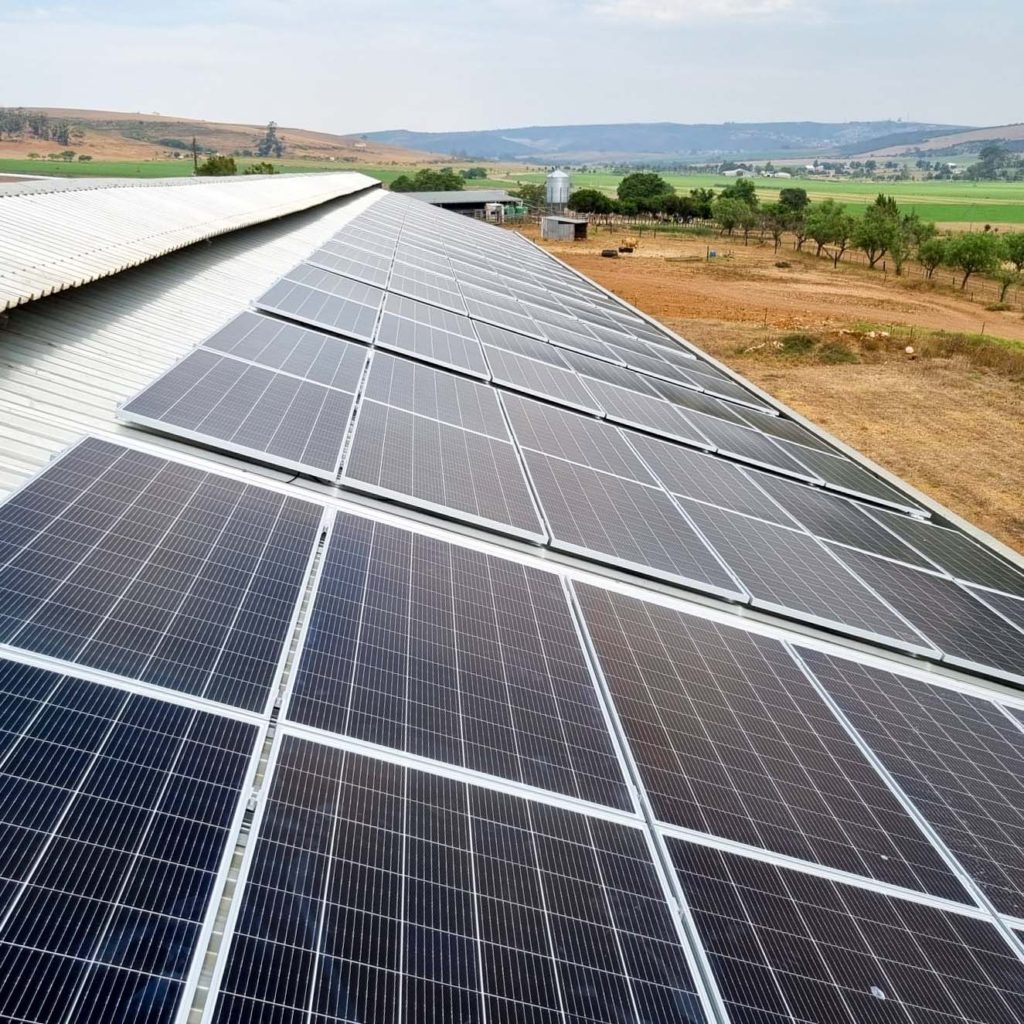
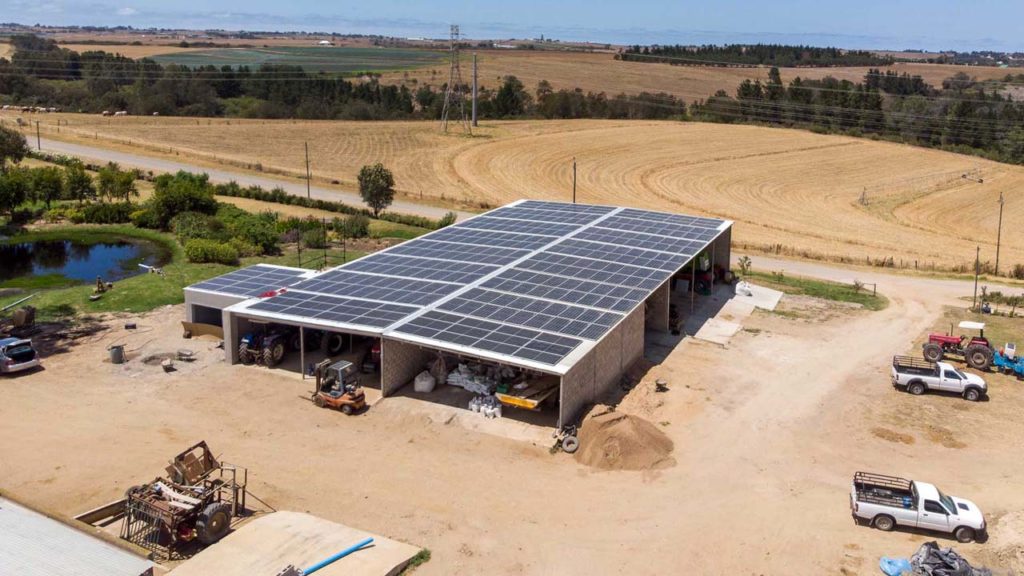
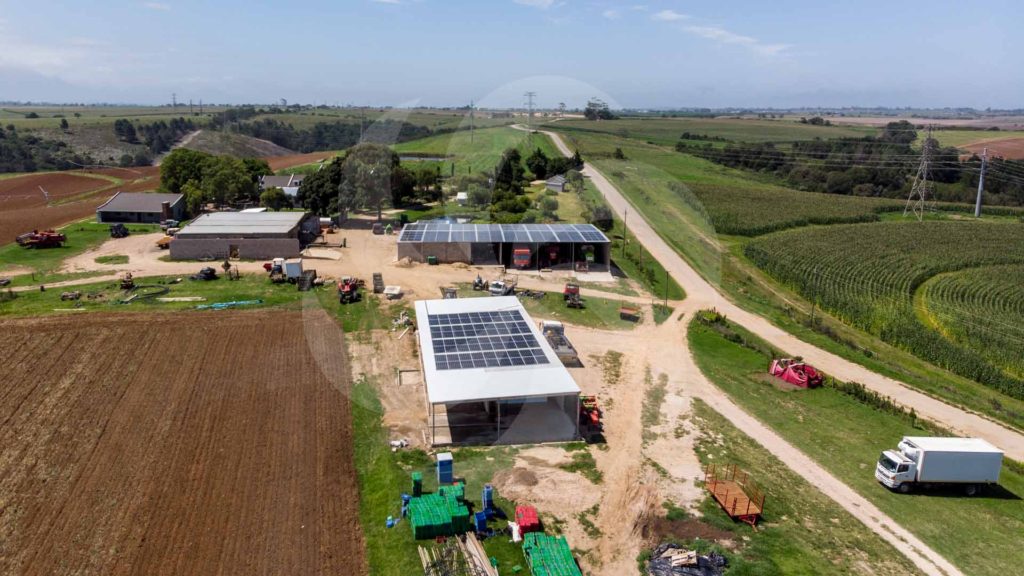
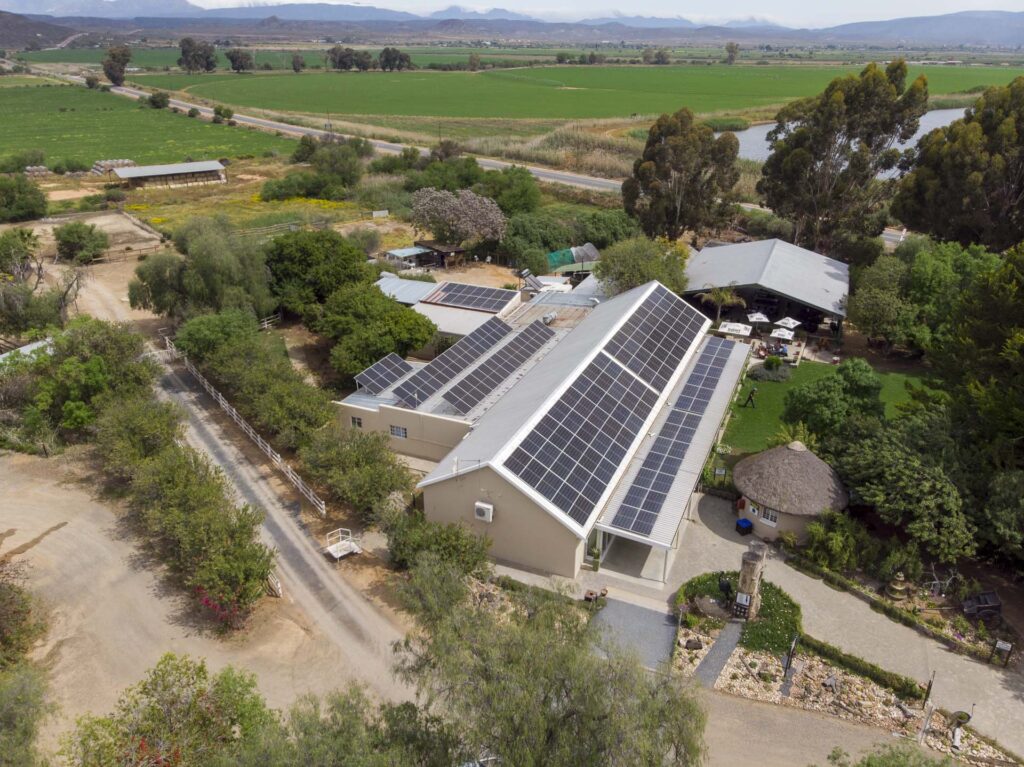
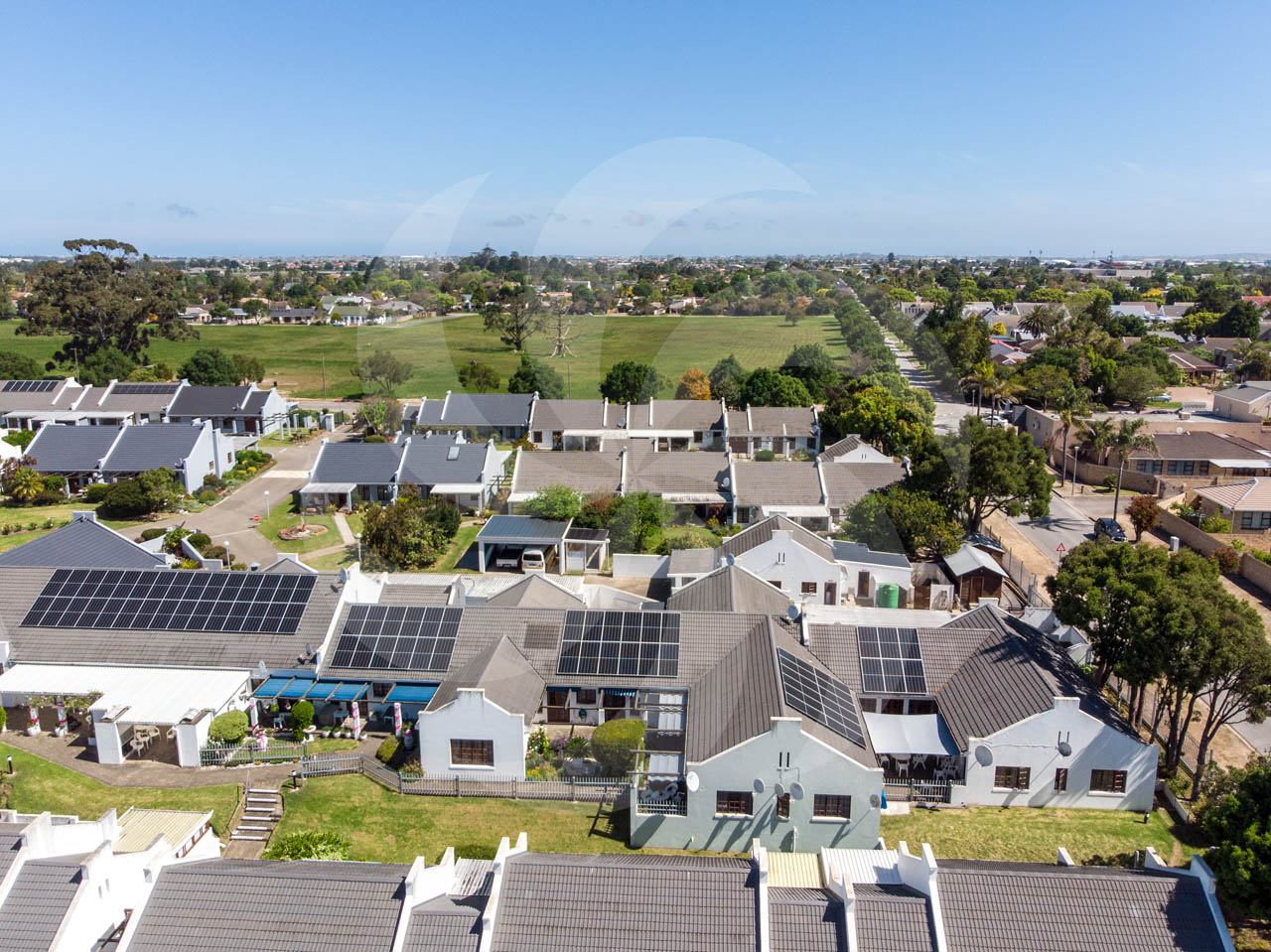
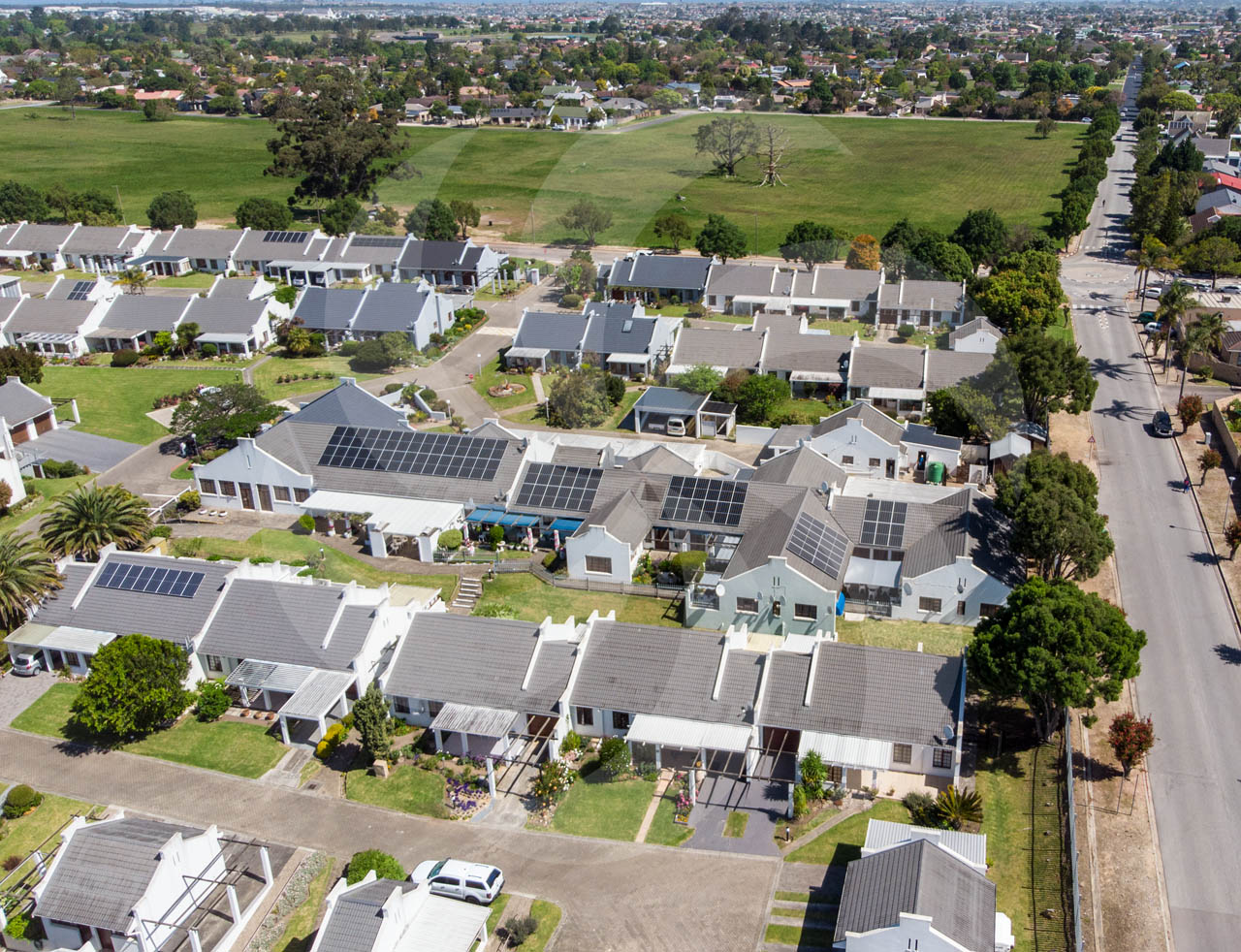
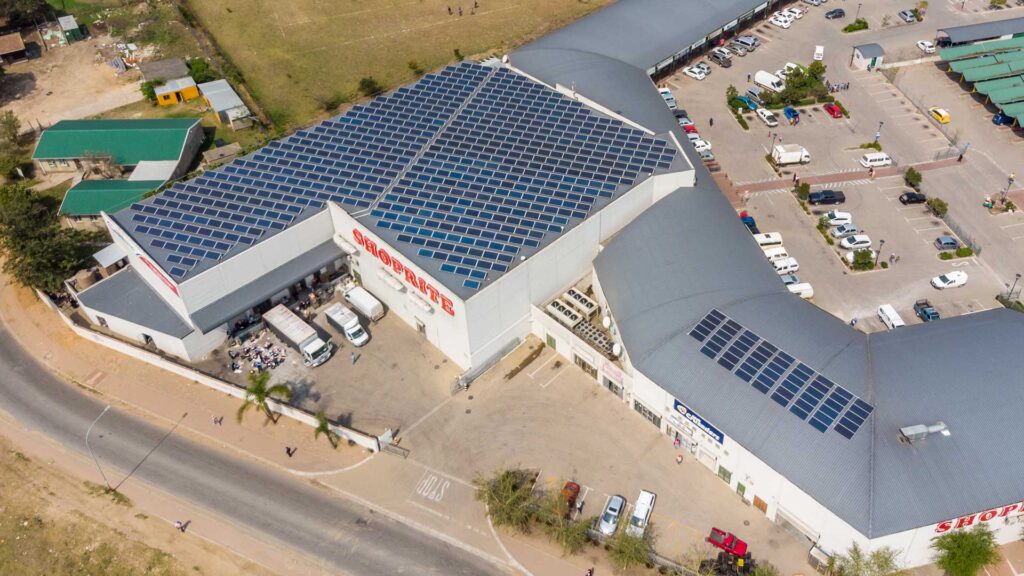
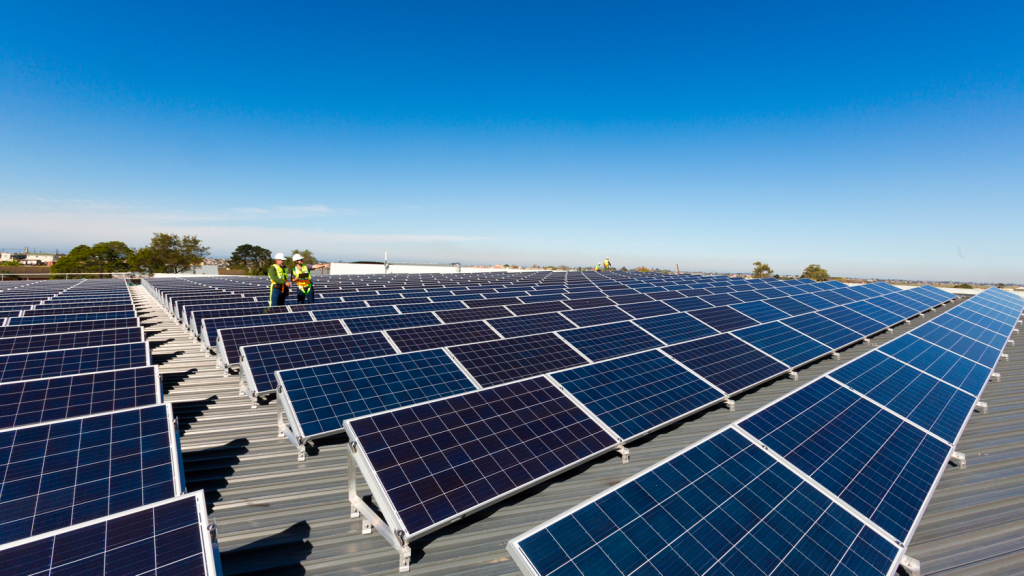
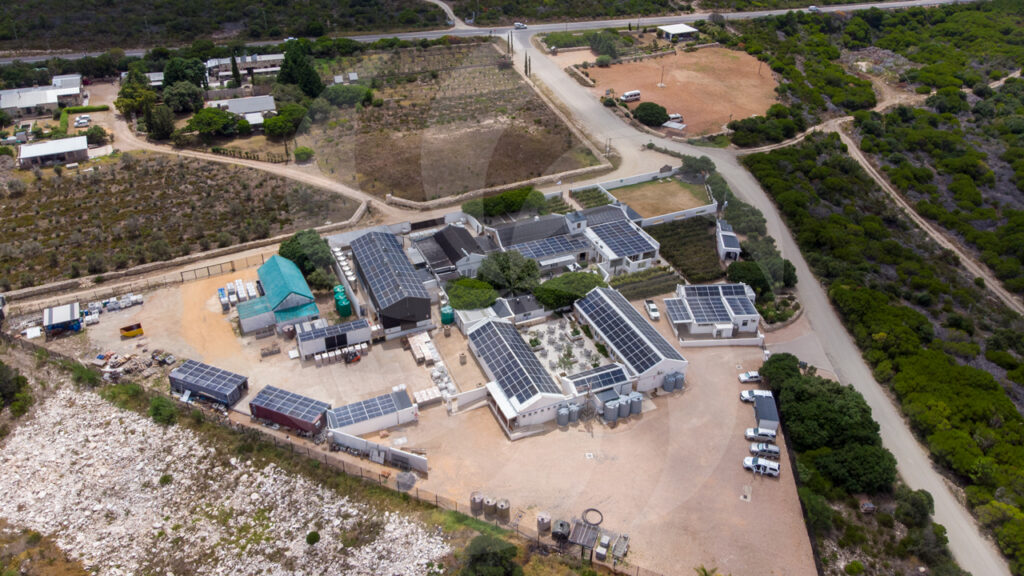
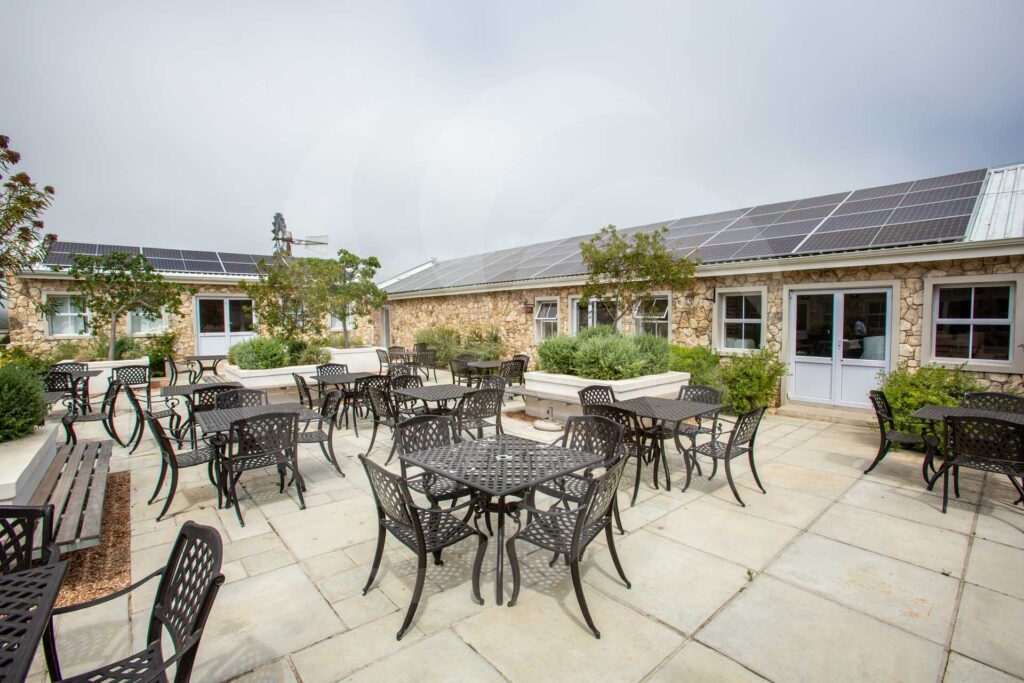
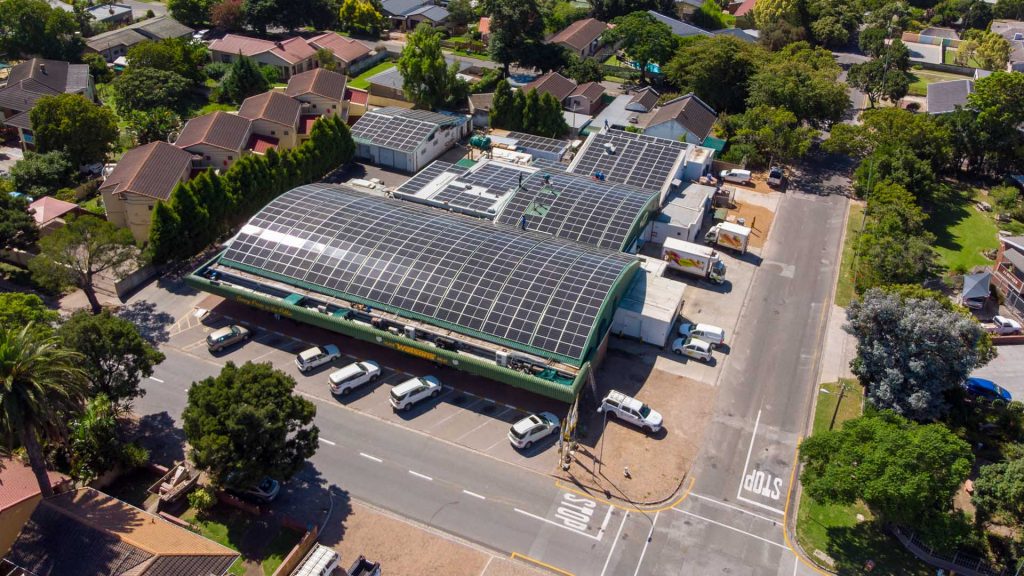
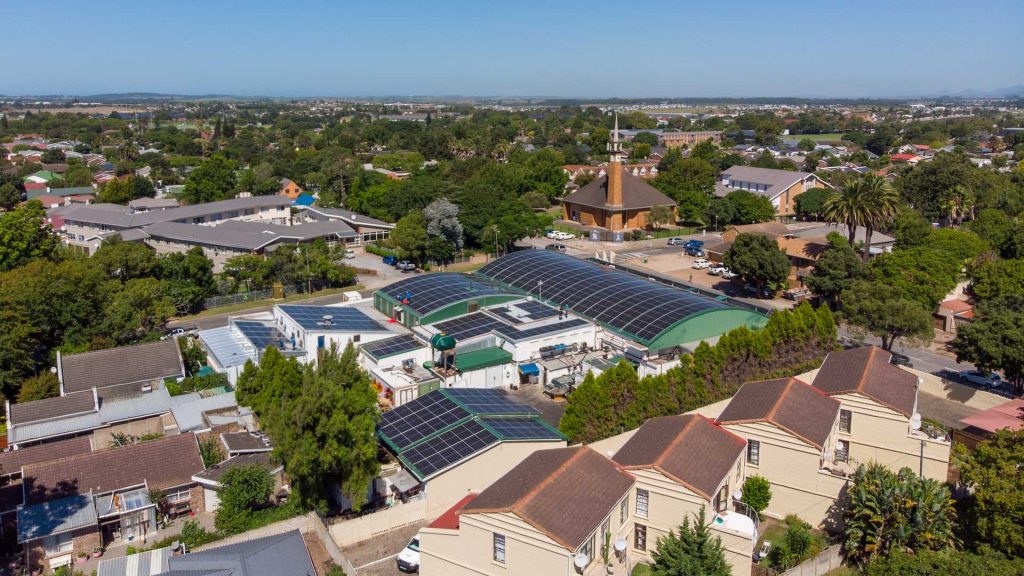
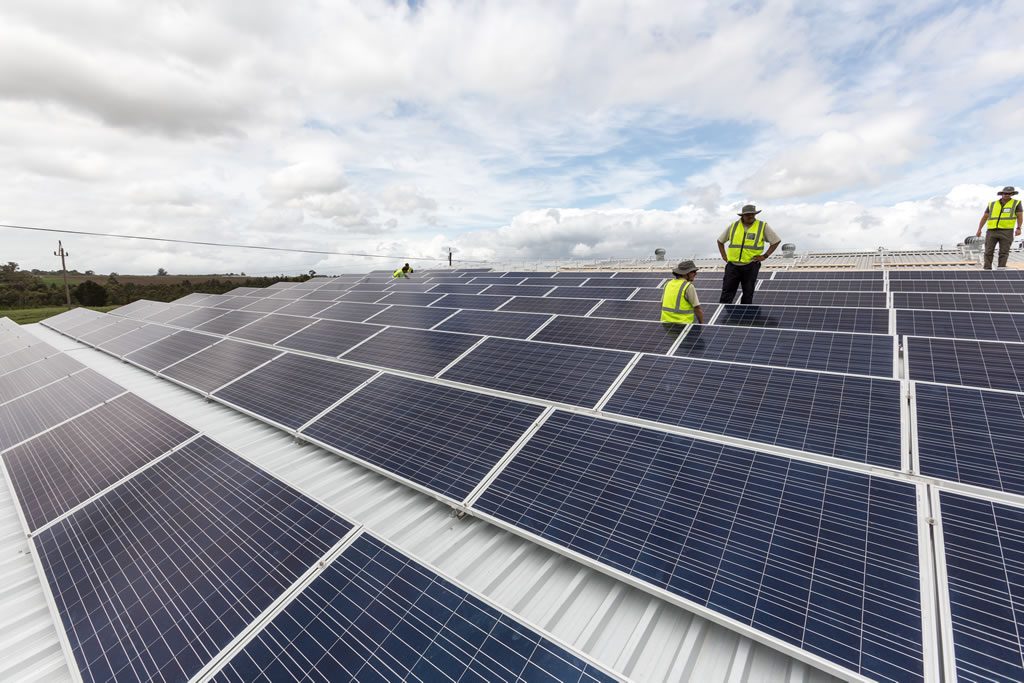
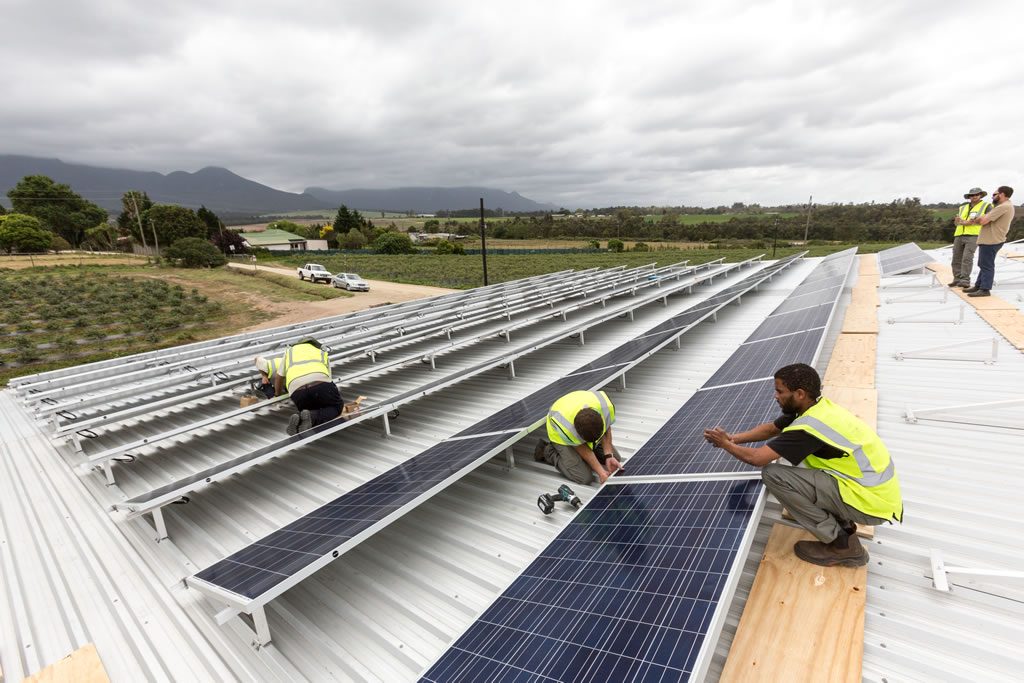
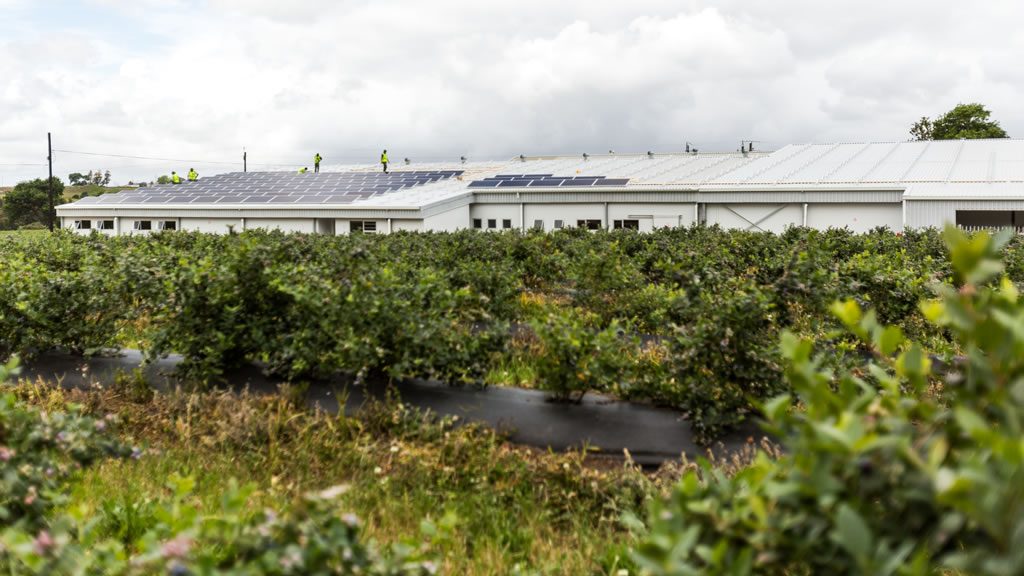
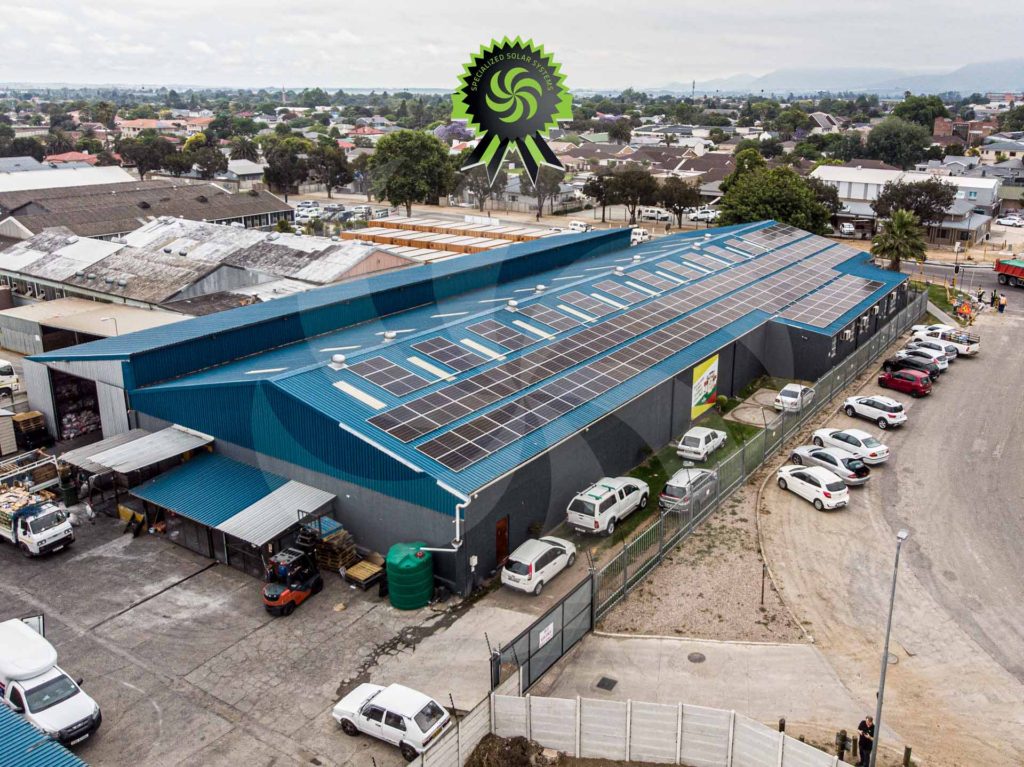
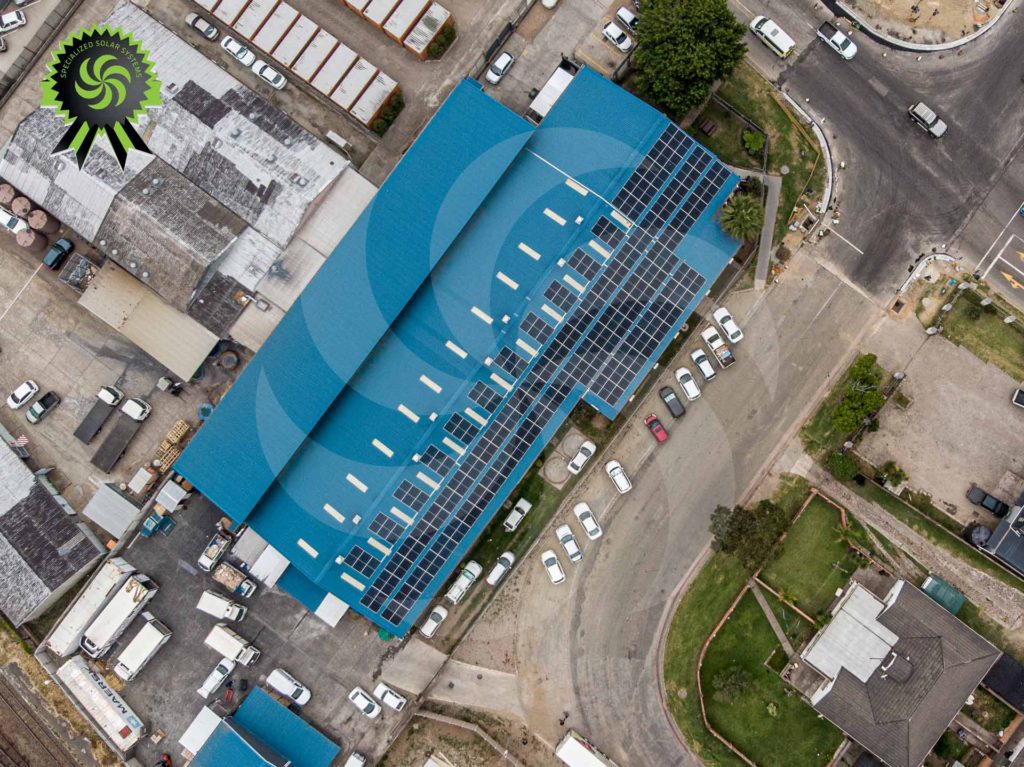
Rooftop solar installation by Specialized Solar Systems in the Garden Route

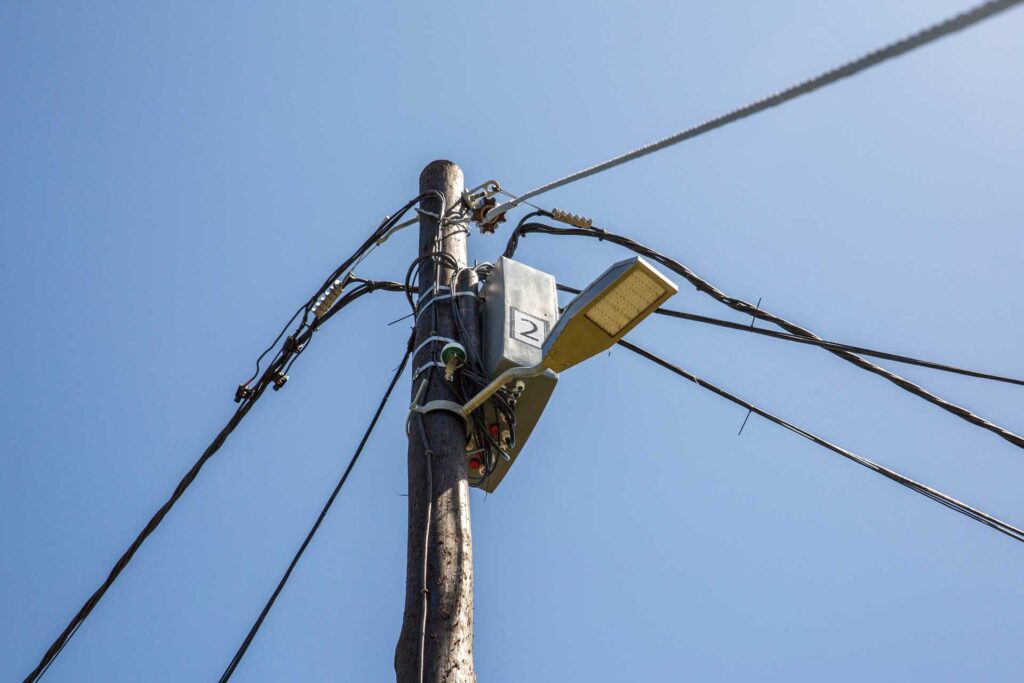
Severe weather can affect local electricity infrastructure even when the wider national power system is performing well.

A well-planned backup system should therefore be understood in terms of its protected loads, available battery energy, monitoring and safe operating limits.

A stronger national grid does not prevent local outages

In its 4 September 2026 update, Eskom reported meeting winter electricity demand without load-shedding. That is welcome progress. However, reliable national generation and an undamaged local electricity network are not the same thing.

The Garden Route has experienced this distinction first-hand. On 12 May 2026, George Municipality reported widespread weather-related network damage, including trees falling onto power lines, broken poles and damaged overhead infrastructure. Multiple faults had occurred simultaneously, complicating restoration.

More recently, the Western Cape Government issued a Level 4 disruptive-rain warning for parts of the Garden Route and Overberg for 3–4 September. That warning has passed, but it reinforces a practical lesson: local energy preparedness still matters.

Five questions to ask before the next interruption

A storm-ready system is not defined simply by how many panels or batteries are installed. The useful questions are about what the system can actually do when the grid is unavailable and conditions are difficult.

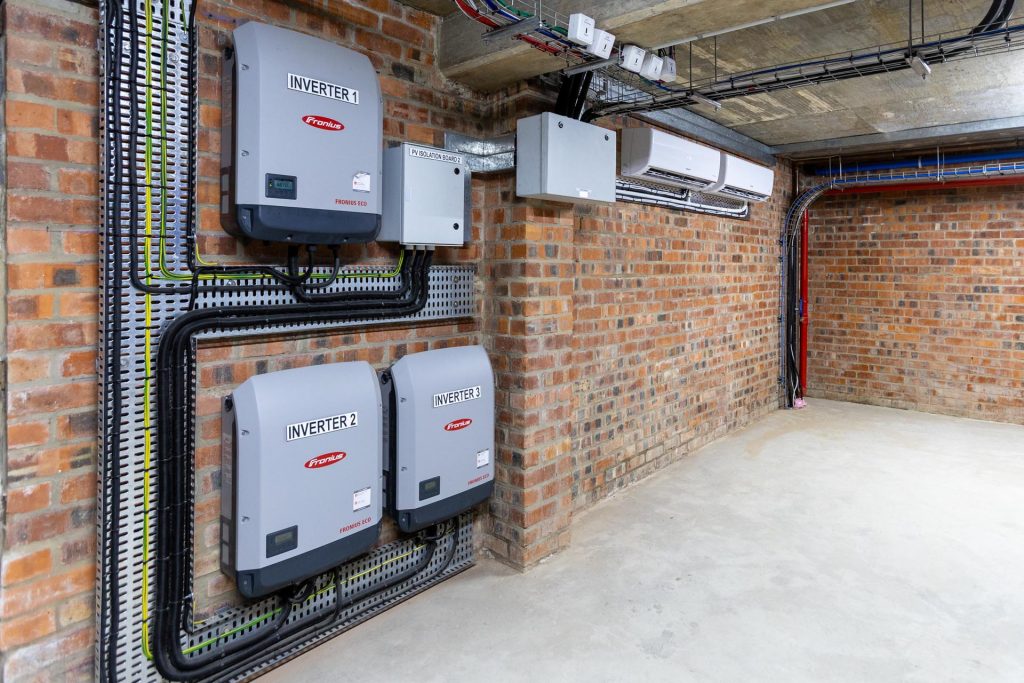
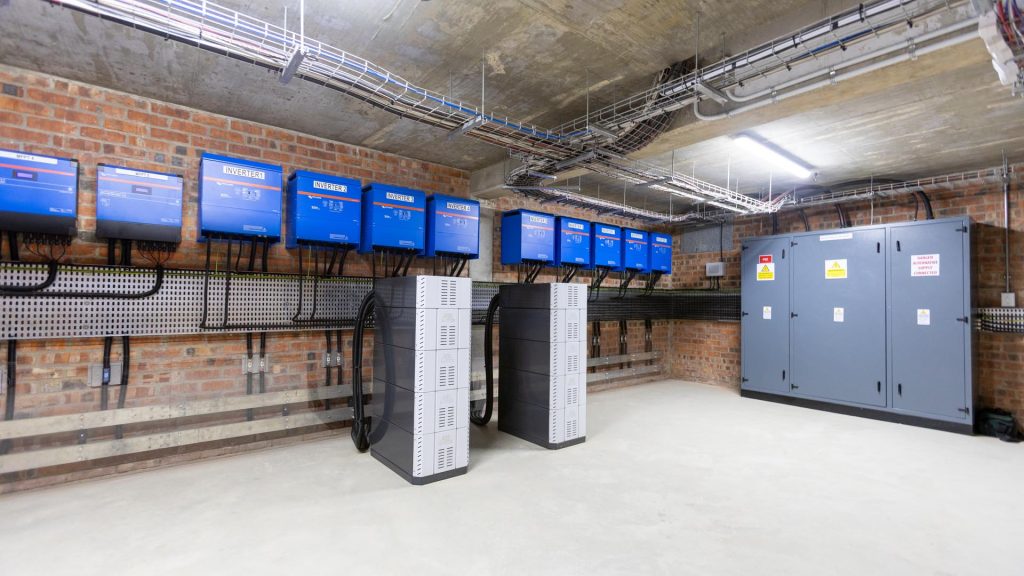
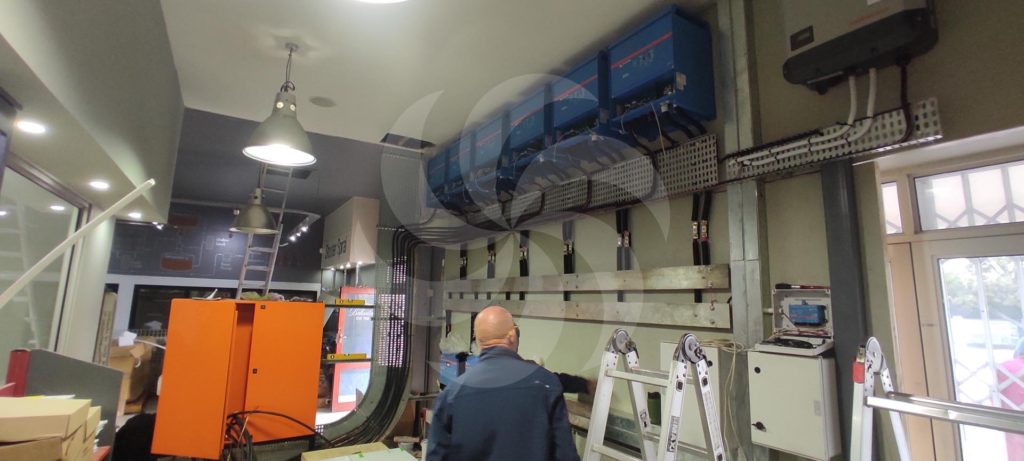
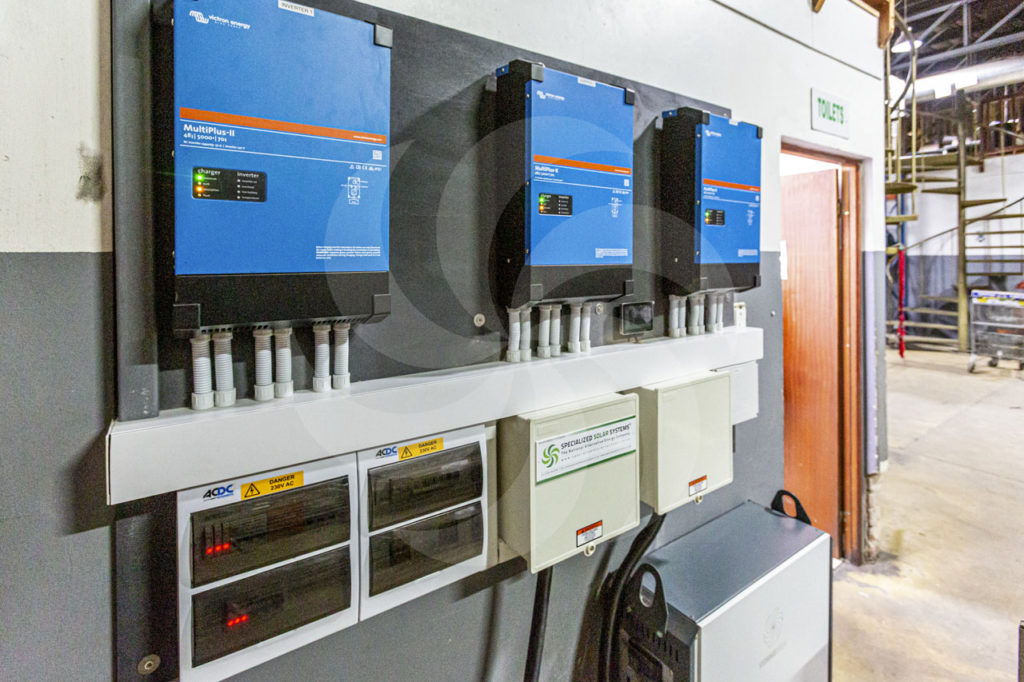
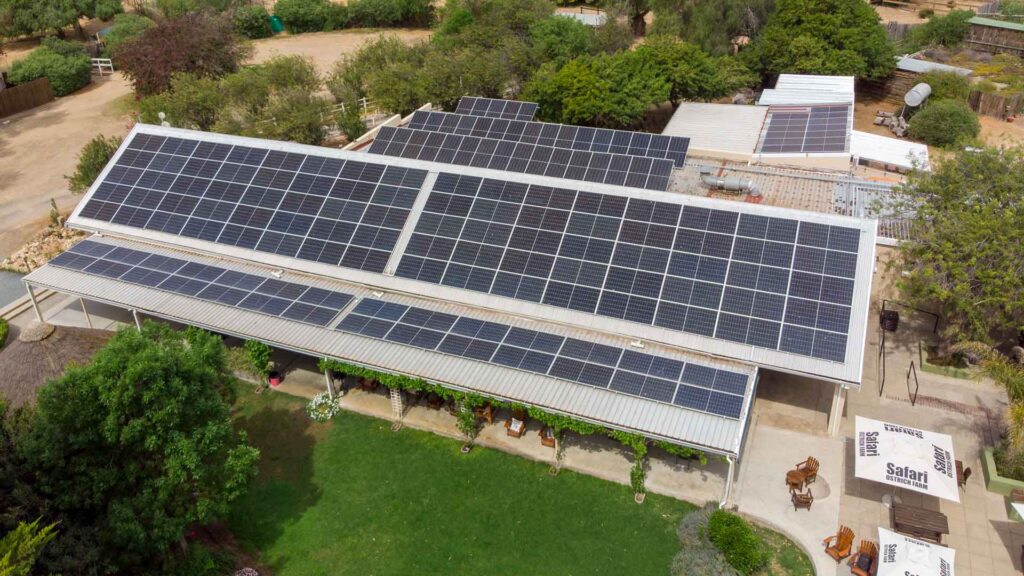
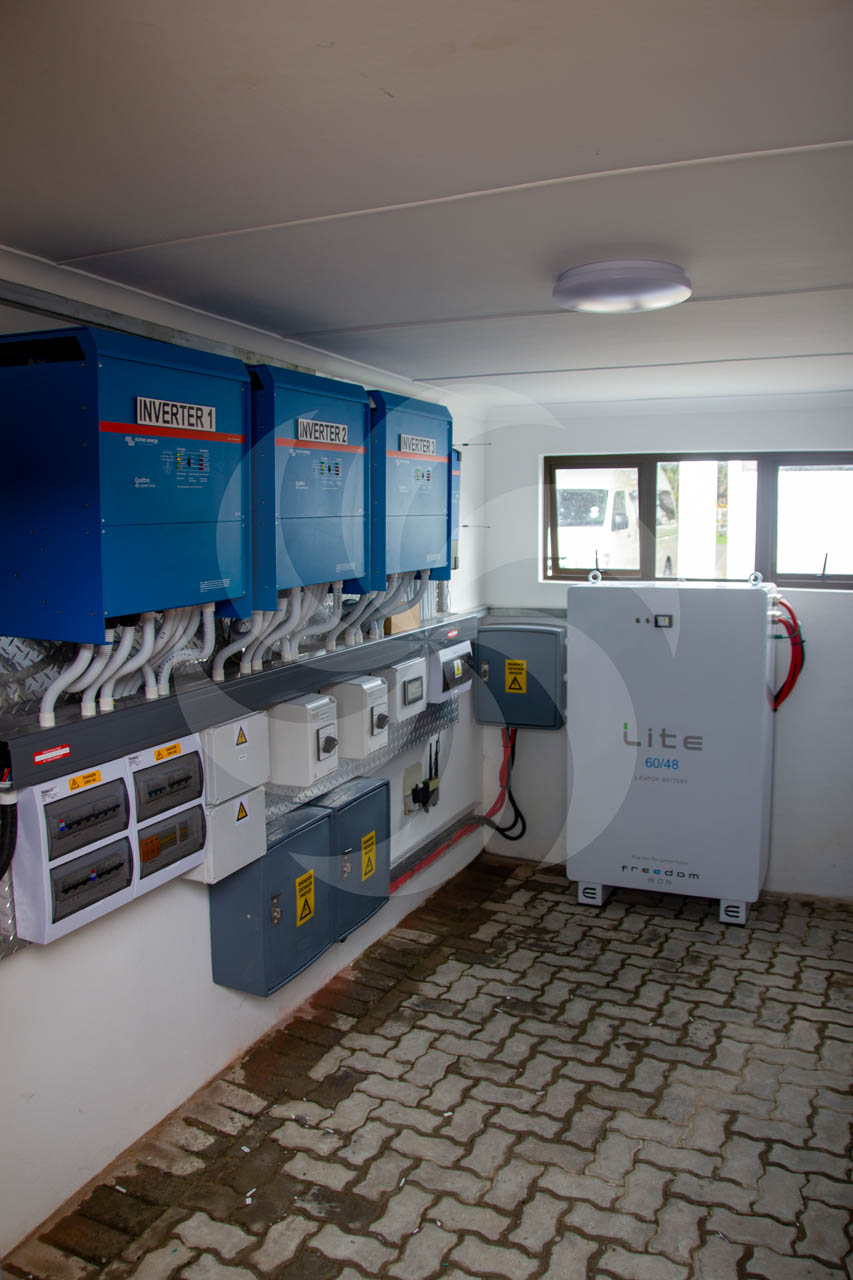
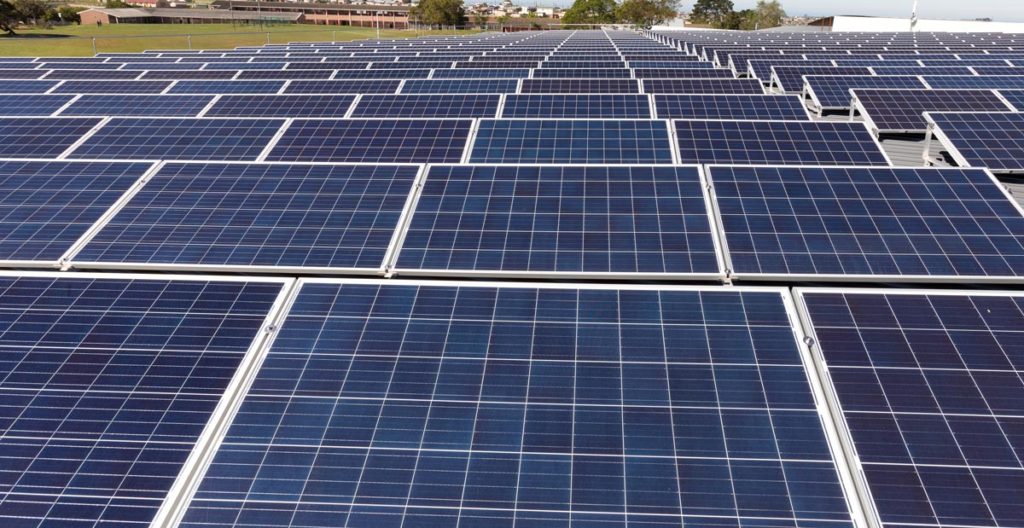
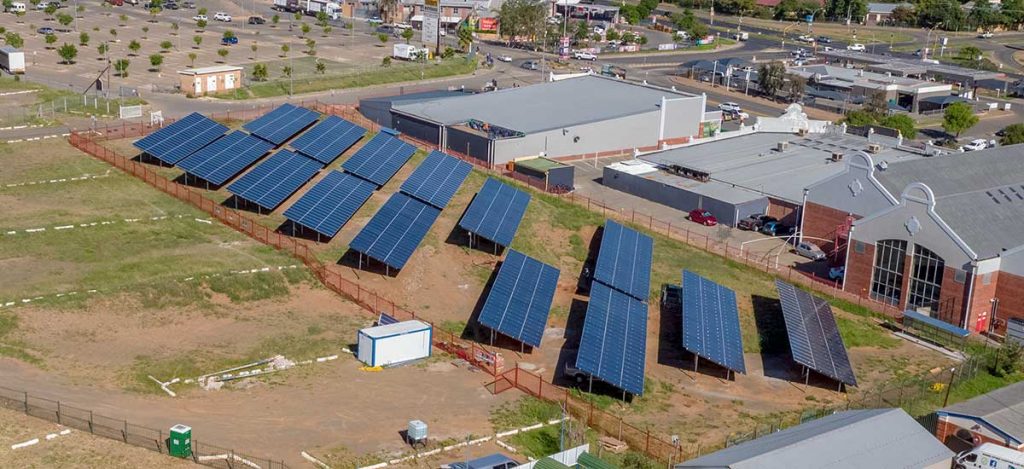
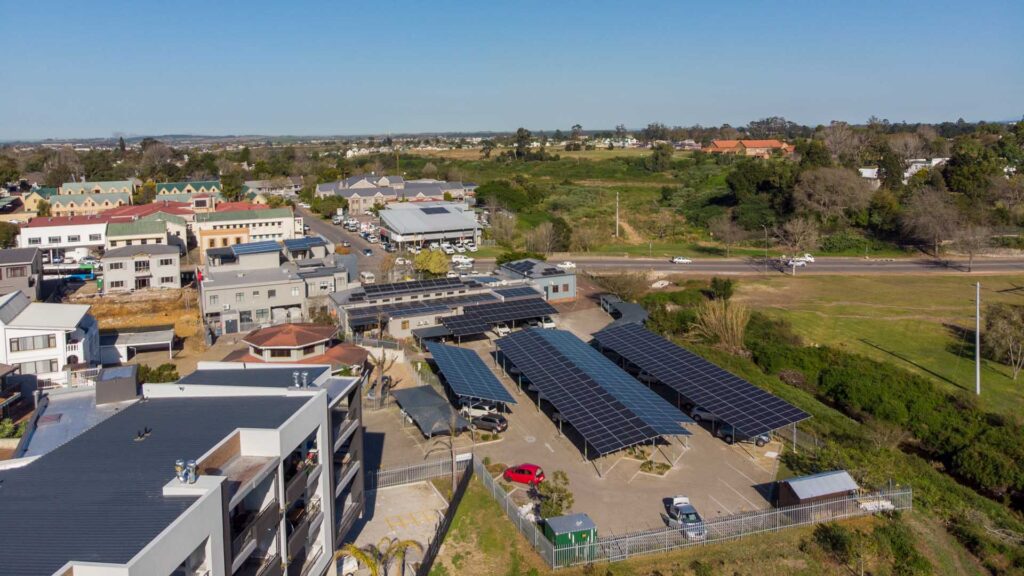
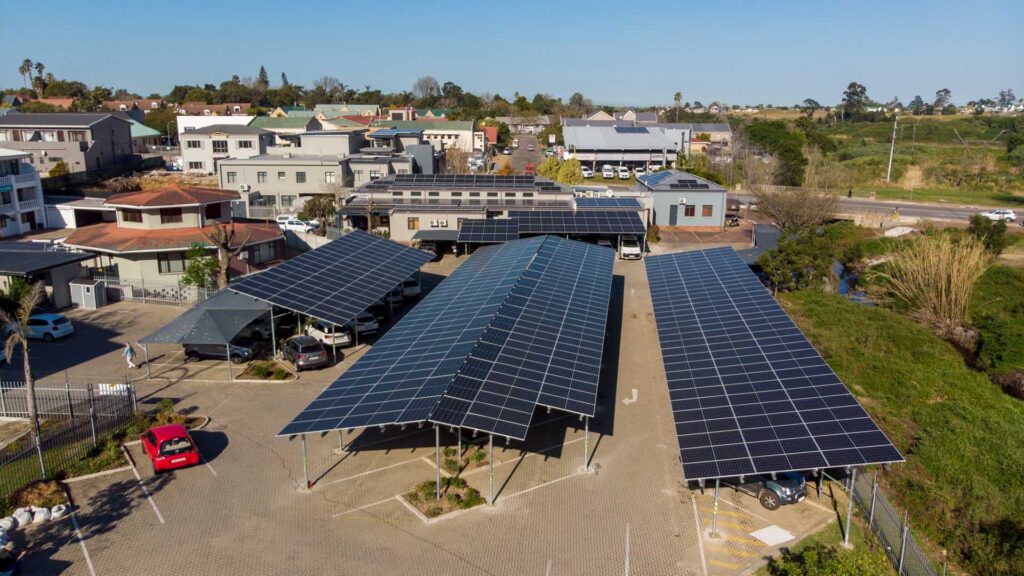
Commercial hybrid solar installation at Surgical Eye Clinic in George

1. Does your solar system actually provide backup?

Solar panels do not automatically keep the lights on during an outage.

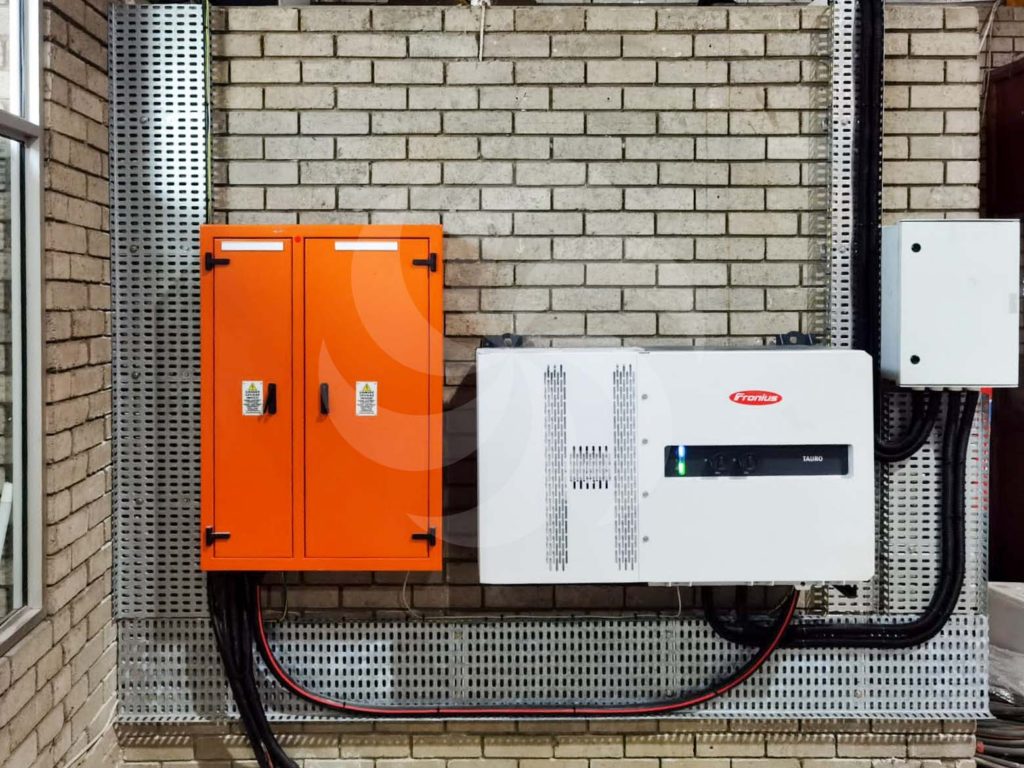
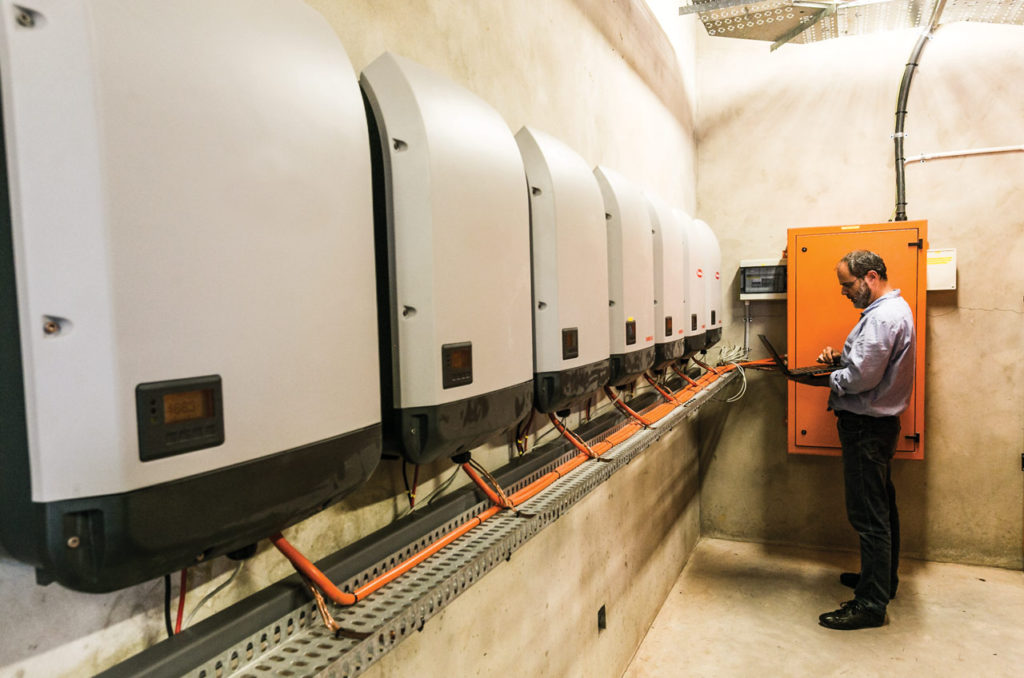
A conventional grid-tied installation without a backup function stops supplying power when the grid fails. Backup operation requires suitable equipment and a configuration that safely separates the backed-up circuits from the utility network. Fronius explains this distinction in its backup-power guide.

Ask your installer to confirm which circuits are protected. A system supporting lights, refrigeration and communications should not be assumed to power every appliance or machine on the property.

2. How much battery energy will actually be available?

A battery’s advertised capacity is not a promise of a particular backup duration.

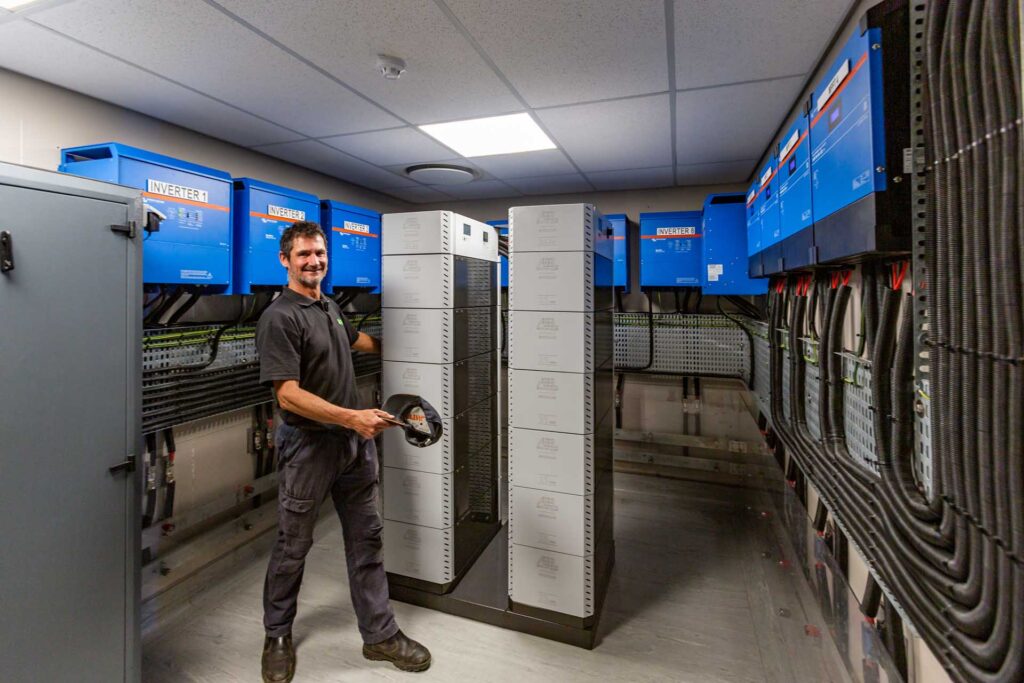
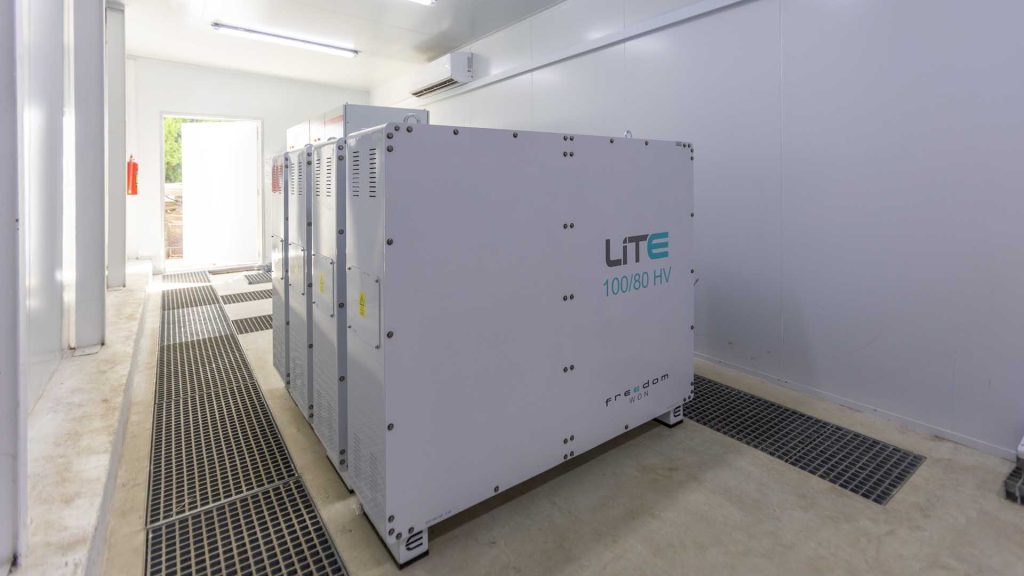
The useful question is how long the system can support your essential loads, given its charge level, usable capacity and expected solar production during the interruption. Inverter power limits matter too: supplying several appliances simultaneously is a different requirement from keeping a small load running overnight.

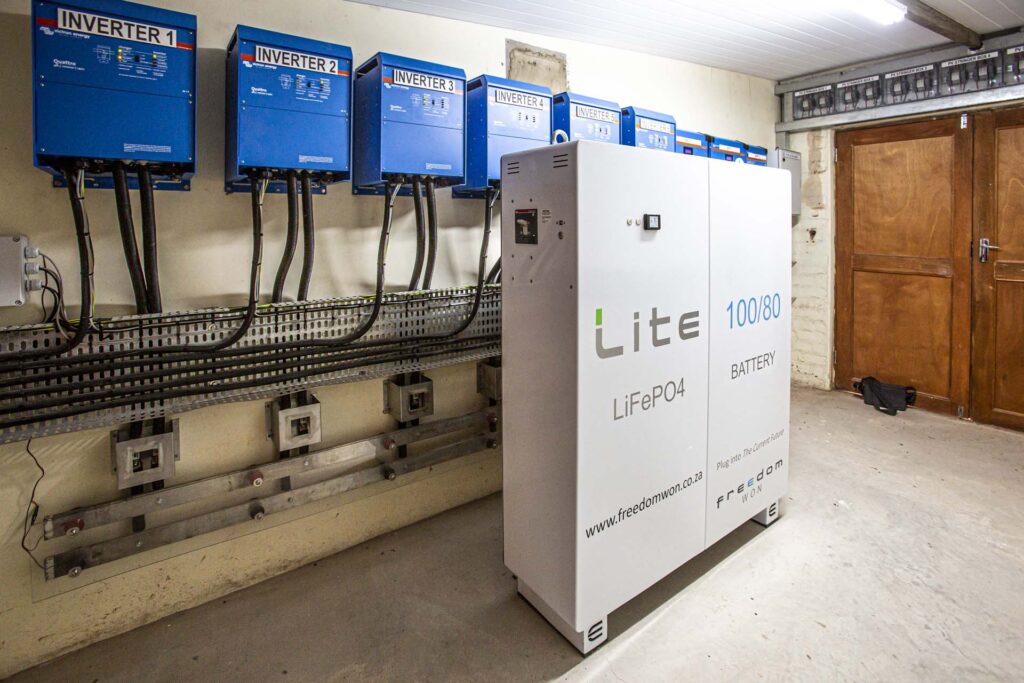
On compatible systems, operating settings can preserve part of the battery for outages rather than using all available energy for everyday consumption. Victron’s energy-storage guidance describes this balance.

Ask your installer to review the reserve appropriate to your installation. There is no single percentage that suits everyone.

How much battery energy will actually be available?

3. Will your monitoring still tell you what is happening?

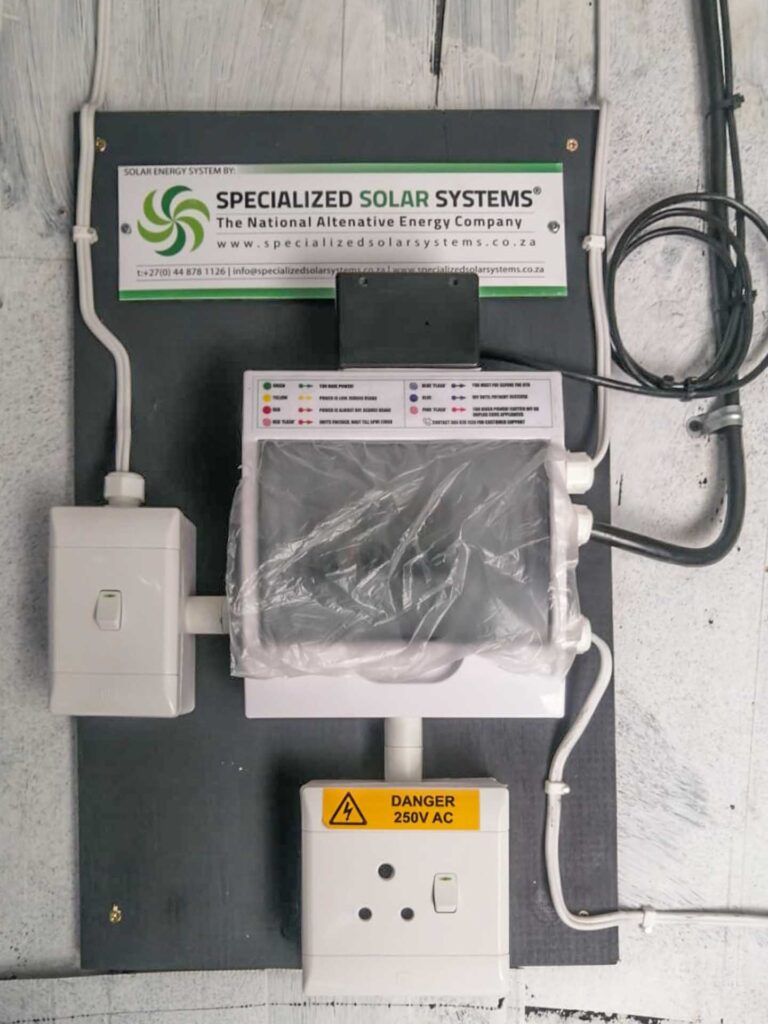
Check that your monitoring information is current and that notifications reach the correct person. Include the router and other communications equipment in your backup planning where remote access matters.

Importantly, an offline monitoring app does not, by itself, prove that the energy system has stopped working. Victron’s monitoring documentation distinguishes communication failures from equipment alarms.

Knowing that difference helps avoid confusion when you most need clear information.

wet and windy conditions

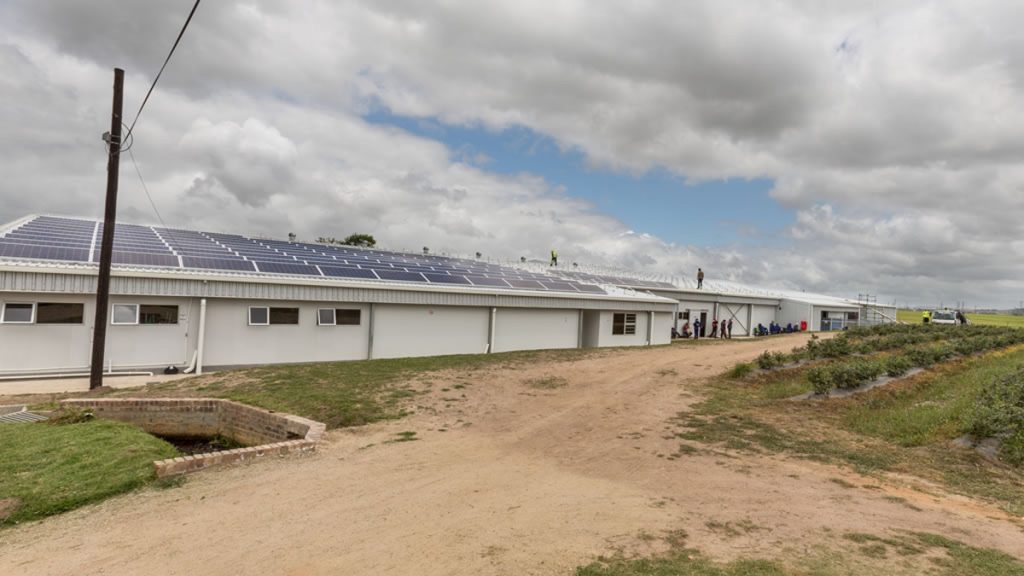
4. Is the installation ready for wet and windy conditions?

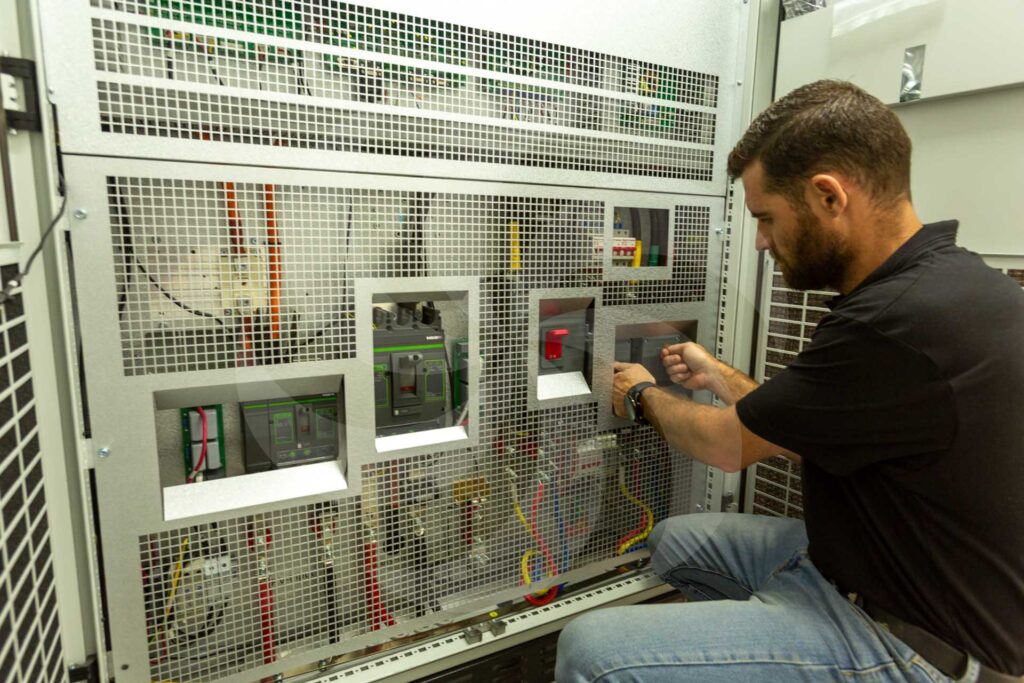
Arrange a qualified inspection where there are concerns about mounting, cabling, protection or water entering equipment areas. Do this before severe weather, not by climbing onto a roof or opening electrical enclosures during a storm.

If equipment has been exposed to water, do not assume it is safe once it looks dry. Eskom’s storm-safety guidance advises against using water-affected electrical equipment until a professional has declared it safe.

5. Is generator backup ready, where installed?

A generator included in your energy plan needs maintenance and an agreed operating procedure. Arrange servicing and a controlled changeover test with the appropriate technician.

Portable generators must operate outdoors, away from doors, windows and vents. Never connect a generator to building wiring through a wall socket. Correct connection and isolation require professional installation; these generator-safety guidelines explain the hazards.

Safety comes before restoring power

A grid outage does not make solar panels, batteries or electrical wiring safe to touch.

Keep clear of fallen lines and damaged equipment. Do not restart a flood-affected solar or battery system until a qualified electrician has assessed it. Solar and battery equipment can remain energised even when the mains supply is off. George Municipality likewise advises residents to treat power lines as live at all times.

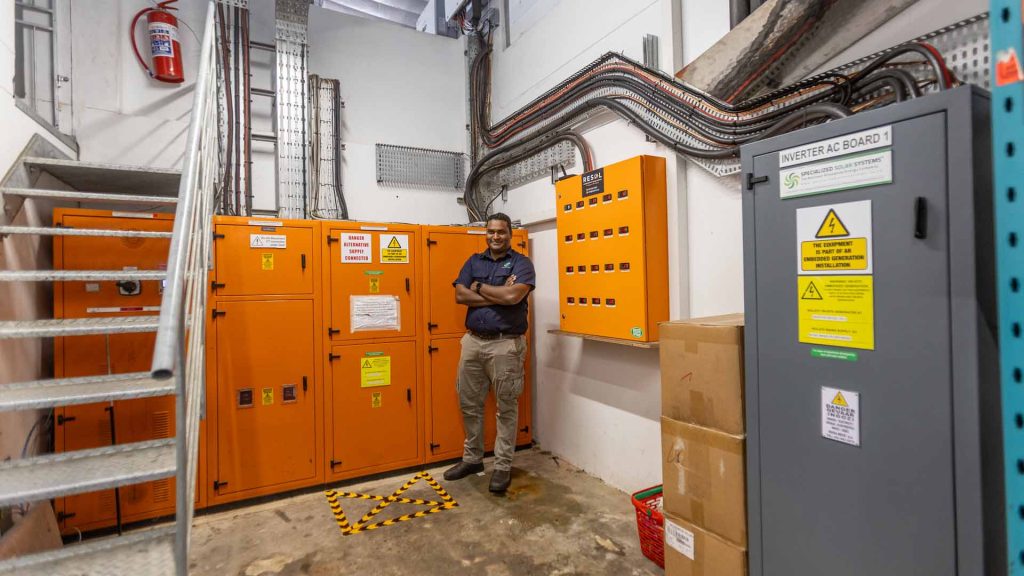
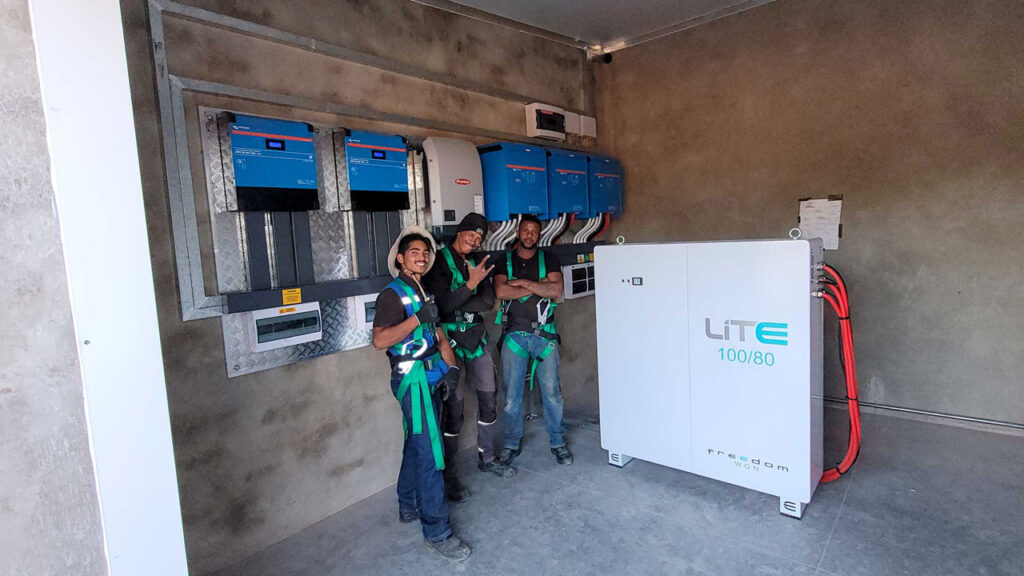
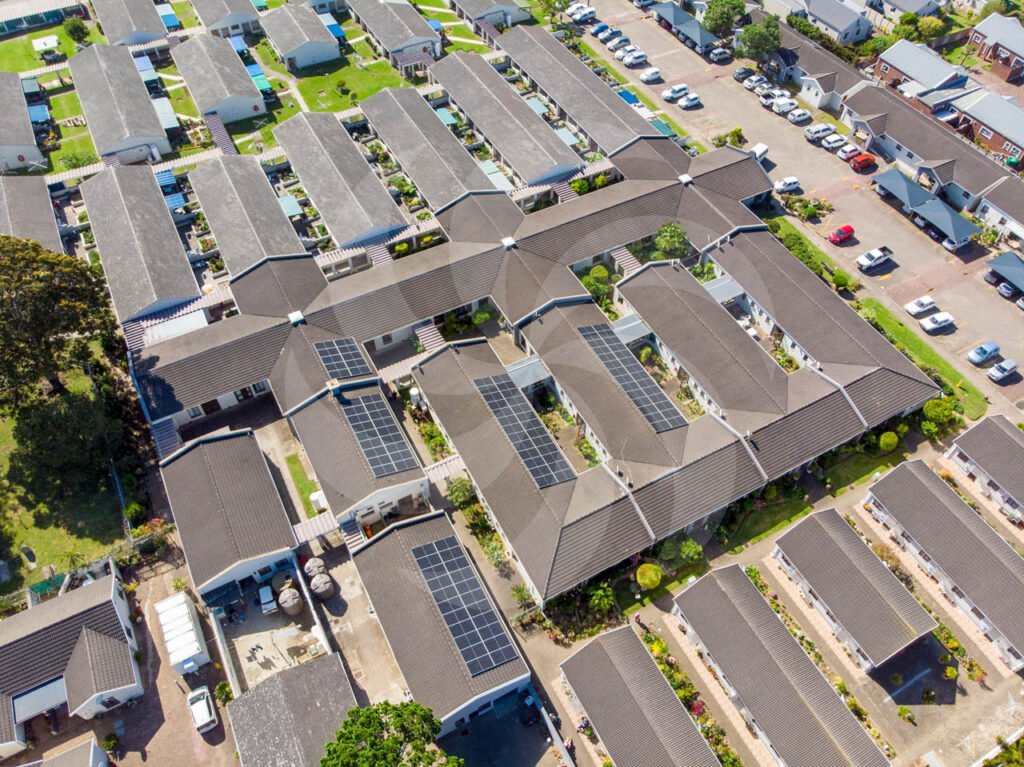
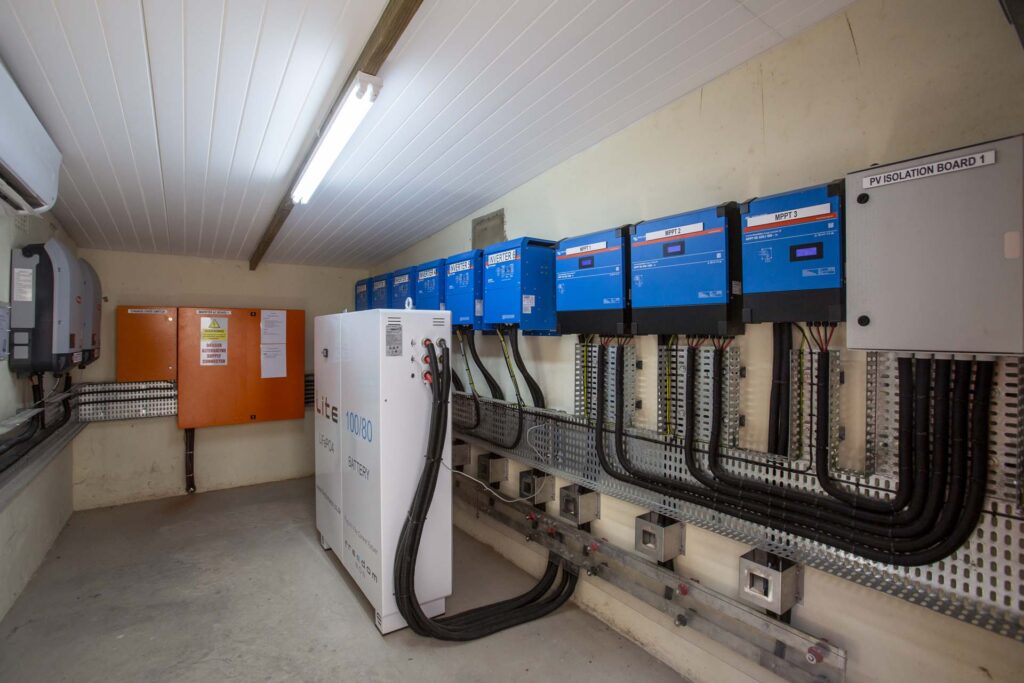
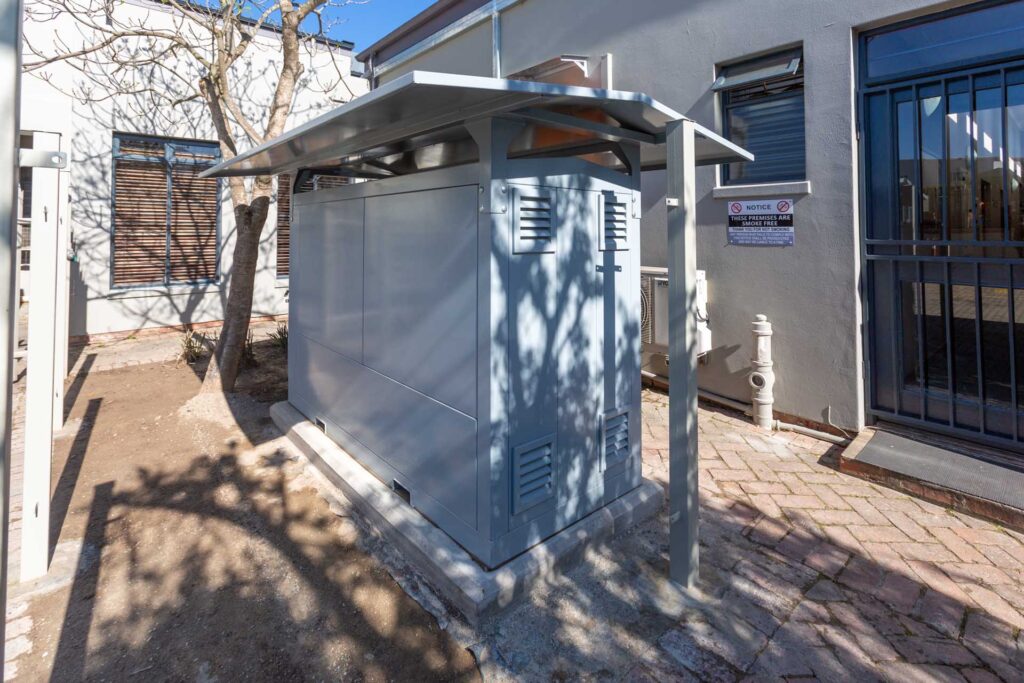
45 kVA EnergyPOD solar and battery system installation with Wi-Fi for managing smart geysers at Huis Harmonie Retirement Home in George, Western Cape

Prepare around what matters most

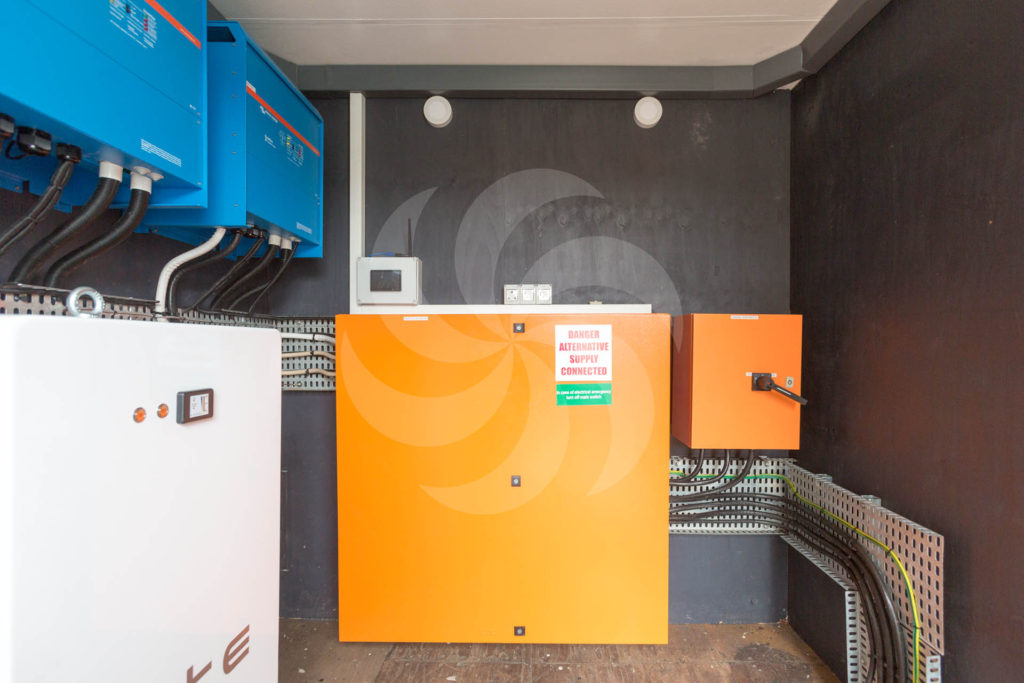
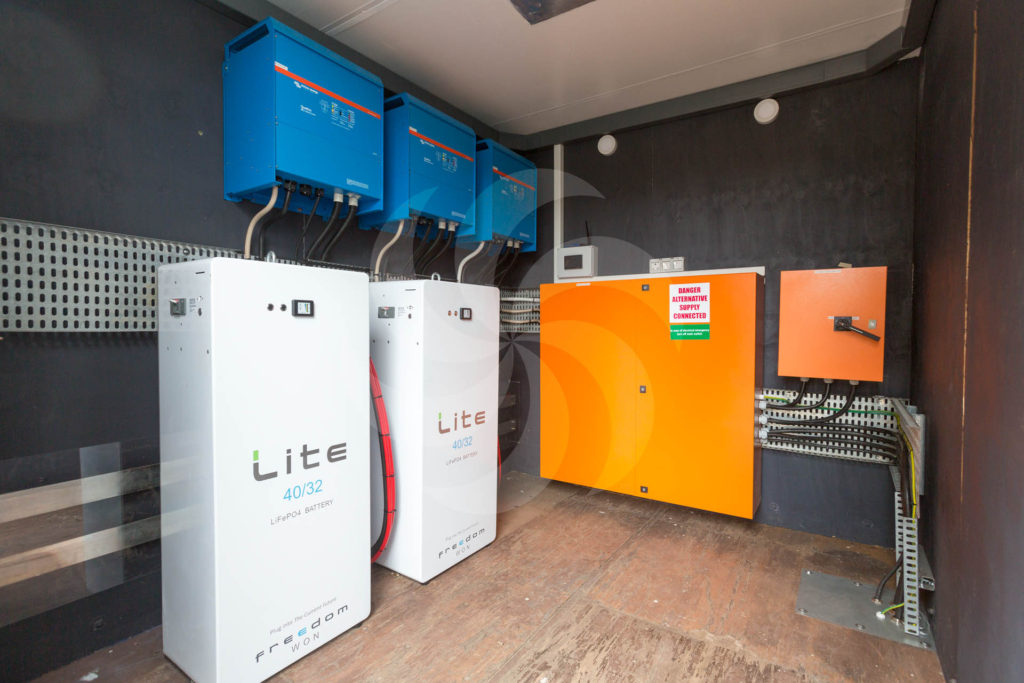
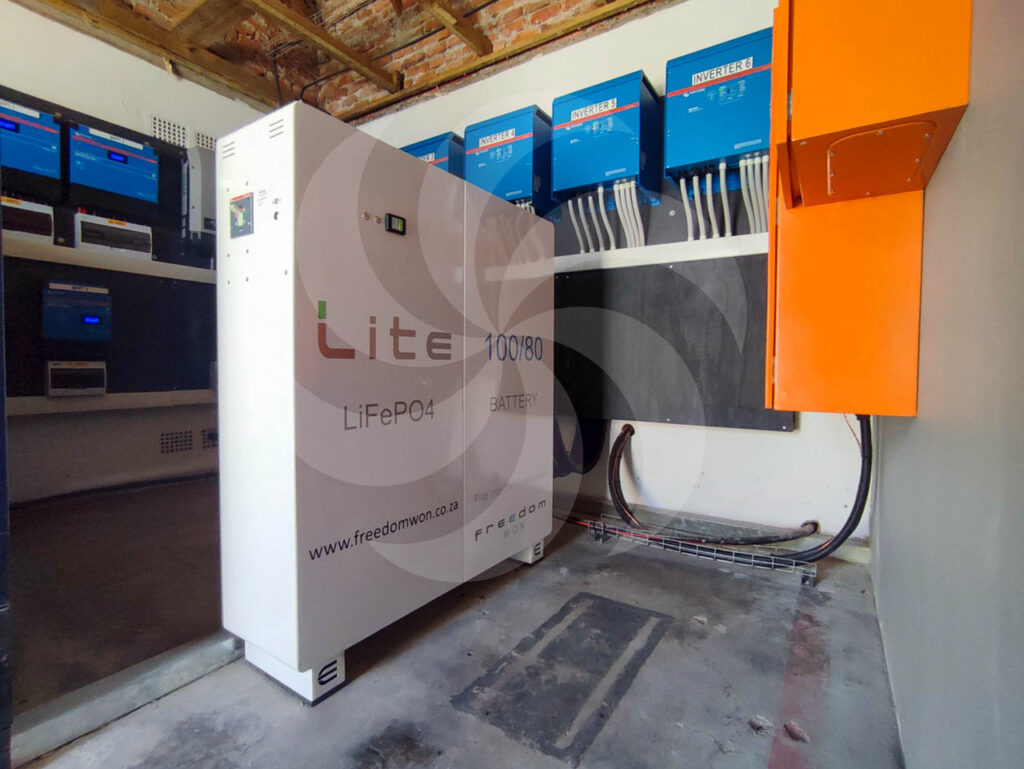
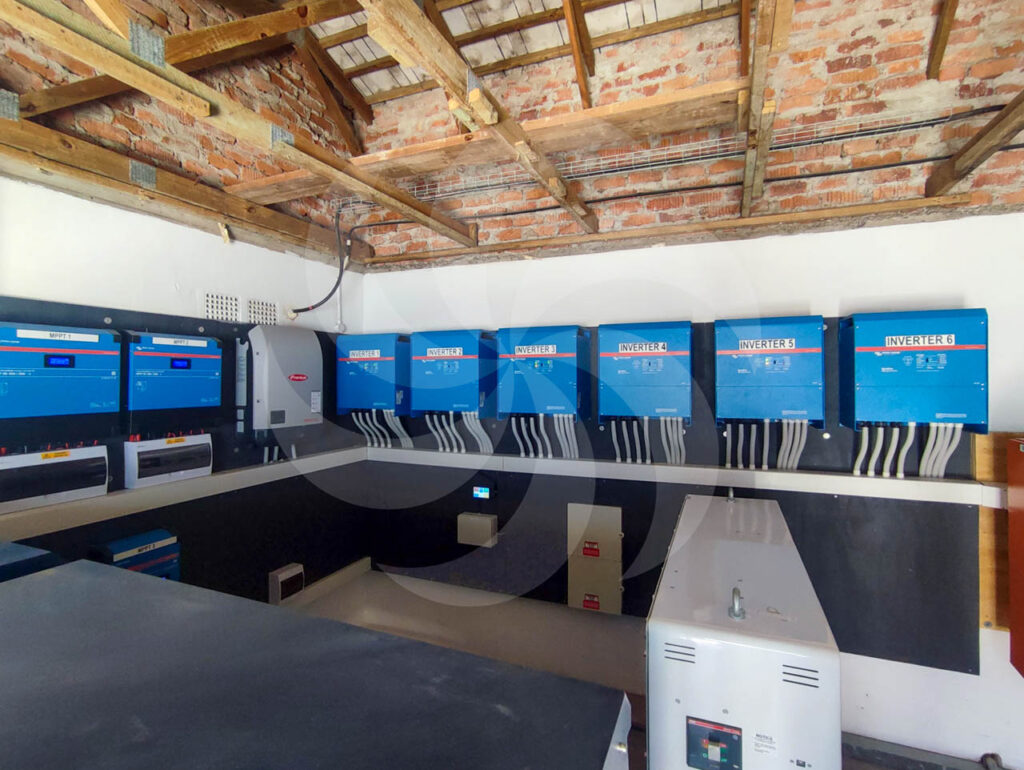
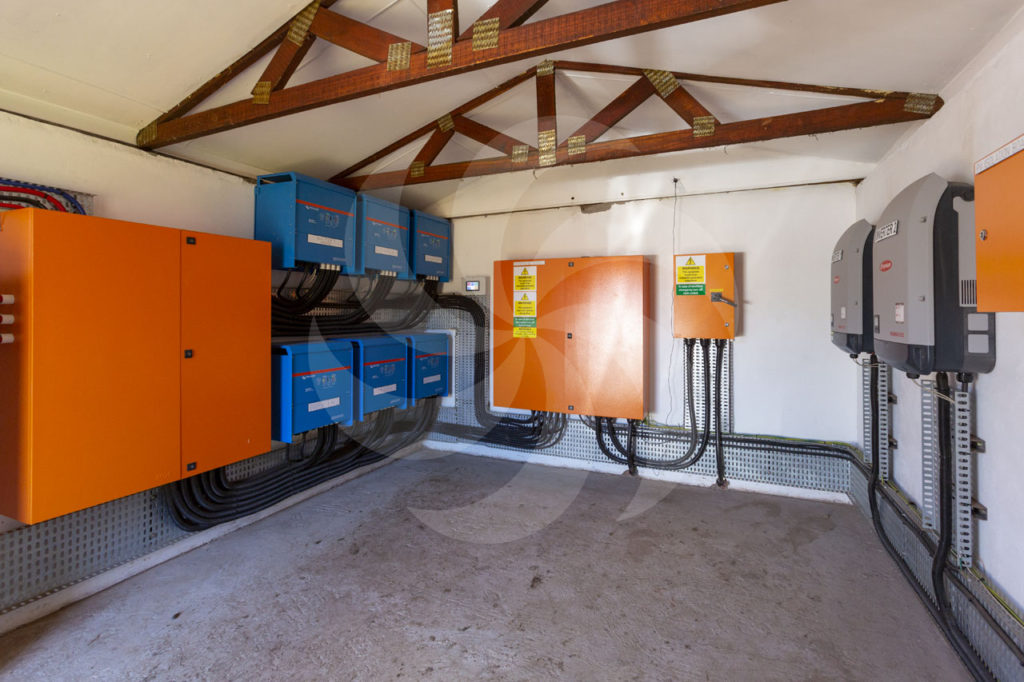
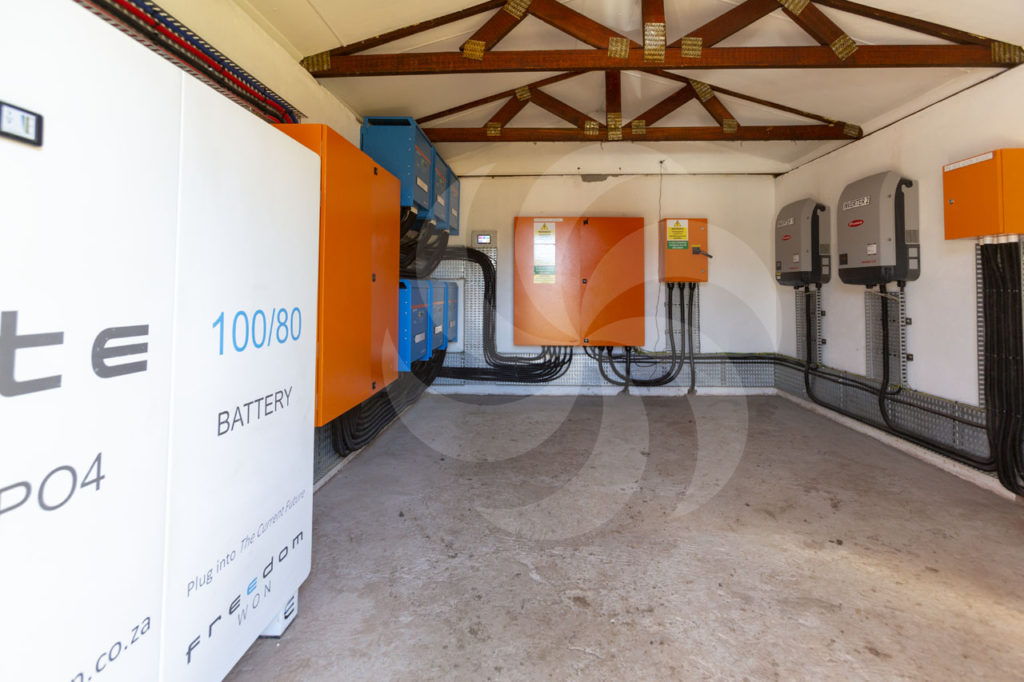
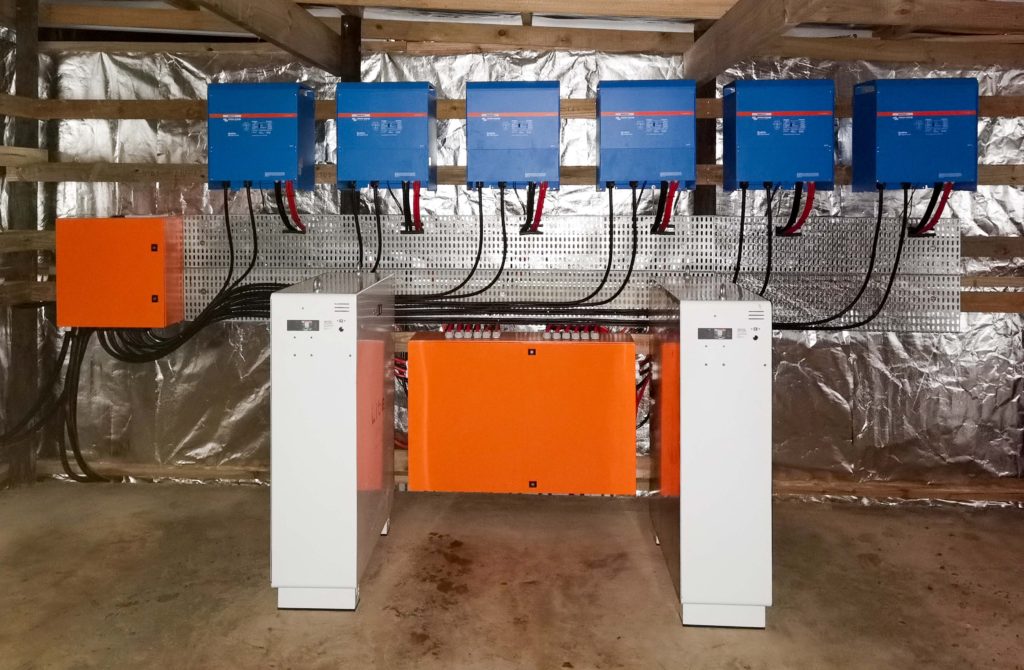
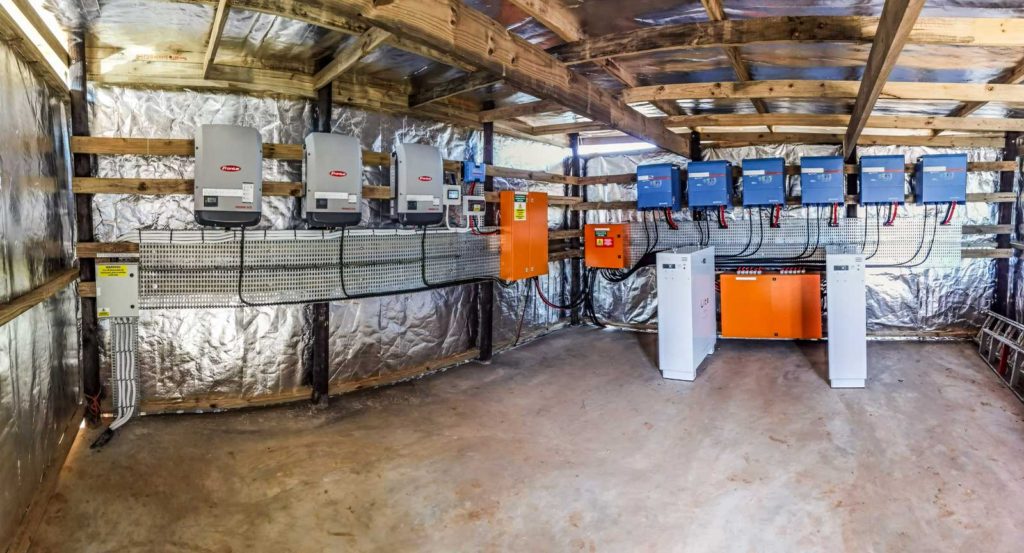
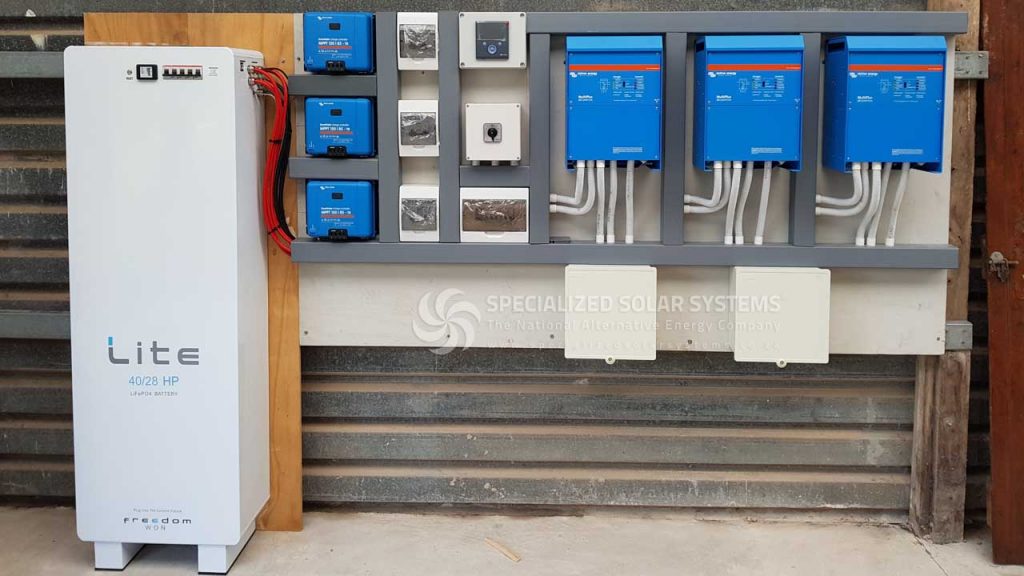
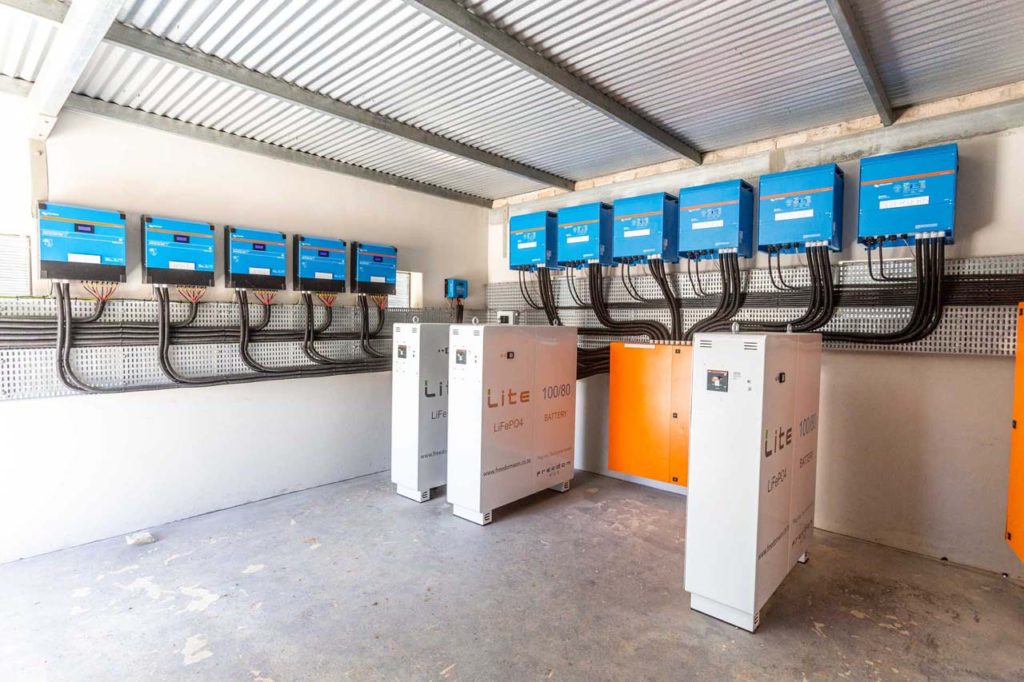
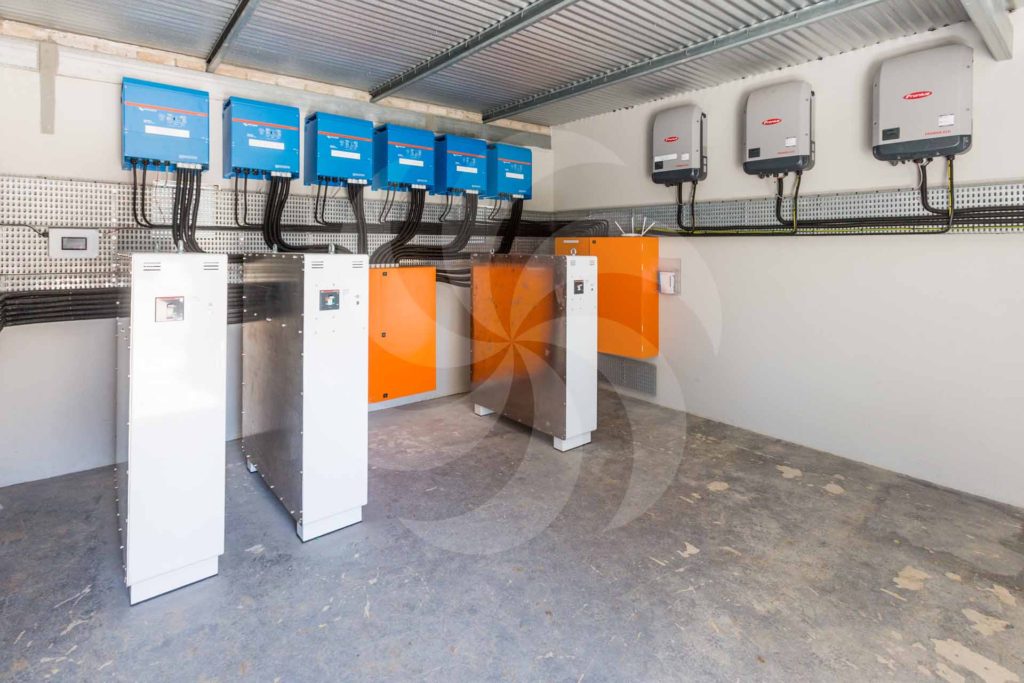
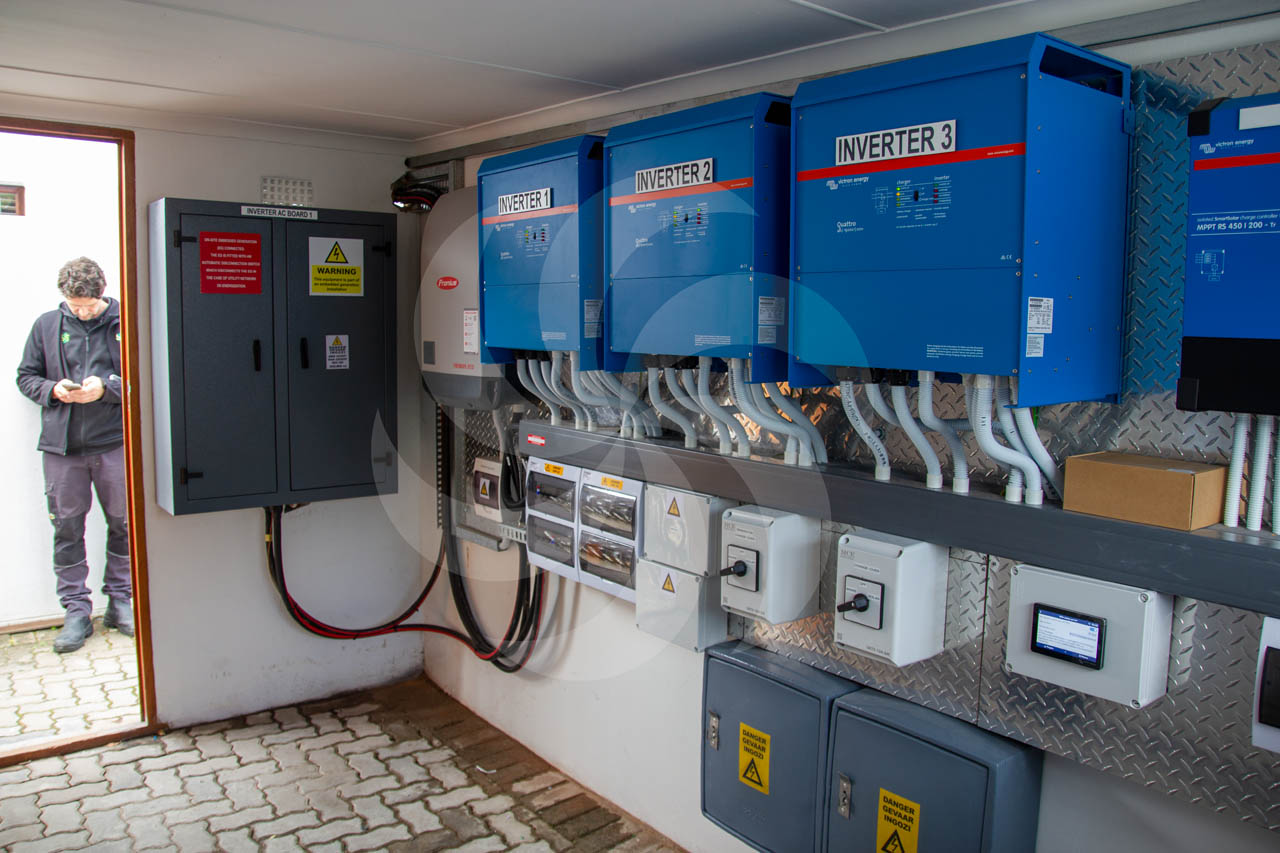
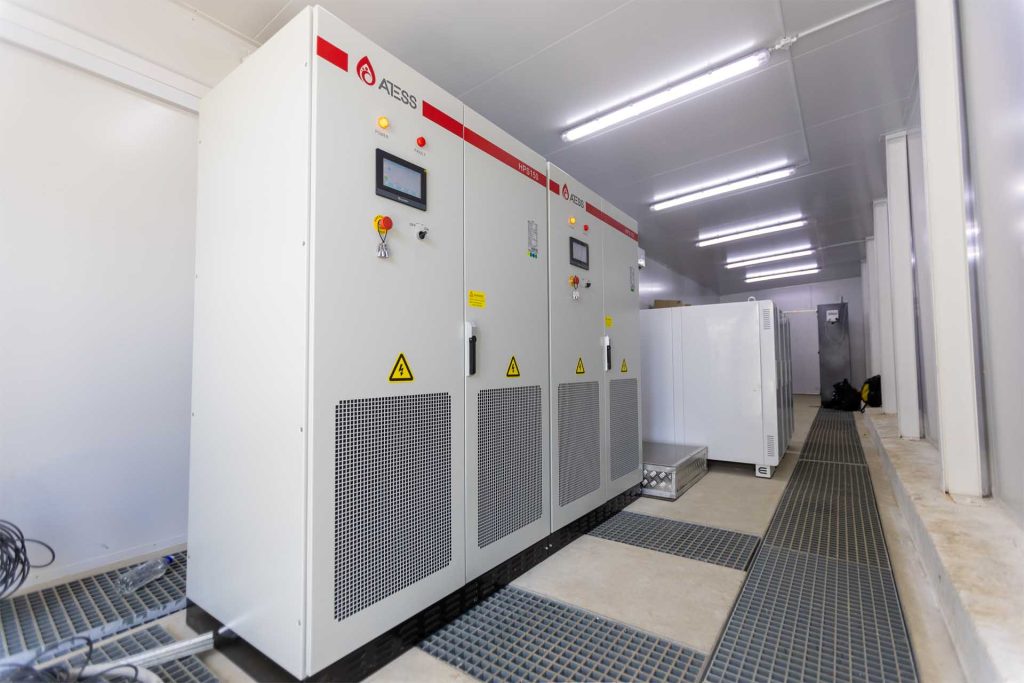
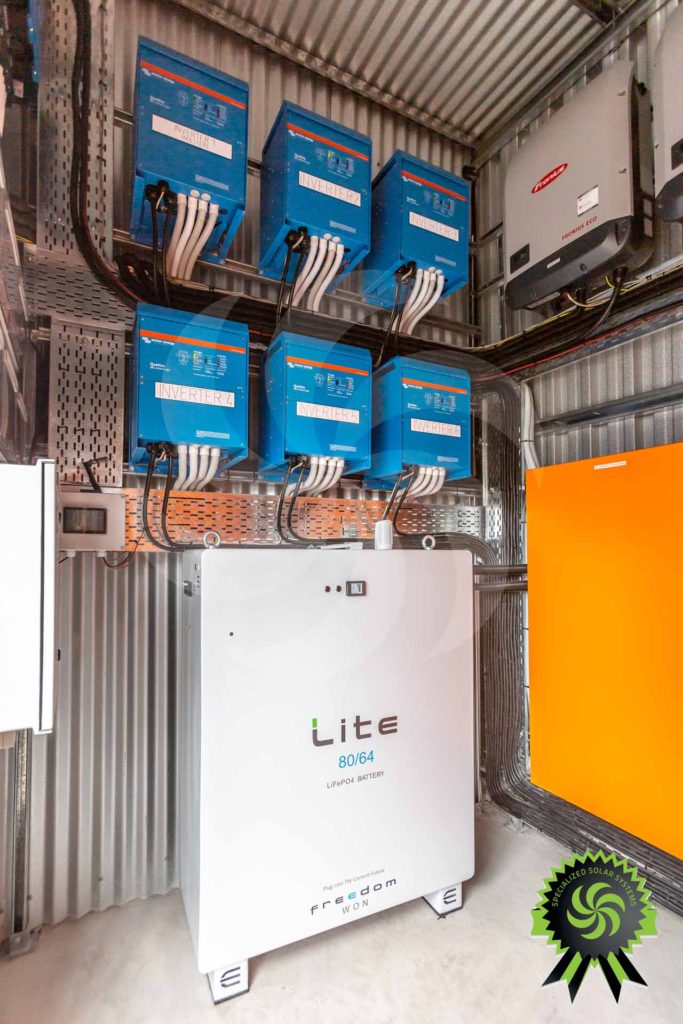
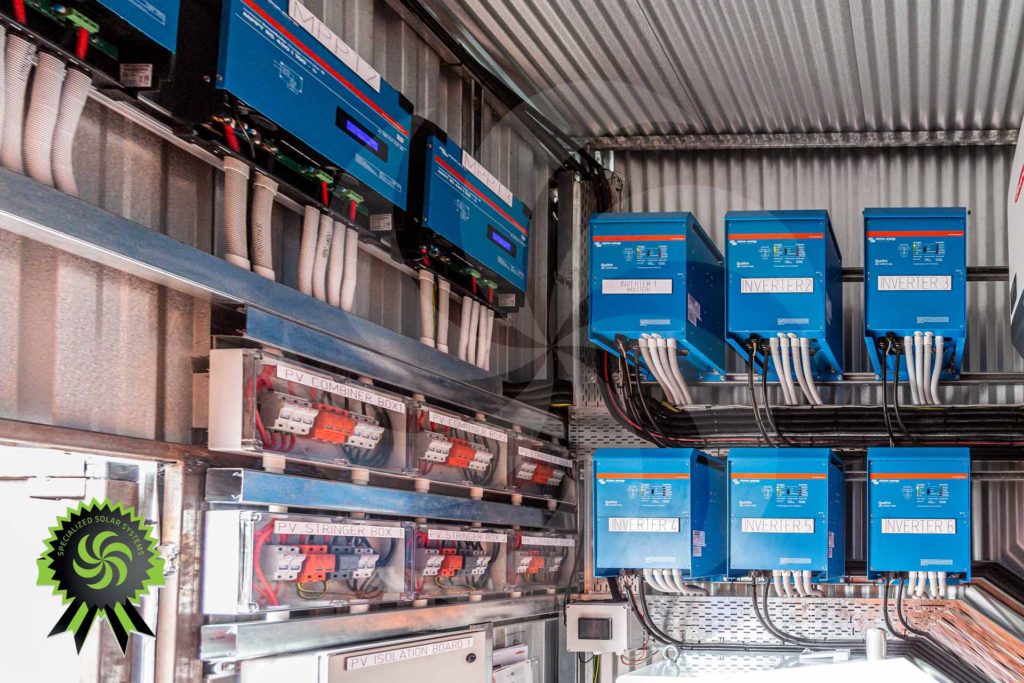
At Specialized Solar Systems, integrated solutions such as the energyPOD range can bring together solar, battery storage, grid or generator inputs and remote monitoring. The configuration must still match the application and its backup requirements.

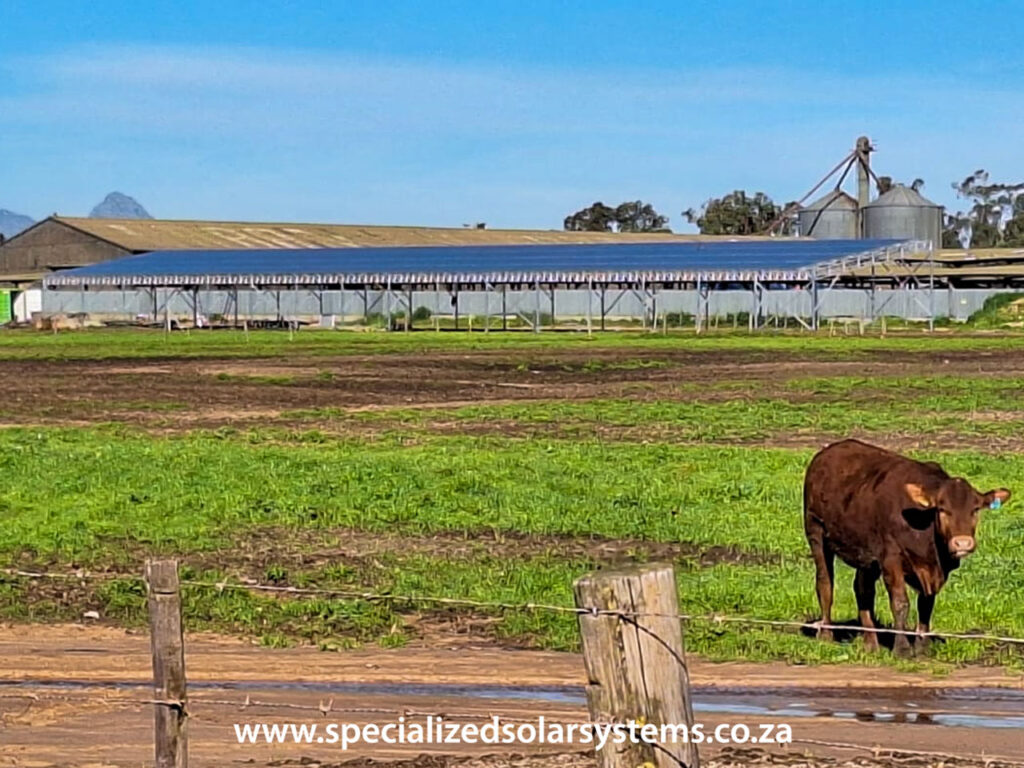
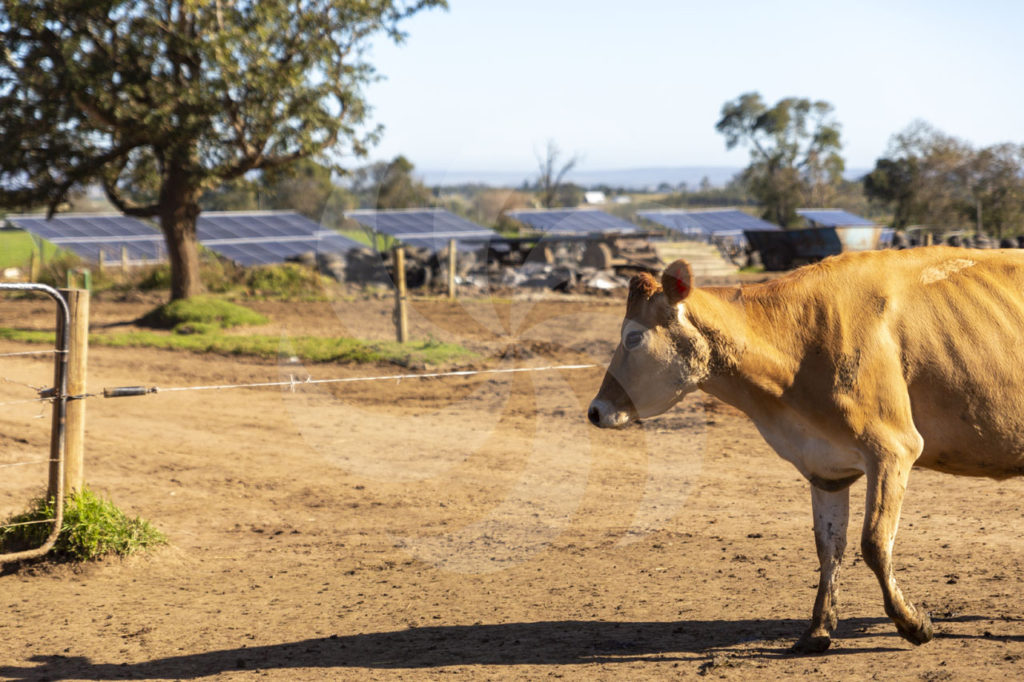
For a home, that conversation may begin with refrigeration, lighting and connectivity. For a farm or business, it may begin with pumping, cold storage or essential operations.

The aim is not automatically to buy more equipment. It is to understand what matters, check what is already installed and address any gaps.

The best time to understand your backup is while the lights are still on.

Contact Specialized Solar Systems to discuss your existing installation or backup requirements.

044 878 1126
[email protected]

More Than Solar. Powering Possibility.

Voted Best Solar Company in George – 2024 • 2025 • 2026.

This article provides general preparedness guidance, not a system-specific operating procedure. Follow your installer’s and equipment manufacturer’s instructions. Electrical inspection, repairs and configuration changes should be handled by appropriately qualified personnel.