Off-grid Solar Power Systems


Residential off-grid solar systems
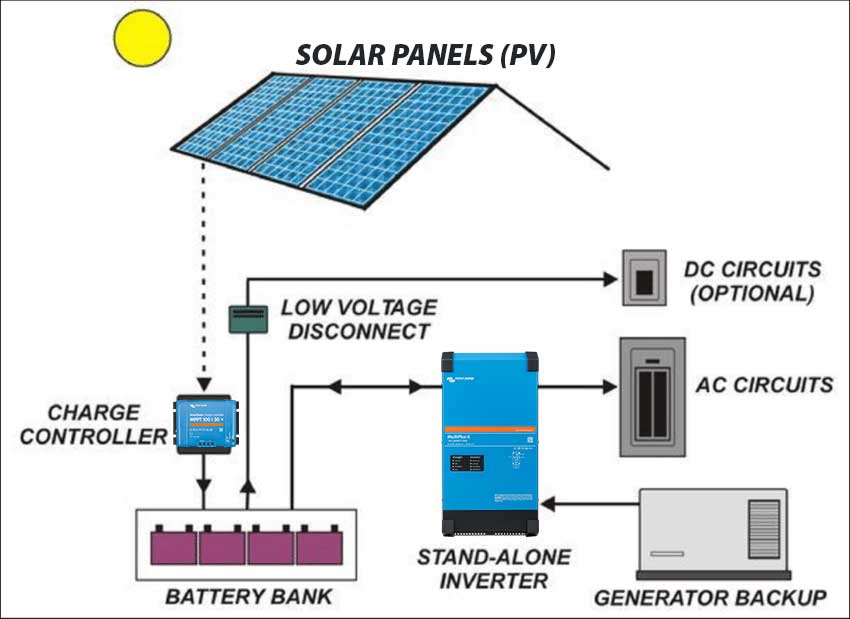
A residential off-grid solar system allows your home to operate completely independent of the utility grid. It generates, stores, and manages energy on-site, so you can power your home reliably without relying on external supply. In addition, these systems are designed around your actual energy usage to ensure consistent performance.
How an off-grid system works
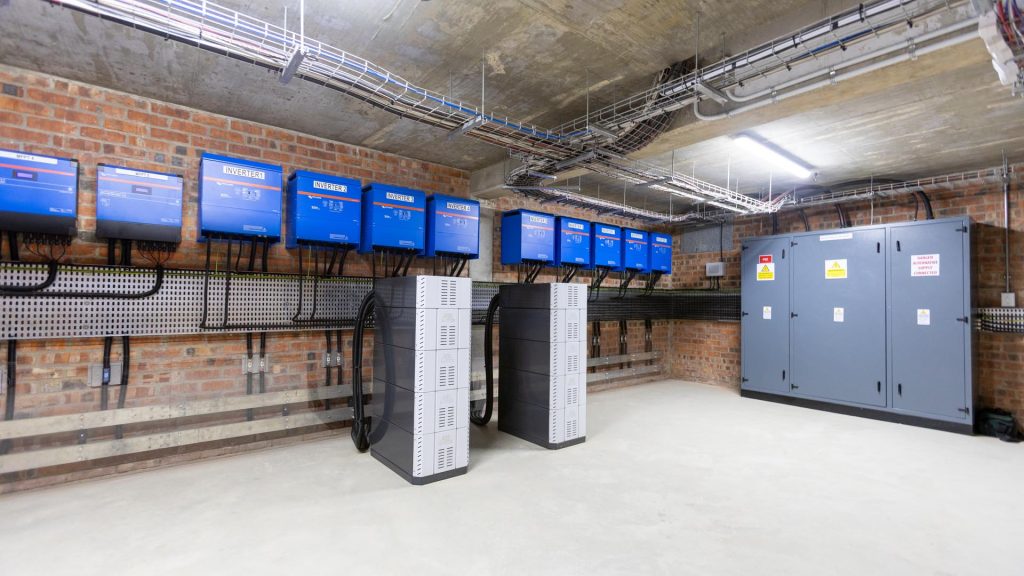
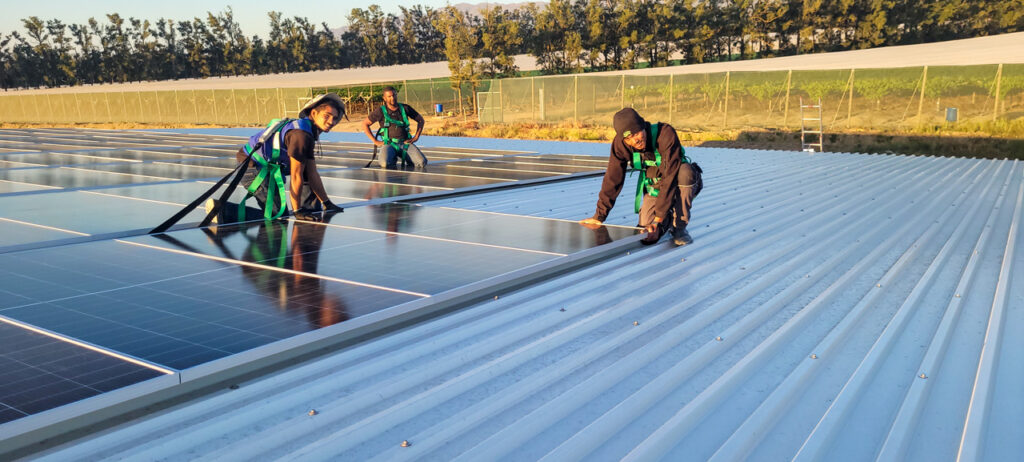
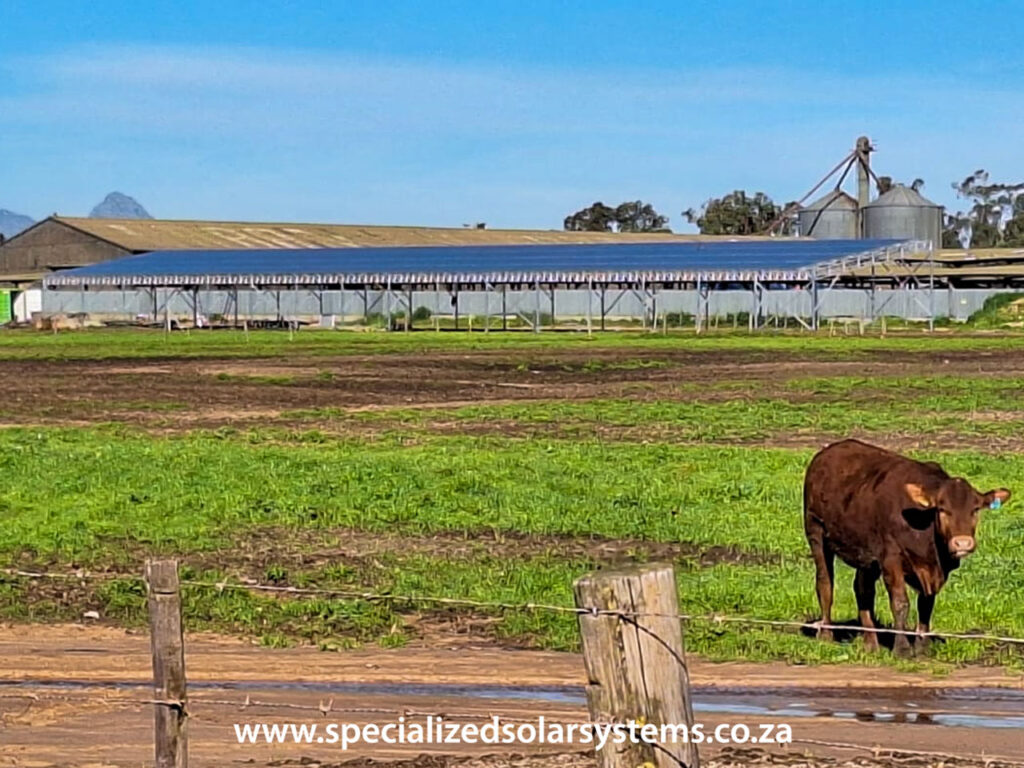
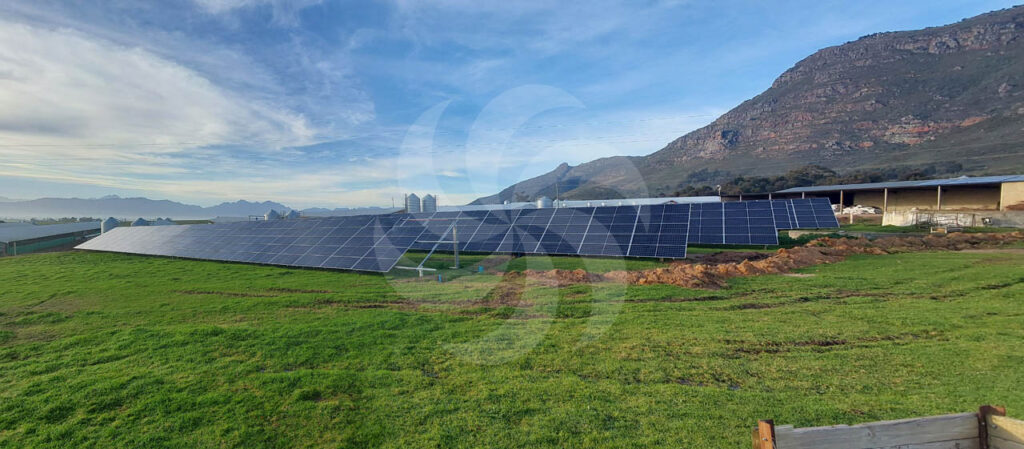
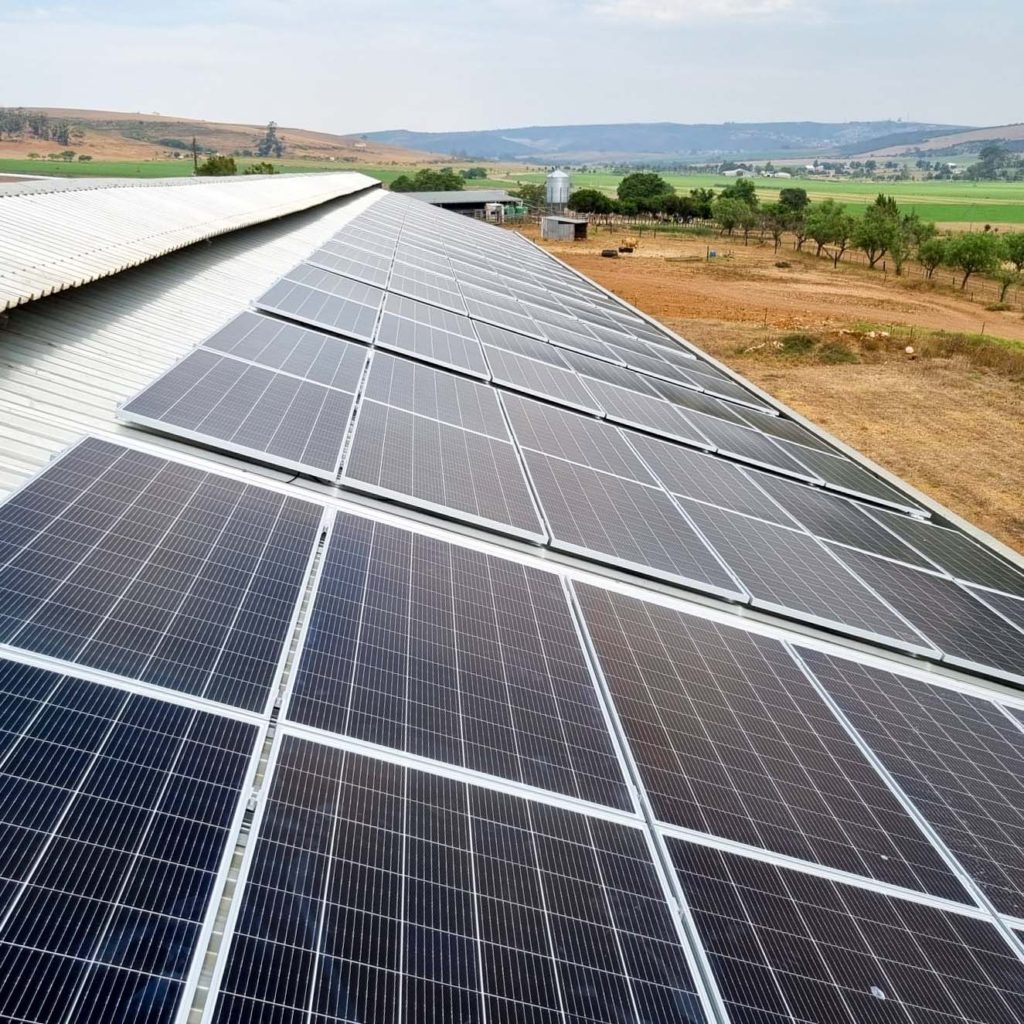
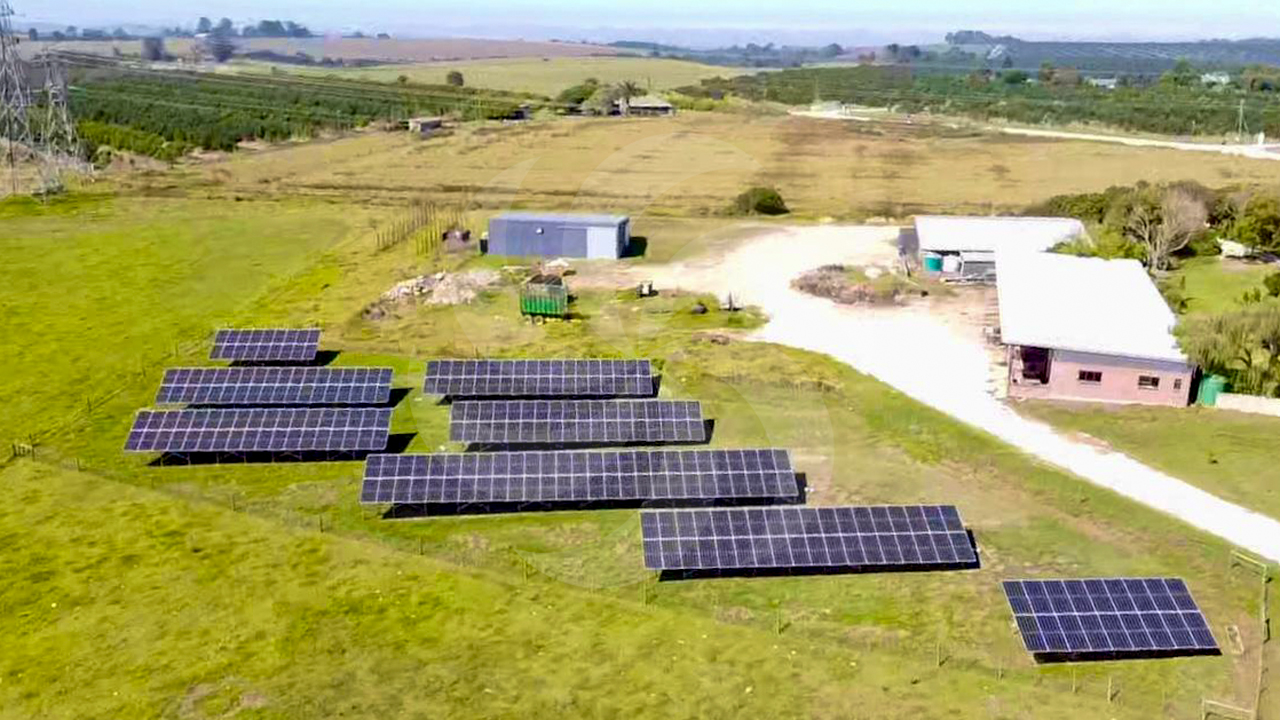
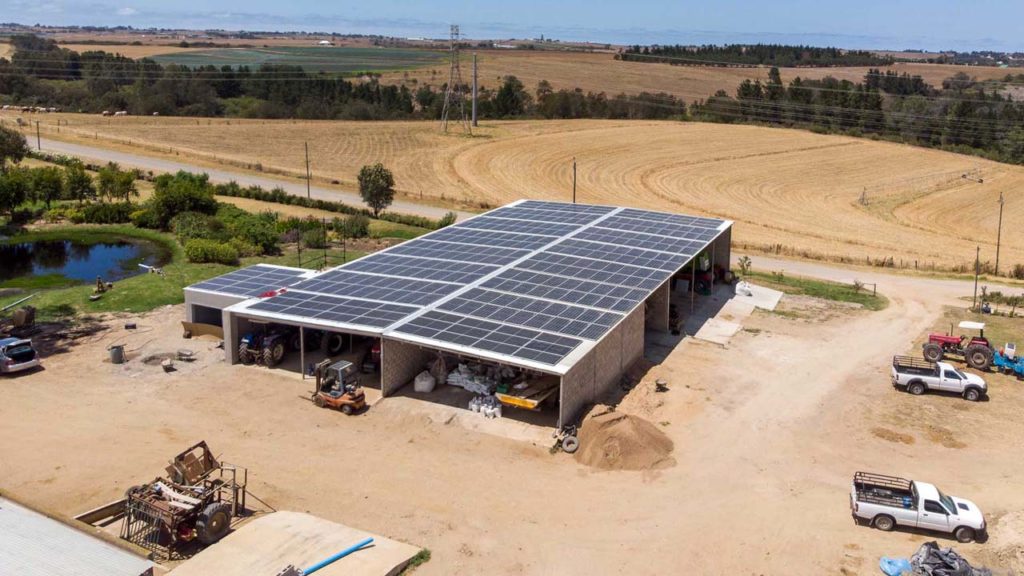
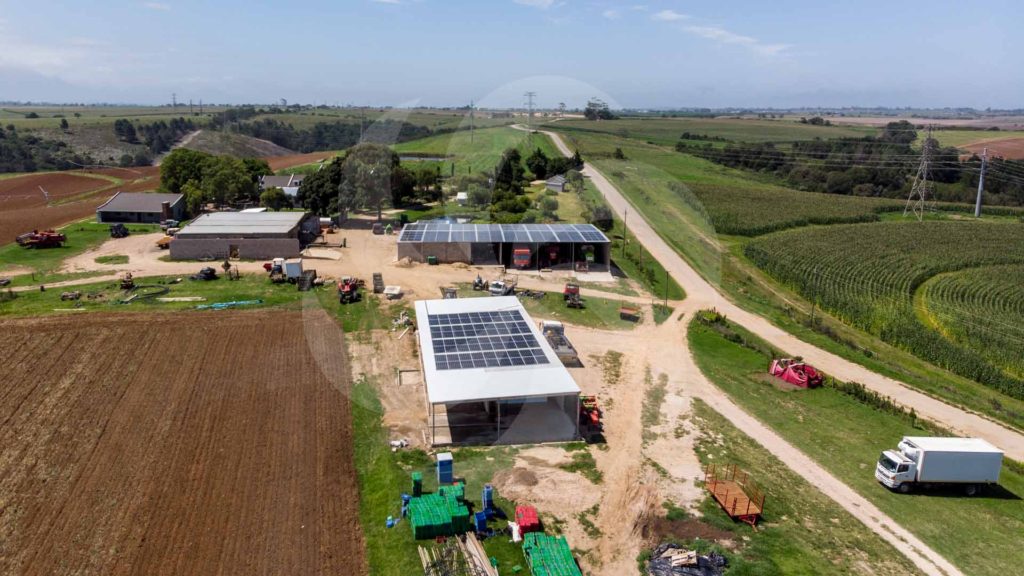
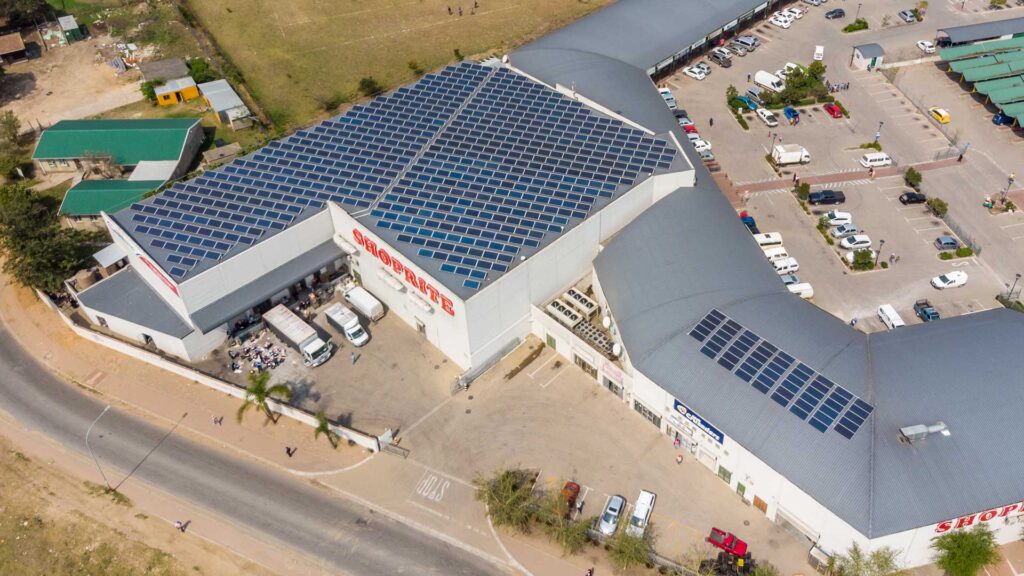
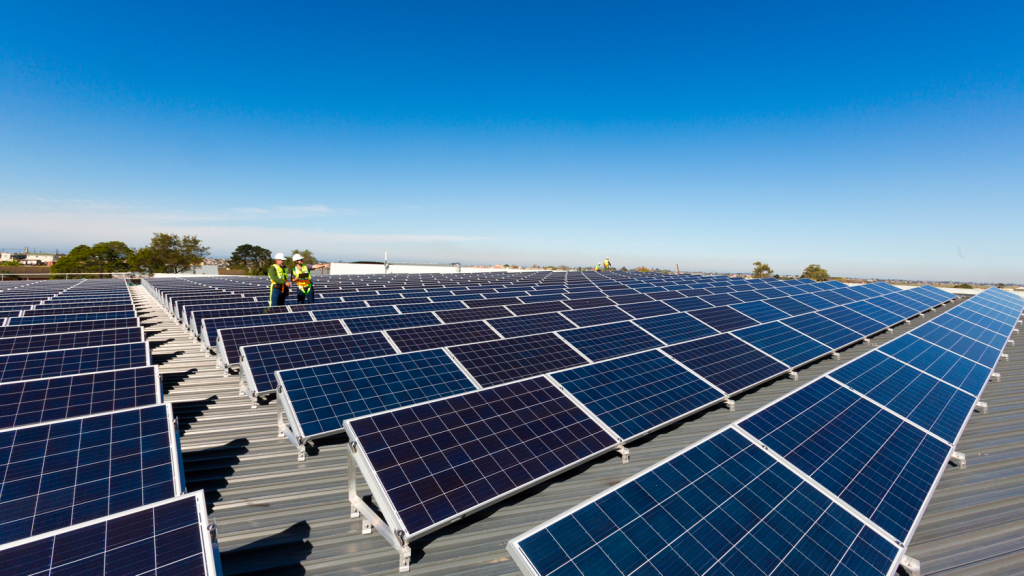
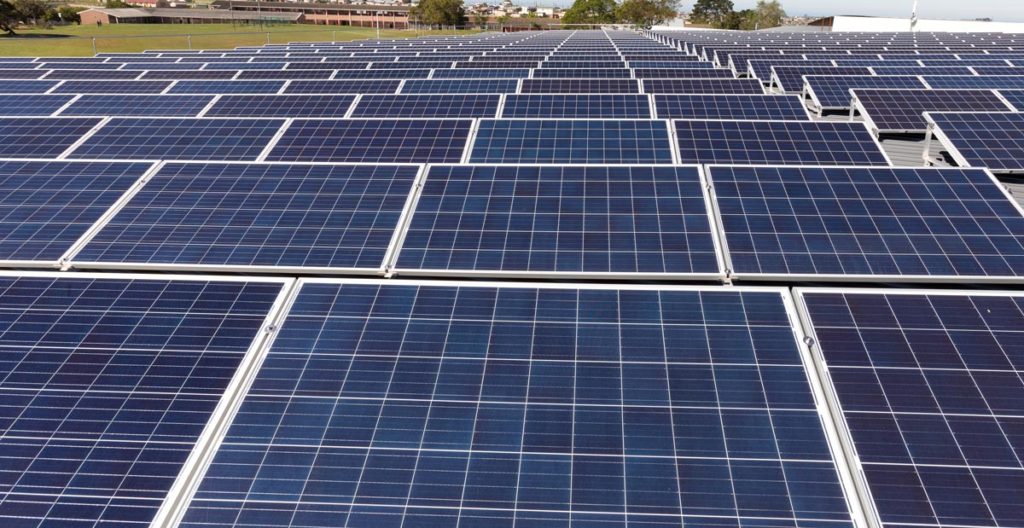
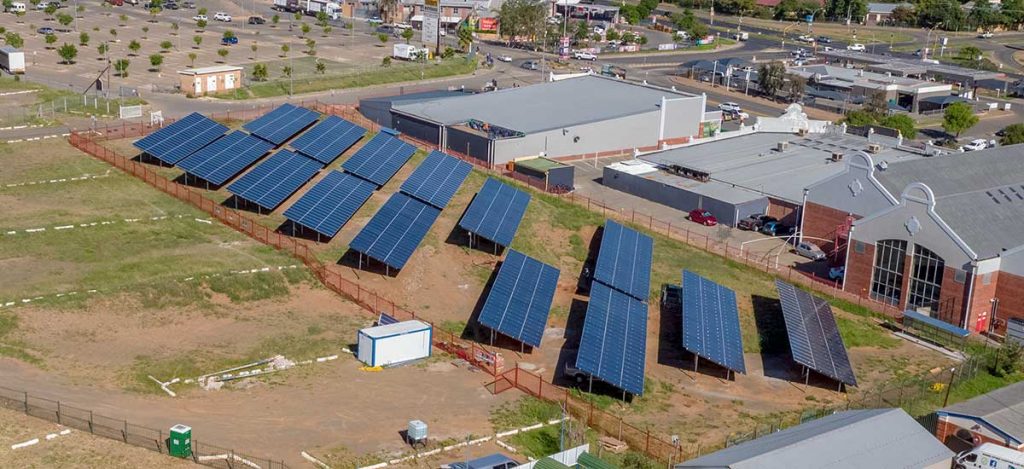
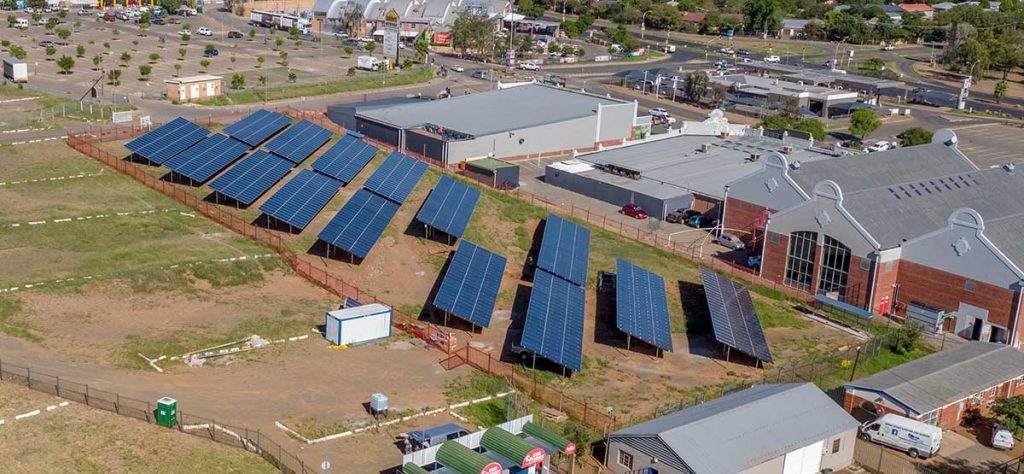
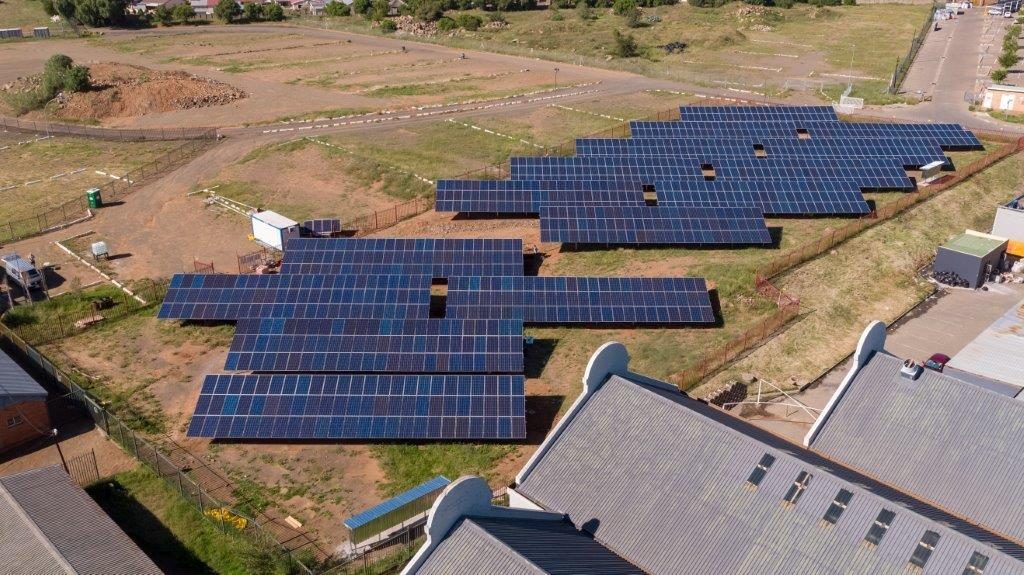
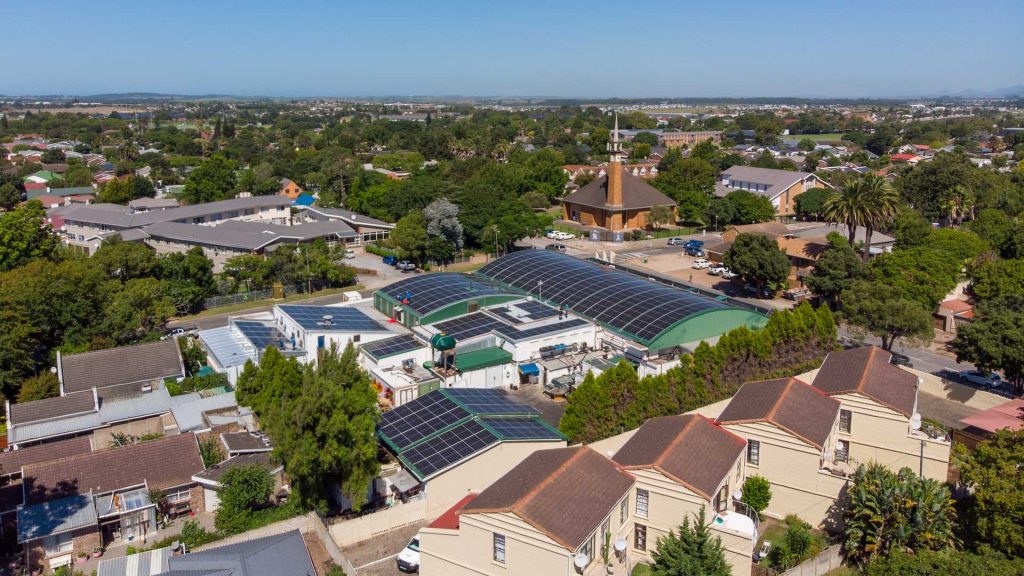
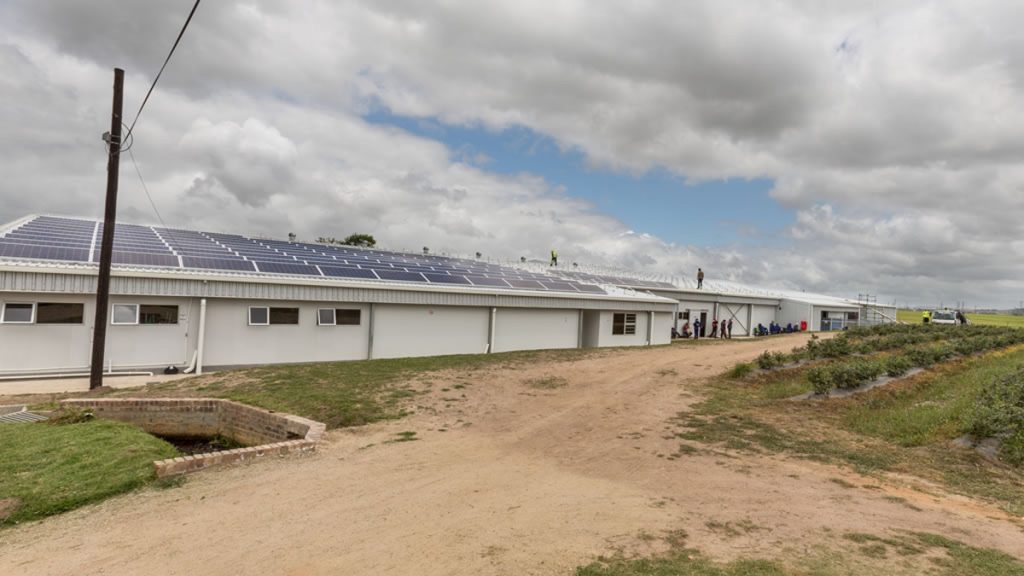
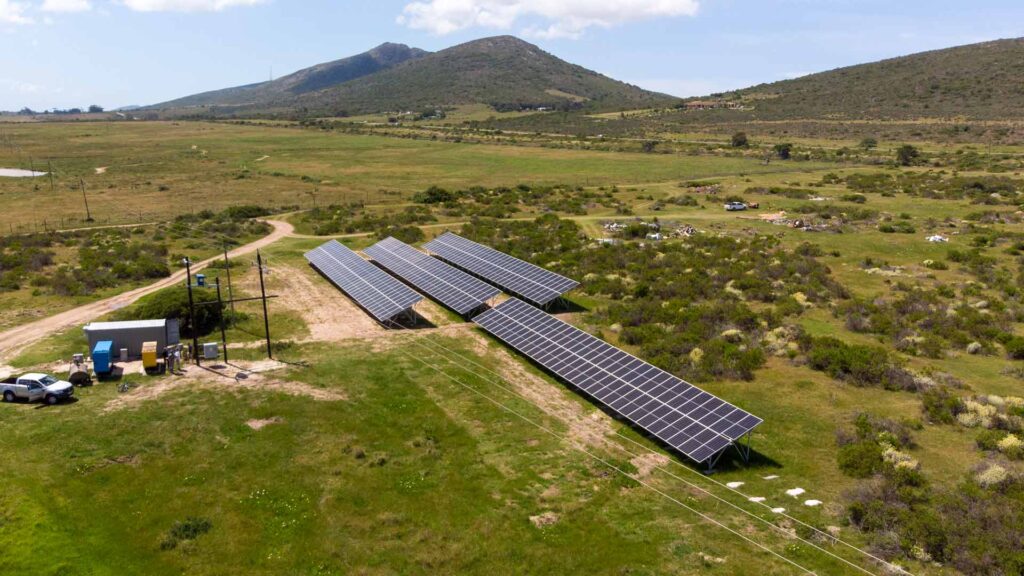
- Solar panels generate electricity during the day from sunlight, and they supply energy directly to the system.
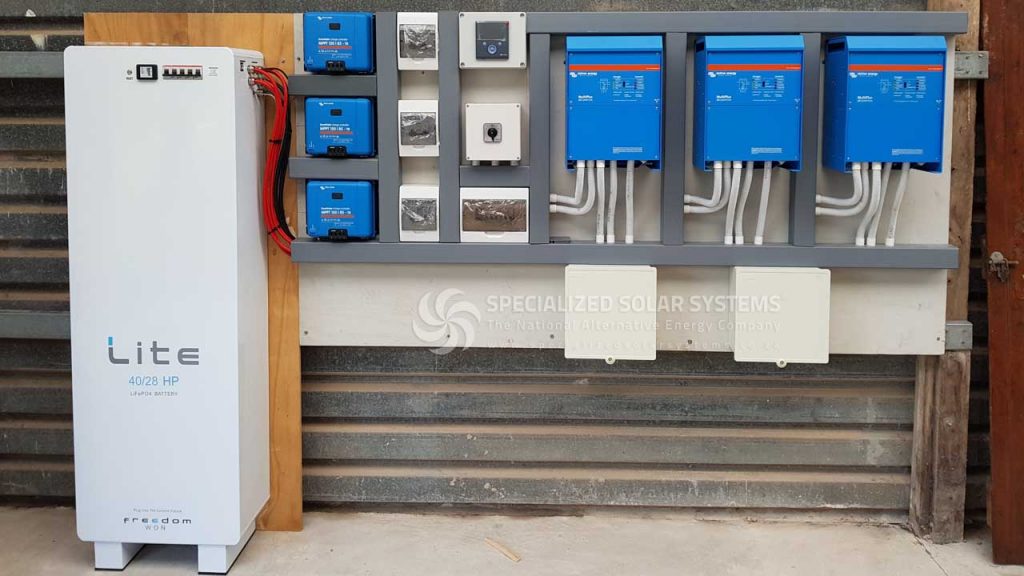
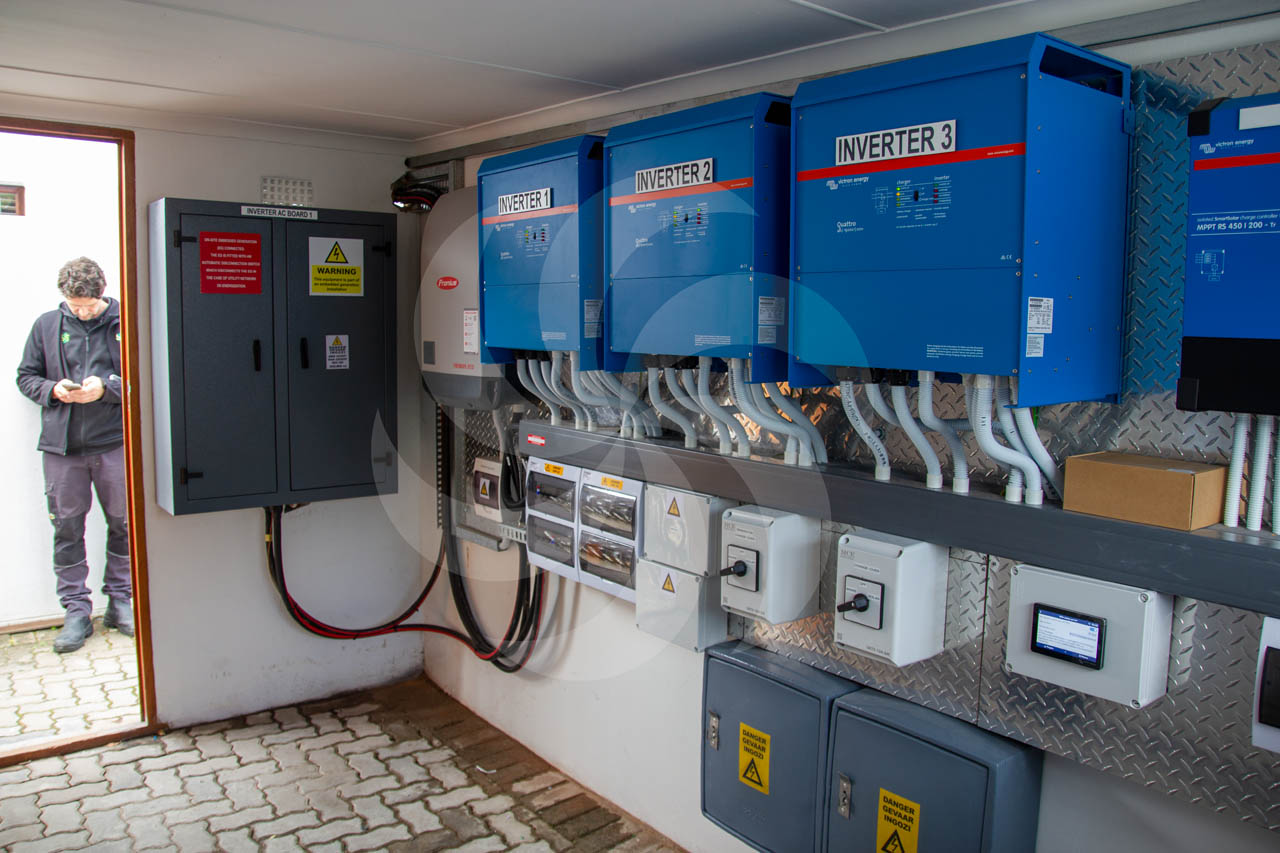
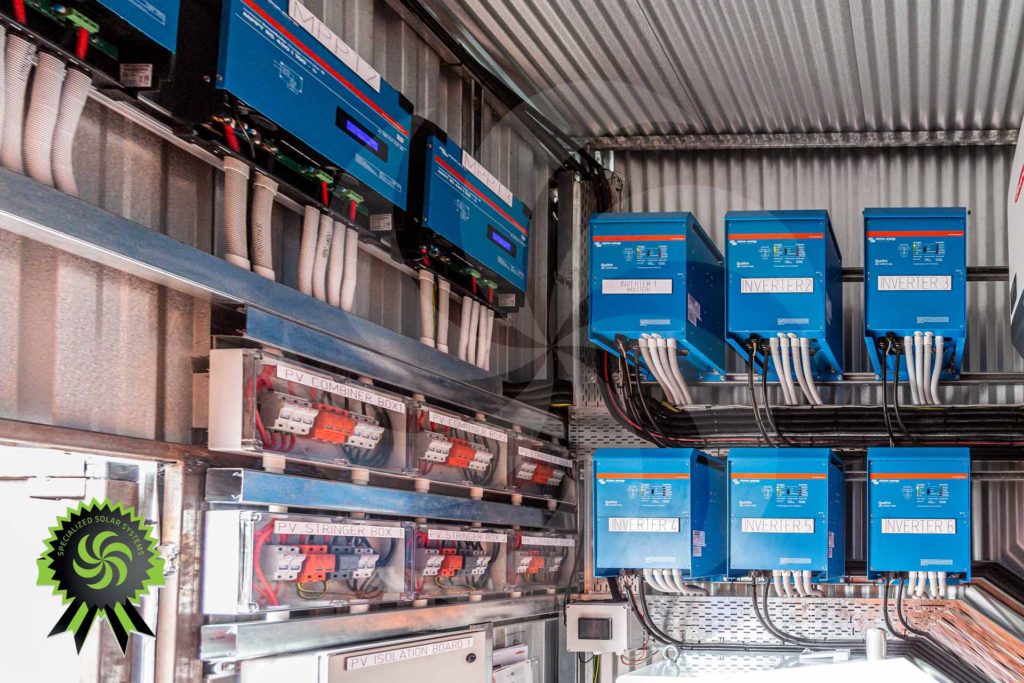
- A solar charge controller regulates the energy flow and protects the battery bank.
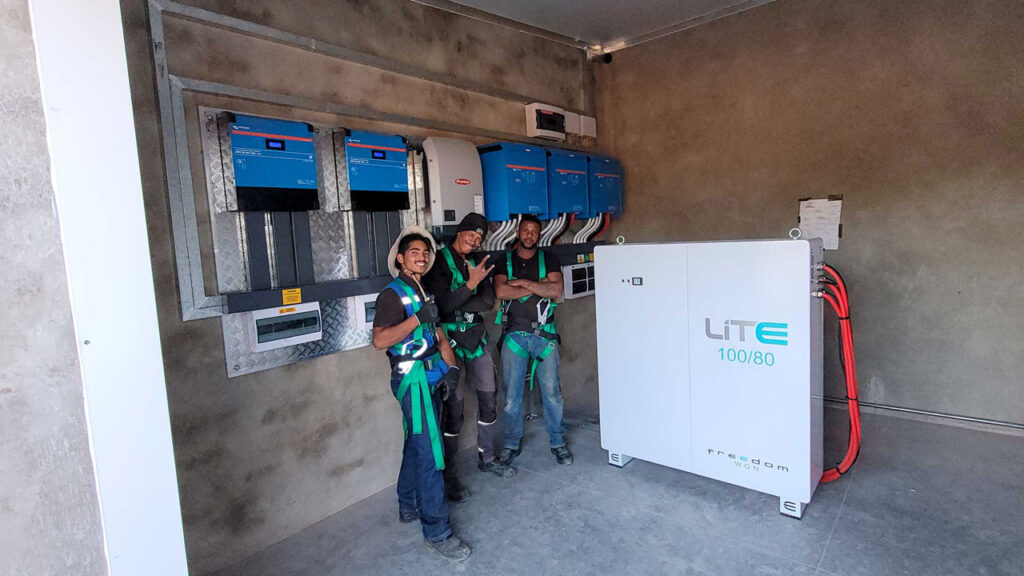
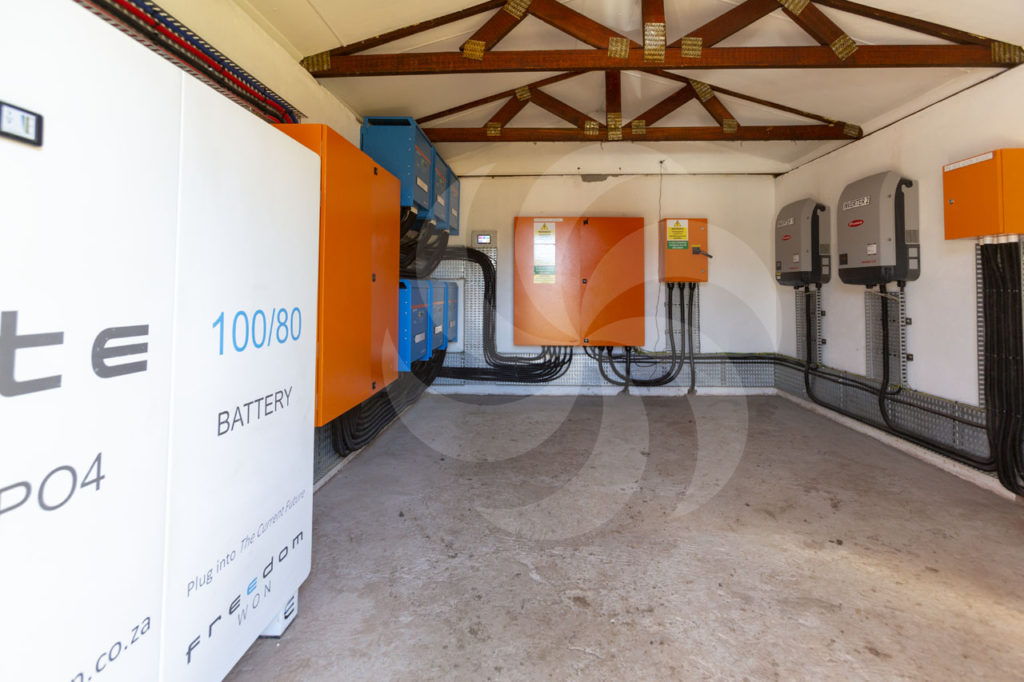
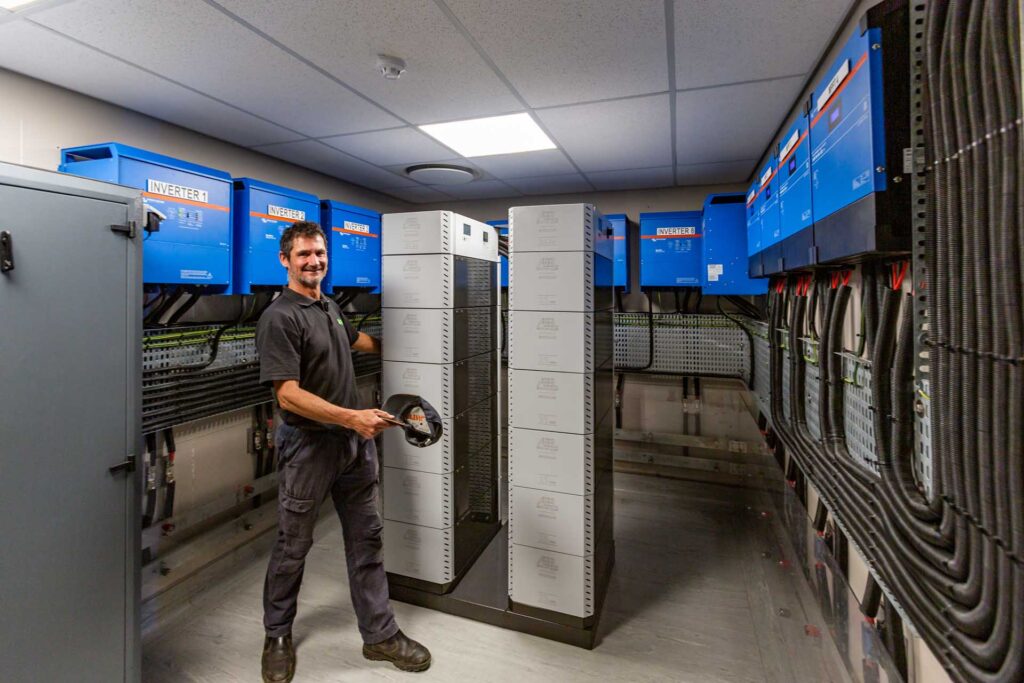
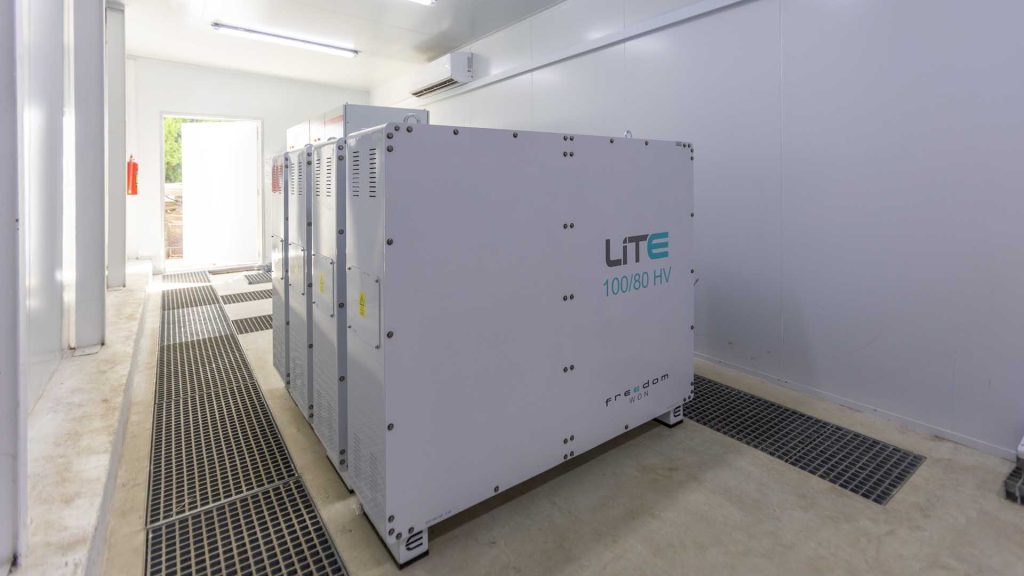
- Battery storage stores energy for use at night or during low solar production, ensuring continuous supply.
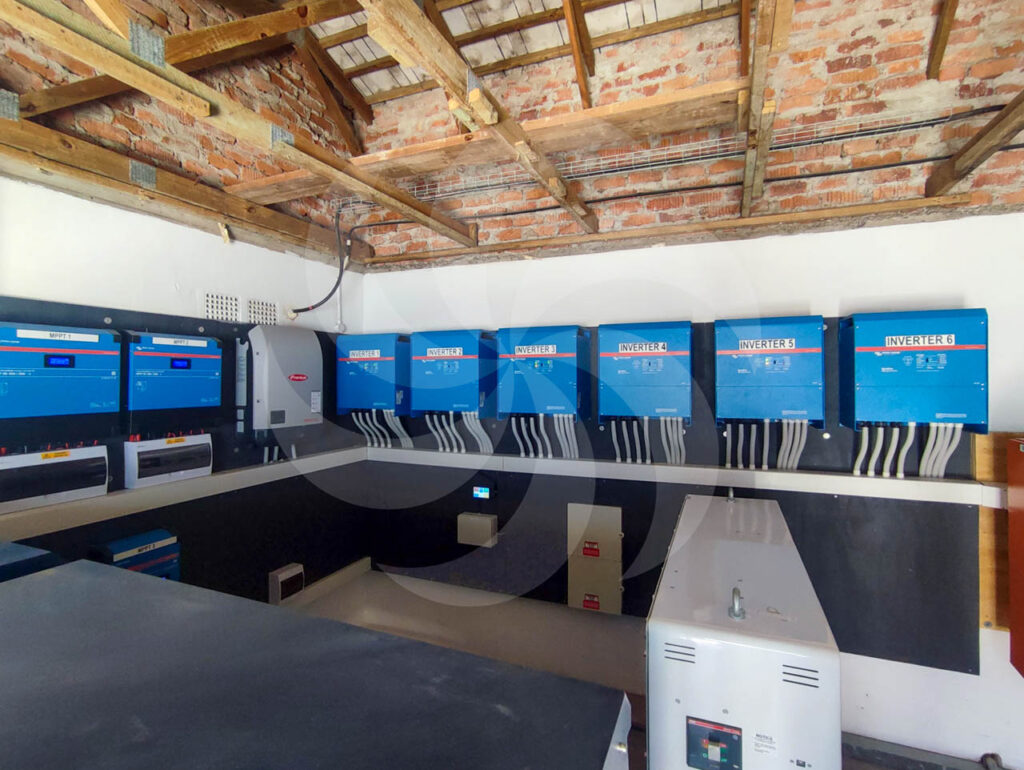
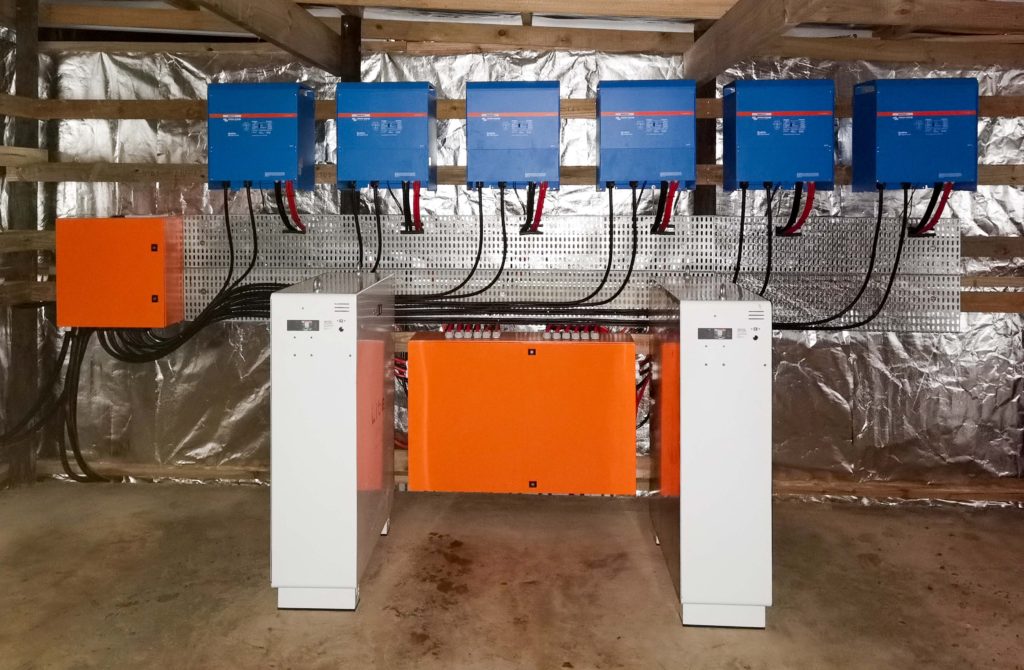
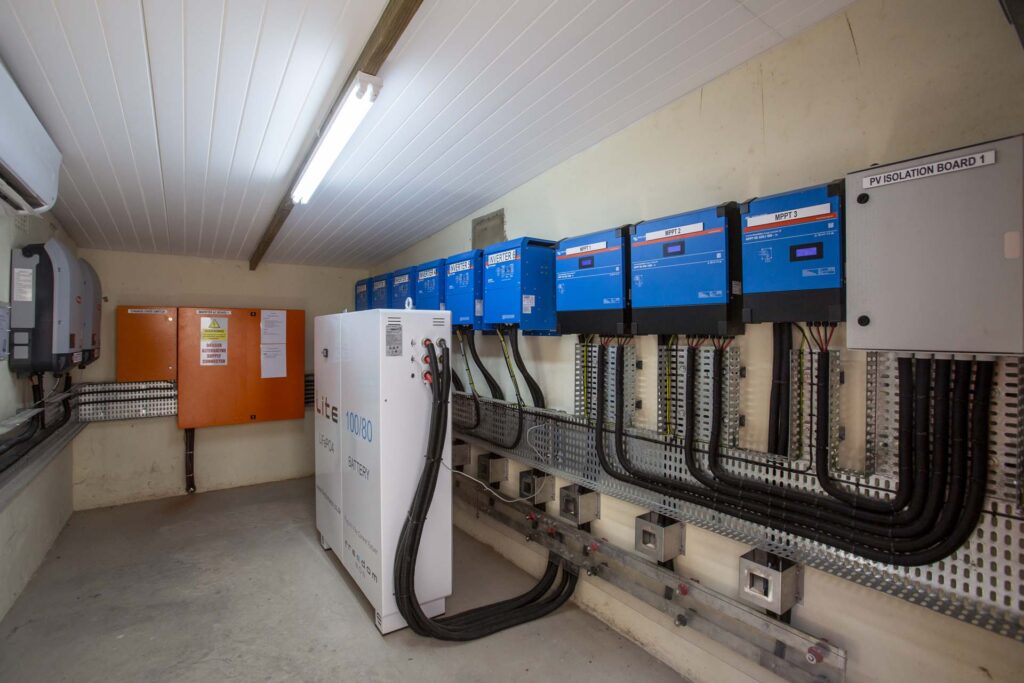
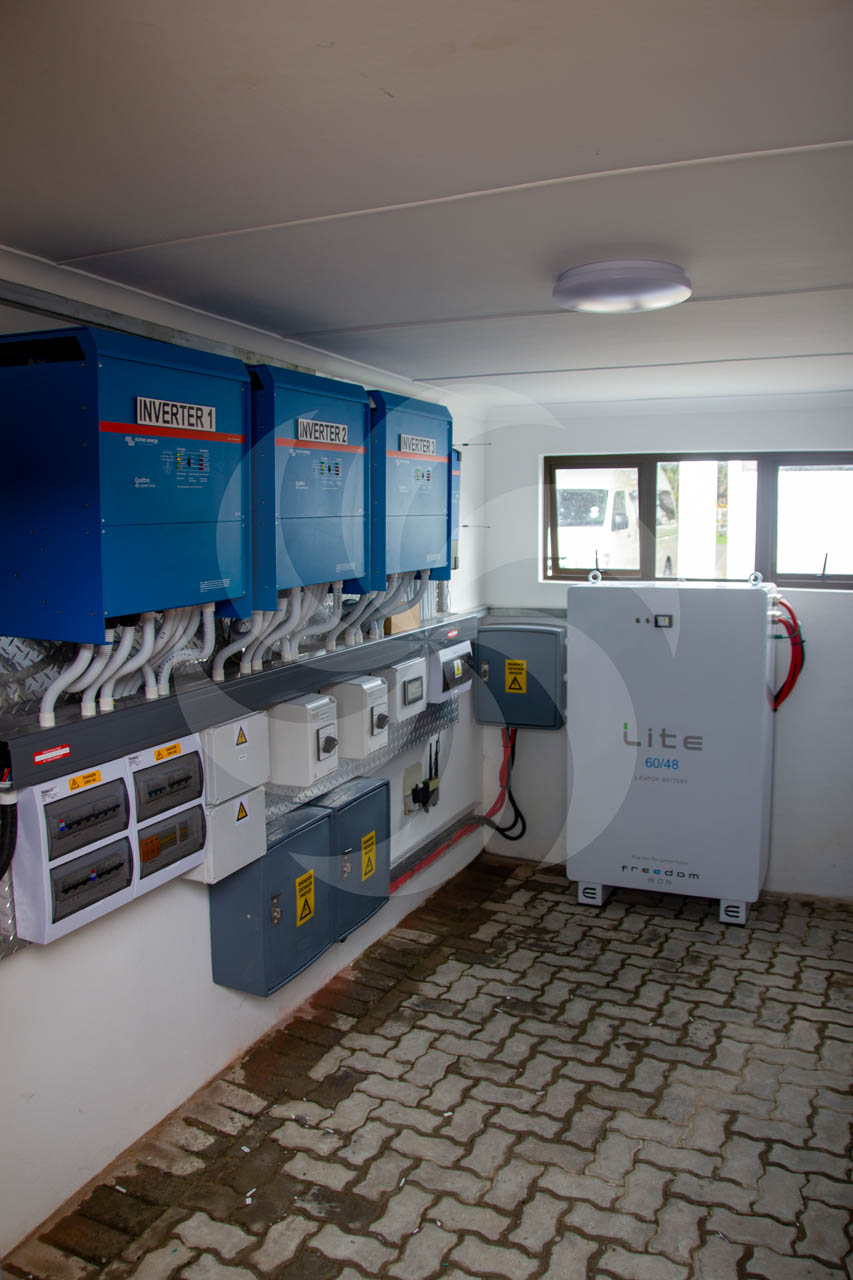
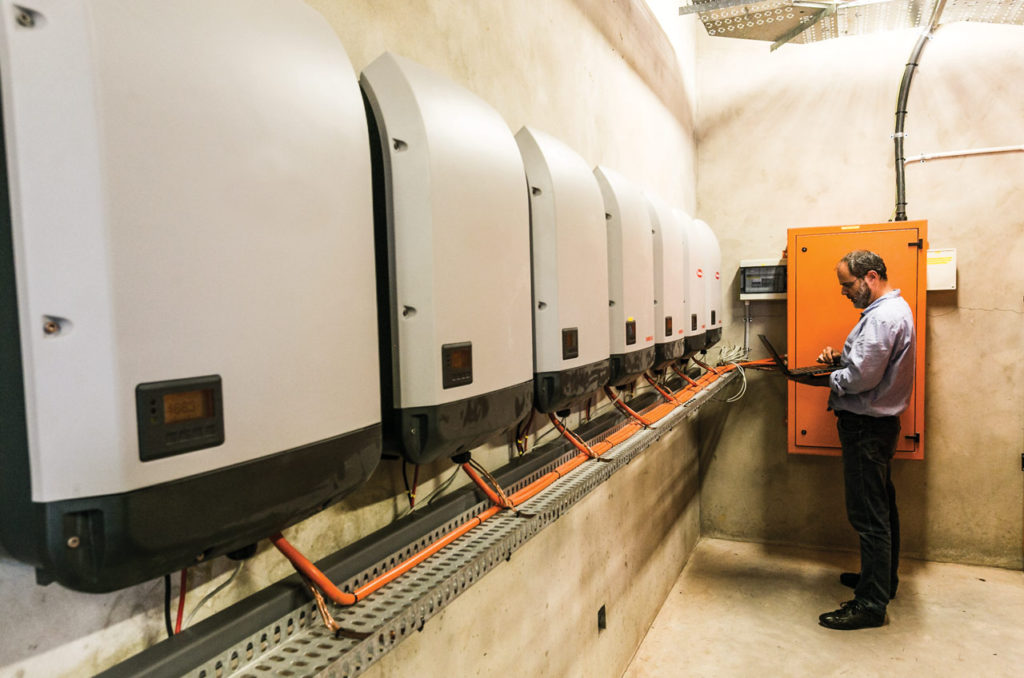
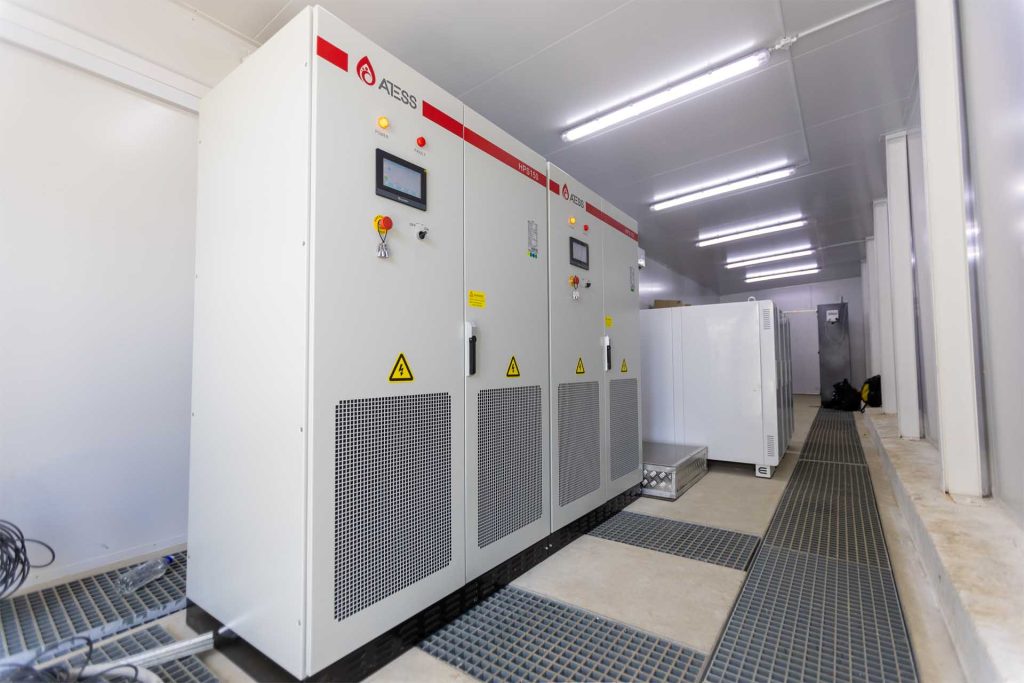
- An inverter converts stored DC energy into usable AC power for household appliances, so your home runs as normal.
- A backup generator can also support the system during extended periods of low solar availability.
Key components
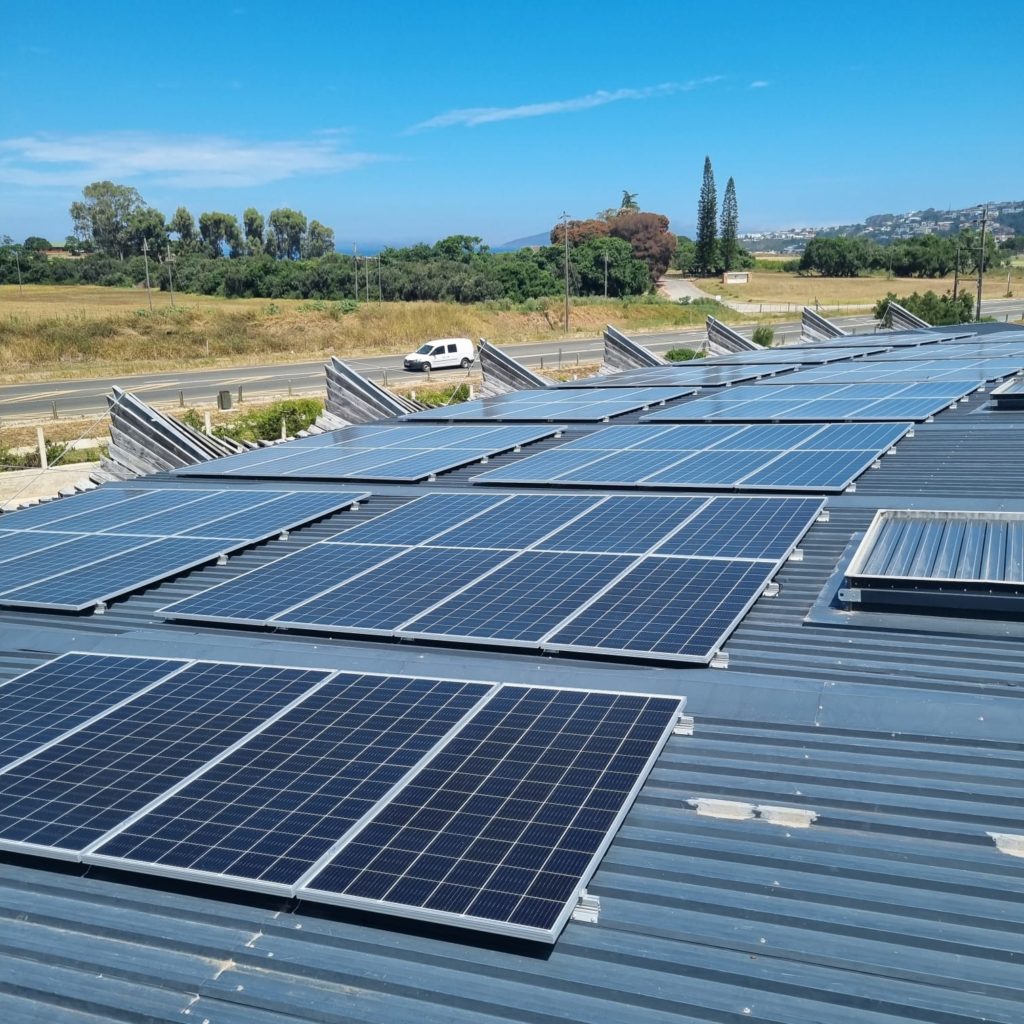
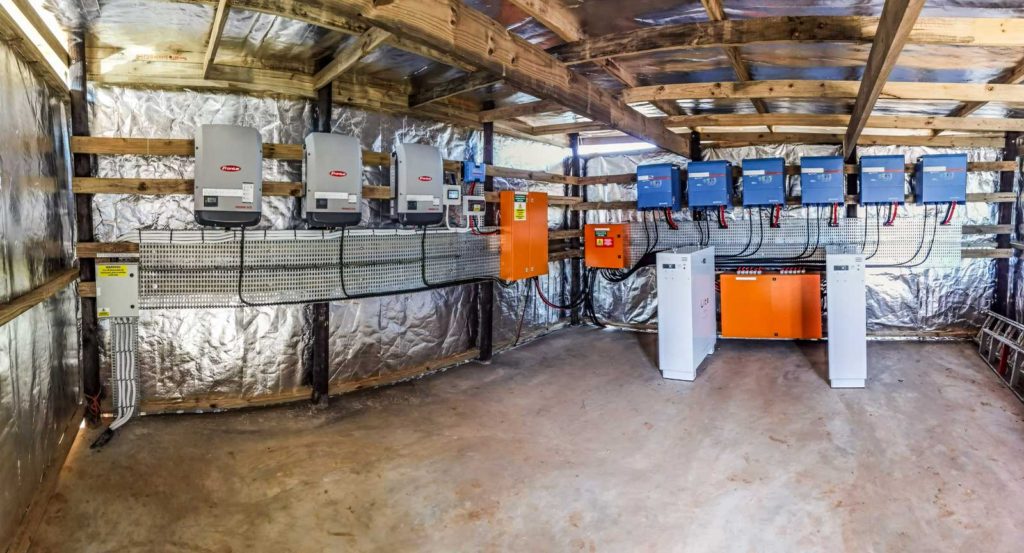
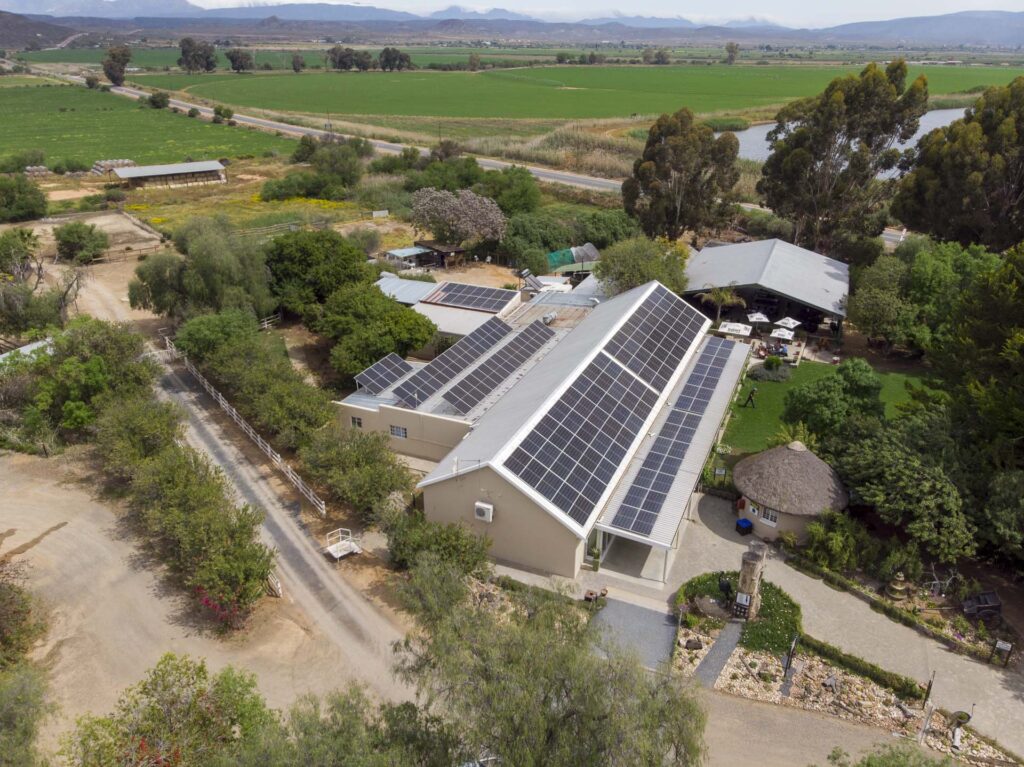
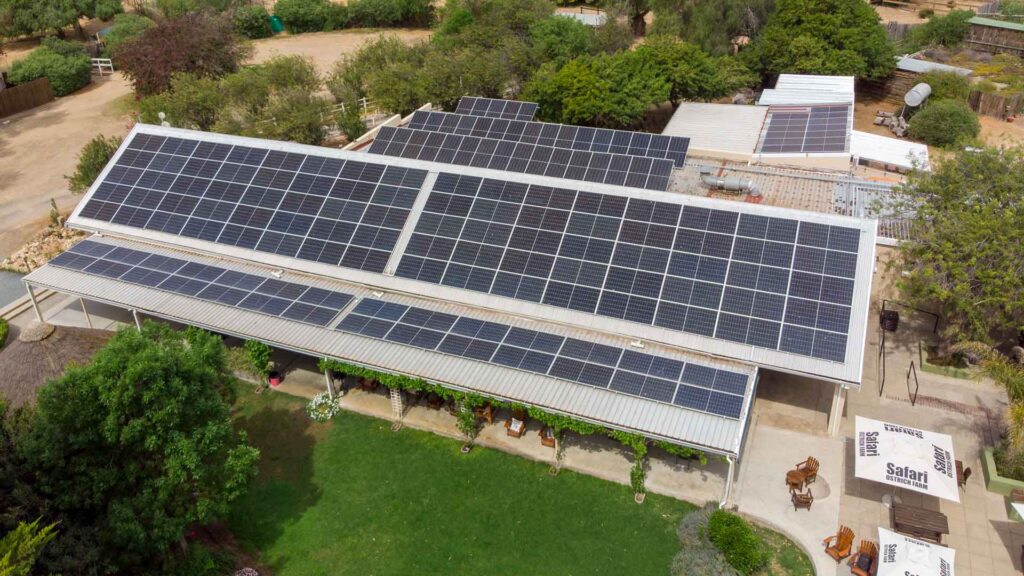
- Solar panels: sized based on daily energy demand and available sunlight, ensuring efficient generation.
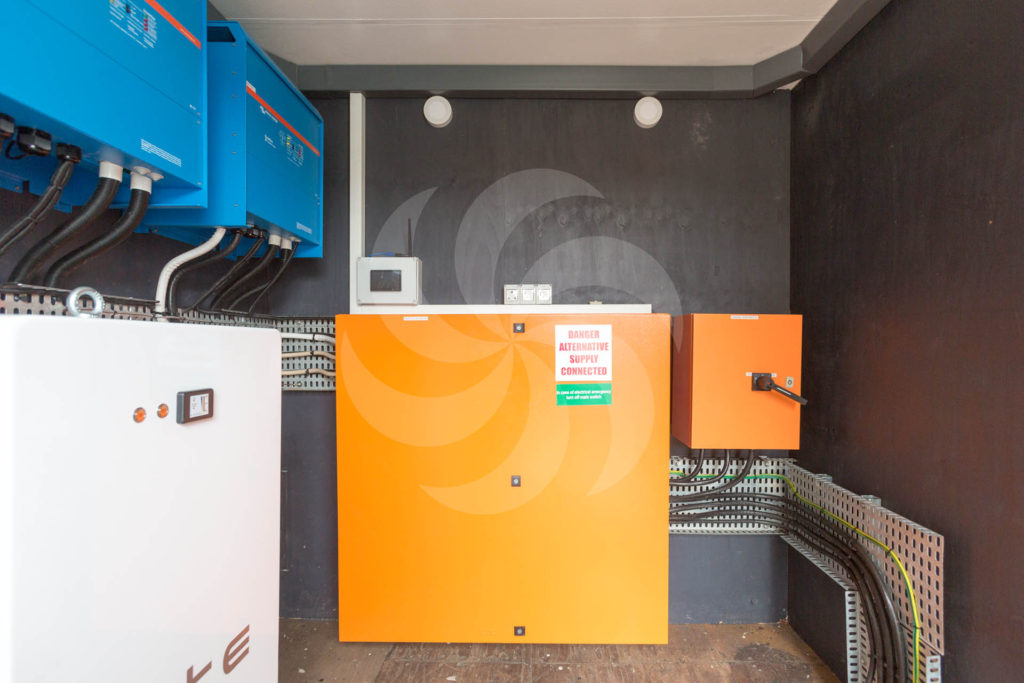
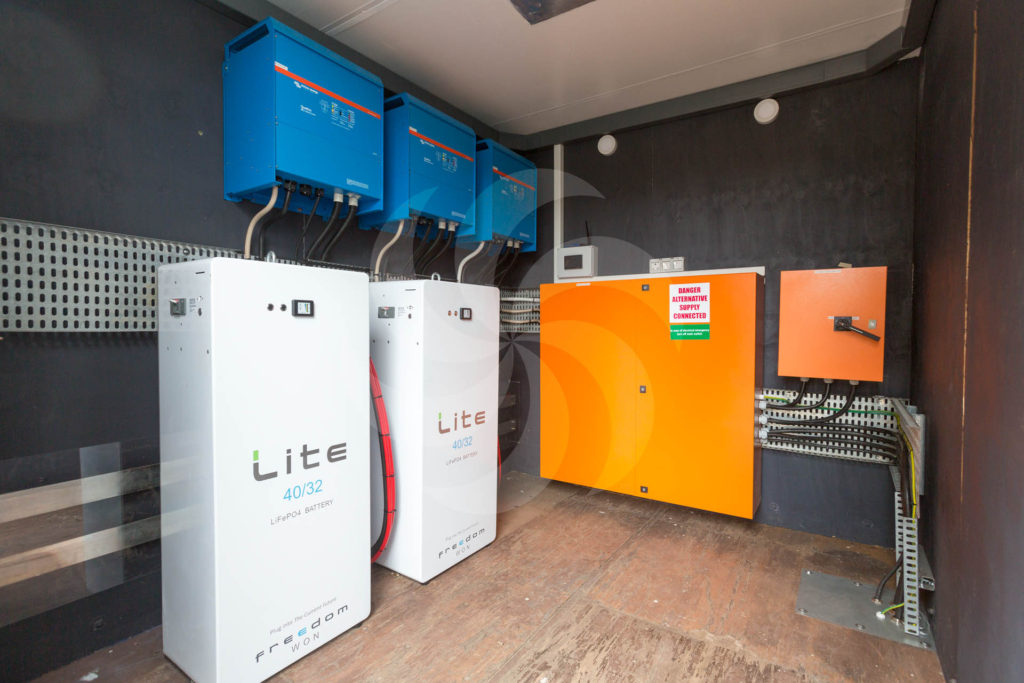
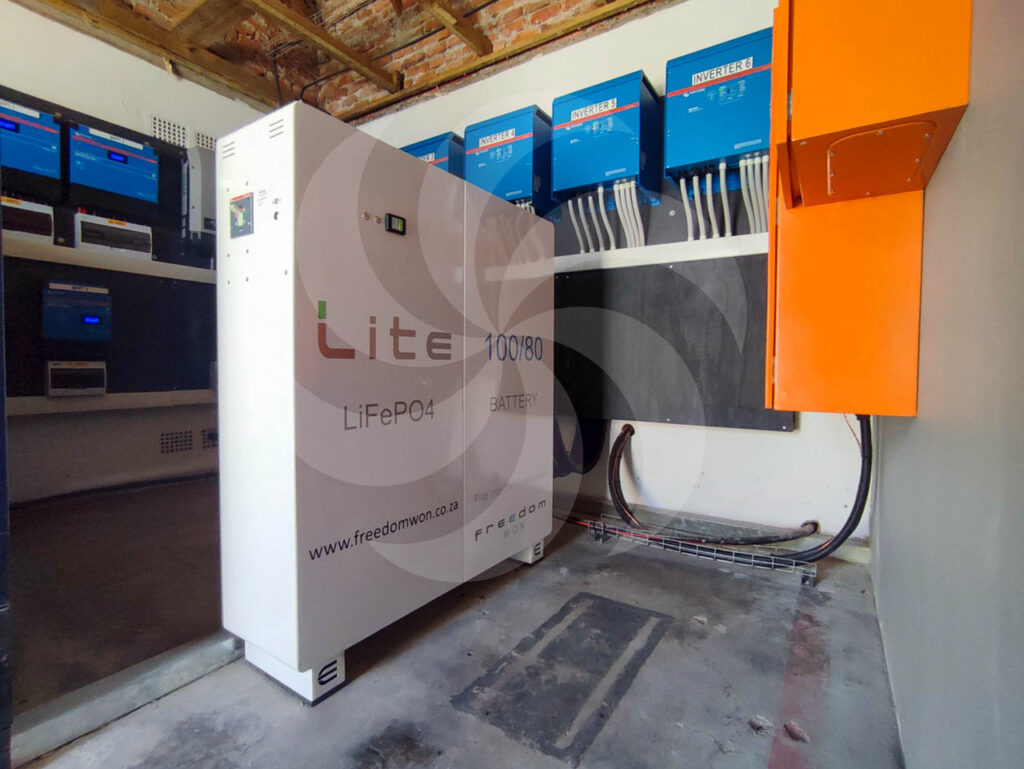
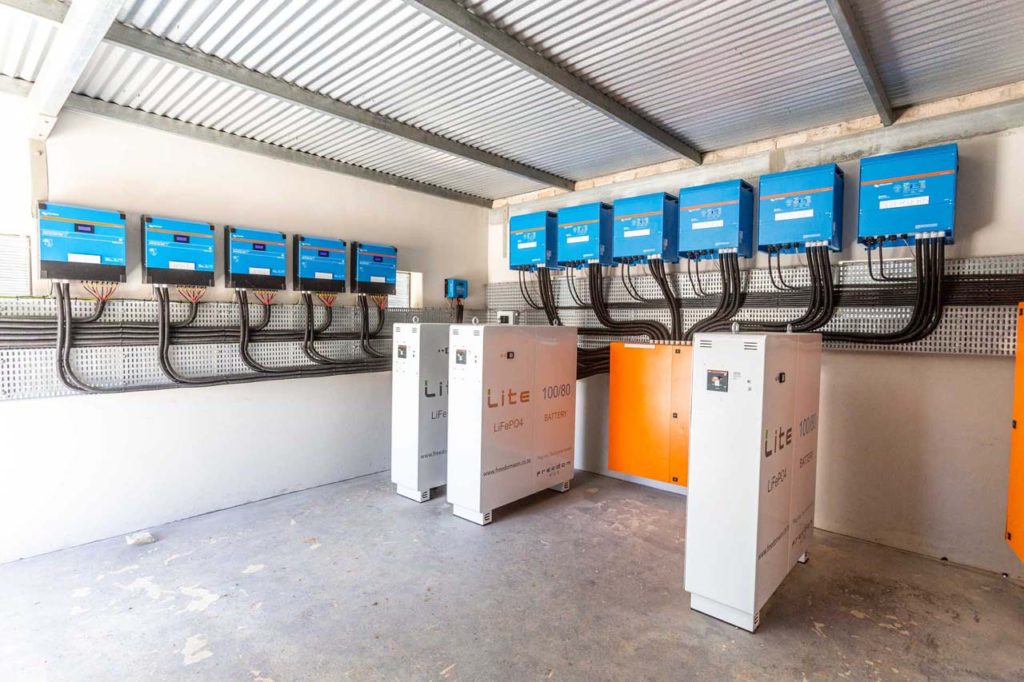
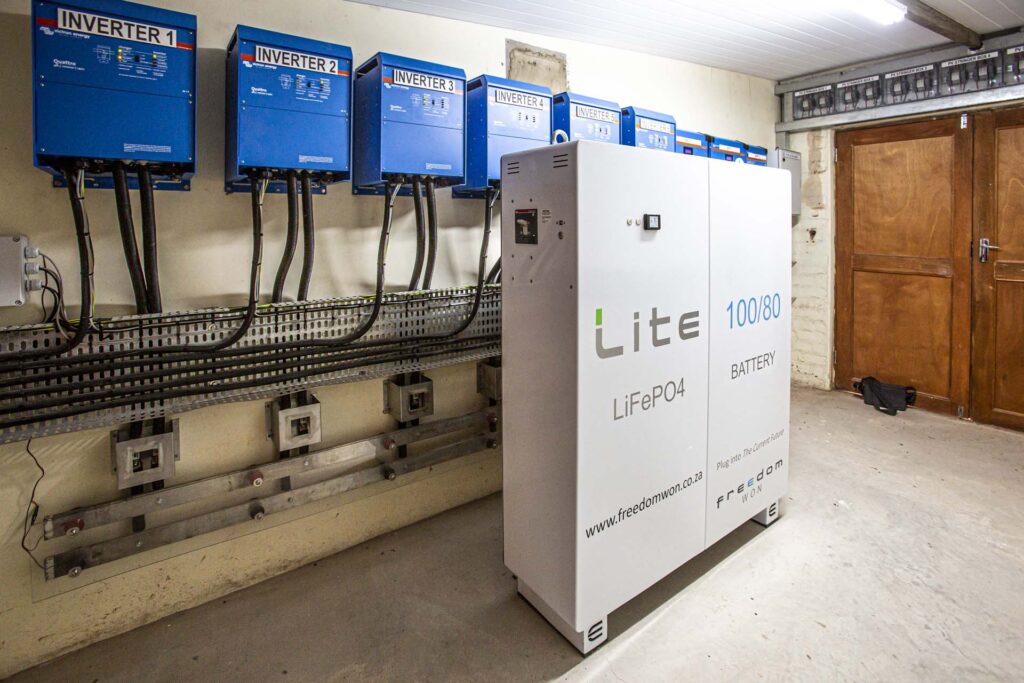
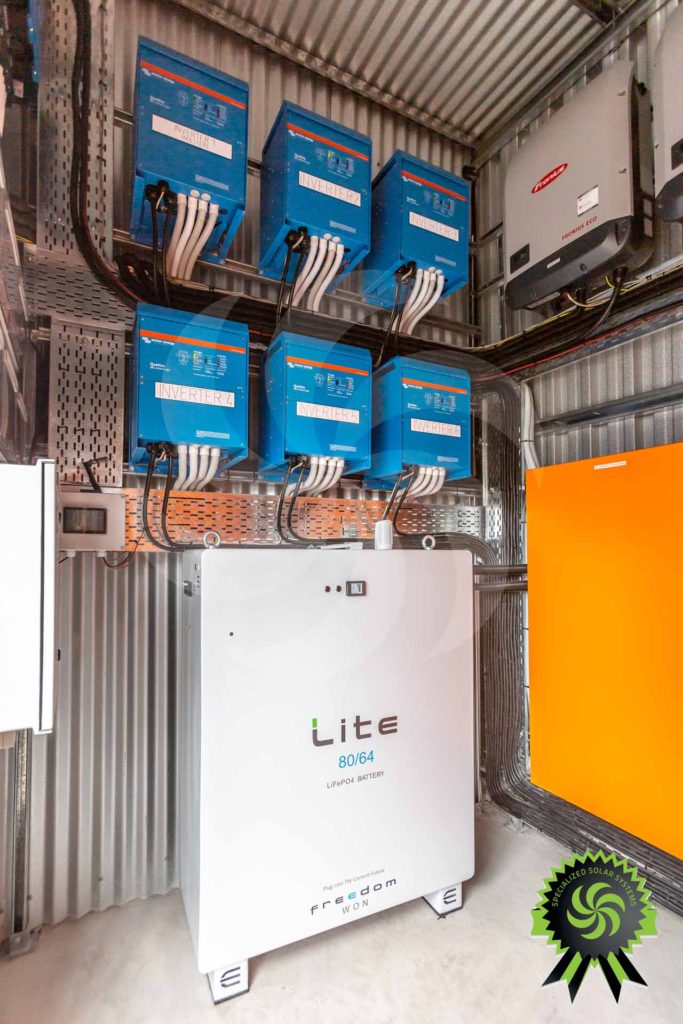
- Battery storage: lithium (LiFePO4) batteries provide long life, stability, and reliable performance.
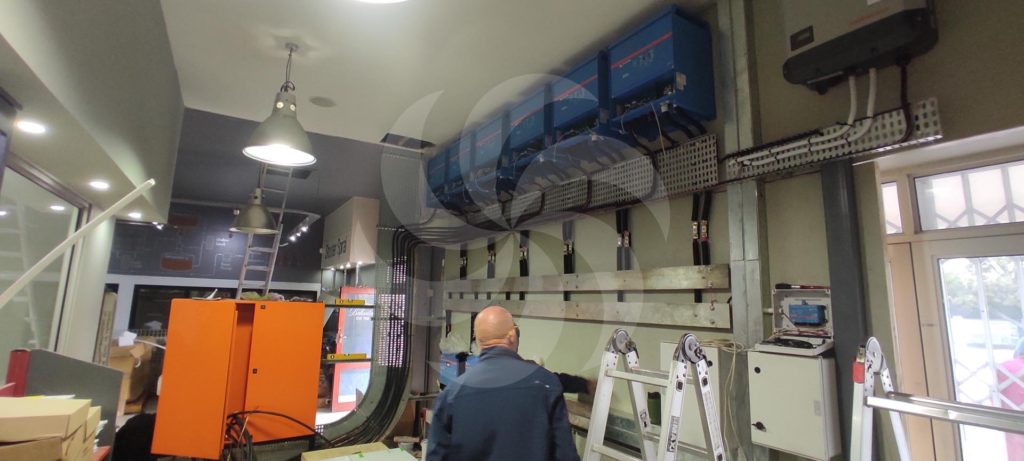
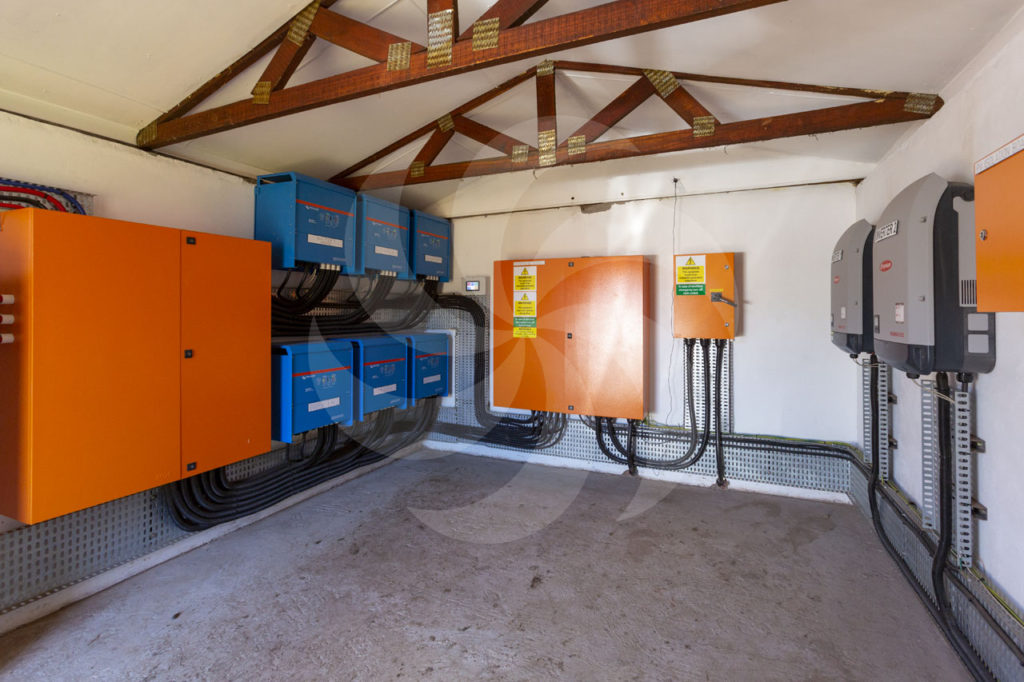
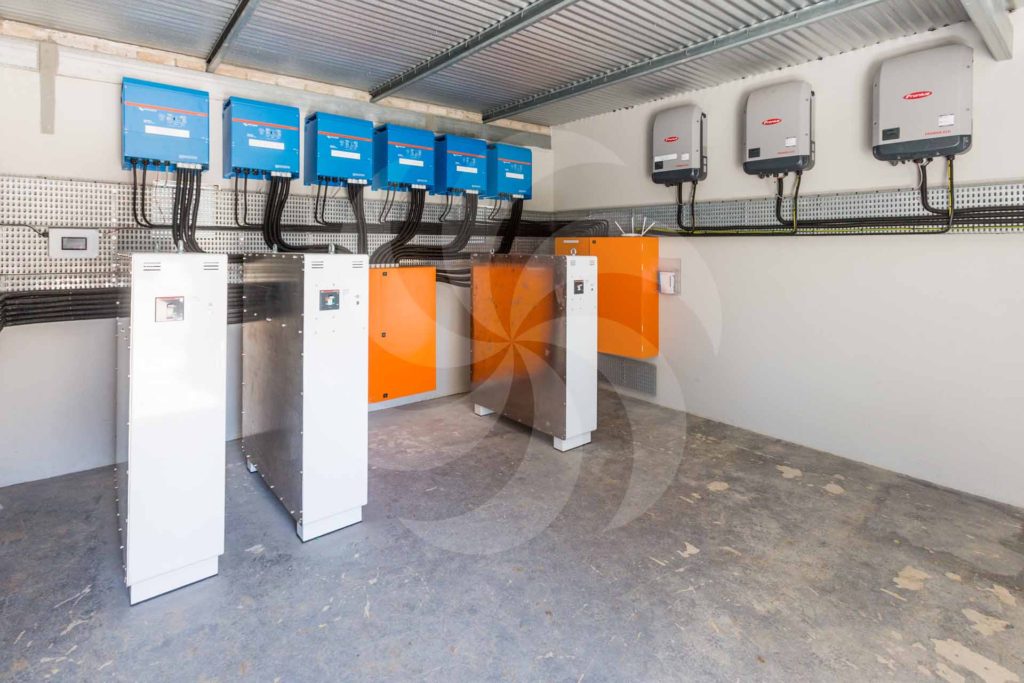
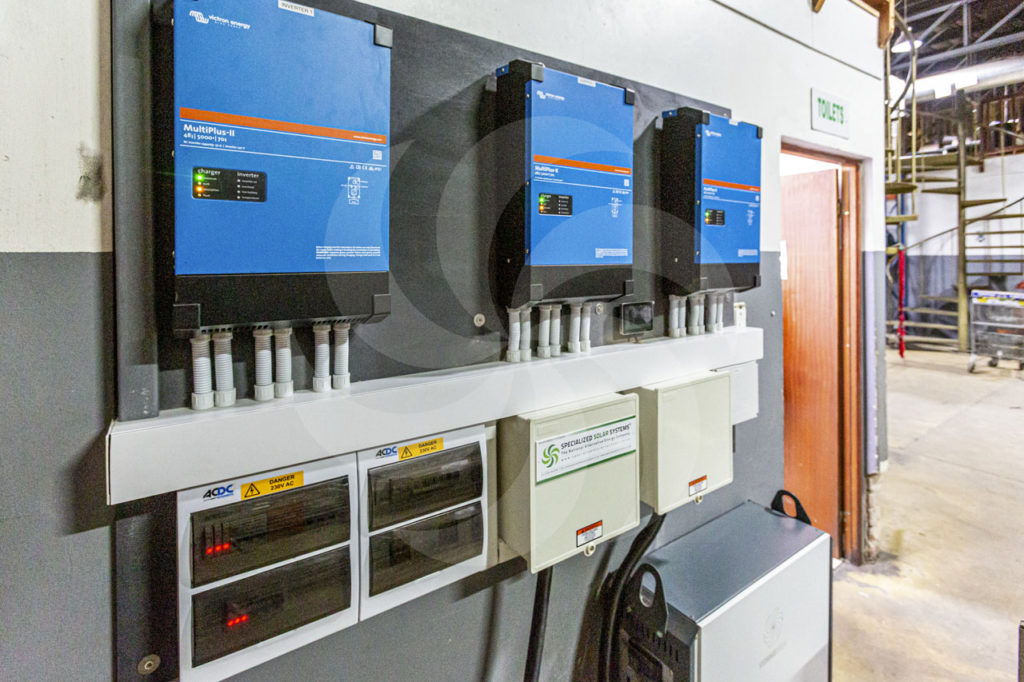
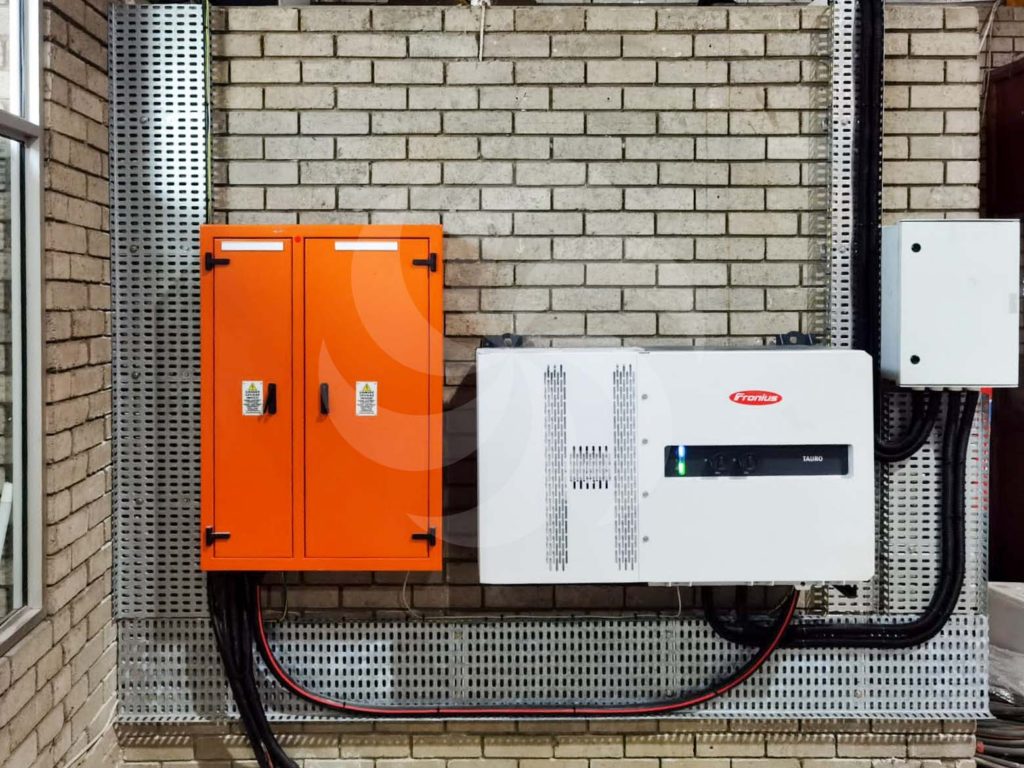
- Inverter/charger: manages energy conversion and system control while supporting additional power sources.
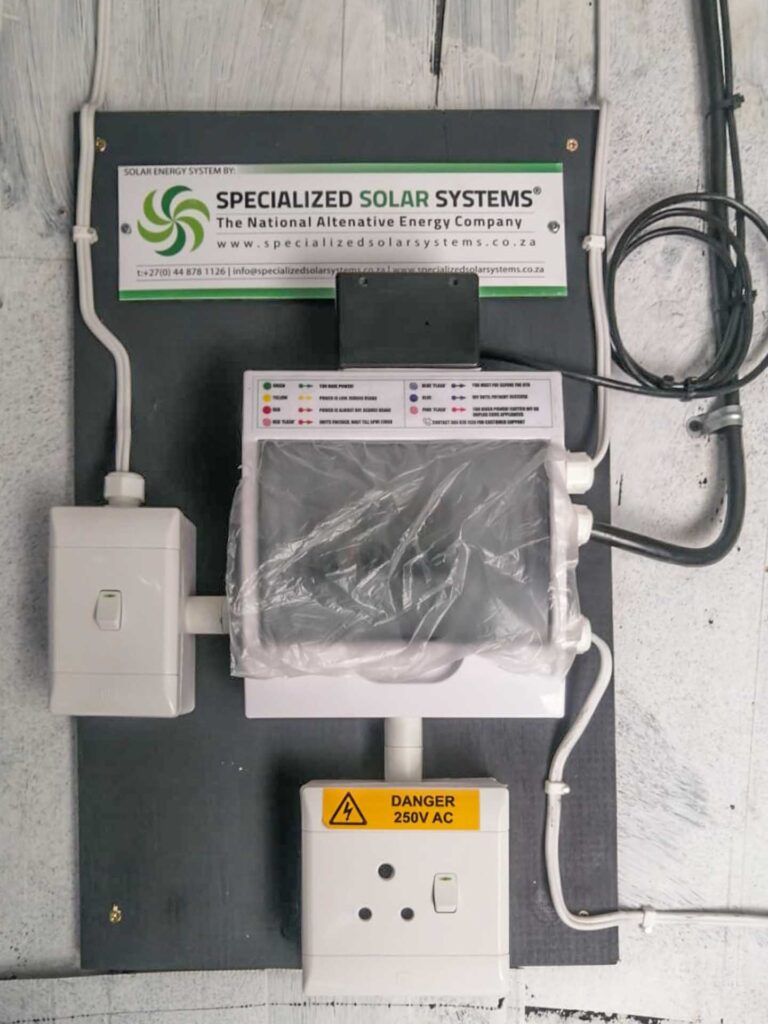
- Monitoring system: provides real-time system performance and usage data, allowing better control.
- Protection and distribution: includes wiring, breakers, and safety devices to ensure safe operation.
System sizing considerations
Correct system sizing is critical for reliable performance. Therefore, system design focuses on the following:
- Daily energy consumption (kWh per day), which defines system capacity.
- Peak load requirements, so the system can handle simultaneous usage.
- Autonomy requirements, ensuring power during low solar conditions.
- Site-specific solar resource and installation conditions, which influence system design.
Benefits of going off-grid
- Complete independence from grid outages and load shedding, so your home remains powered.
- Predictable long-term energy costs, which improve financial planning.
- Clean, renewable energy generation, reducing environmental impact.
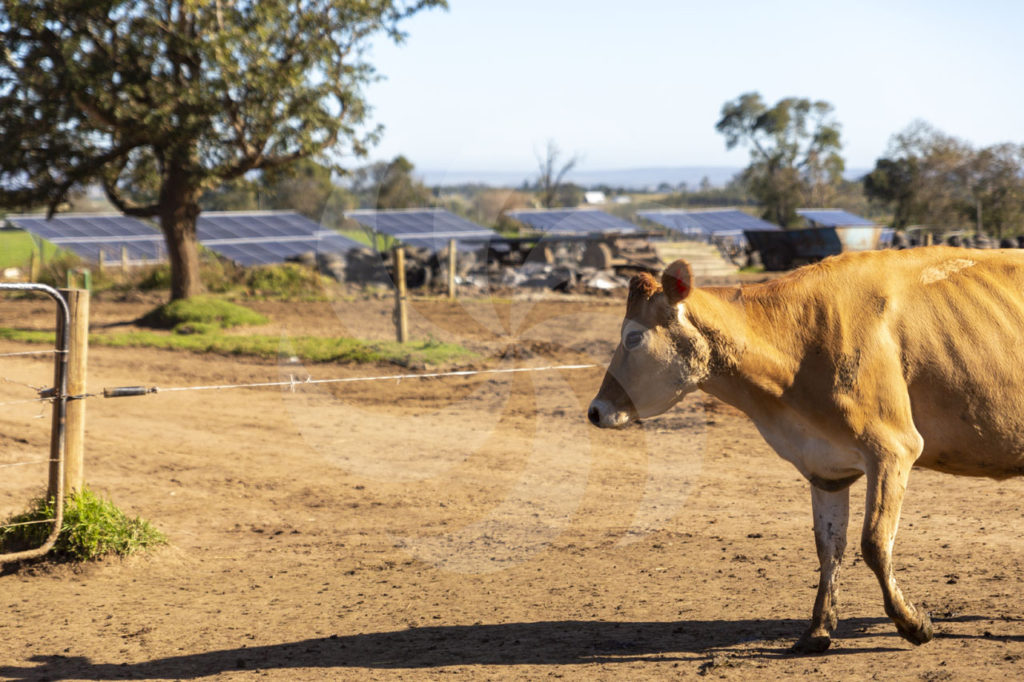
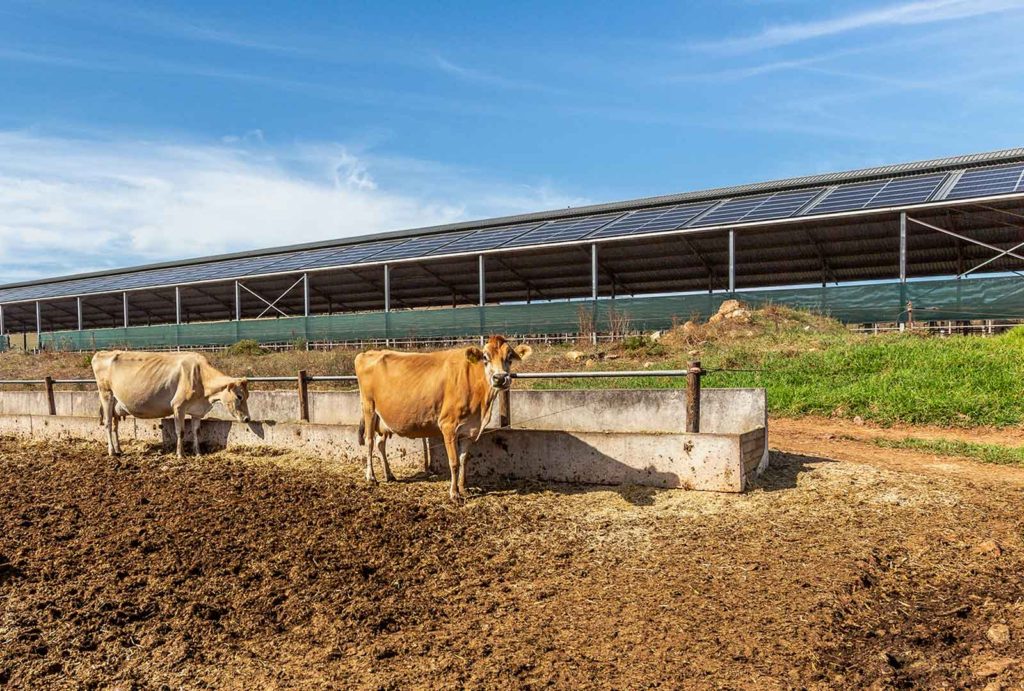
- Ideal solution for remote or underserved locations where grid access is limited.
Important considerations
- Energy usage must match system capacity, otherwise performance may be affected.
- Initial investment is higher, as battery storage forms a key part of the system.
- System design must prioritise efficiency and reliability to ensure long-term performance.
- Backup planning, such as a generator or load management, improves overall system resilience.
Helpful links and next steps
Hybrid Solar and Backup Power Systems for Your Home
Whether you’re looking to maximise solar energy use or ensure reliable backup during outages, our hybrid and backup power systems offer flexible solutions designed around your home’s energy requirements.
Explore our residential solar solutions and discover why we trust Victron Energy products at the following link .
We are a Victron Energy Distributor, products available at the following link.