Solar and Battery Backup: More Than Keeping the Lights On
An electricity interruption may last a few hours. The benefits of a well-designed energy system should extend far beyond it.
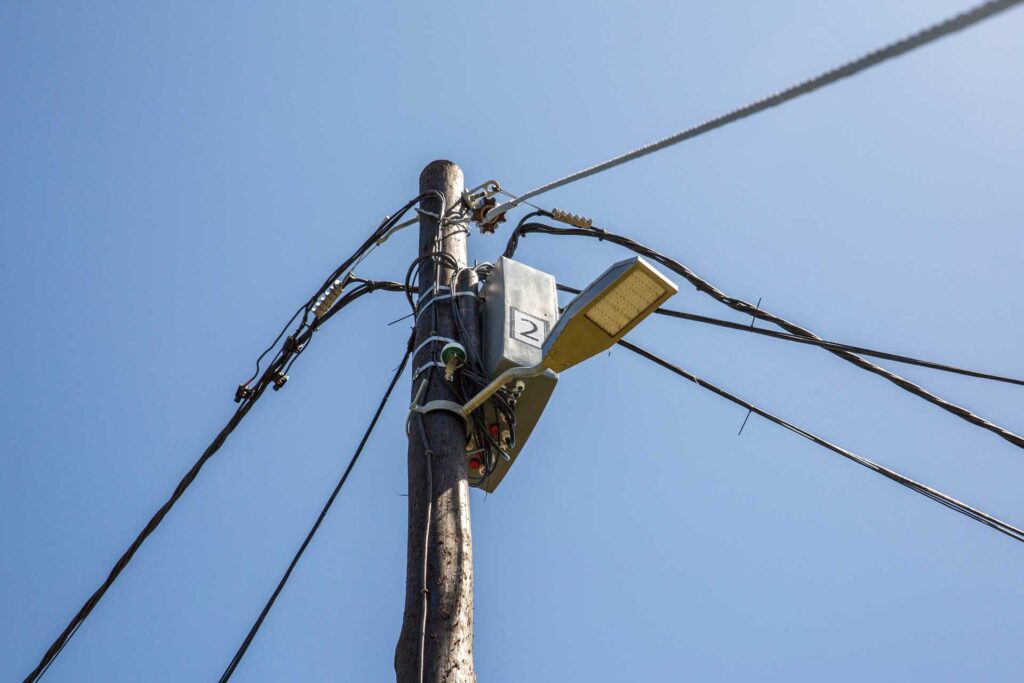
George Municipality has announced a planned power interruption for Sunday, 27 September 2026, from 08:00 to 16:00, affecting listed residential and business areas. These include George Central, George Industrial, Garden Route Mall, Kraaibosch, Loerie Park and Victoria Bay. Residents should check the full municipal notice for their area. The alternative date is 4 October if the work cannot proceed.
For a household, eight hours without municipal electricity raises familiar questions. Will the fridge stay cold? Can the router, lights, security equipment and home office keep working?
But there is another question worth asking:
Could the same investment that helps protect your home during an outage also reduce what you spend on electricity throughout the year?
With properly designed solar and battery backup, those two objectives can work together.

Backup is only one part of the conversation.
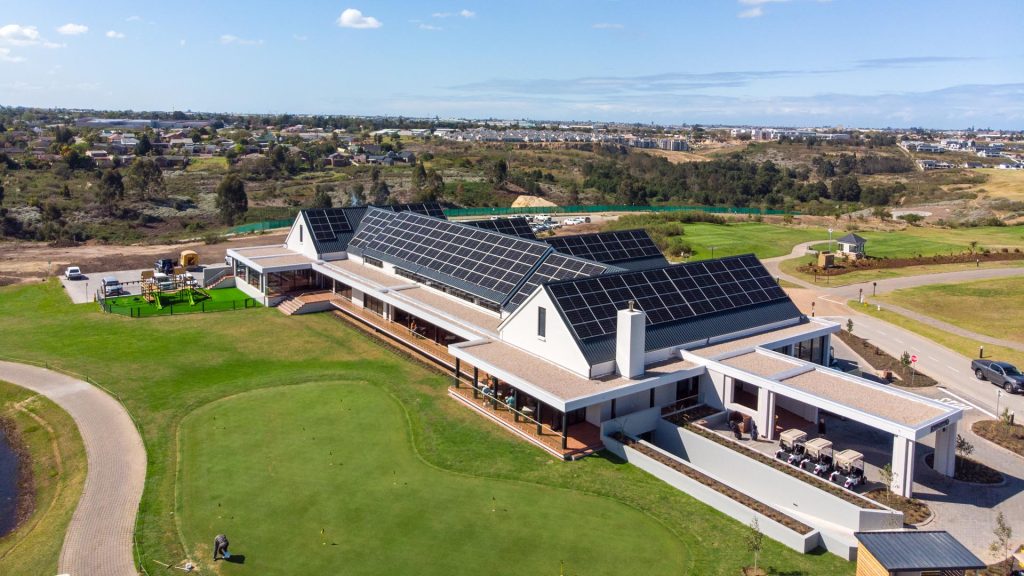
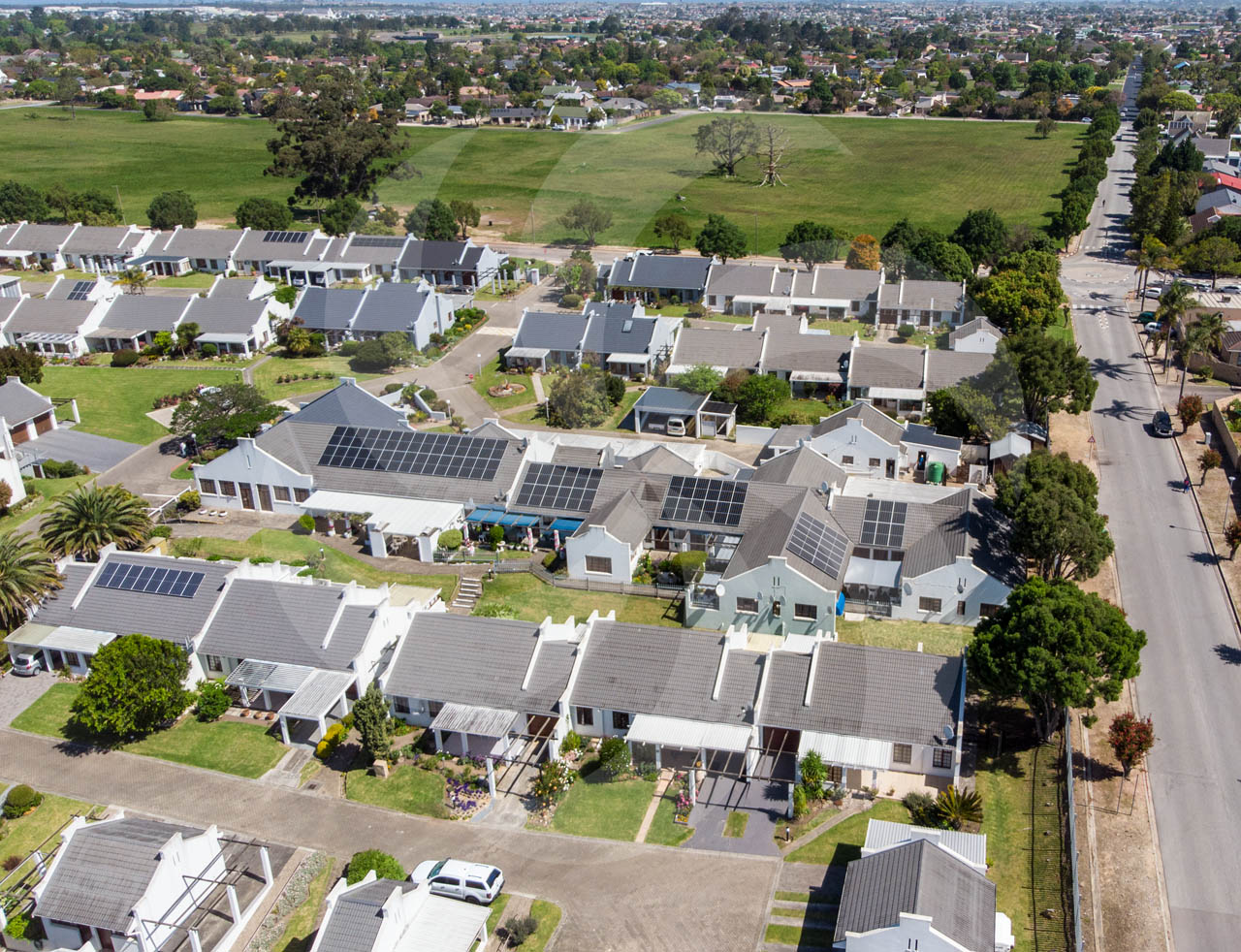
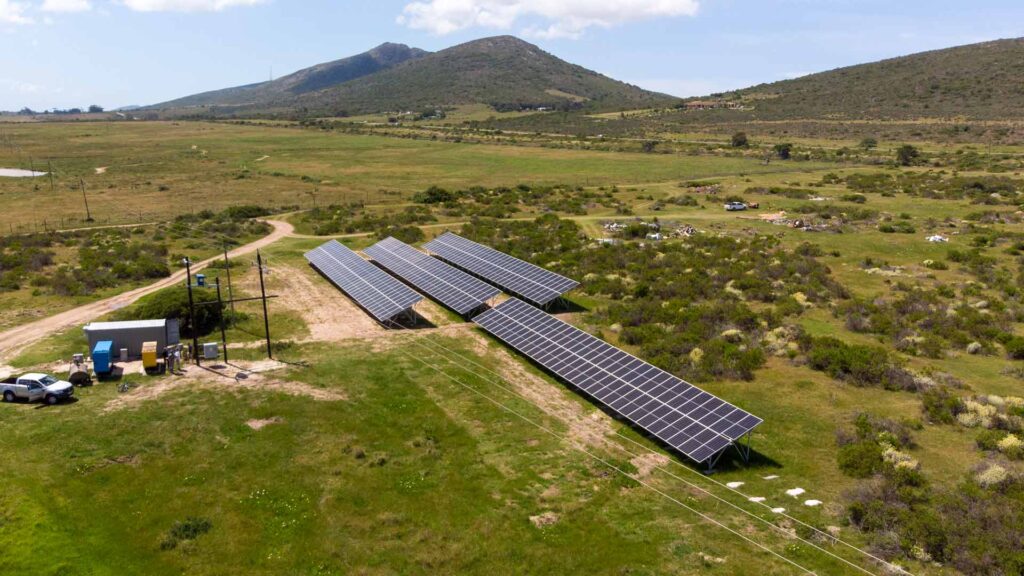
A properly designed hybrid system can combine everyday solar generation, battery storage and backup capability around the way a household actually uses electricity.
Energy security starts with the way you live
For most homeowners, energy security does not mean disconnecting from the grid. It means having another source of power for the things that matter when municipal supply is unavailable.
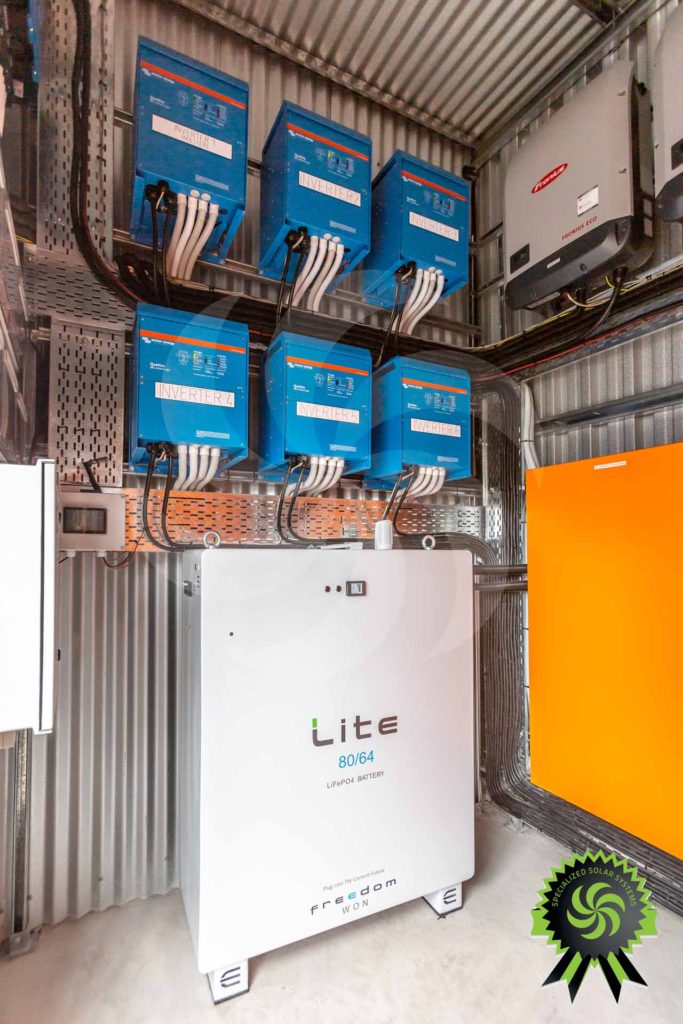
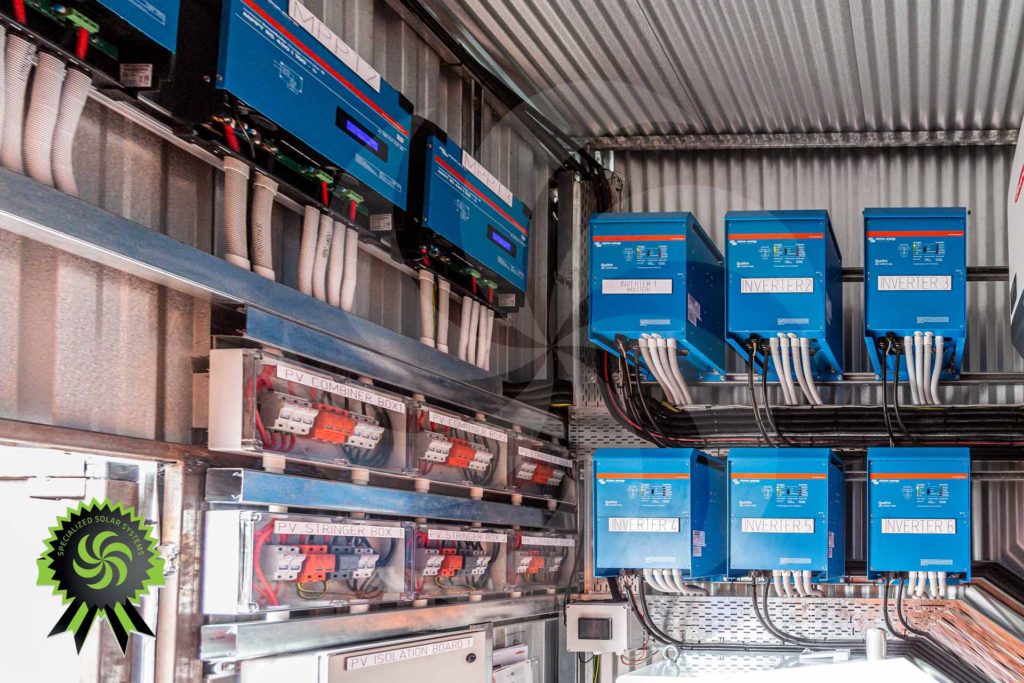
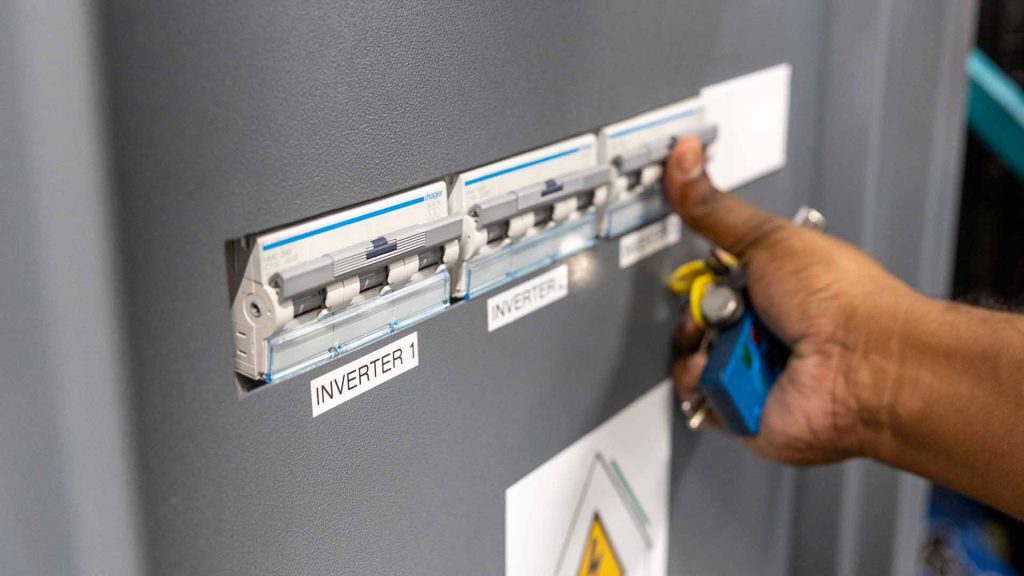
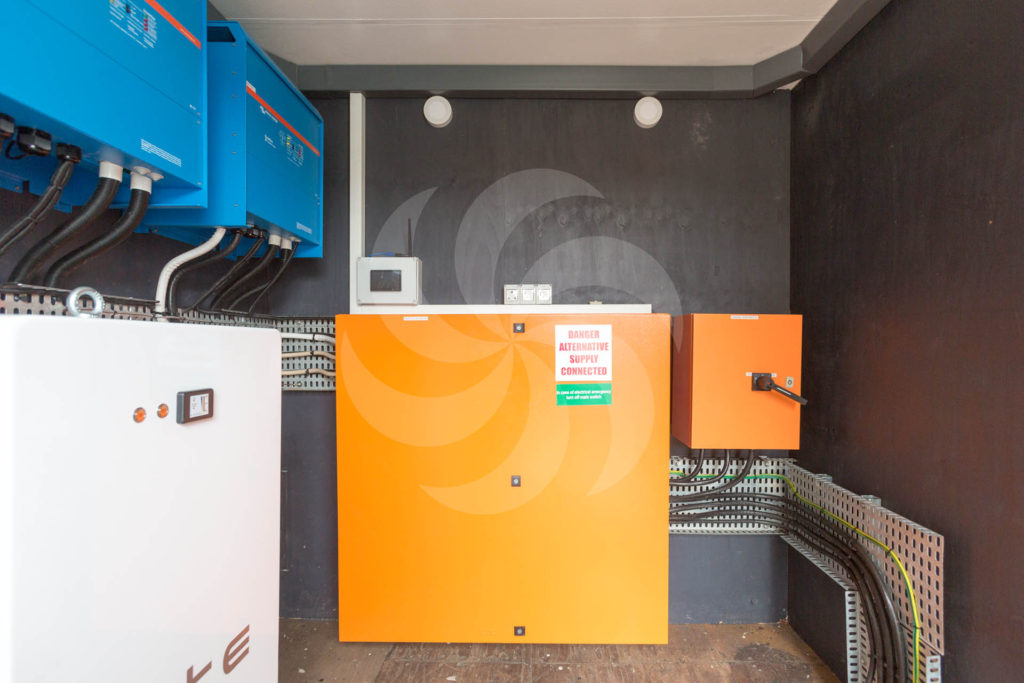
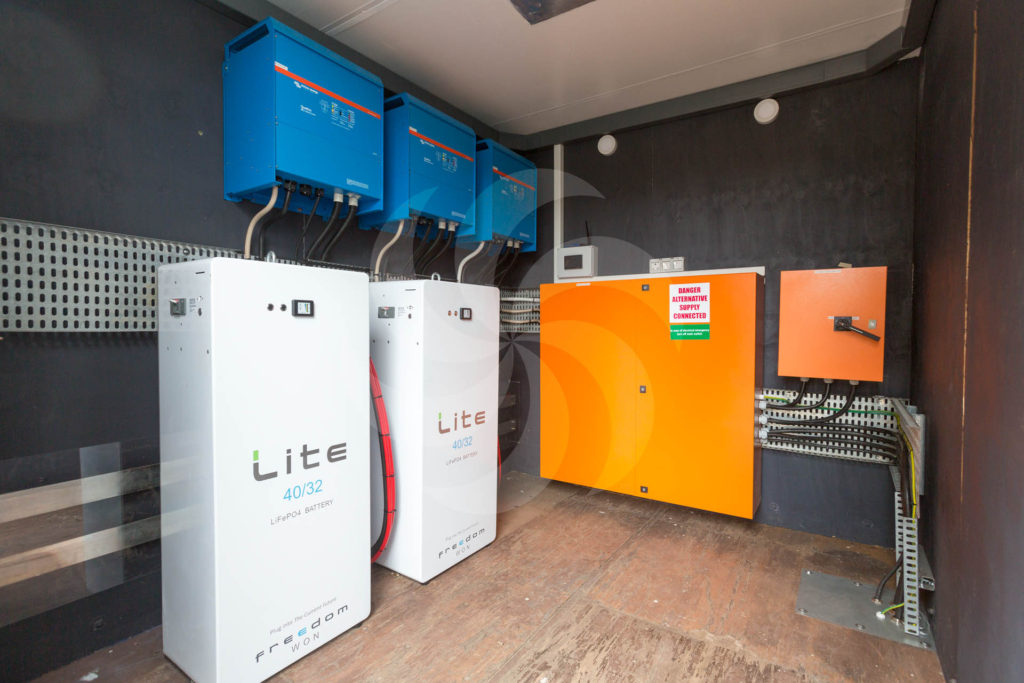
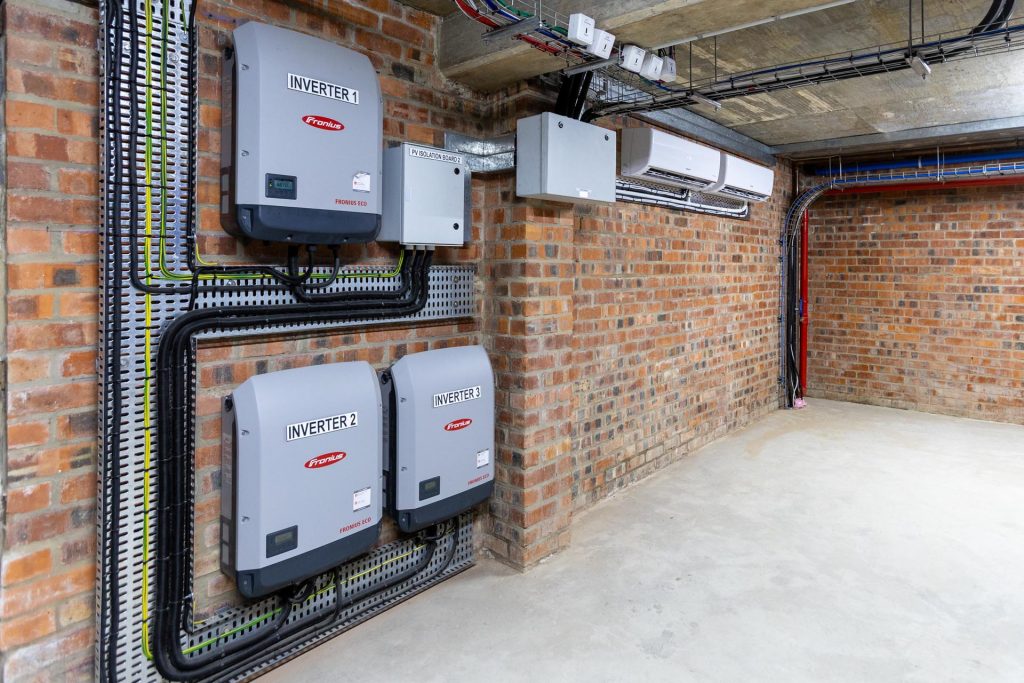
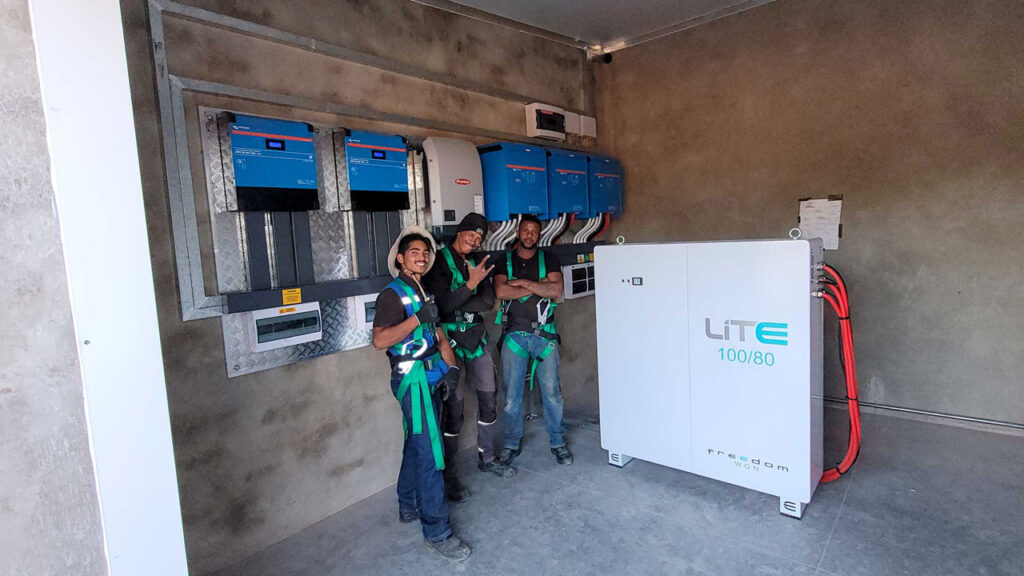
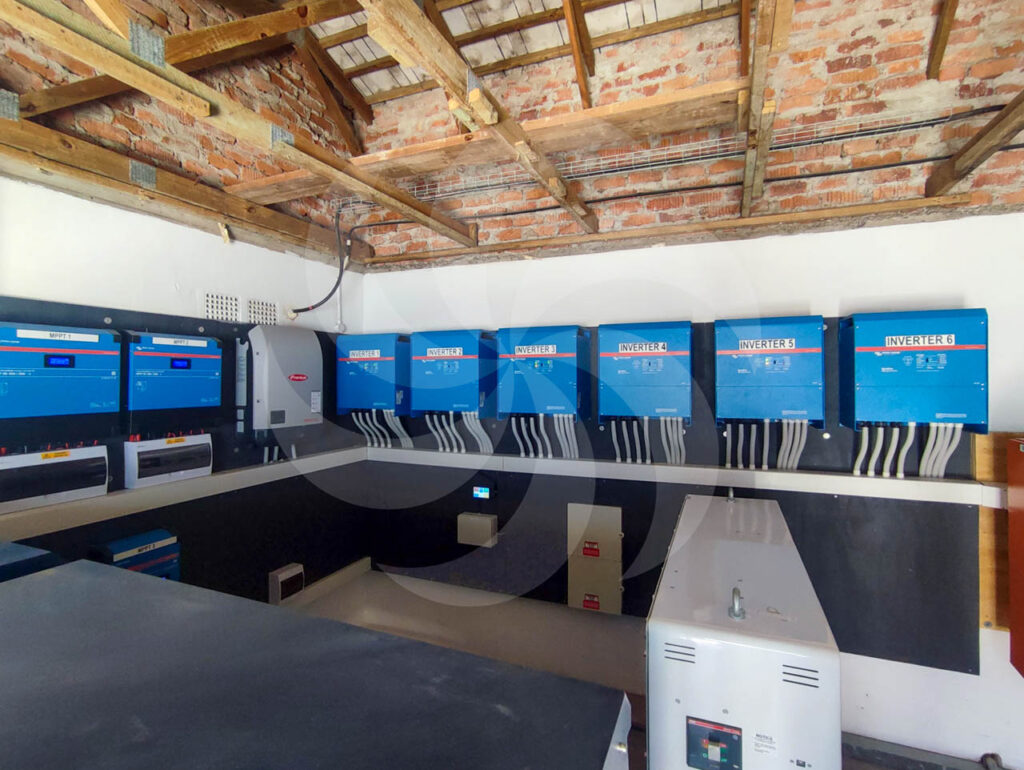
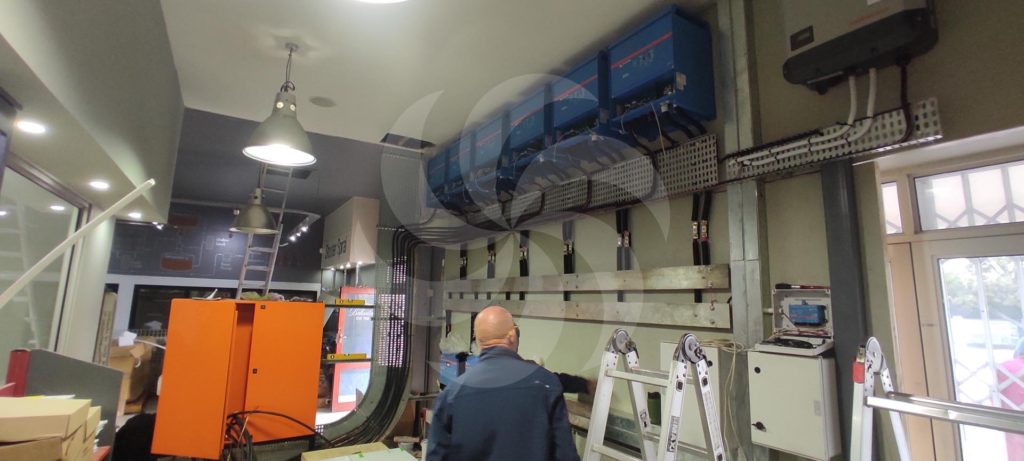
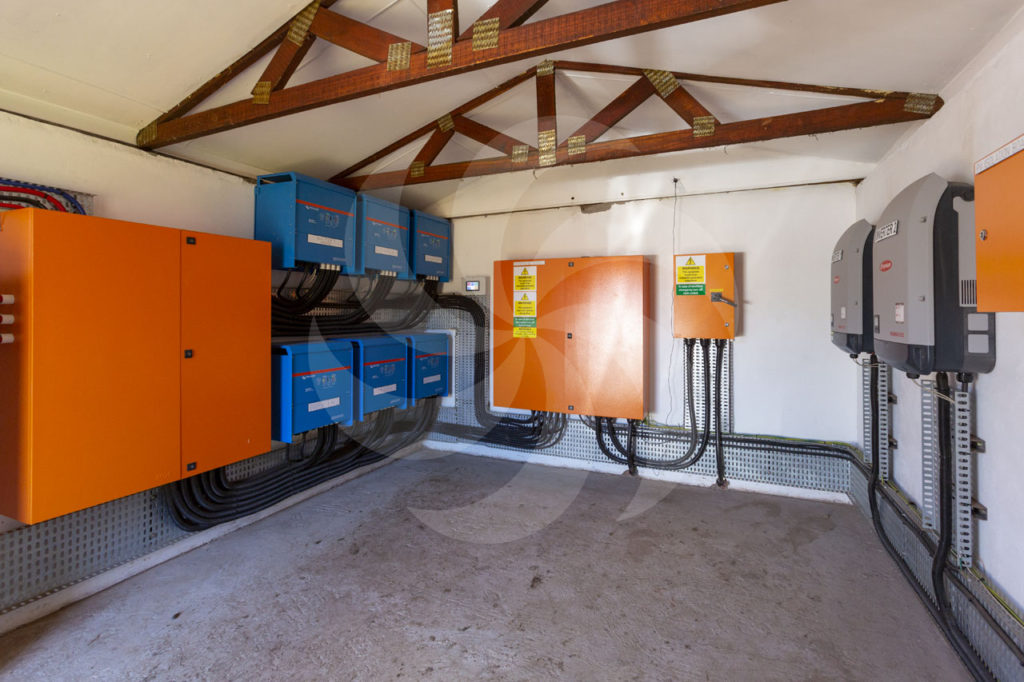
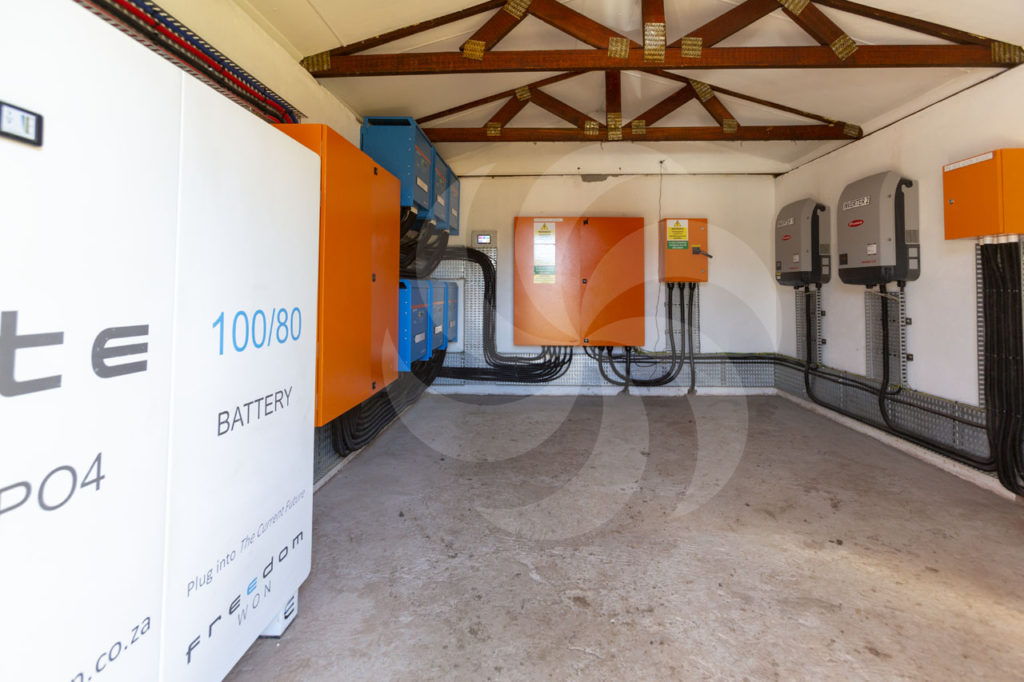
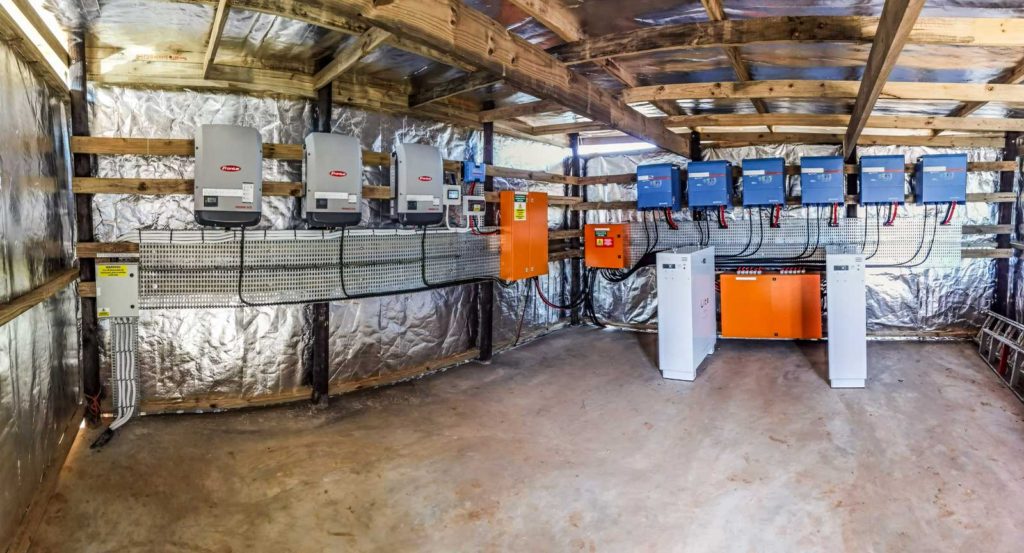
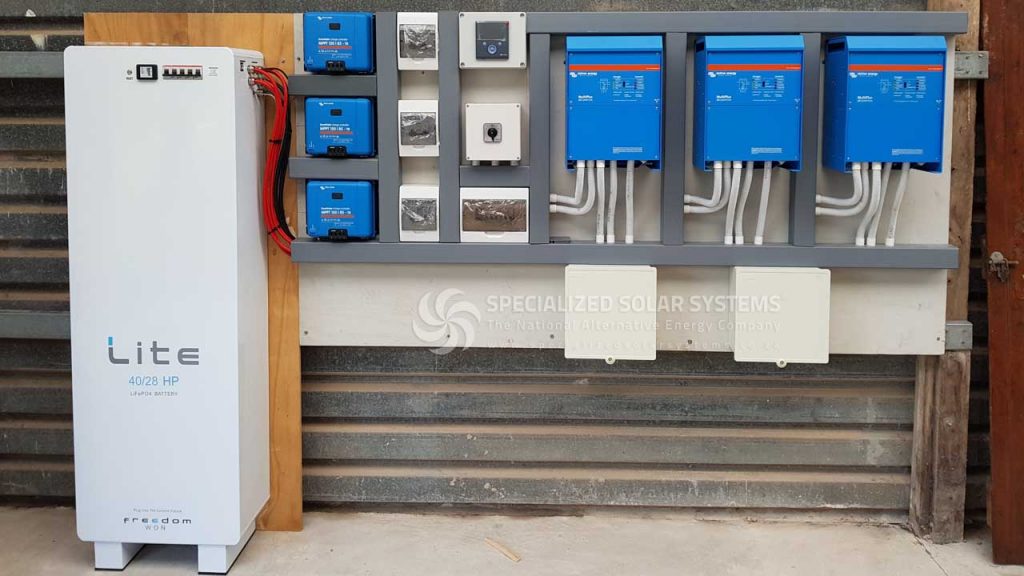
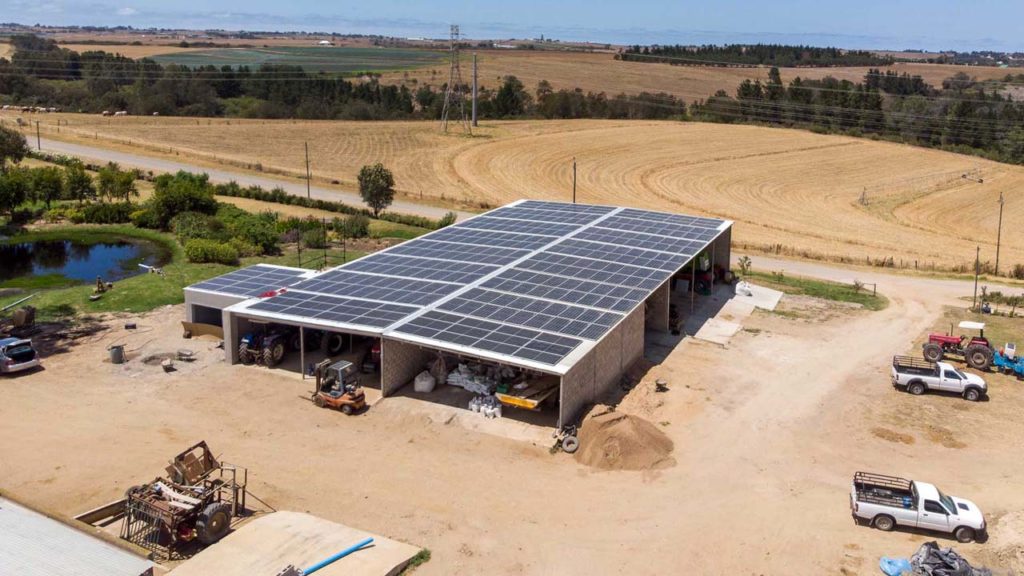
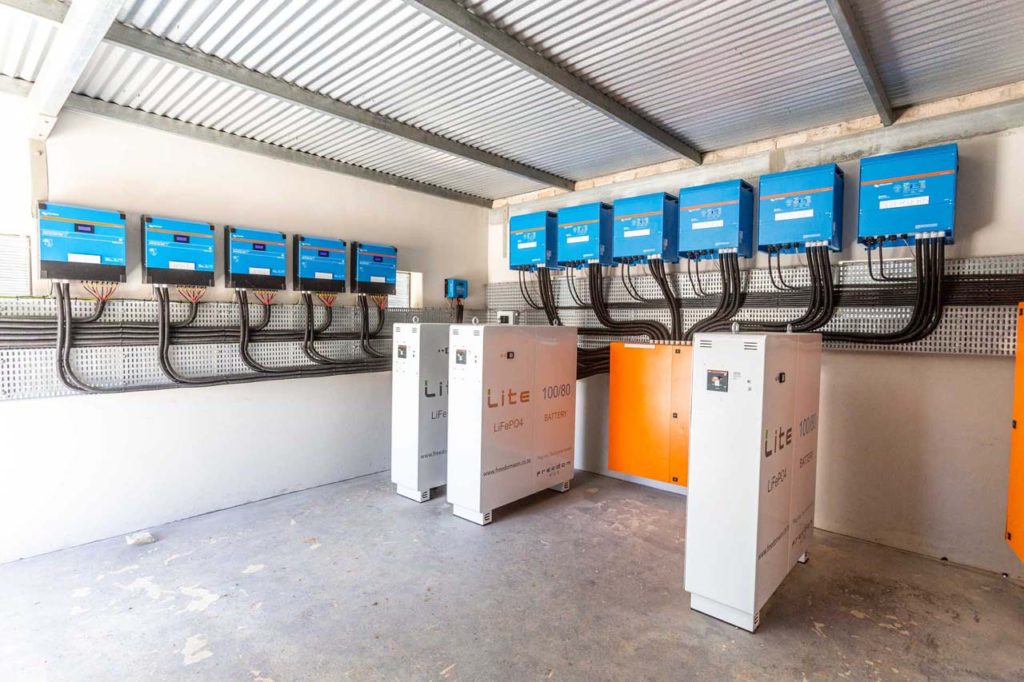
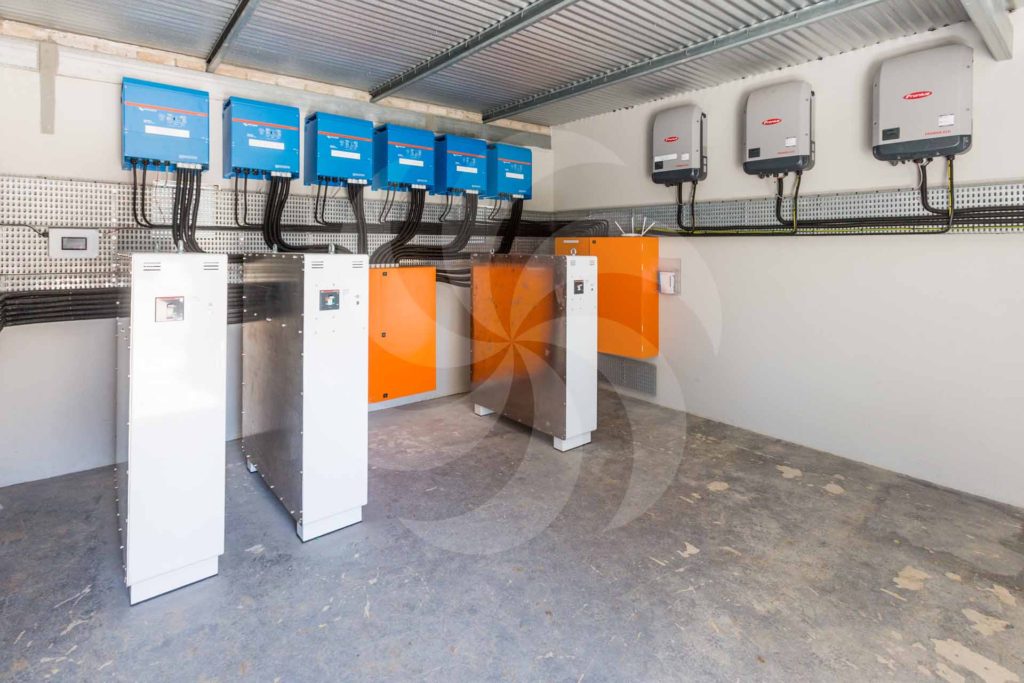
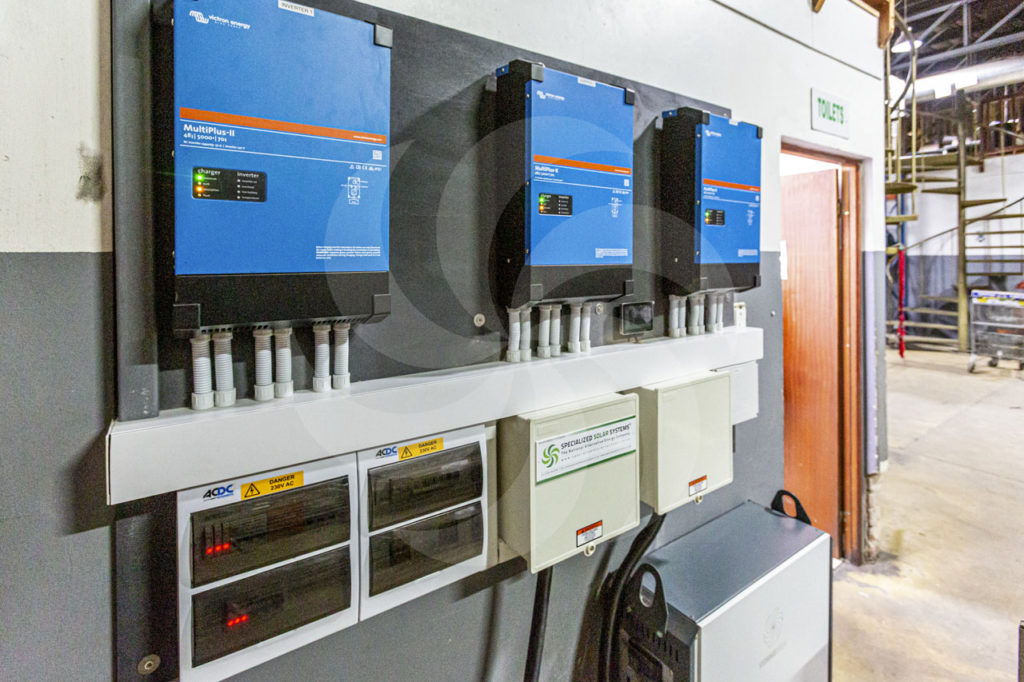
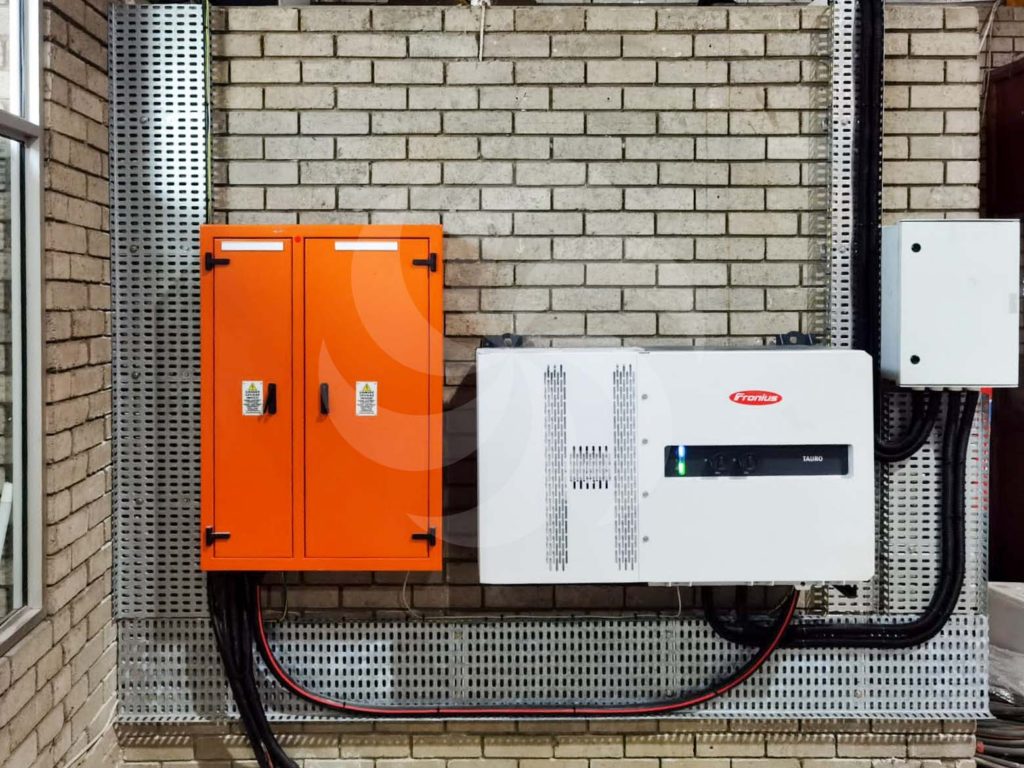
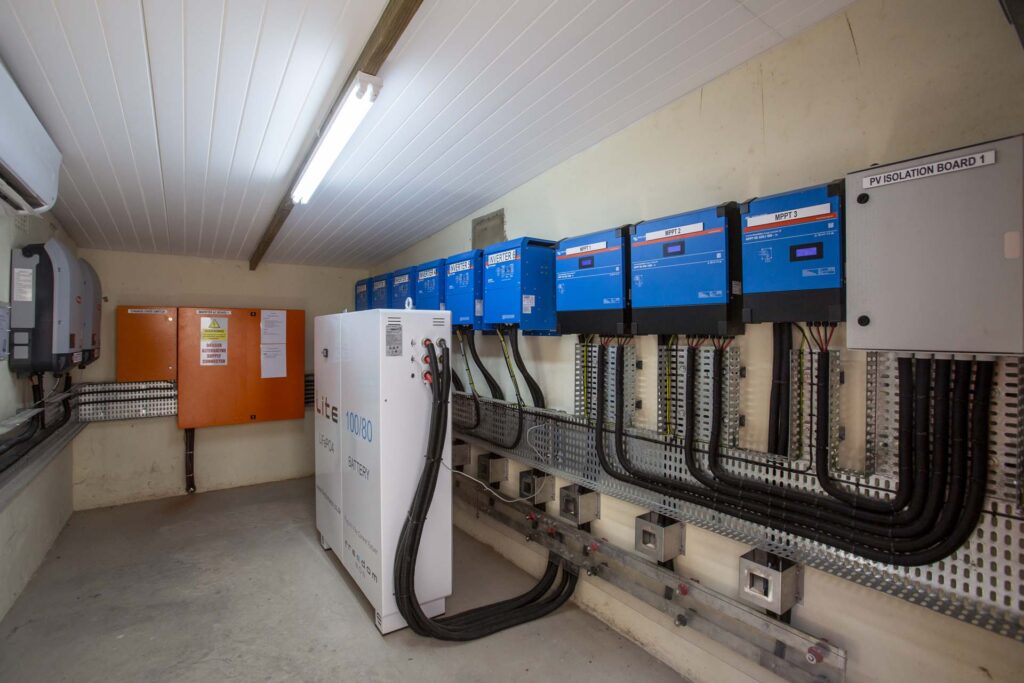
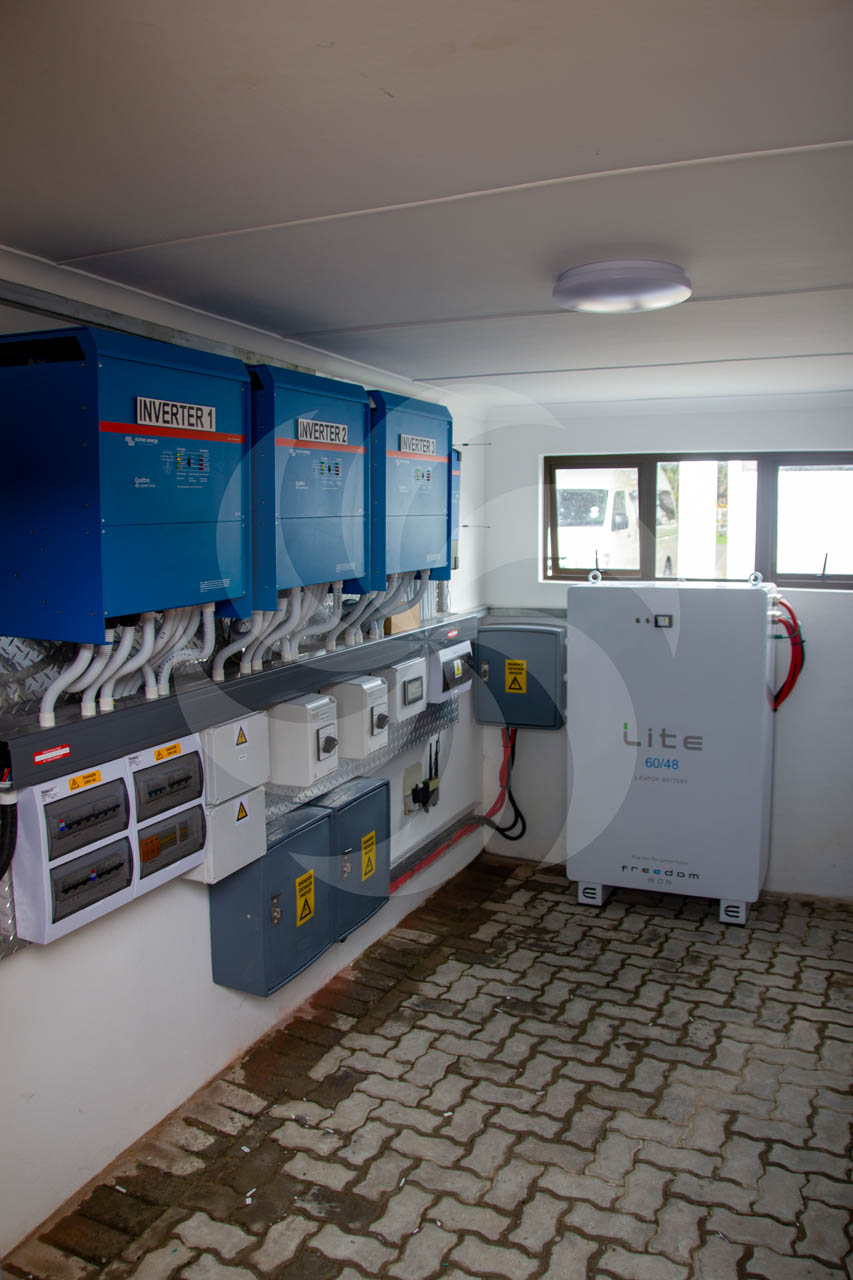
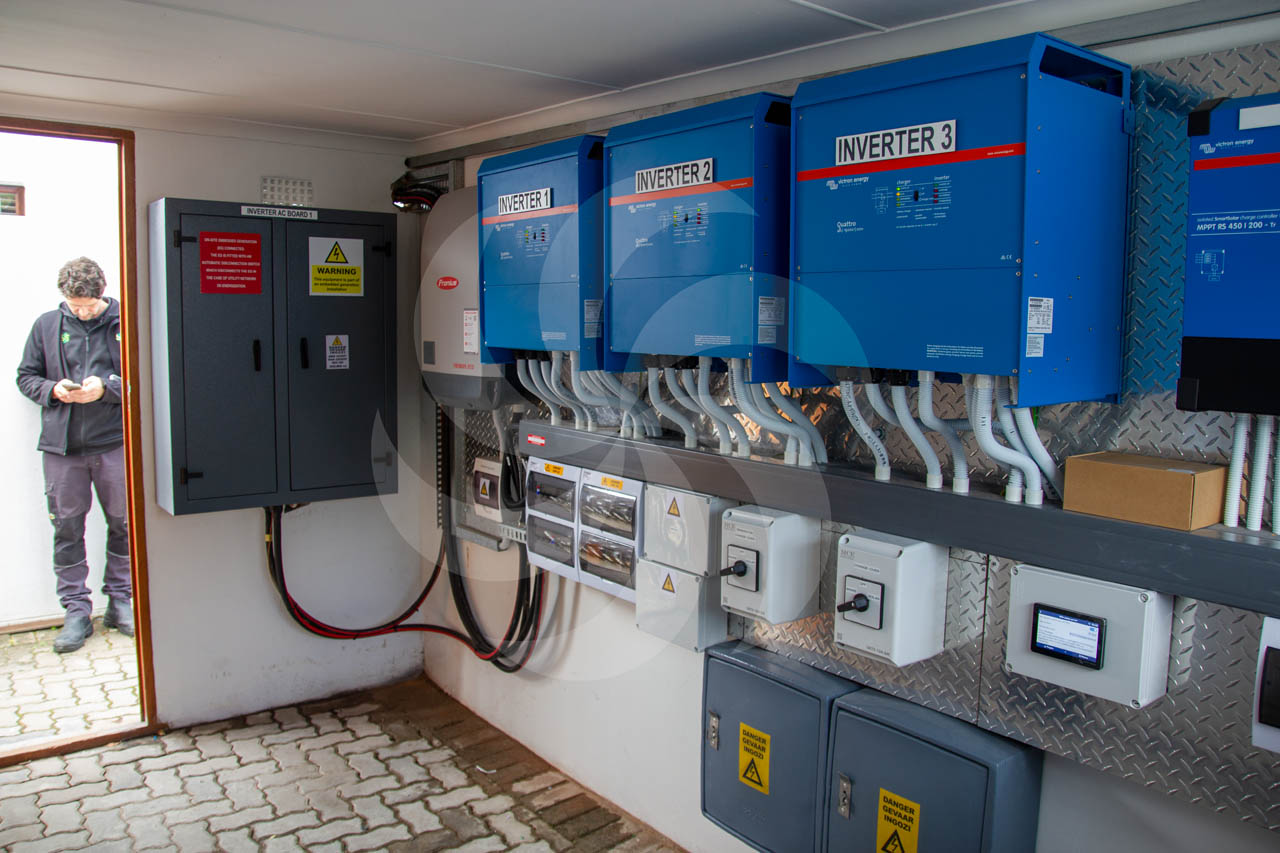
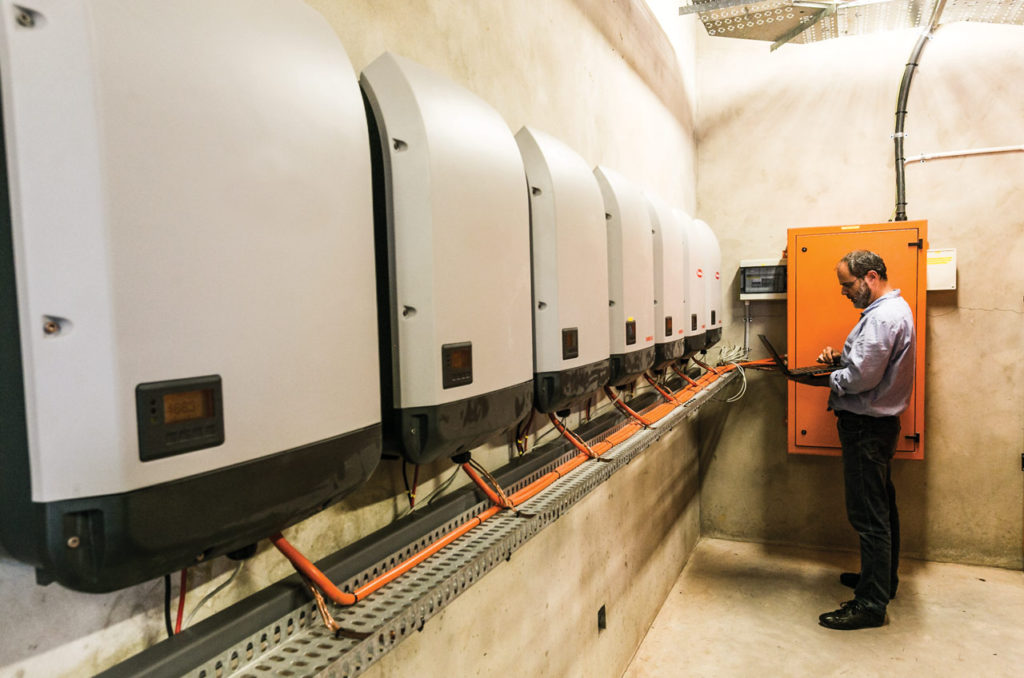
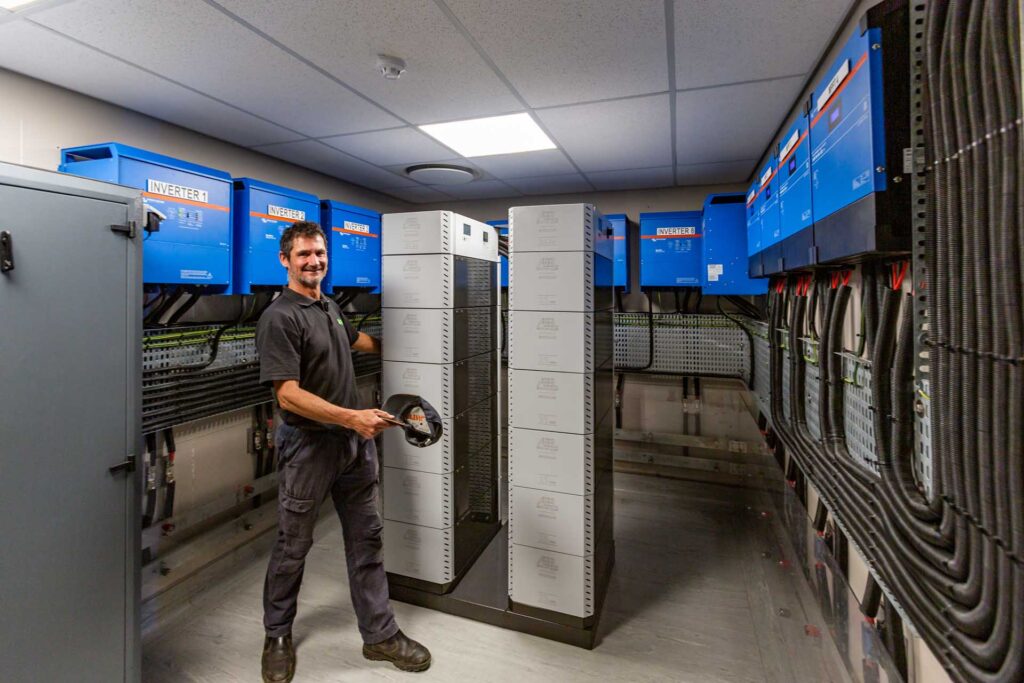
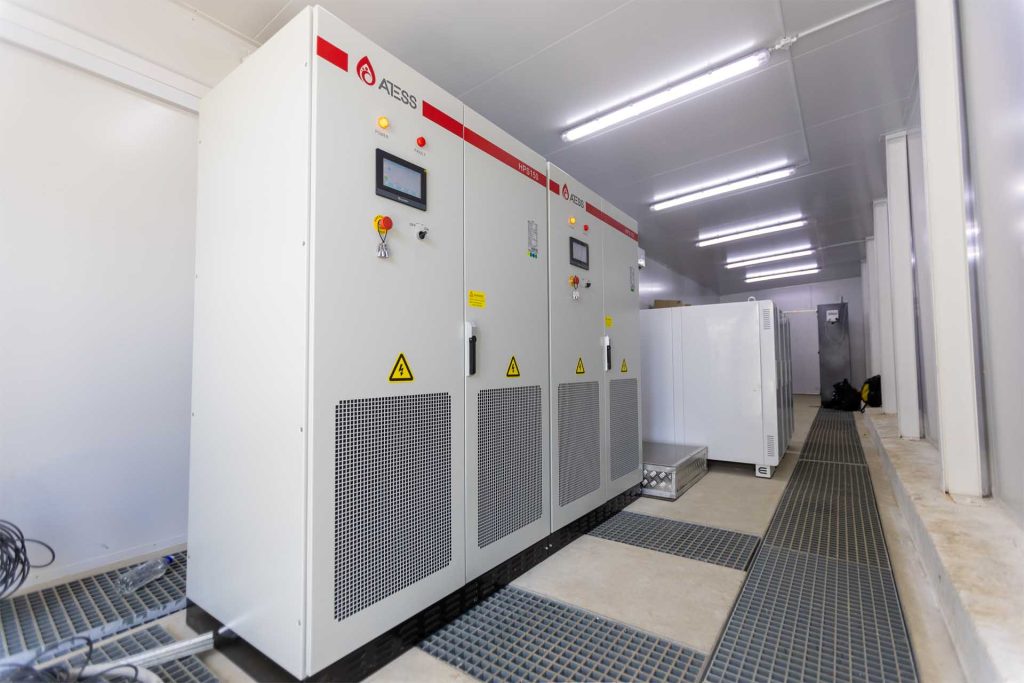
A suitable hybrid system combines solar panels, battery storage and an inverter with backup capability. Correctly configured, it can supply selected household circuits while safely separating them from the utility network during an interruption. The equipment and available energy determine what it can support. Fronius explains how this backup arrangement works.
The starting point is therefore not the biggest battery or the largest panel array. It is deciding what you want your home to keep doing.
Refrigeration, lighting and connectivity may be the priority. A property with pumps, electric cooking or other substantial loads will need a different design. Battery capacity, inverter output and the required operating time must be considered together.
The aim is a clear plan for your home, not a guess about what might stay on.
Solar reduces what you buy. Batteries help you use more of what you generate.
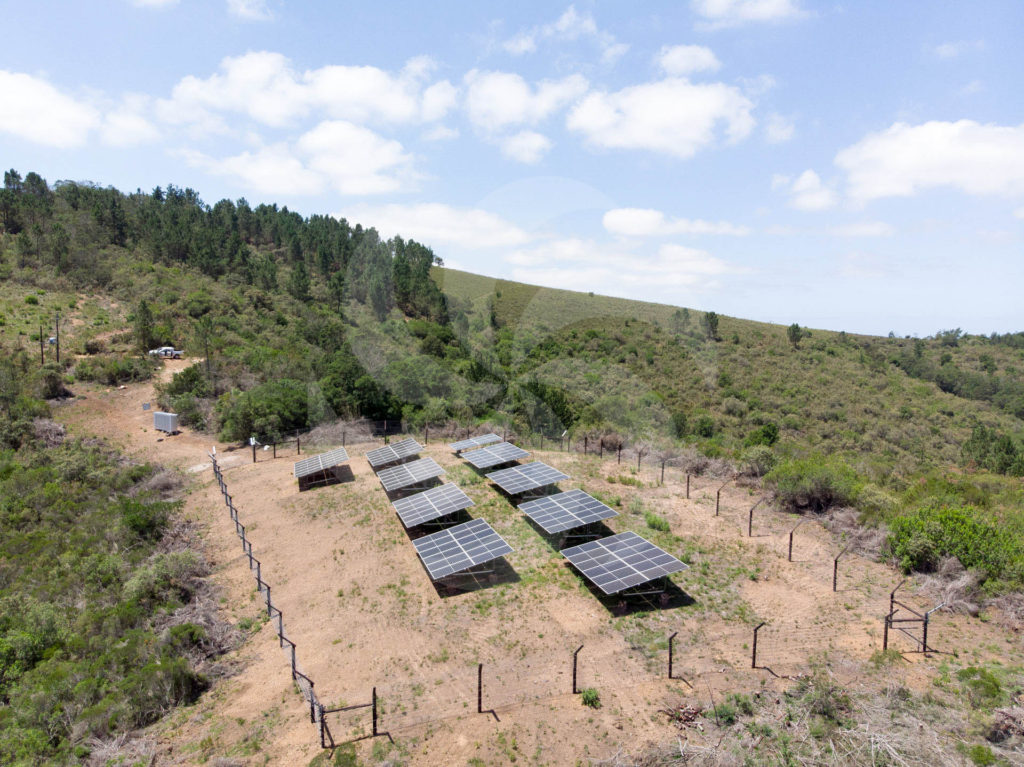
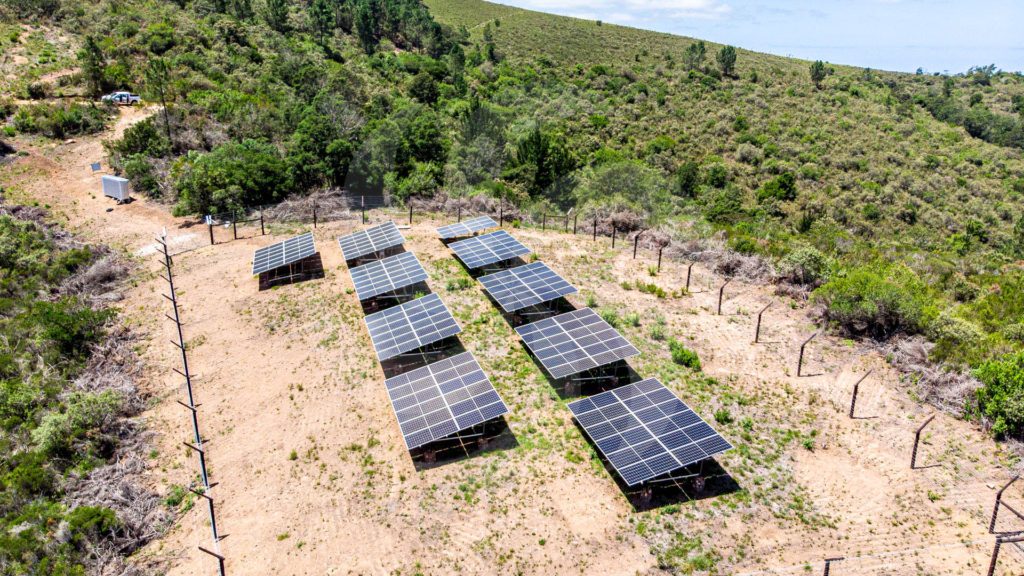
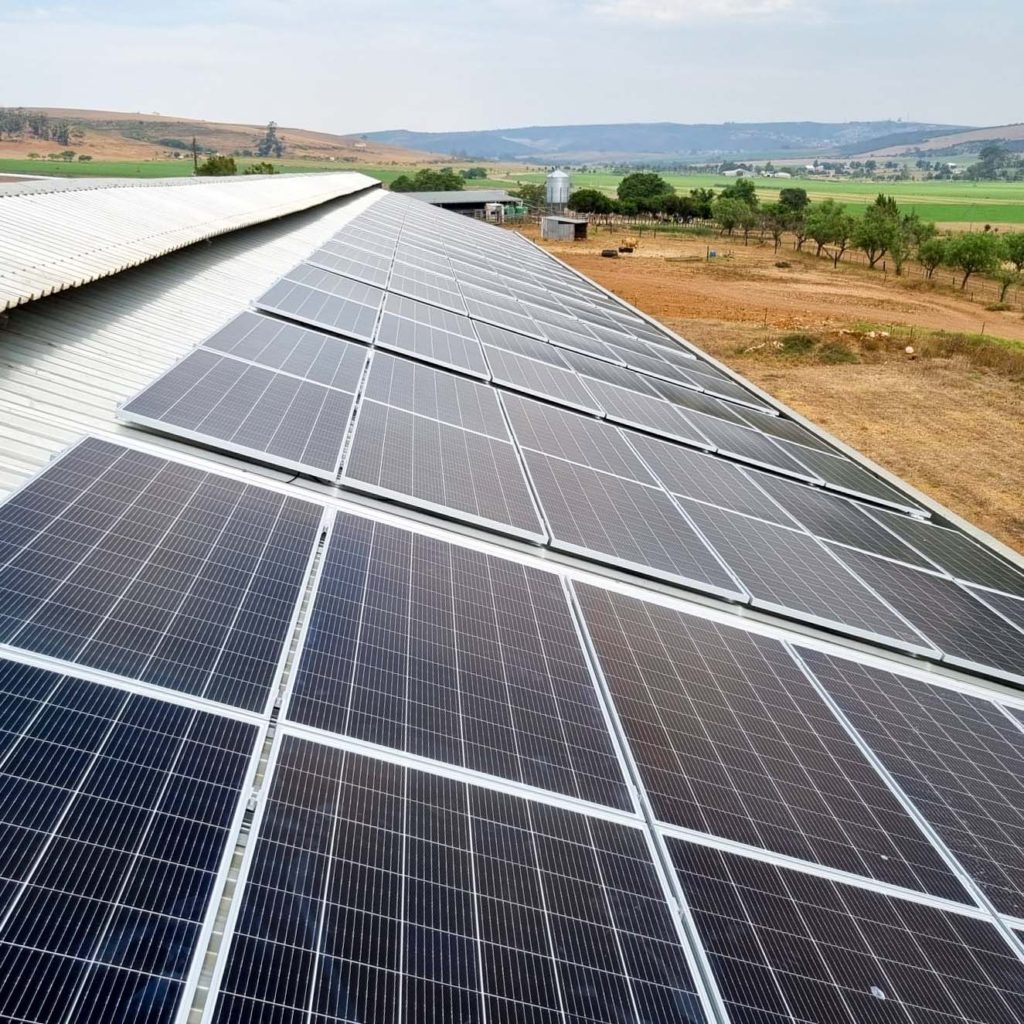
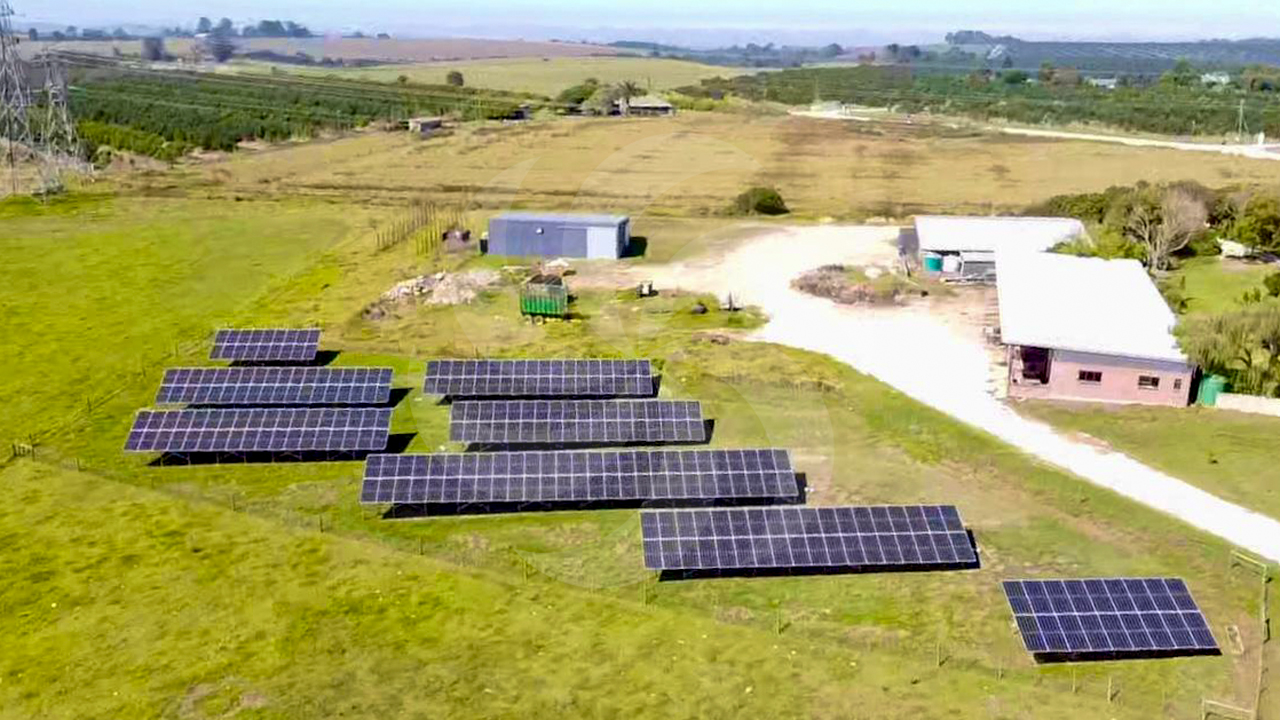
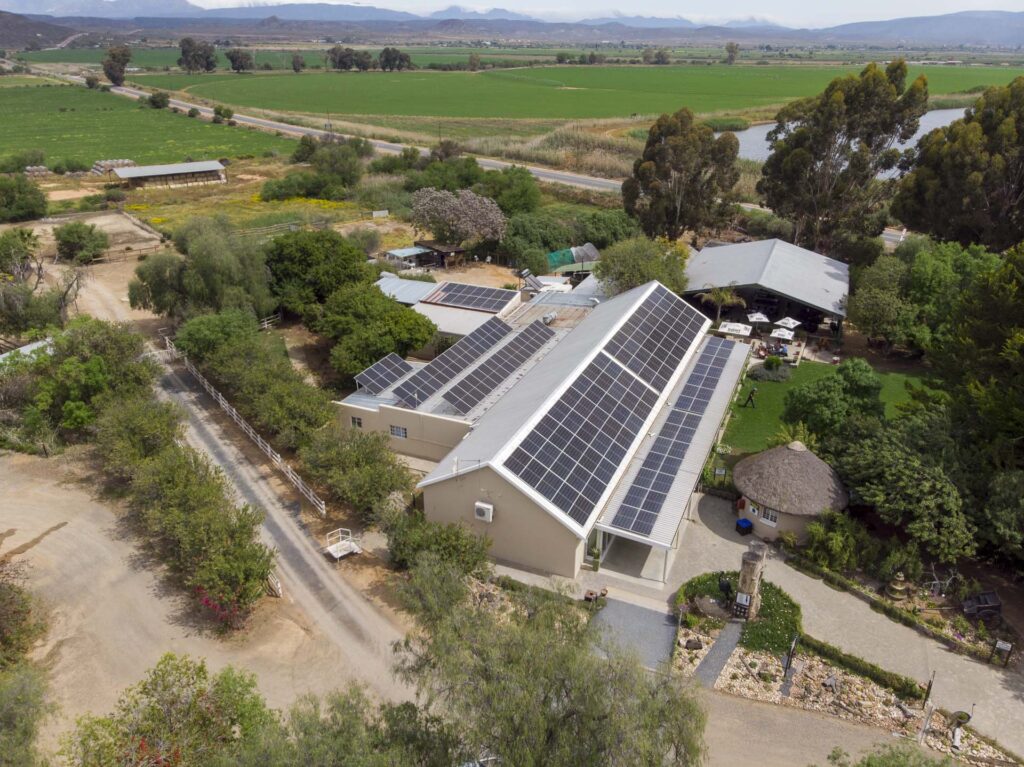
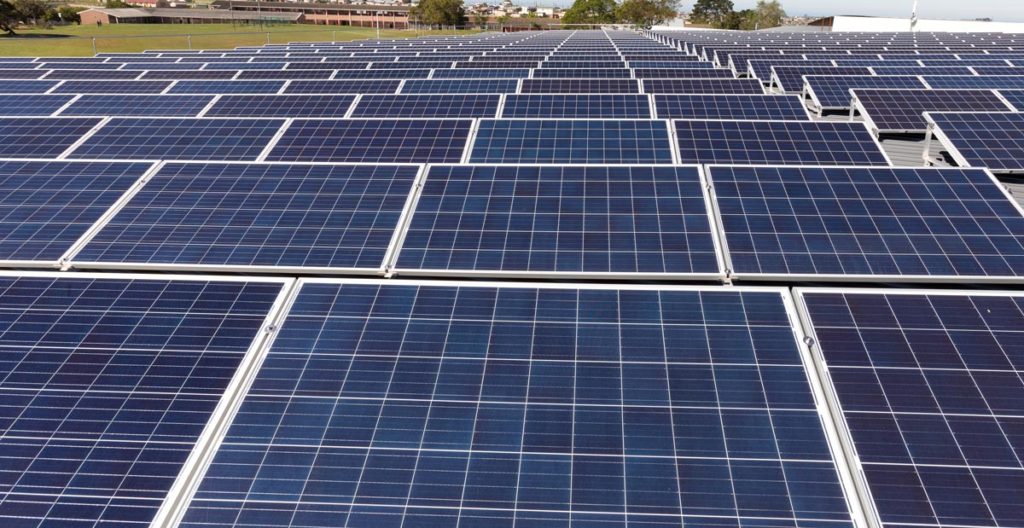
During daylight hours, solar panels can supply household appliances directly, reducing the electricity purchased from the grid.
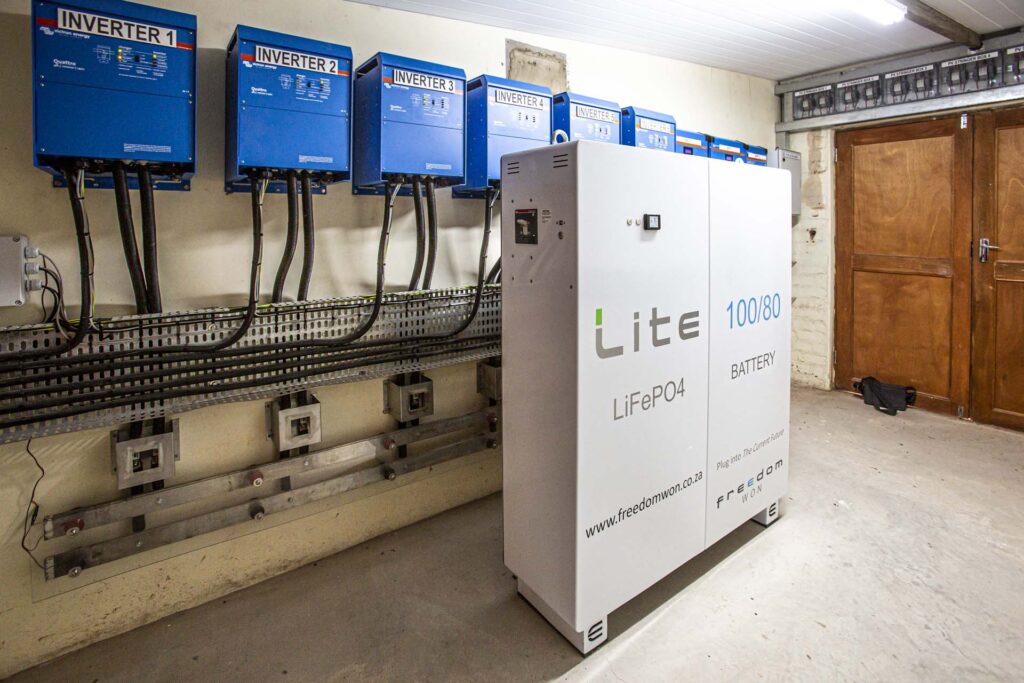
When generation exceeds the home’s immediate needs, a compatible battery system can store some of that surplus for later. That energy can then help power the home in the evening, when the panels are producing little or nothing.
This is particularly useful for households whose electricity use rises when everyone returns home. Instead of relying entirely on purchased electricity after sunset, they can use some of the energy generated earlier. Victron’s energy-storage guidance describes this combination of daytime generation, storage and later use.
The battery can therefore have two useful roles: supporting everyday solar use and keeping energy available for interruptions. The operating settings need to balance those roles; energy held in reserve cannot also be spent on normal household consumption beforehand.


What could that mean for your electricity bill?
The financial benefit begins with electricity you no longer need to buy.
For a concrete illustration, George Municipality’s 2026/27 Domestic 1.C energy charge is 322.88 cents per kWh before VAT, or approximately R3.71 including VAT. At that rate, a household purchasing 300 kWh less grid electricity in a month would reduce its energy charges by approximately R1,114. The rate and separate basic and capacity charges appear in the municipality’s published tariff book.
That is an illustrative calculation, not a forecast for a particular solar system. Fixed charges remain, and other tariffs have different rates. Actual savings depend on solar production, consumption patterns, storage losses and the applicable tariff. A sound financial assessment also accounts for installation, financing where applicable, maintenance and future equipment replacement.
This is why the right system should be designed around both your electricity bill and your daily routine. Our article on solar savings and electricity costs in George explains why two households with similar bills may need different solutions.

The bill tells you what you paid. Your energy profile helps explain why.
Understanding consumption, tariffs and timing gives a solar assessment a stronger starting point than choosing equipment first.
Why solar and batteries are stronger together during an outage
A battery provides stored energy. Solar provides an opportunity to replenish it.
In a suitably configured hybrid system, solar generation can continue supplying backed-up loads during a daytime outage. Where generation exceeds those loads, it can also recharge the battery. Storage then supports the home when sunlight falls or demand exceeds available solar production.
That is a meaningful advantage over relying only on a battery charged before the interruption.
However, an eight-hour municipal outage does not automatically mean eight hours of backup from any system. Starting charge, weather, connected appliances and equipment limits all affect runtime. The design should establish a realistic expectation before installation.
You are not buying solar for one Sunday. You are planning how your home uses and secures energy every day.

Backup runtime depends on the system
Battery capacity, starting state of charge, inverter power, solar production, weather and connected loads all influence how long backed-up circuits can operate.
For businesses, the value includes keeping essential work moving
The same principle applies to businesses, where an interruption may affect refrigeration, payments, communications or production.
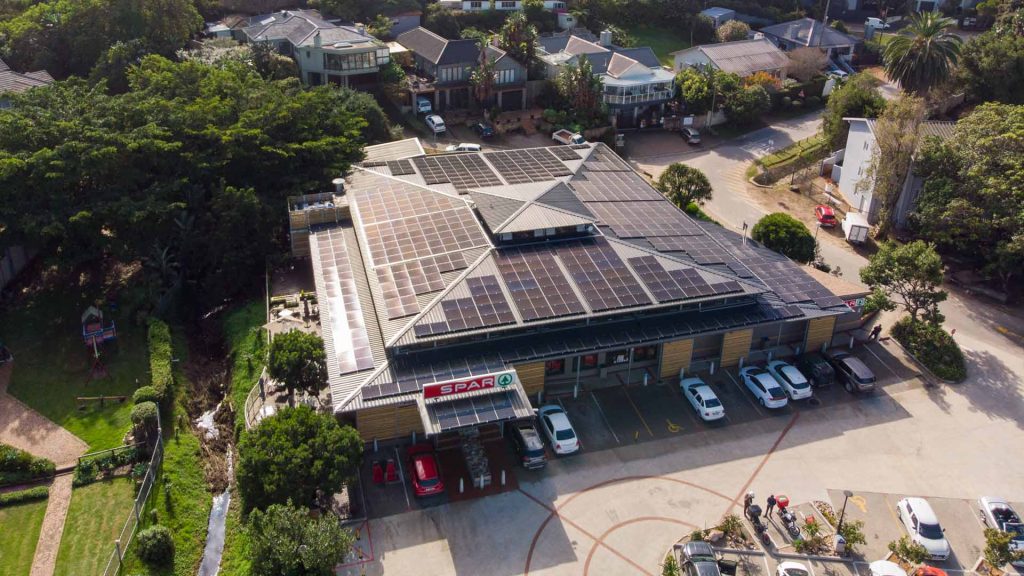
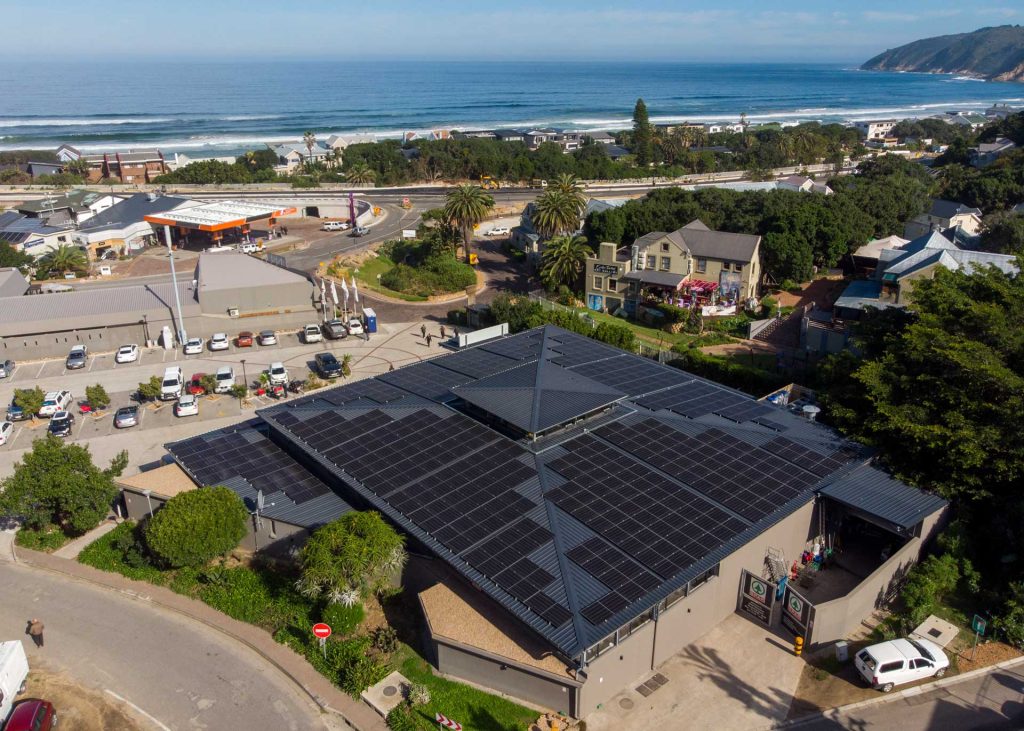
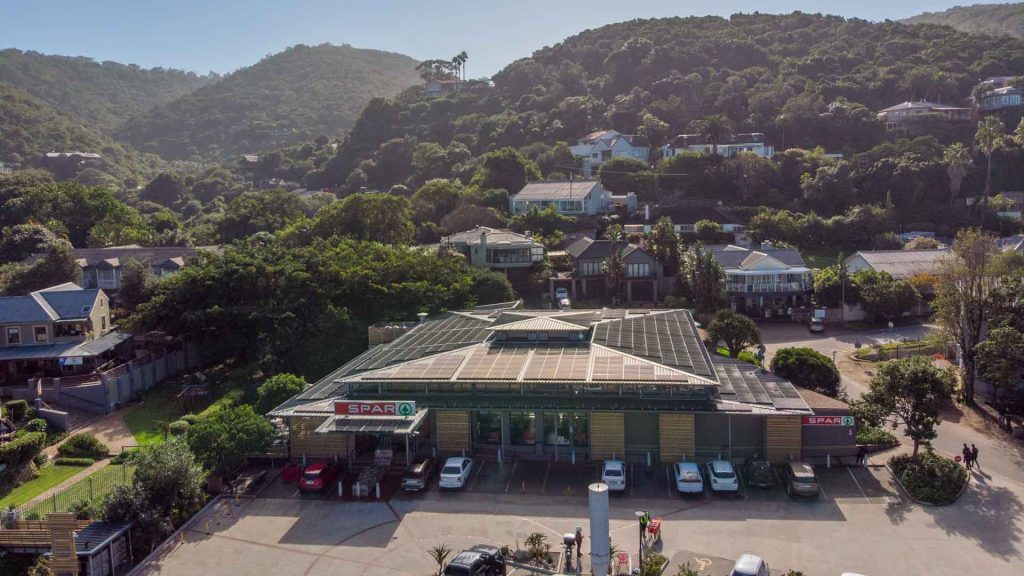
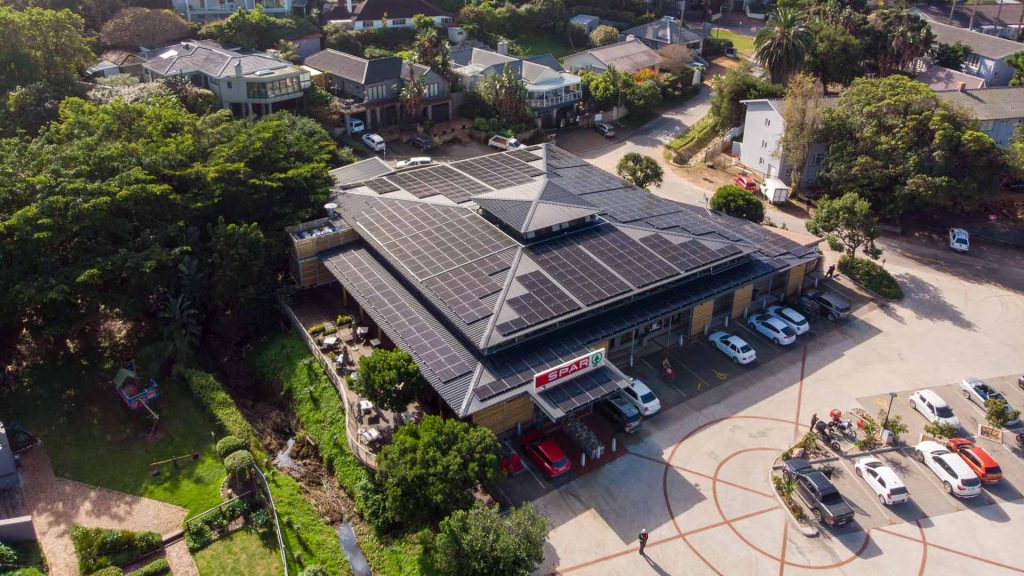
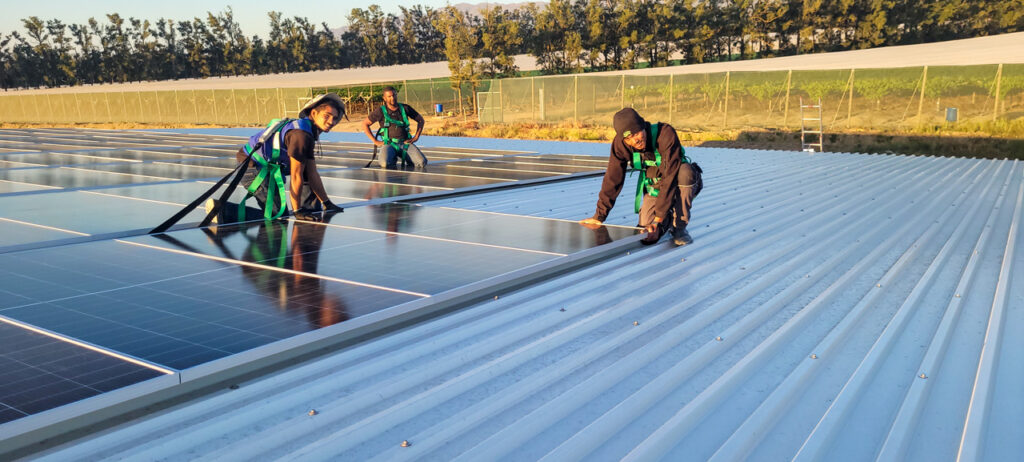
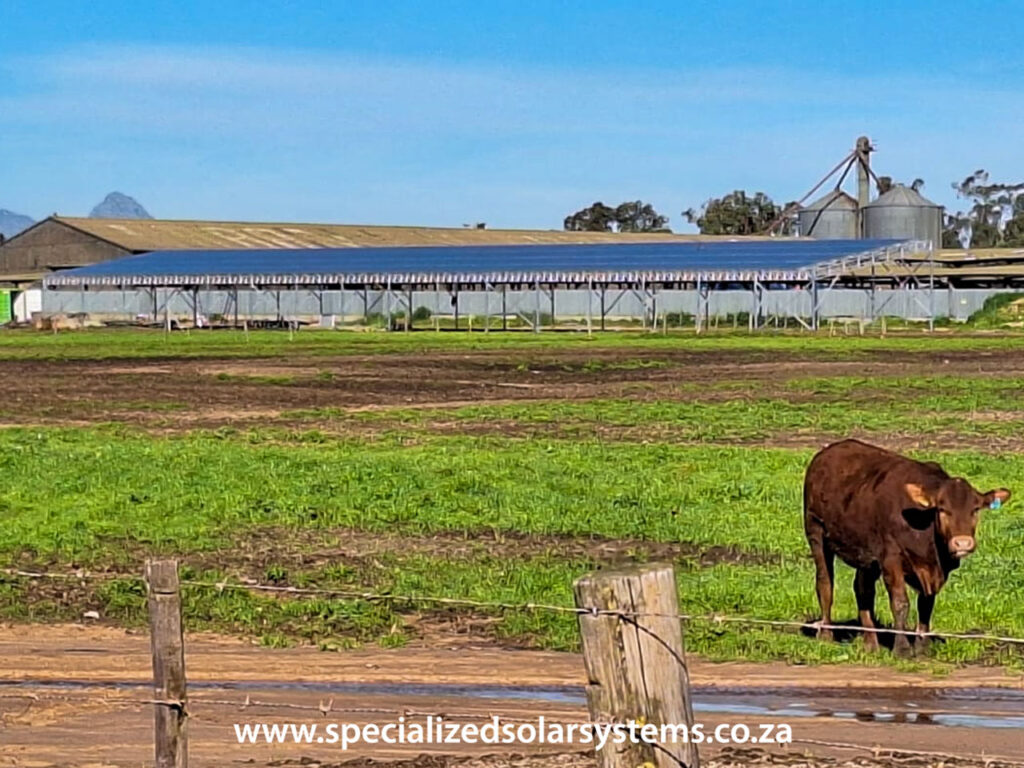
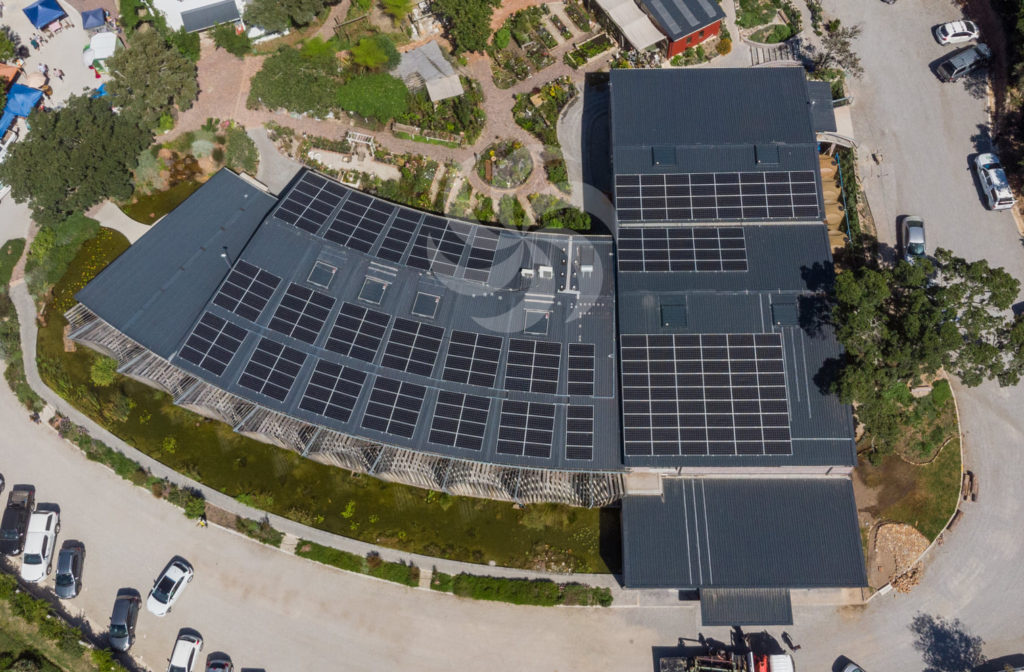
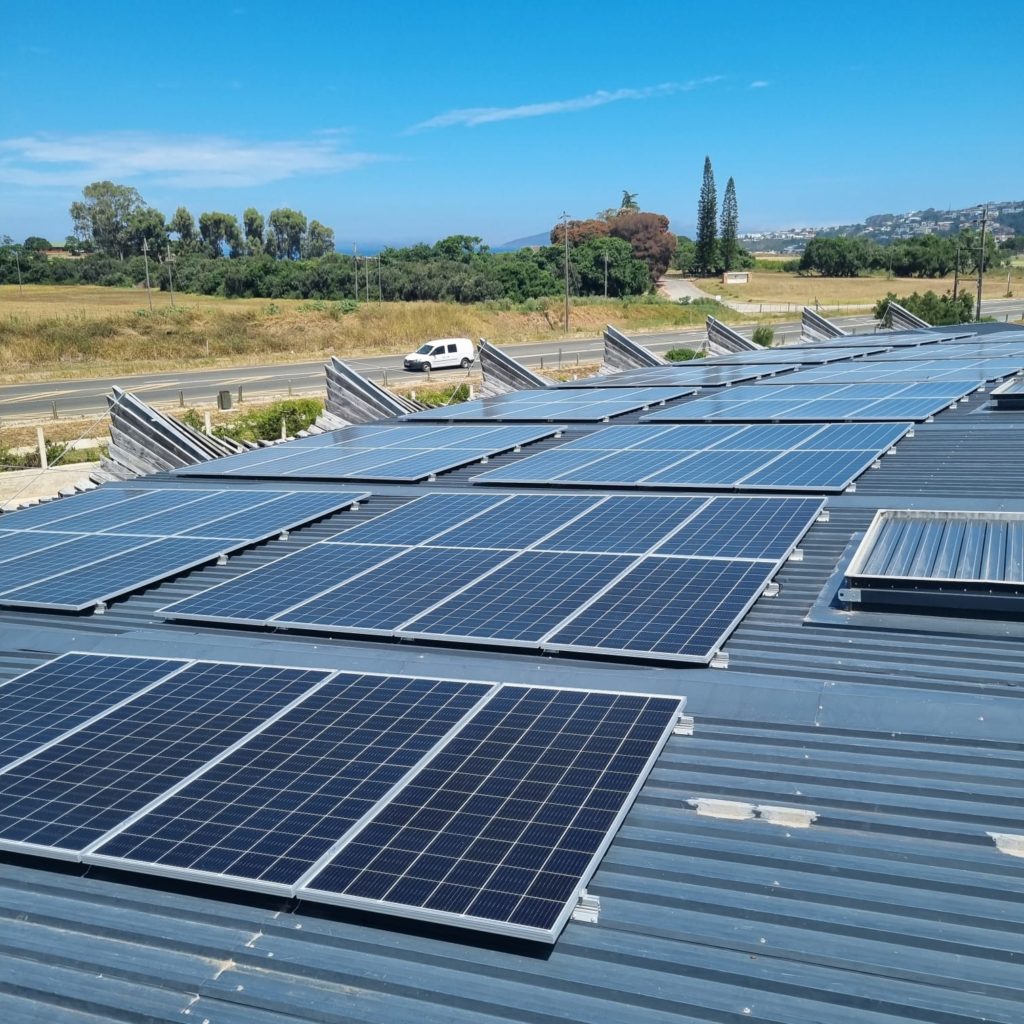
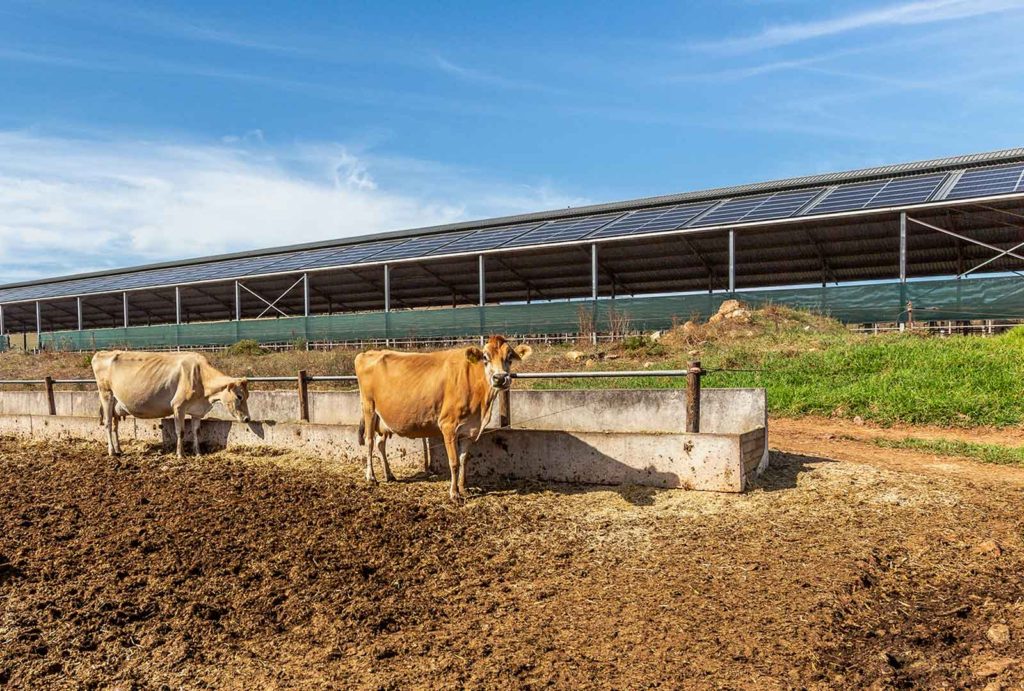
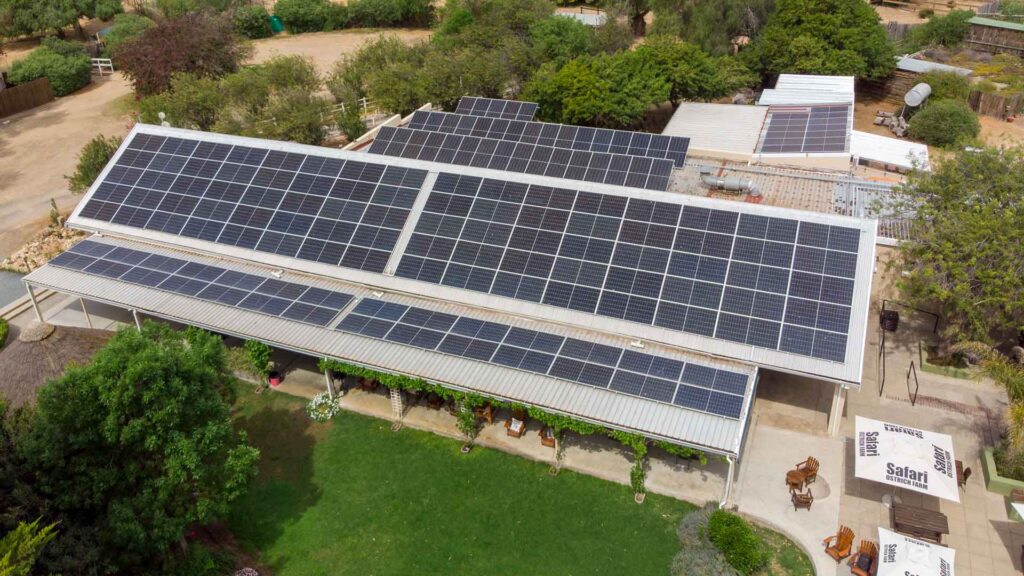
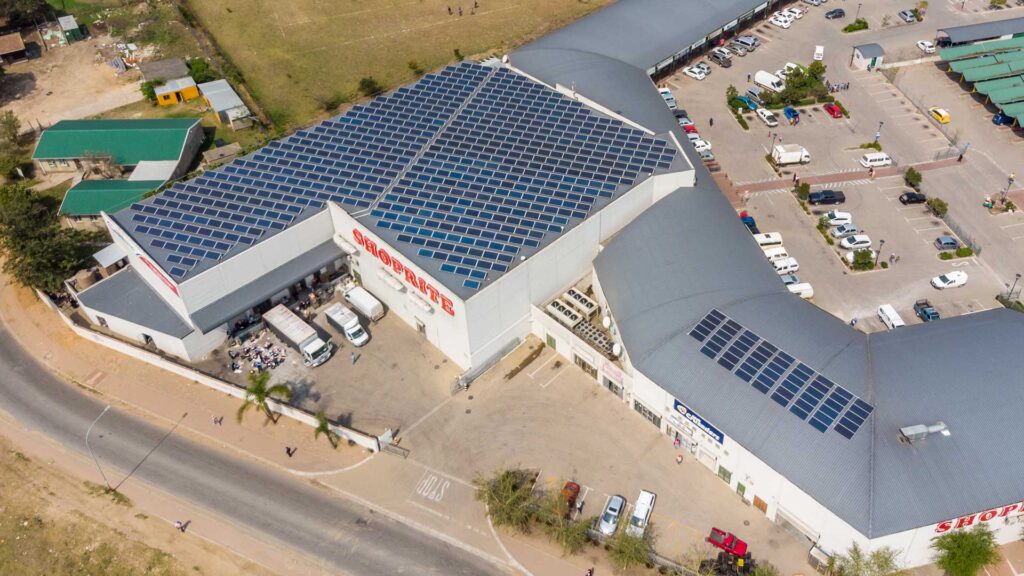
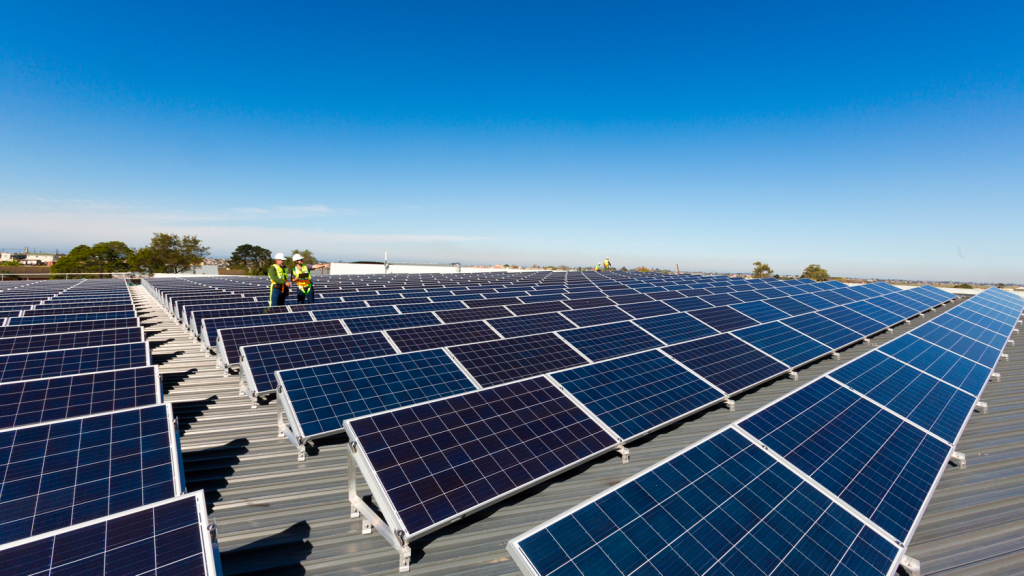
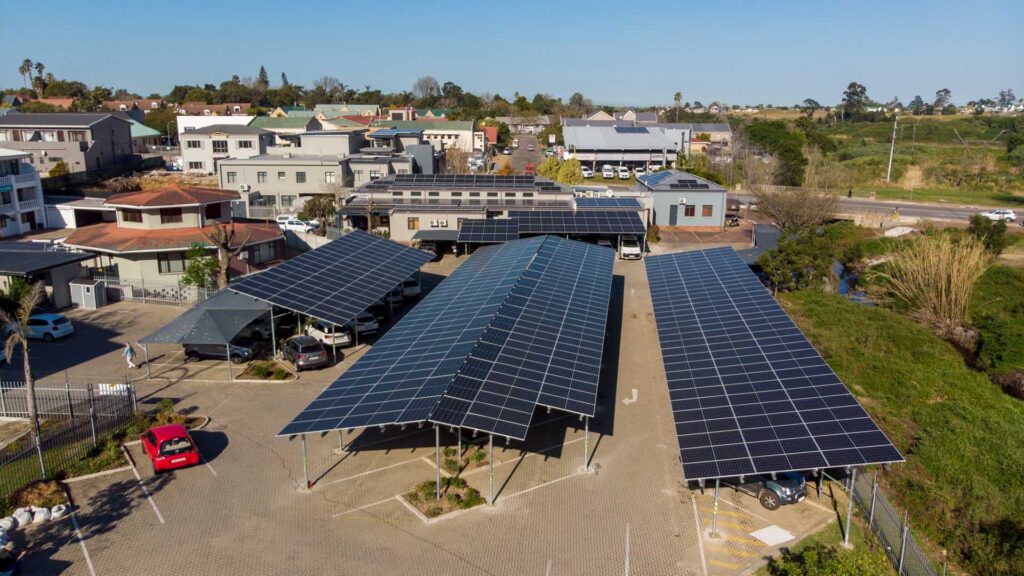
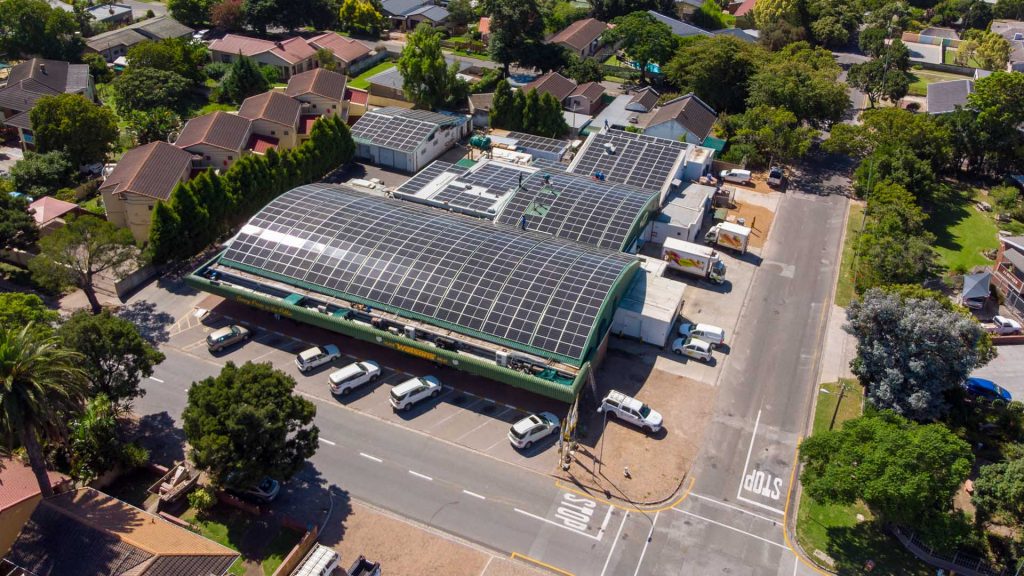
There is an important distinction for businesses that already have panels: conventional grid-tied solar without backup capability normally stops operating when the grid fails. A large rooftop array is not, by itself, an outage solution. This manufacturer guide explains why suitable backup equipment is needed.
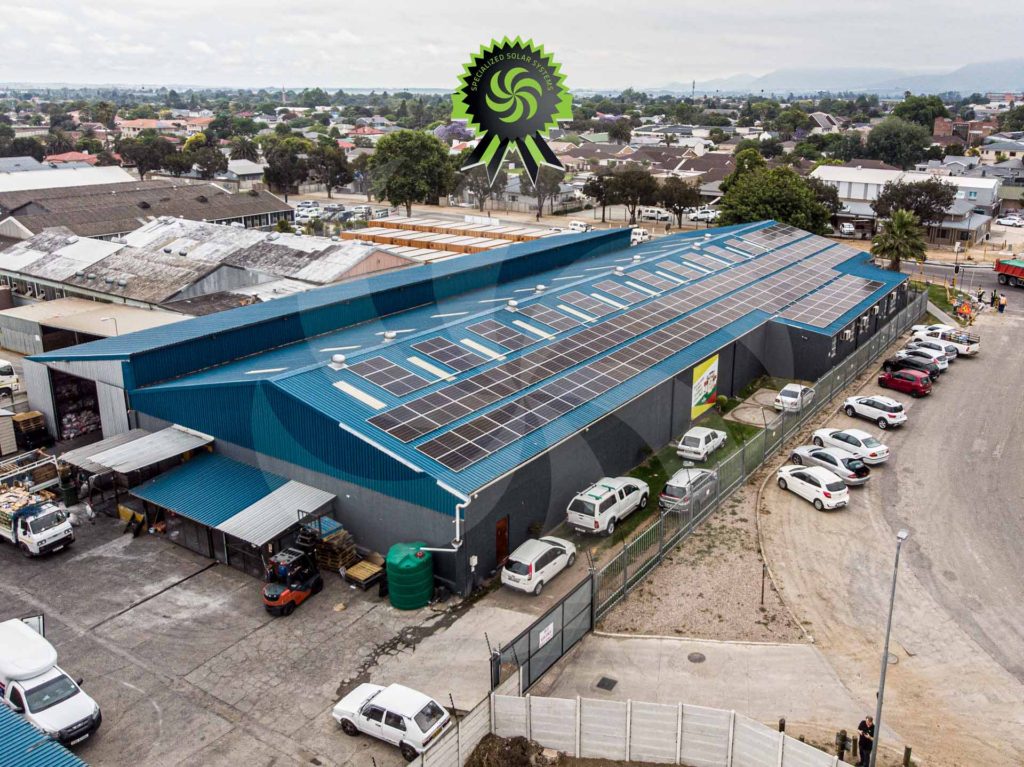
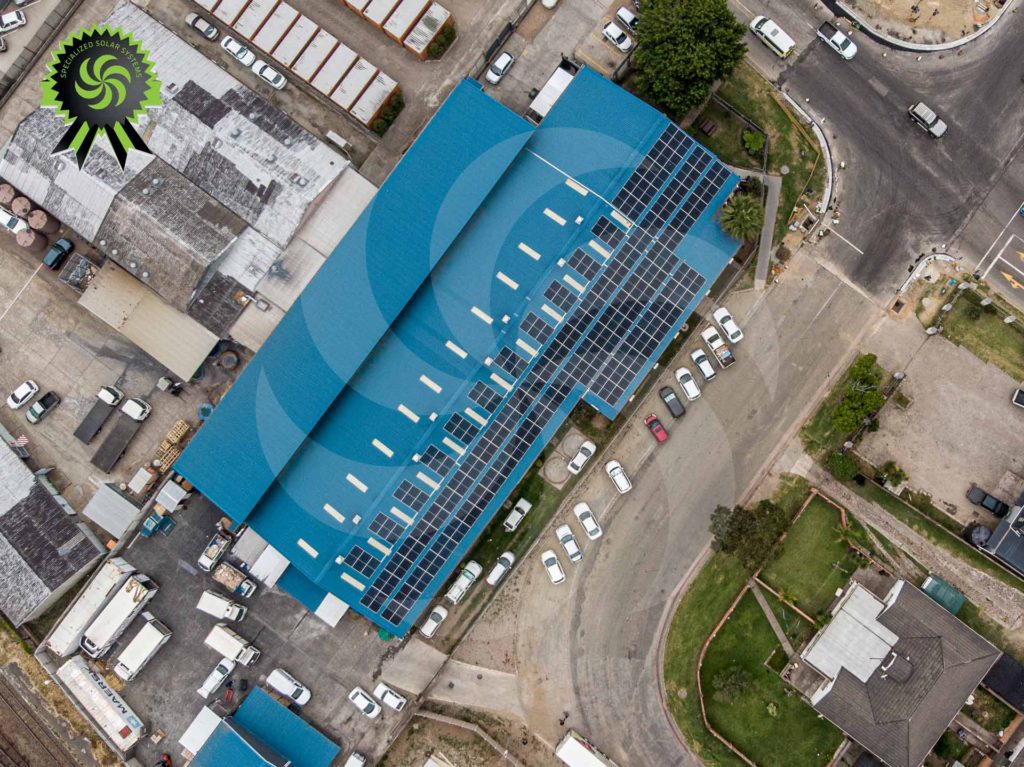
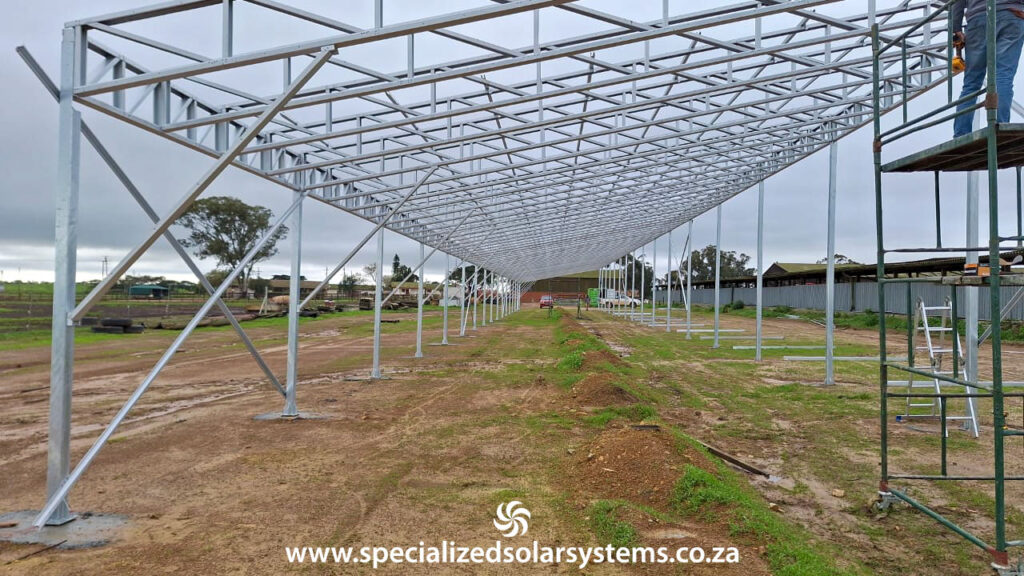
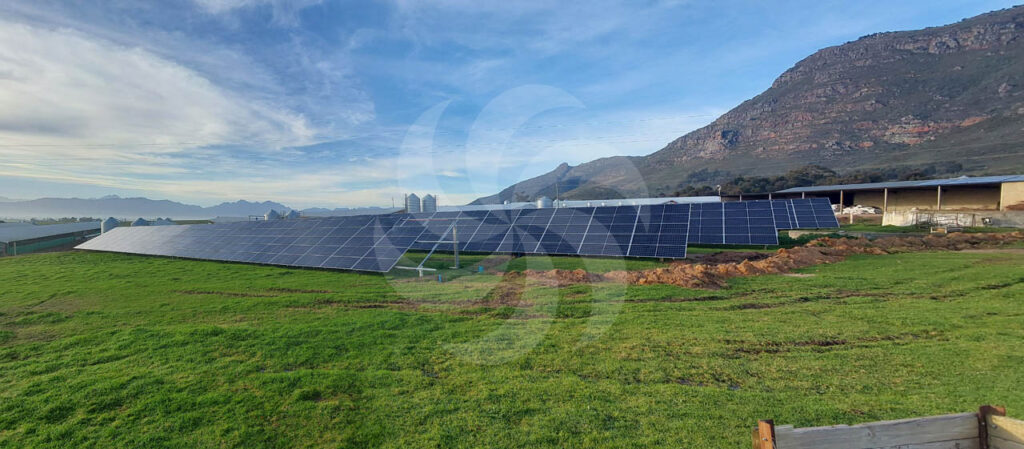
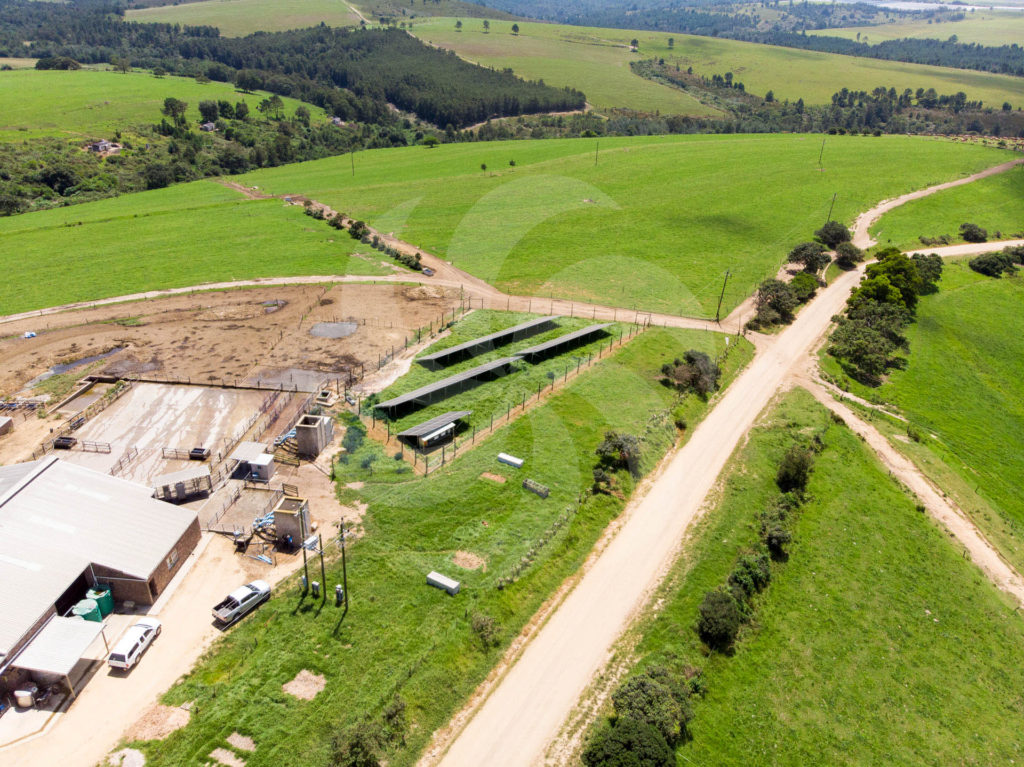
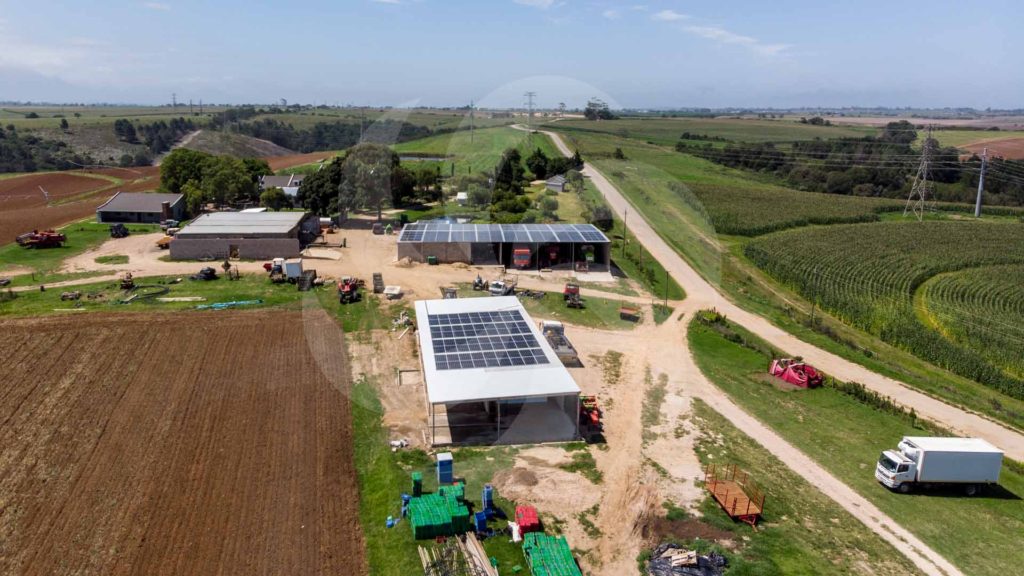
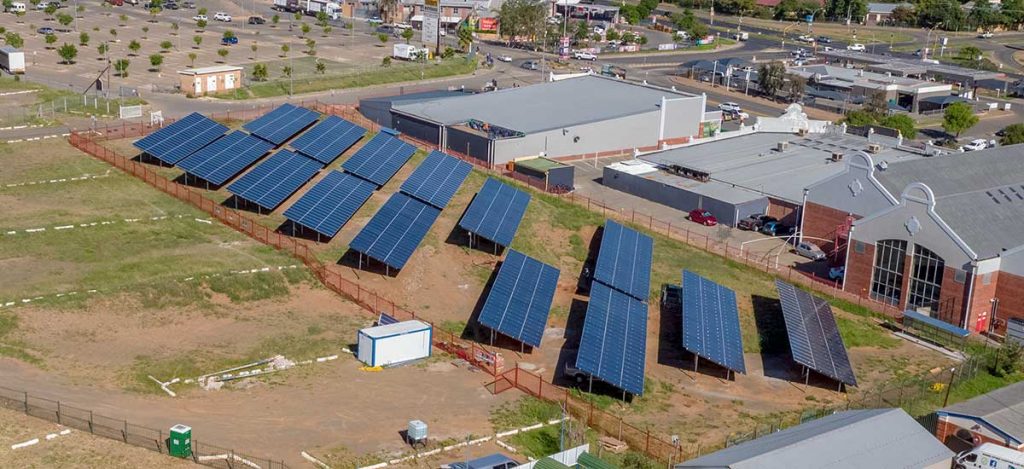
Existing installations may offer opportunities for a compatible hybrid upgrade, battery storage or generator integration. Those possibilities require an engineering assessment, not simply the addition of another battery. SSS’s commercial solar solutions begin with the business’s energy profile and operating requirements.
How Specialized Solar Systems can help
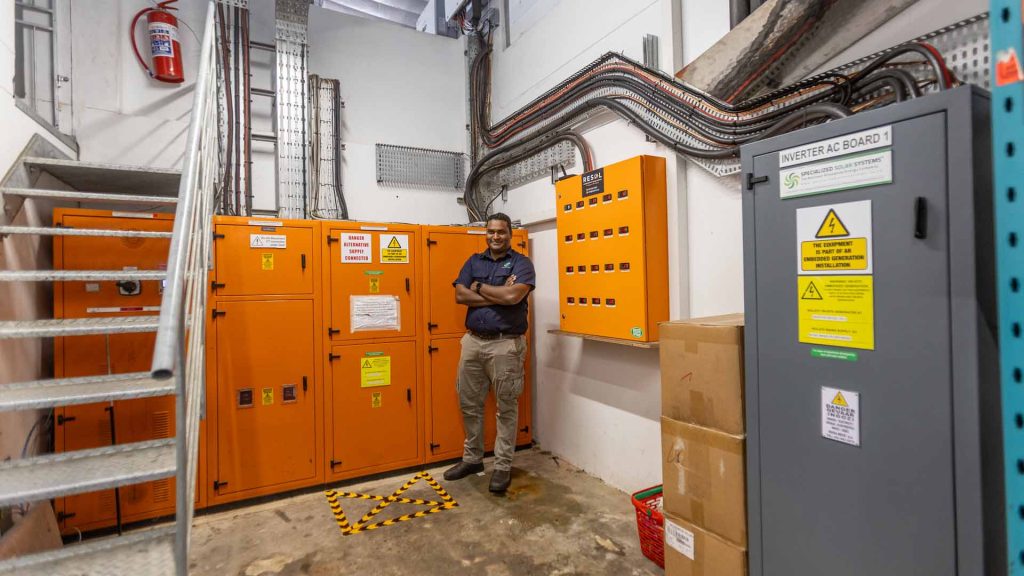
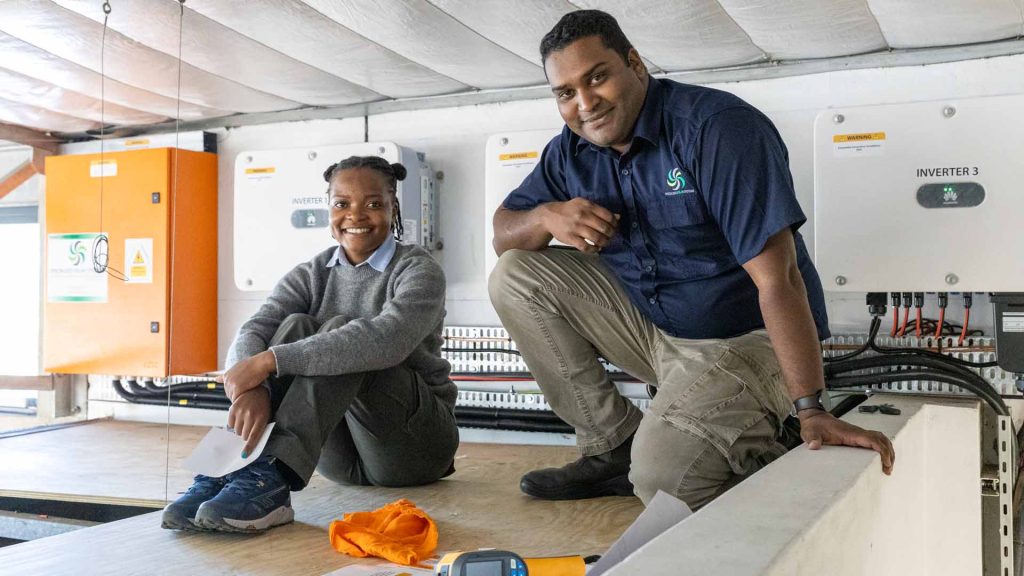
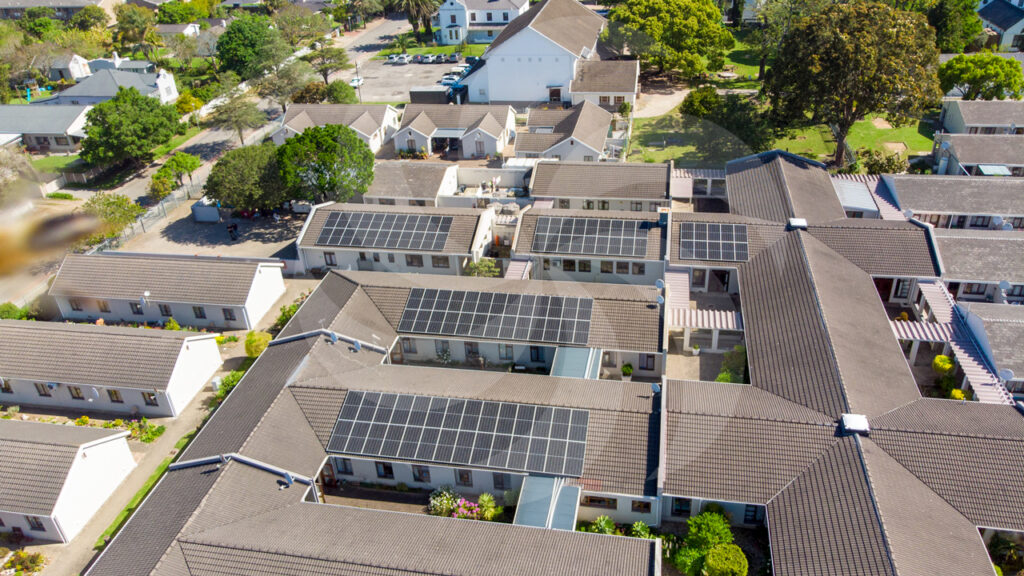
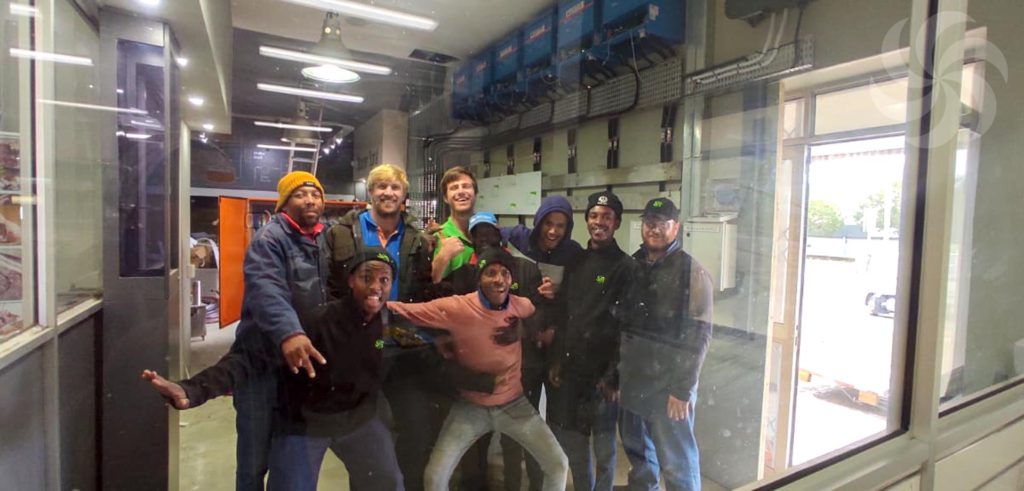
SSS’s process begins with understanding the property: its electricity use, site conditions and the outcomes the customer wants. That informs system design, professional installation and ongoing monitoring and support.
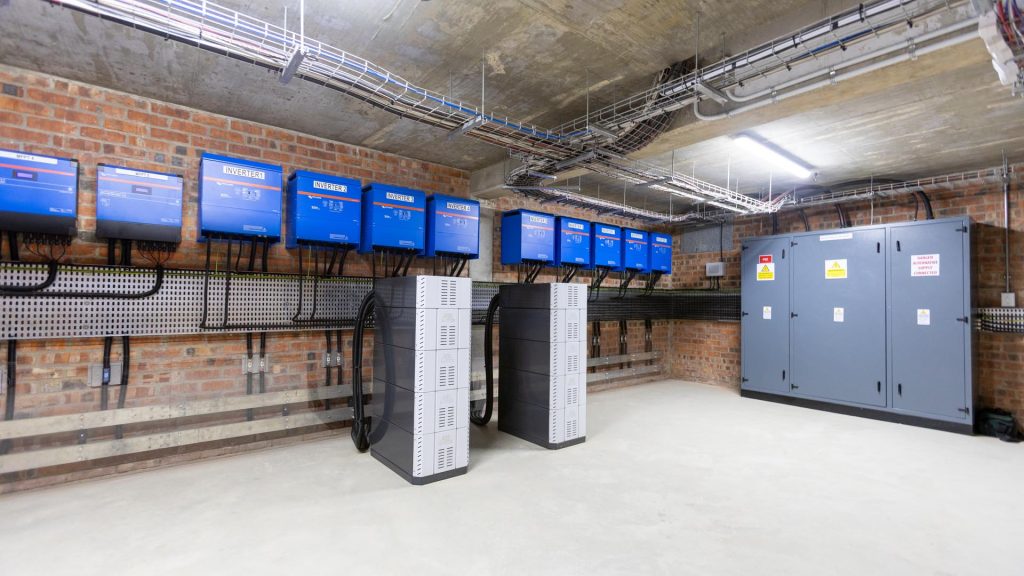
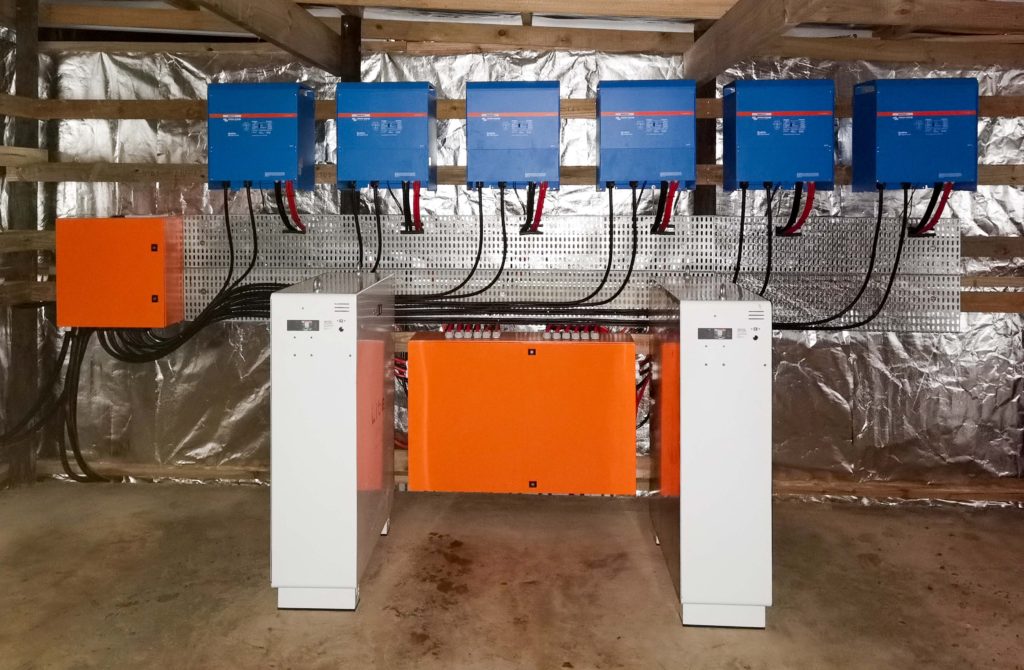
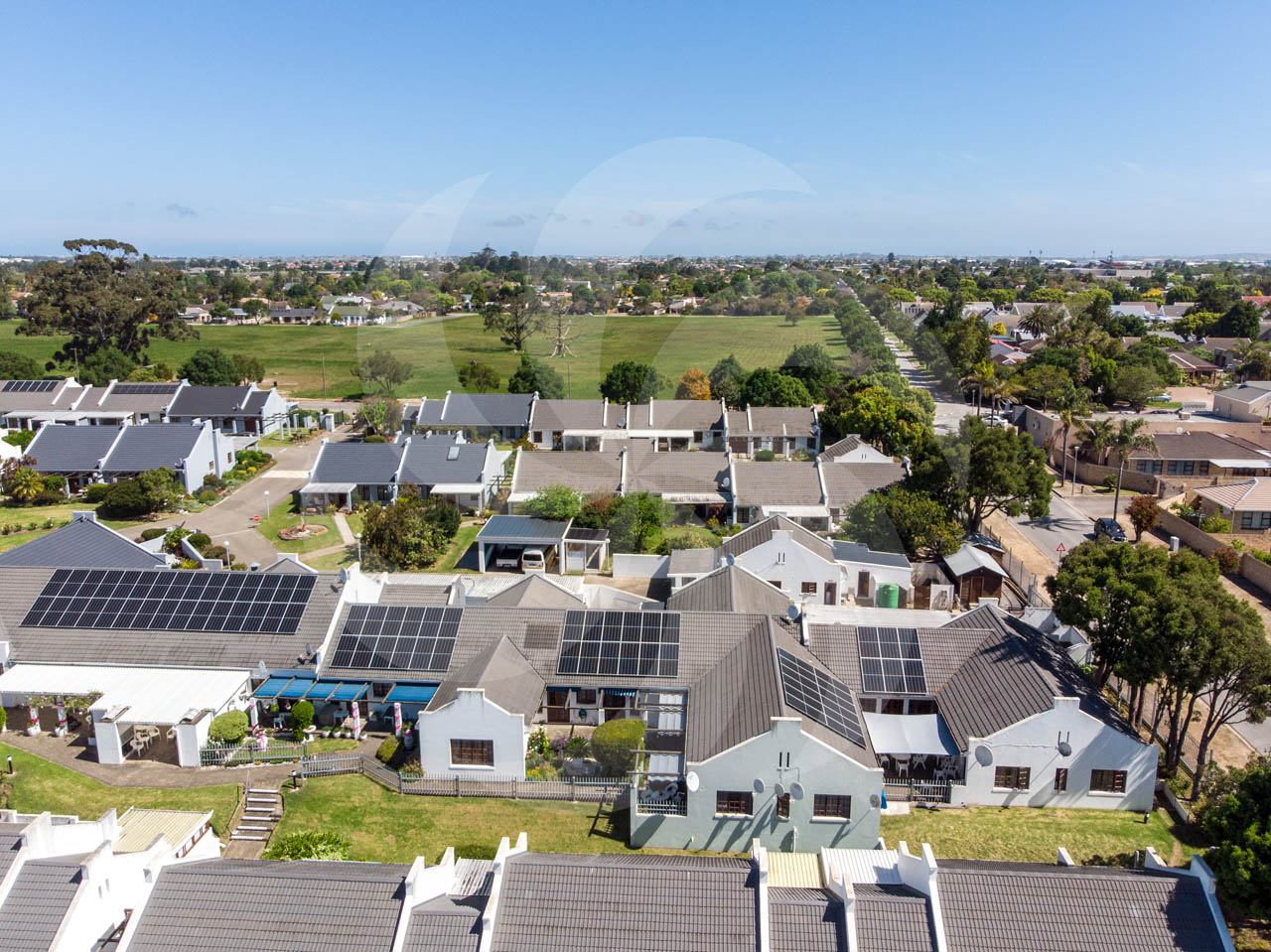
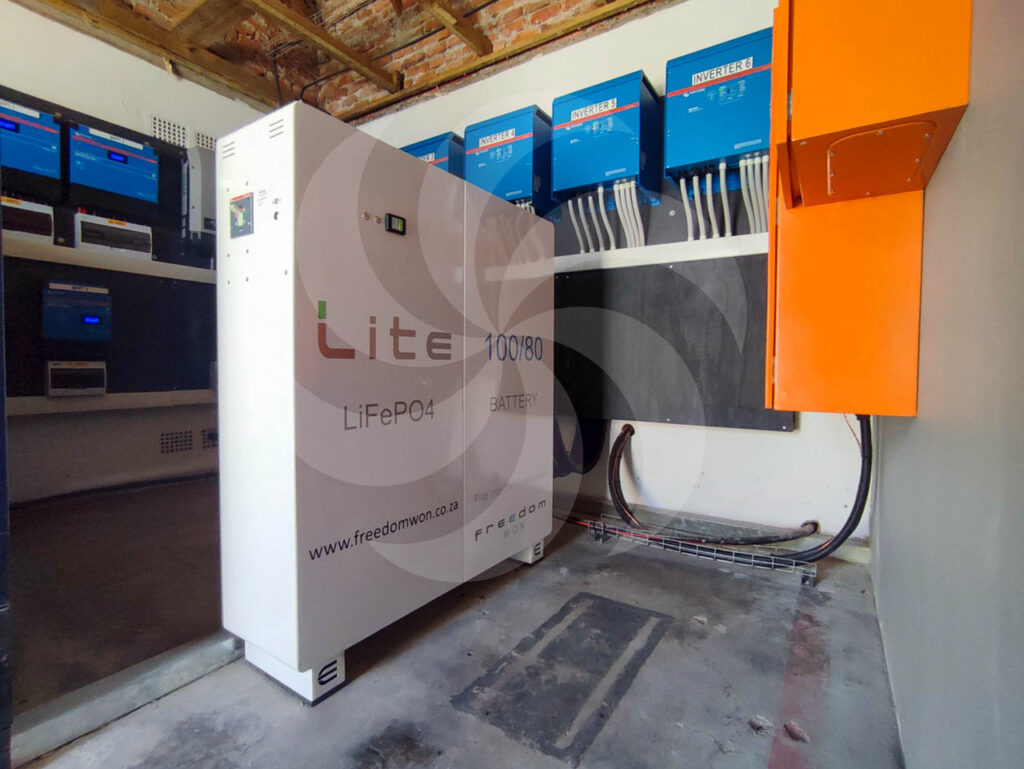
For homeowners, our residential solar systems include backup, hybrid and off-grid options using Victron technology, lithium battery storage and monitoring. Modular designs provide a route to future expansion, subject to the chosen equipment and its compatibility requirements.
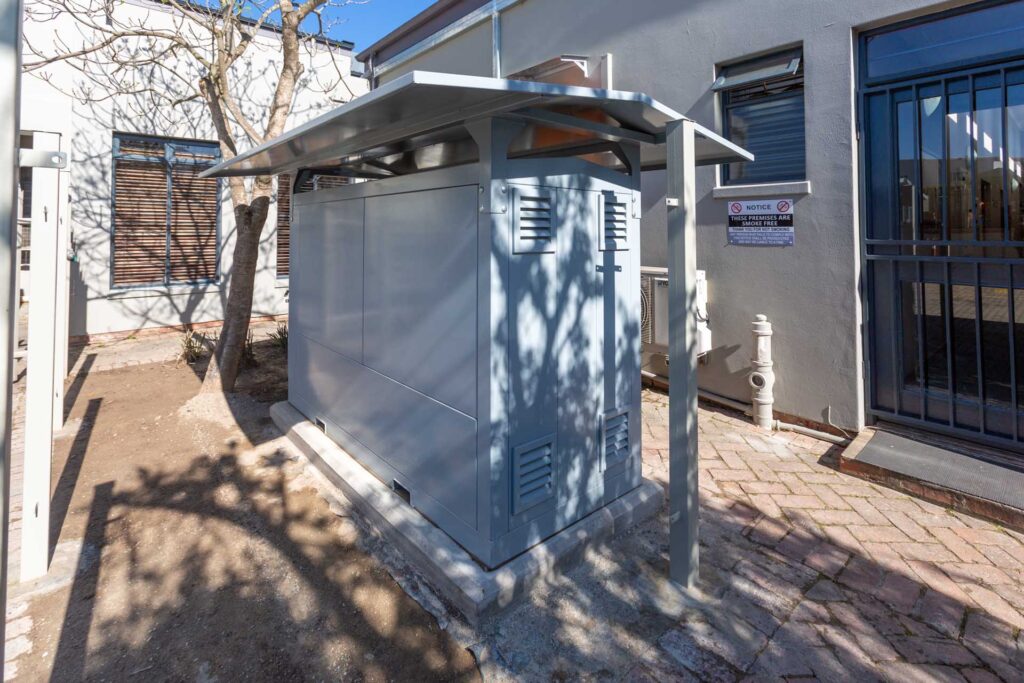
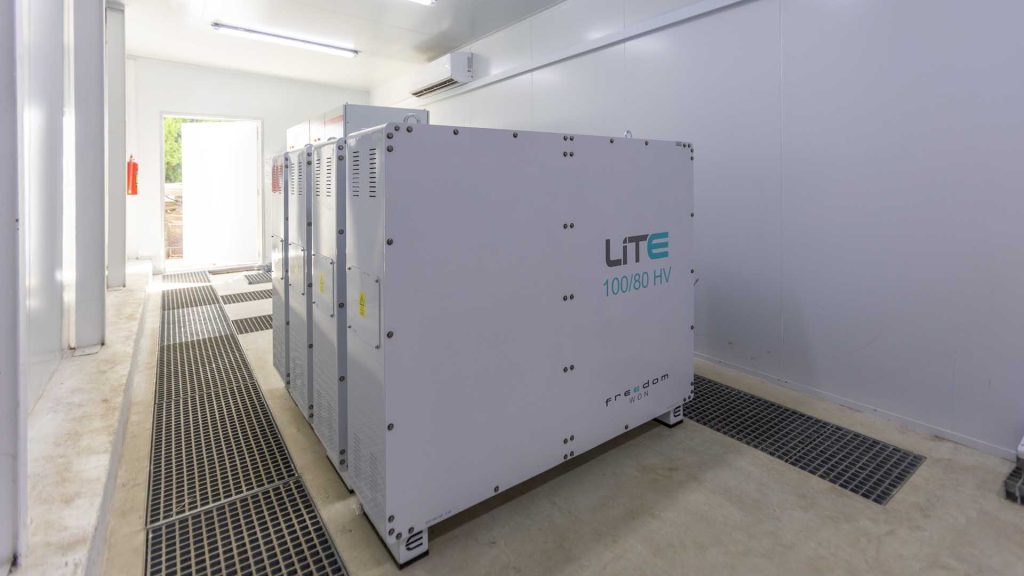
Our locally manufactured storageDOCK battery range also brings local technical support and repair-and-return capability into the decision. Knowing who will support the equipment matters long after installation day.
Start with your recent electricity accounts and a simple list of what you want to keep running. From there, we can discuss a system that balances your budget, potential savings and backup priorities.

Make the next electricity decision about more than the next outage
The strongest case for solar and battery backup is not just avoiding disruption. It is combining lower grid consumption, useful backup and greater control over your energy in one properly planned system.
The upcoming interruption is a reason to start that conversation, not to rush into an unsuitable purchase.
Let the outage prompt the question. Let your everyday needs shape the answer.
Request a solar assessment or quotation from Specialized Solar Systems.
More Than Solar. Powering Possibility.
Voted Best Solar Company in George – 2024 • 2025 • 2026.
Outage information checked on 22 September 2026. Confirm the latest municipal notice before making arrangements. Treat municipal electrical installations as live throughout the interruption, as supply may return at any time.