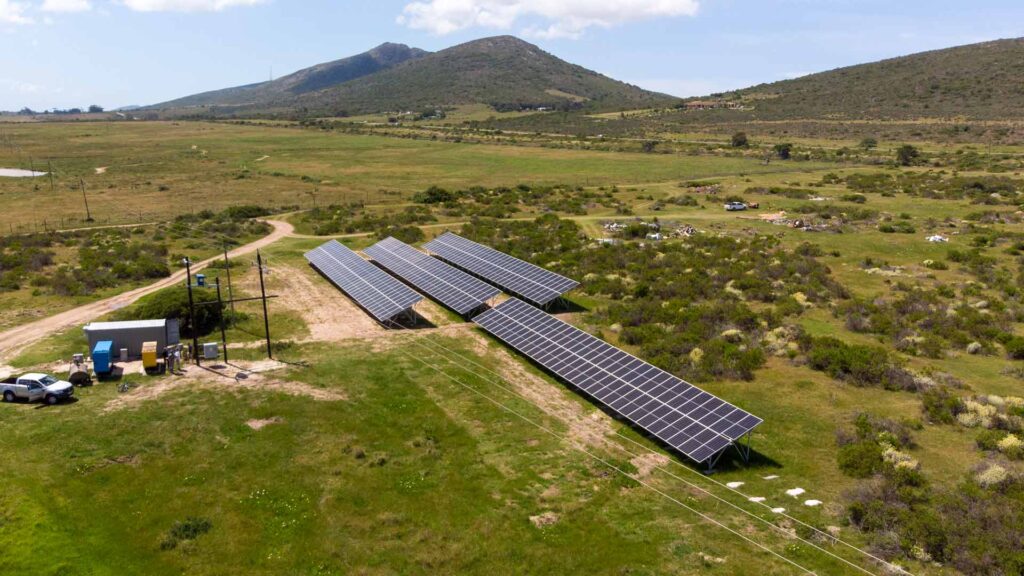
Wilderness, Western Cape
Case
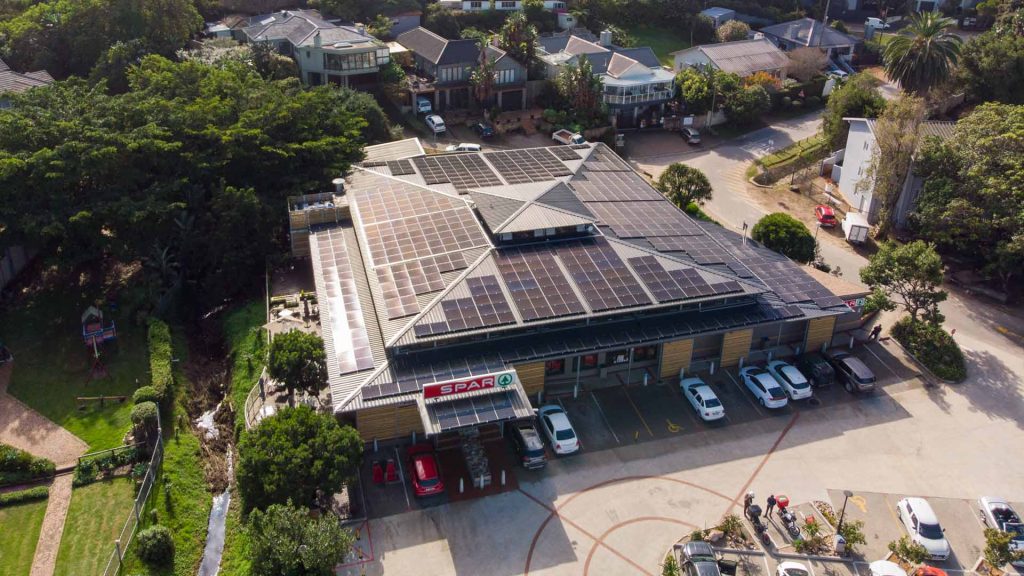
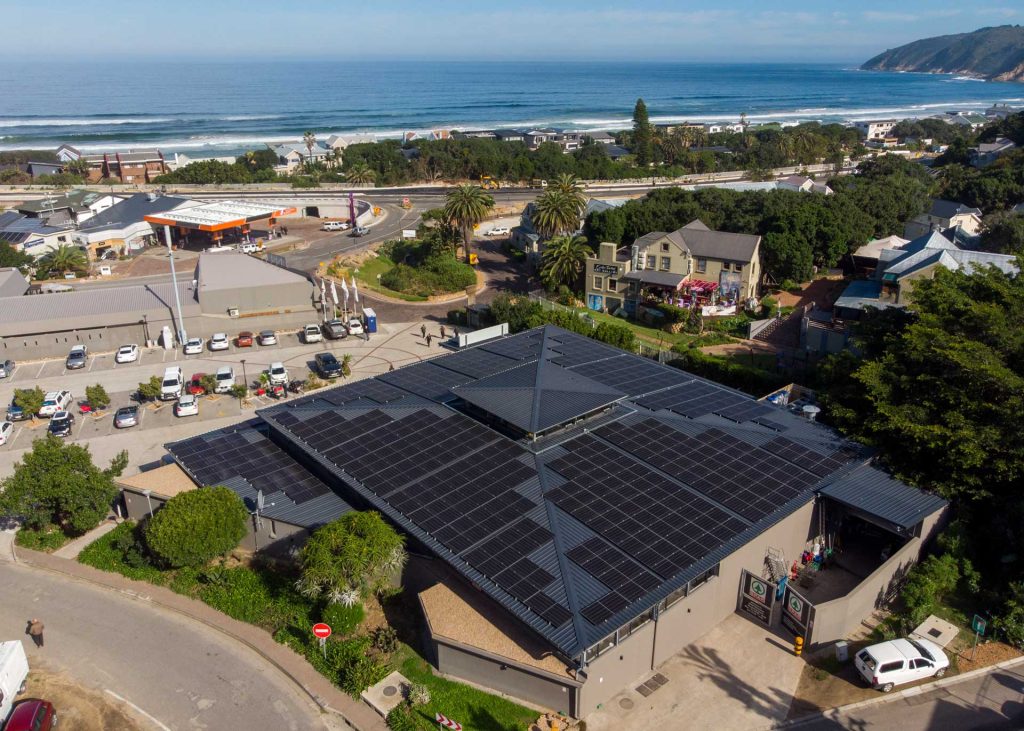
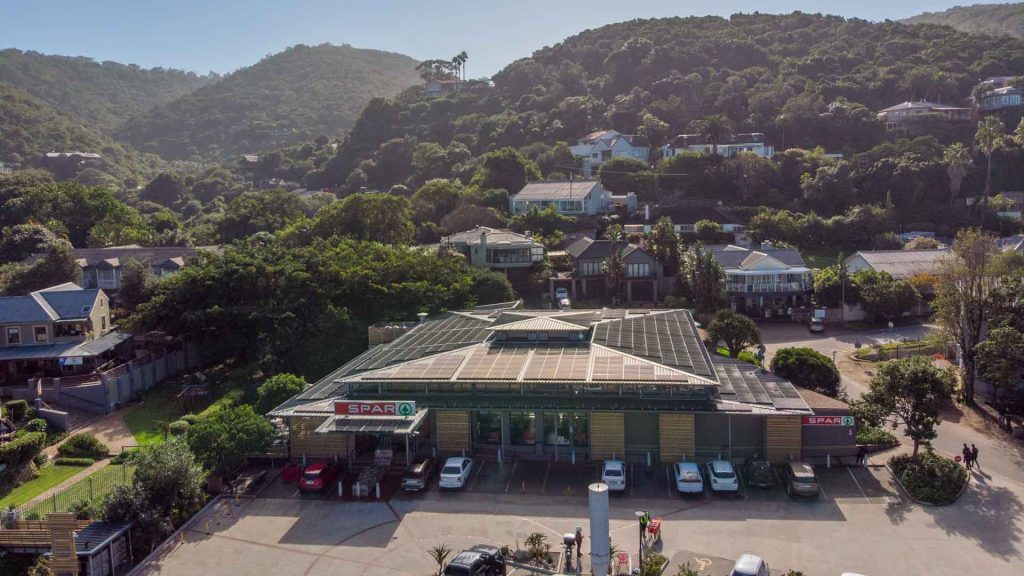
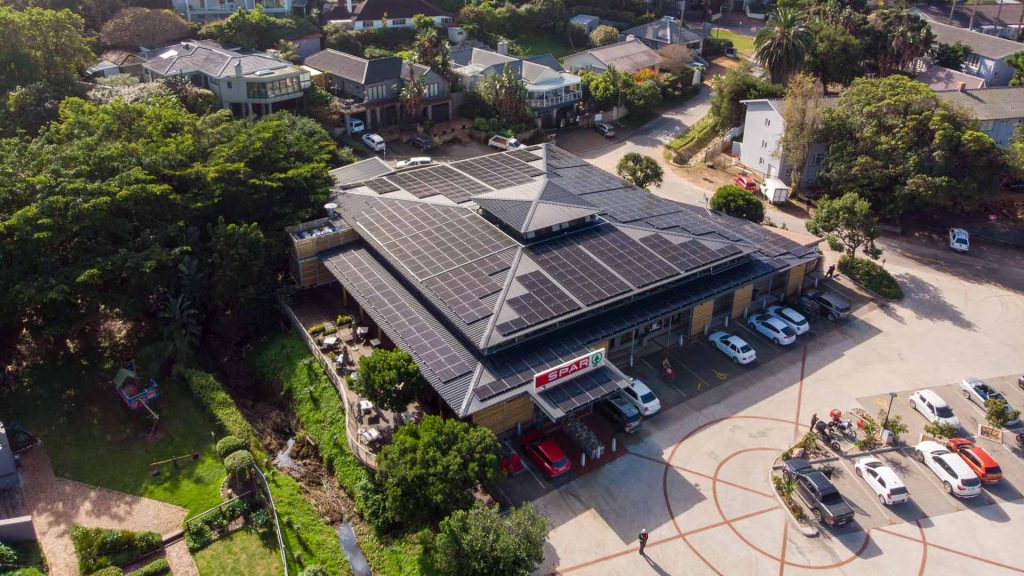
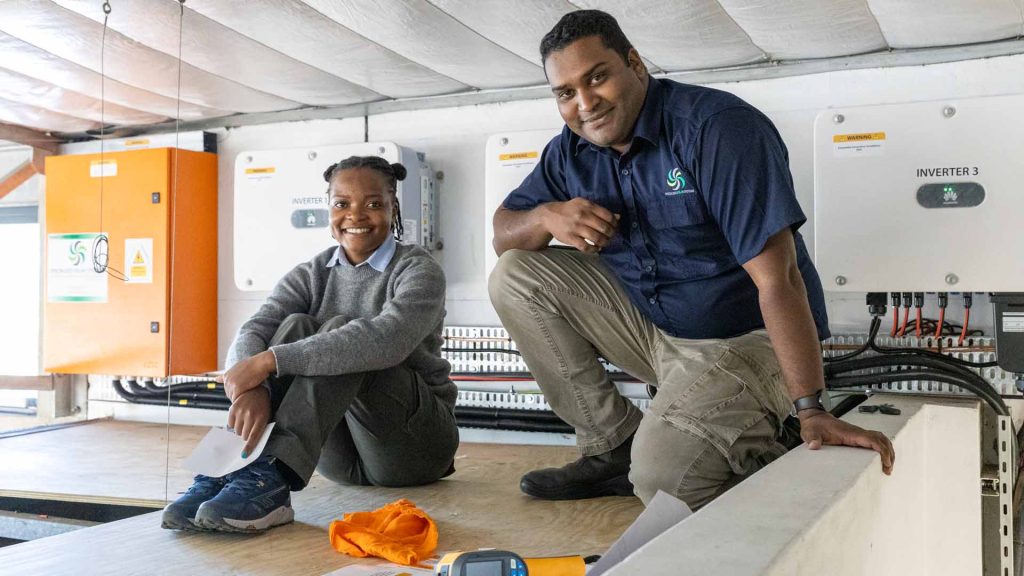
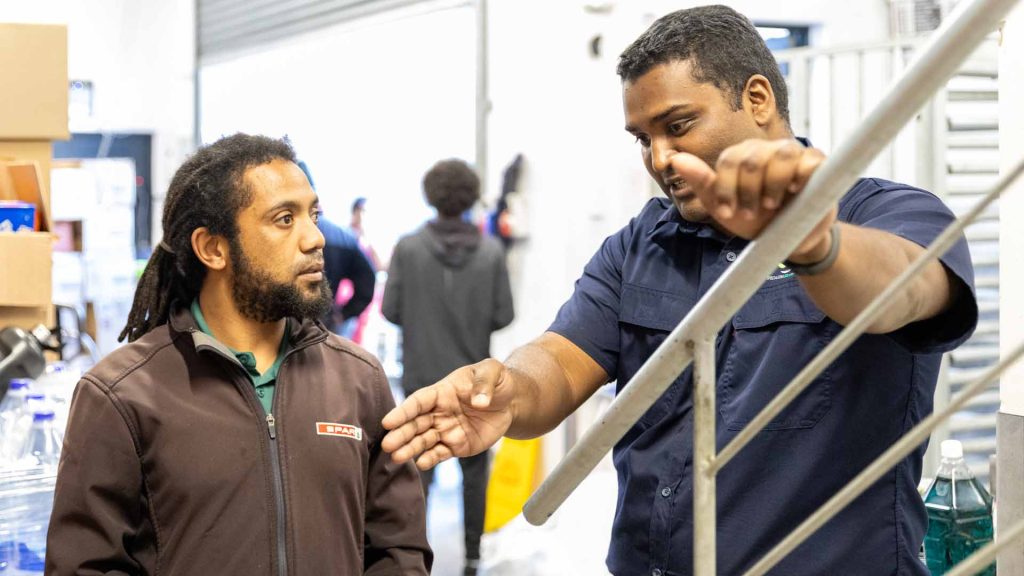
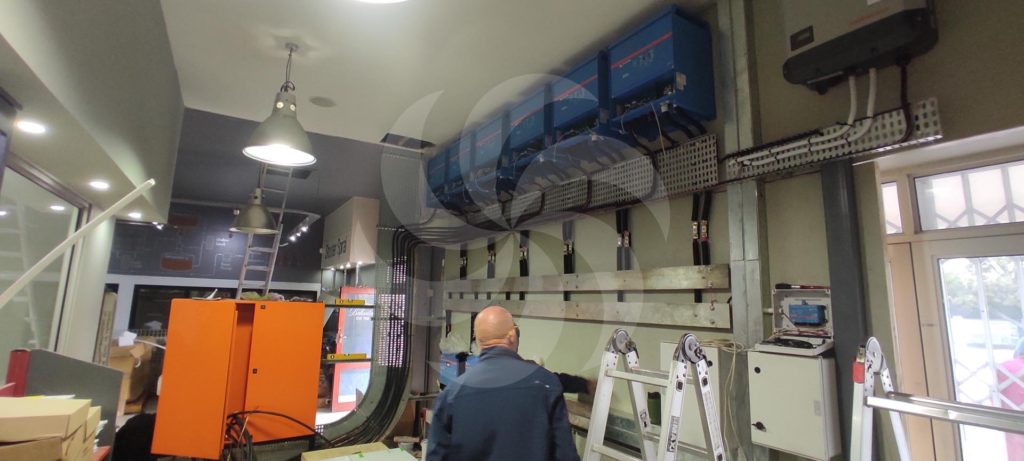
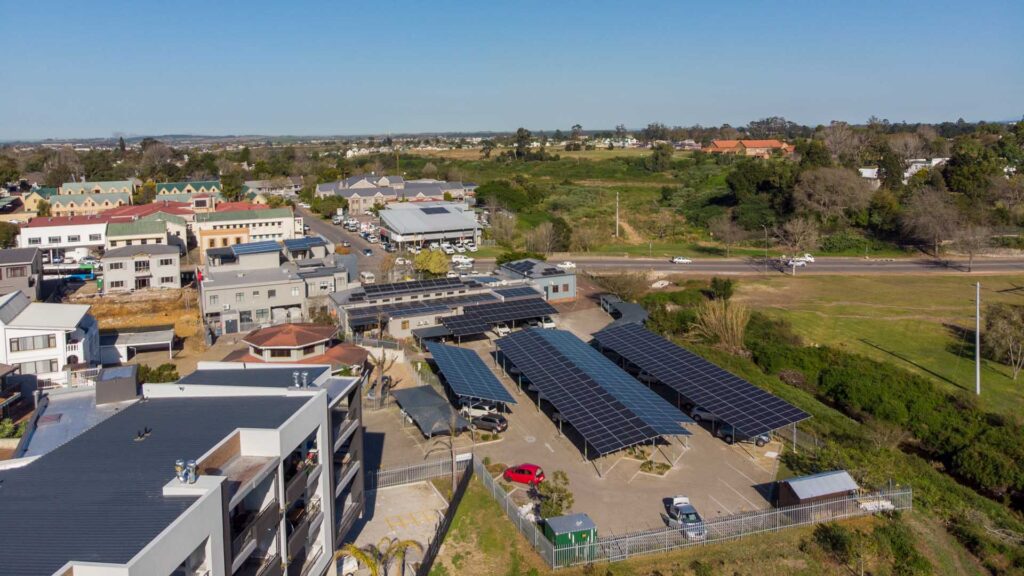
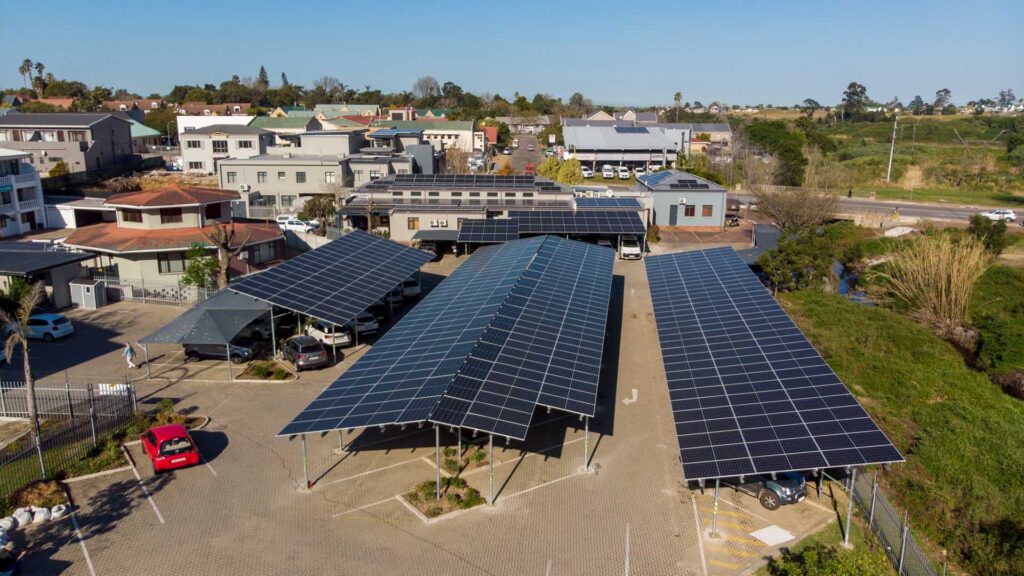
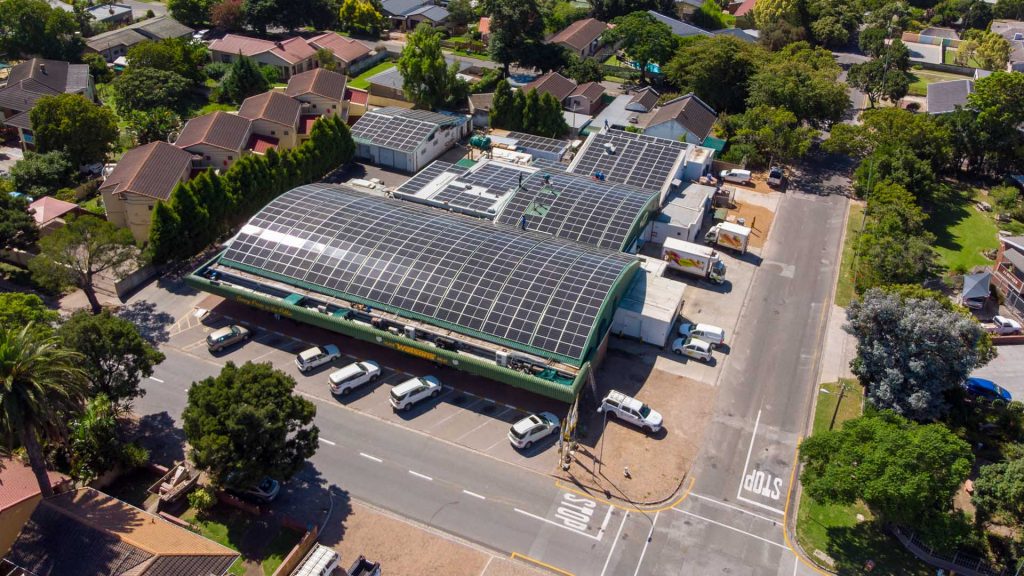
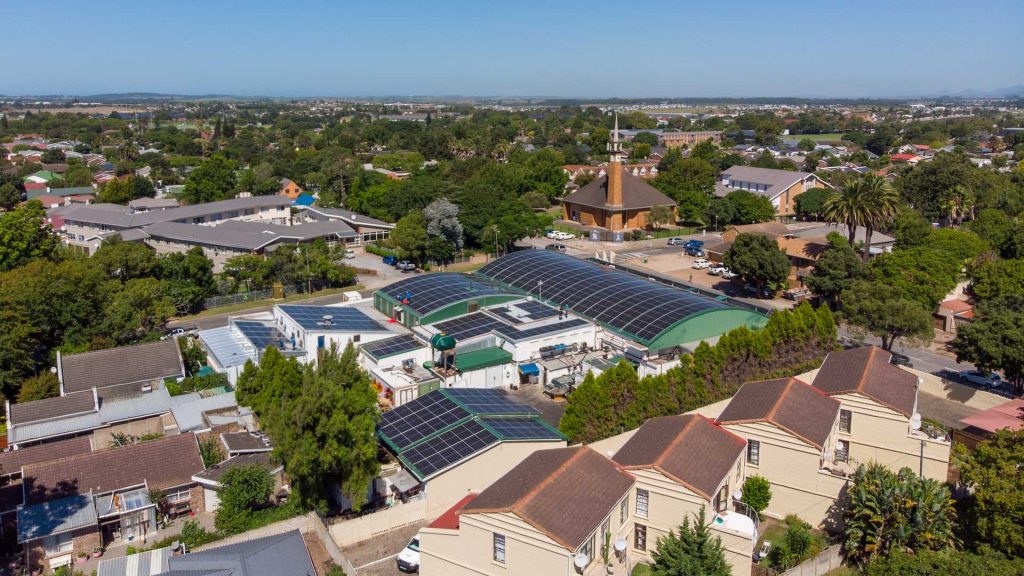
Wilderness SPAR invested in solar energy to reduce operating costs, improve sustainability, and strengthen its commitment to responsible retail operations.
Challenge
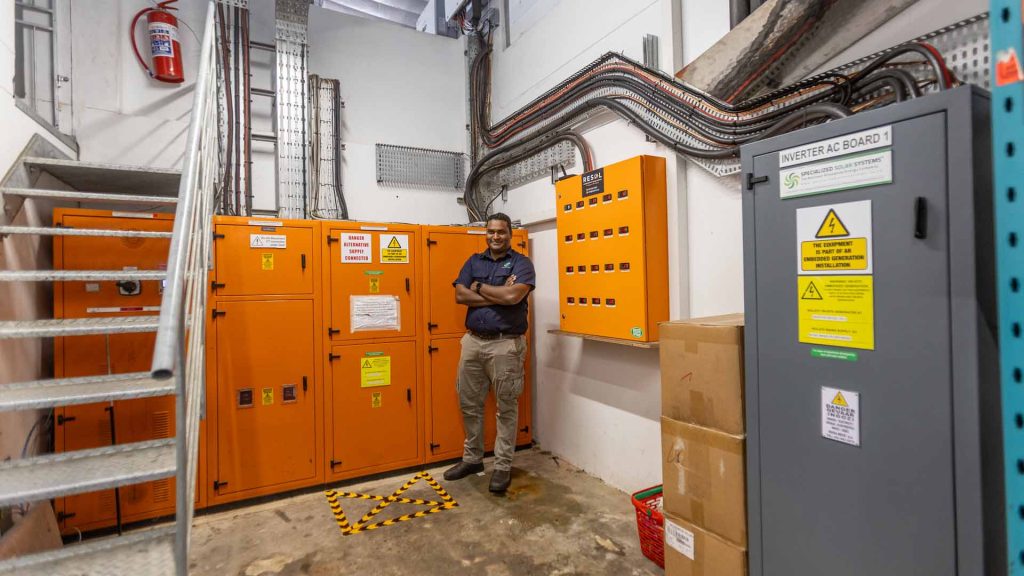
Limited installation space, unpredictable weather conditions, and the need to complete critical electrical works outside trading hours required careful planning and execution.
Solution & Impact
Sedgefield, Western Cape
Case
Ganzevlei Manor invested in a large-scale solar system to secure energy independence
and reduce carbon footprint.
Challenge
Unreliable grid power and rising tariffs disrupted operations and guest services.
Ganzevlei Manor needed a stable, independent energy solution to ensure comfort,
prevent downtime, and protect year-round revenue.
Solution & Impact


Wilderness, Western Cape
Case
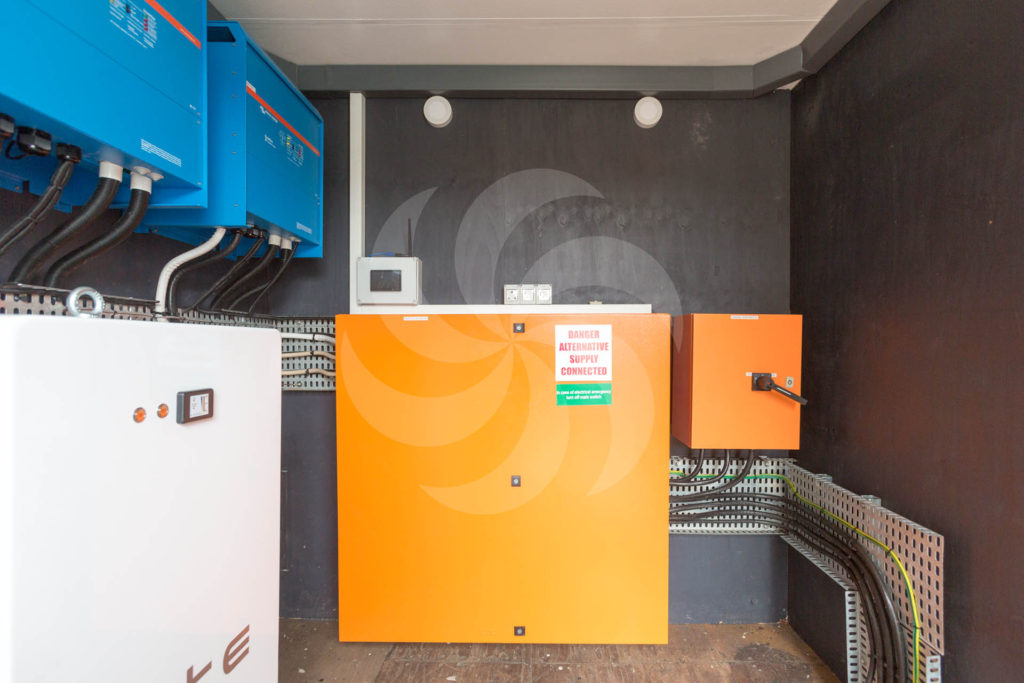
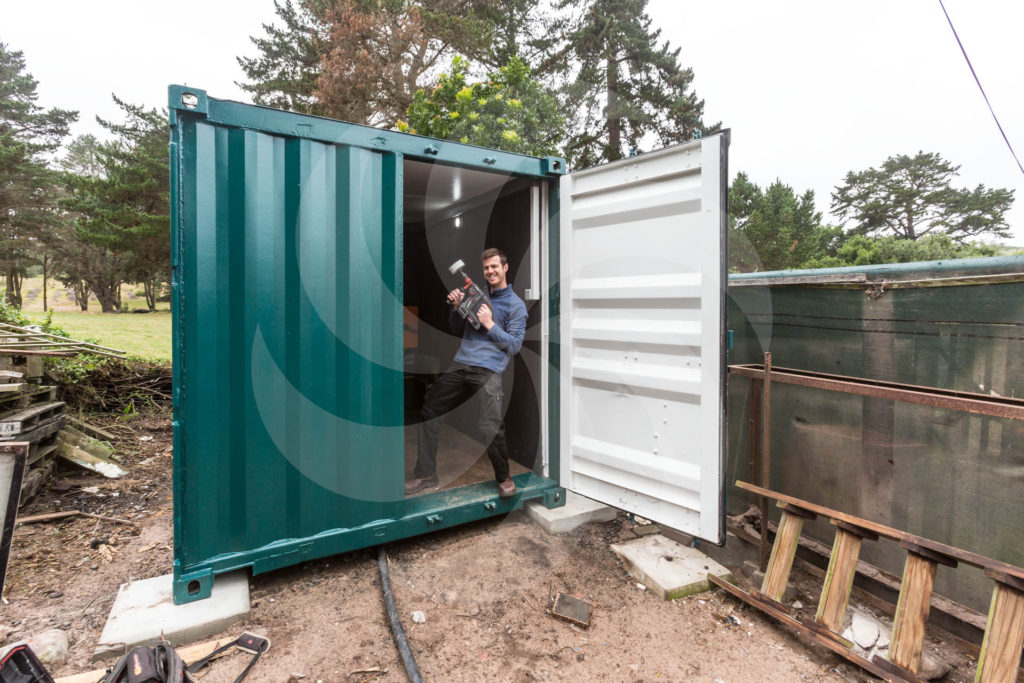
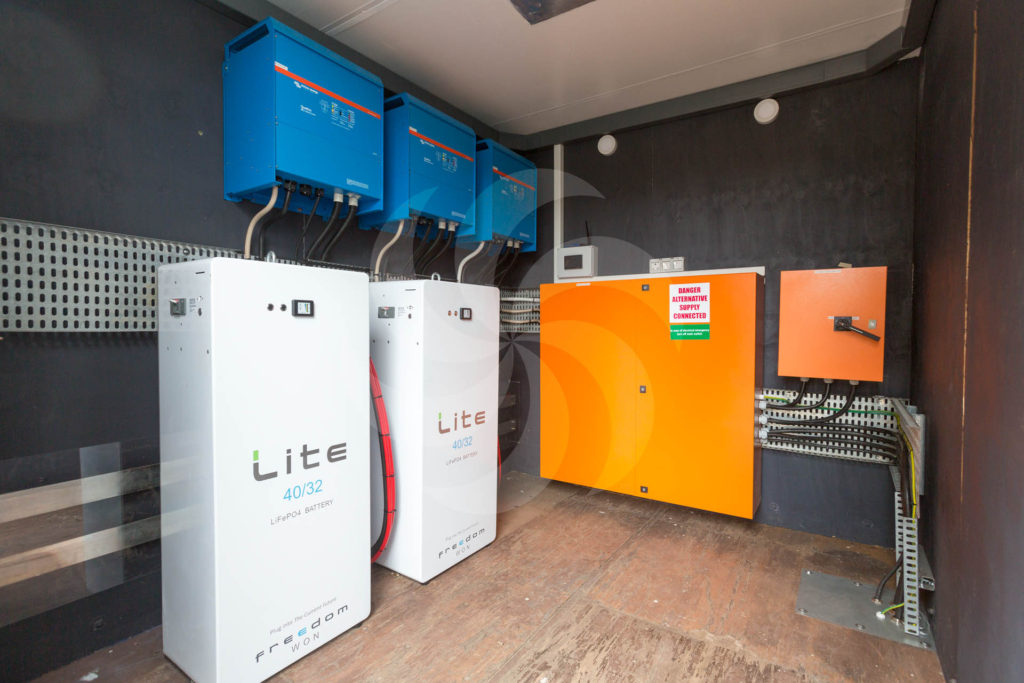
Timberlake Village needed a reliable backup energy system to ensure uninterrupted
power for tenants and maintain operational security
Challenge
The property required a compact, rapid-deployment solution to safeguard
against grid outages while maximizing energy efficiency.
Solution & Impact

George, Western Cape
Case
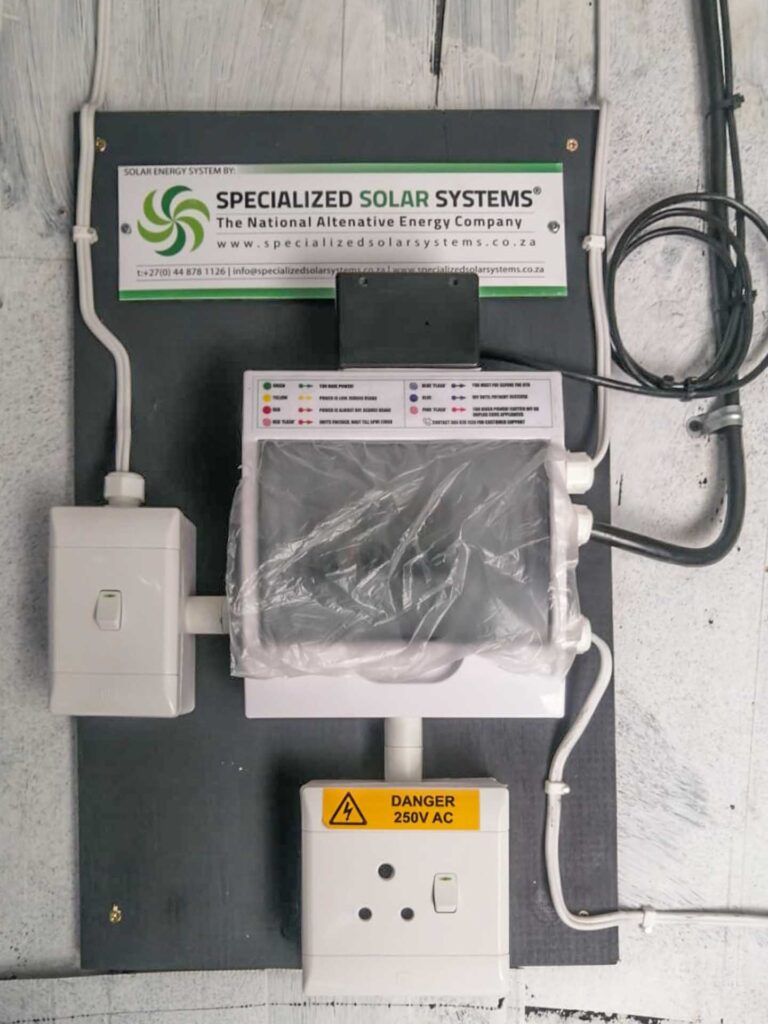
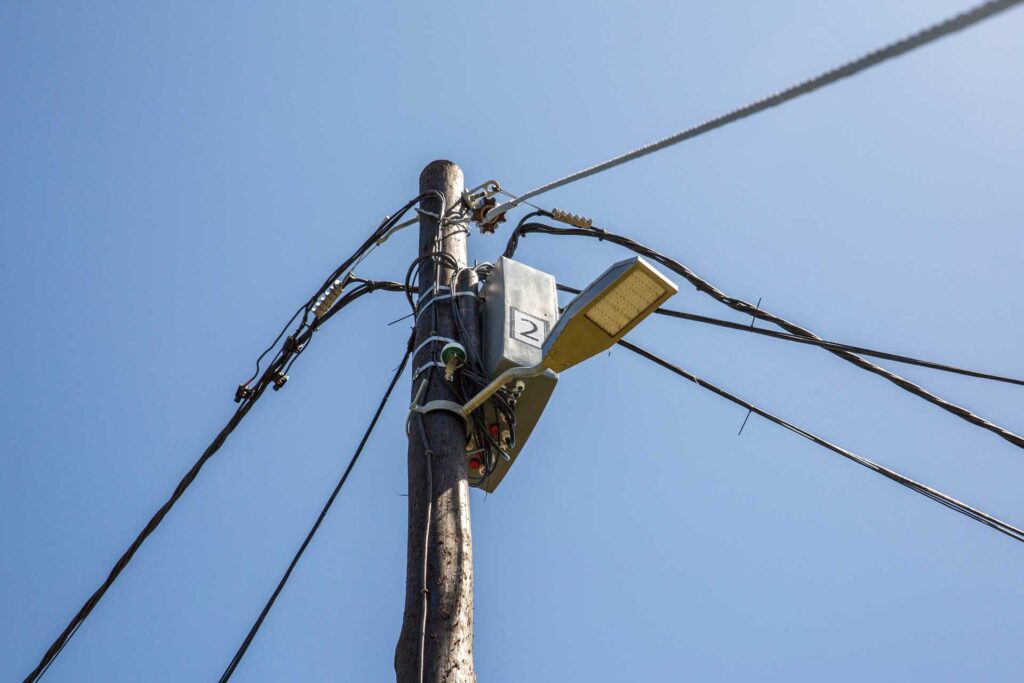
To address the lack of safe electricity in informal settlements, the Thembalethu AC Solar Electrification Pilot Project delivers off-grid, remotely managed AC solar power to 13 households, replacing unsafe and illegal energy sources.
Challenge
Unelectrified households relied on dangerous methods to access electricity (including illegal connections). This created high energy insecurity that limited daily life, education, and income-generating activities. Safe, reliable, and sustainable energy access was urgently needed.
Solution & Impact


Porterville/De Hoek, Western Cape
Case
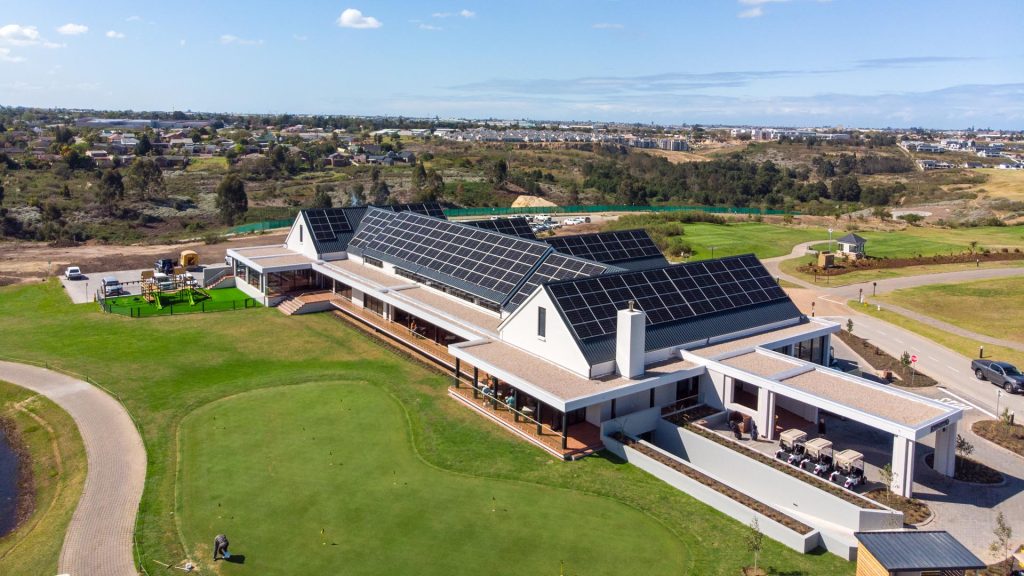
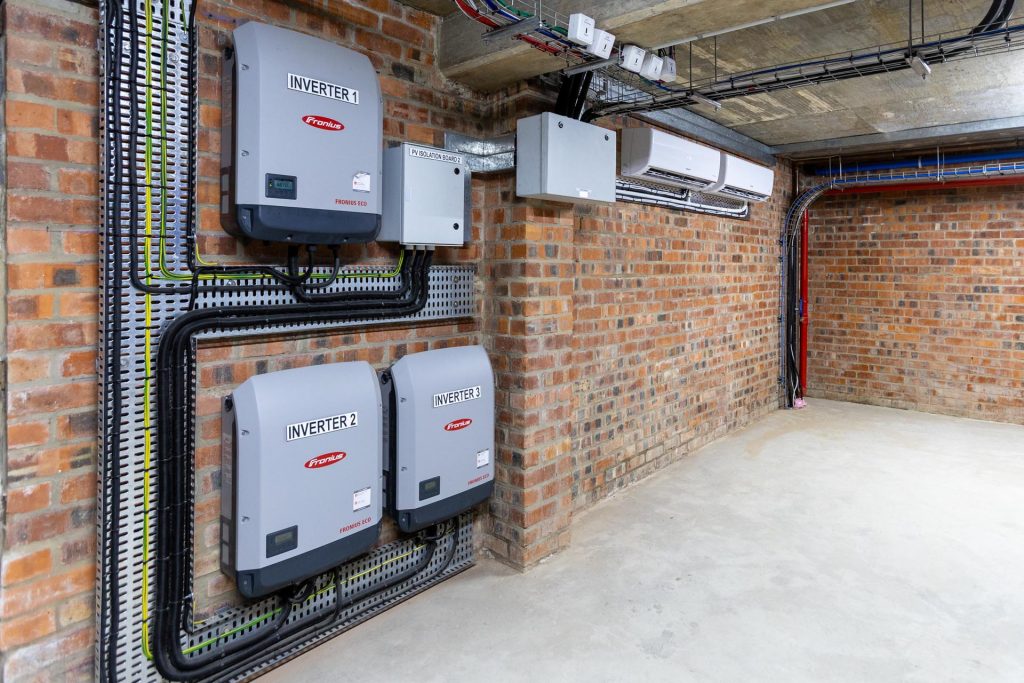
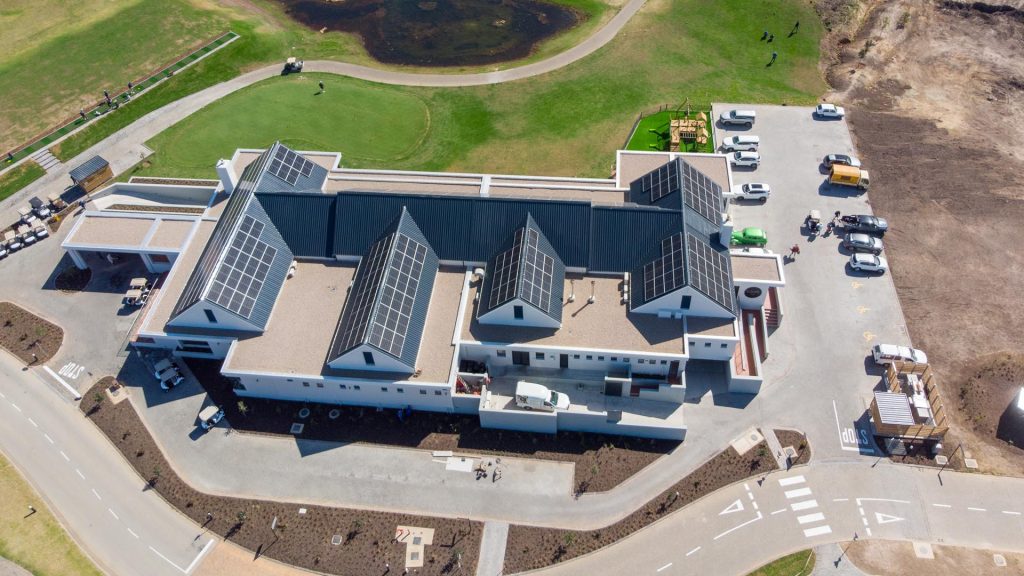
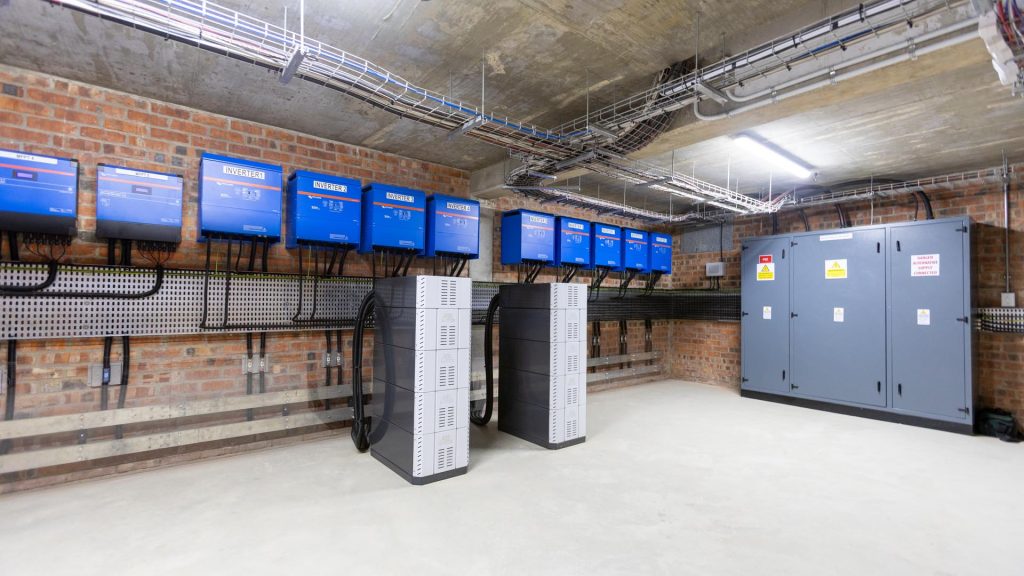
Kingswood Clubhouse required a high-performance solar system to reduce energy
costs and maintain full operational capability during grid outages.
Challenge
Unpredictable grid reliability and escalating tariffs drove the need for a secure,
cost-saving power solution.
Solution & Impact
Porterville/De Hoek, Western Cape
Case
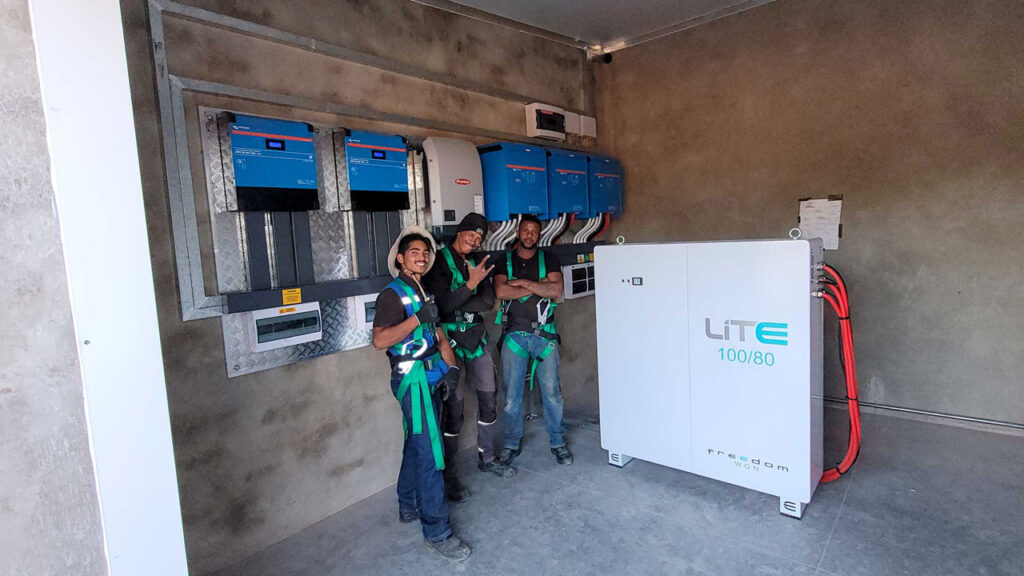
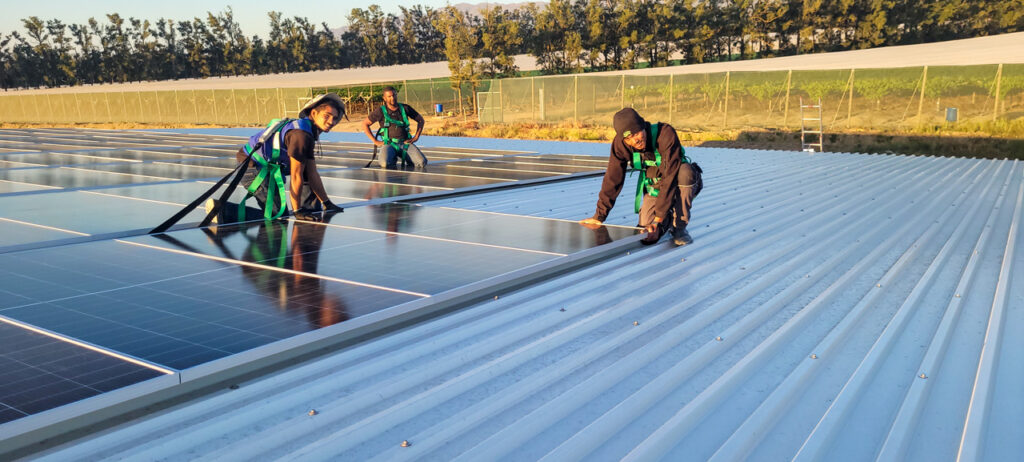
Wesland Farm embraced solar to achieve full energy self-reliance and sustainability
for its agricultural operations.
Challenge
Remote location and grid dependency made reliable power supply and rising
costs unsustainable.
Solution & Impact
Cape Town, Western Cape
Case
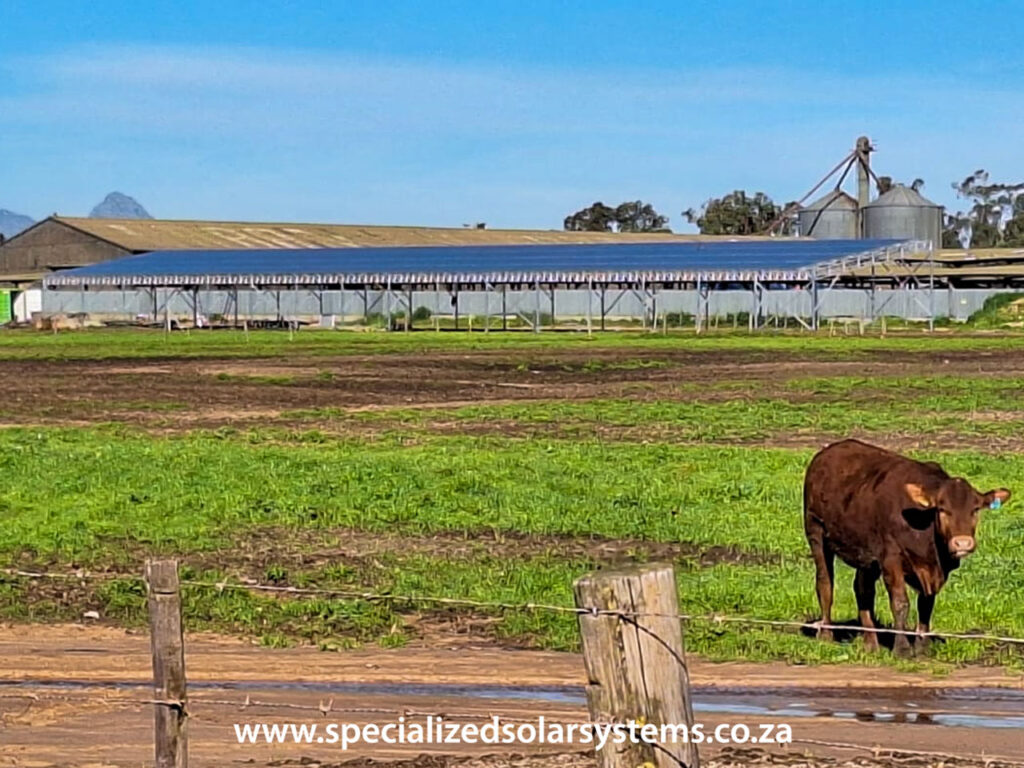
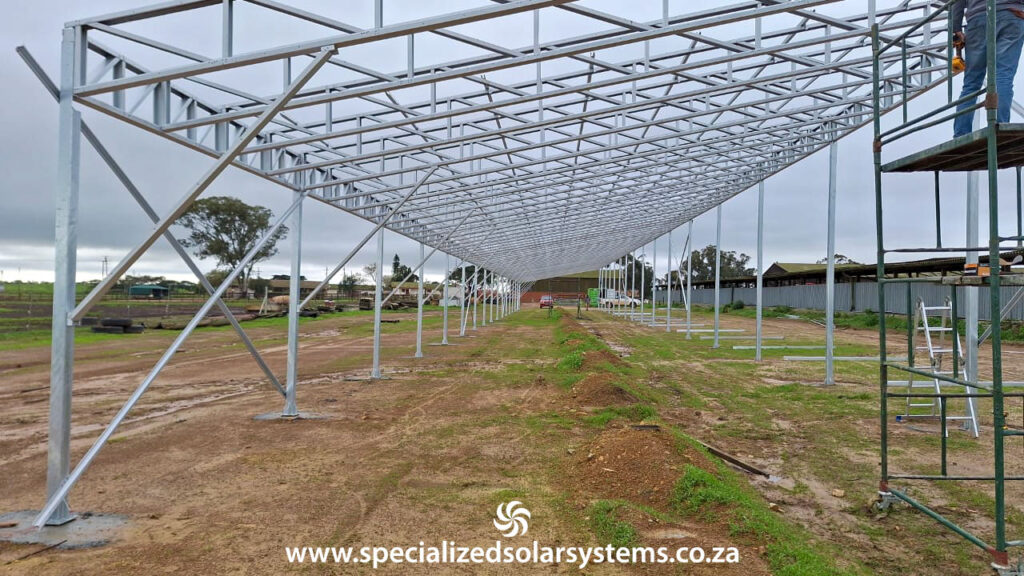
Braams Farm required a reliable and cost-effective solution to combat high energy
costs, grid dependence, and vulnerability to outages.
Challenge
Rising electricity tariffs and heavy farm consumption demanded an energy-secure,
financially viable alternative.
Solution & Impact
George, Western Cape
Case
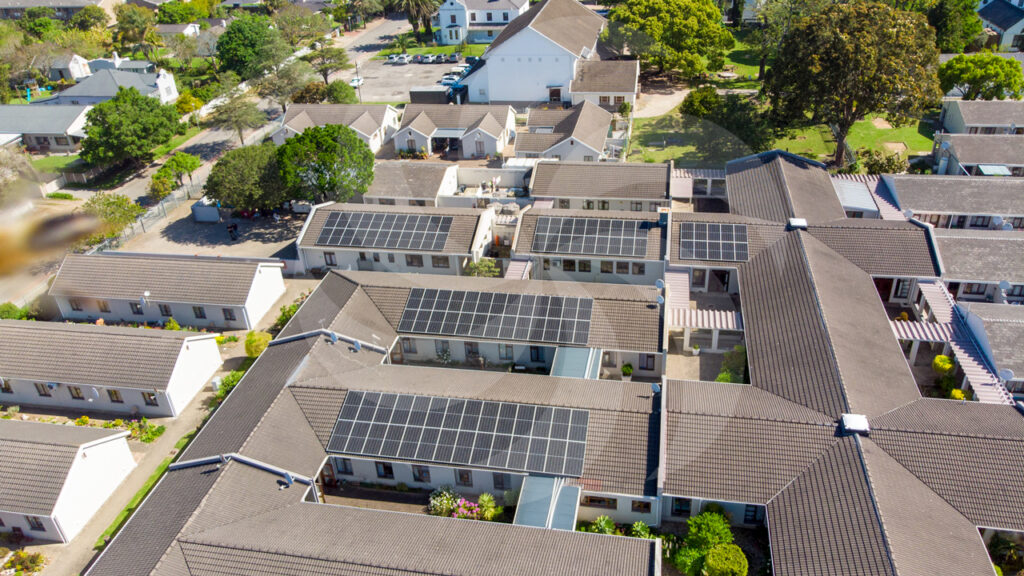
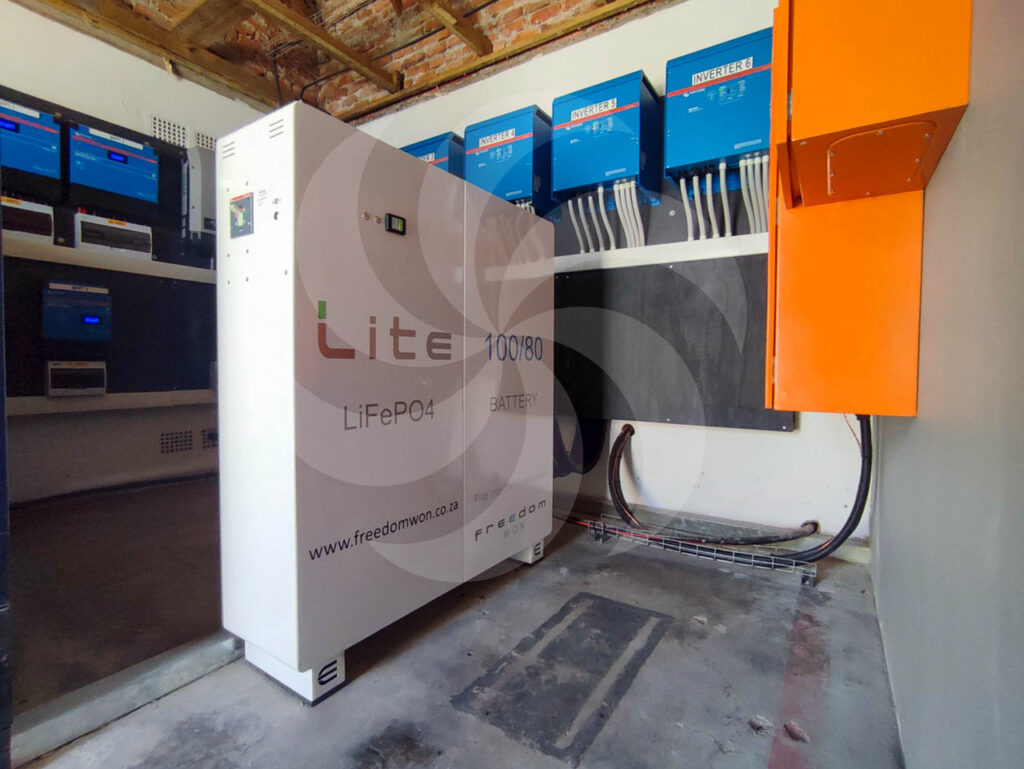
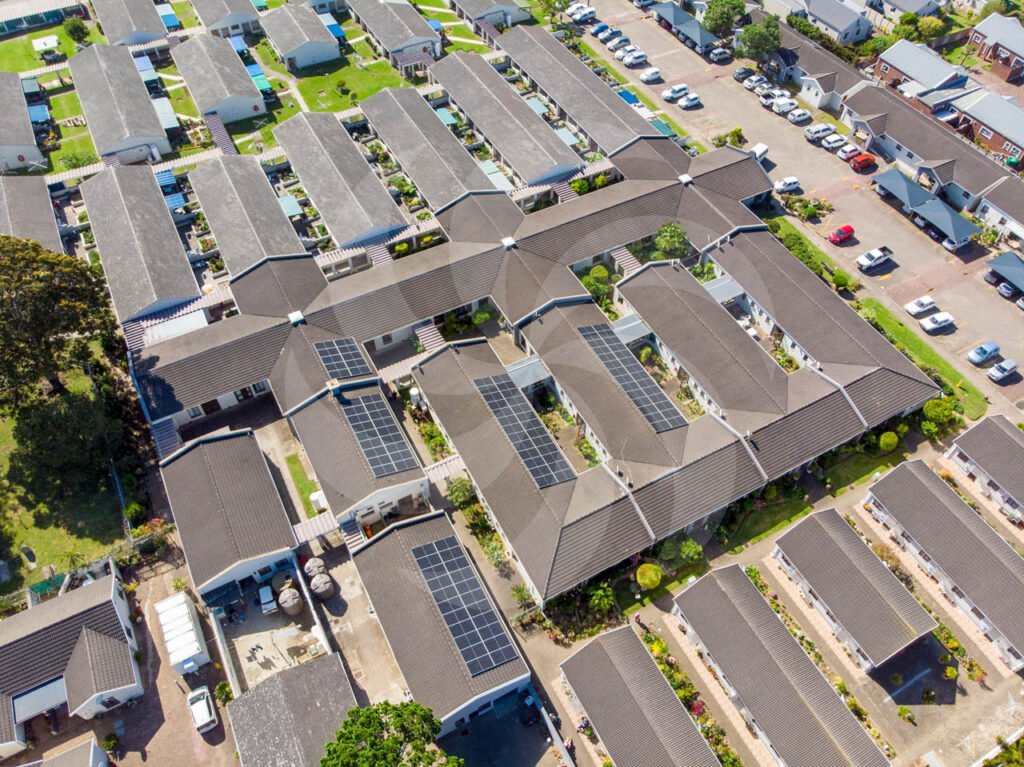
Tuiniqua Care Centre needed a reliable and cost-effective alternative to diesel
generators to secure power for its frail care unit and daily operations.
Challenge
Escalating diesel costs, fuel dependence, and load-shedding disruptions placed
a heavy burden on finances and operations.
Solution & Impact
Riebeek Wes, Western Cape
Case
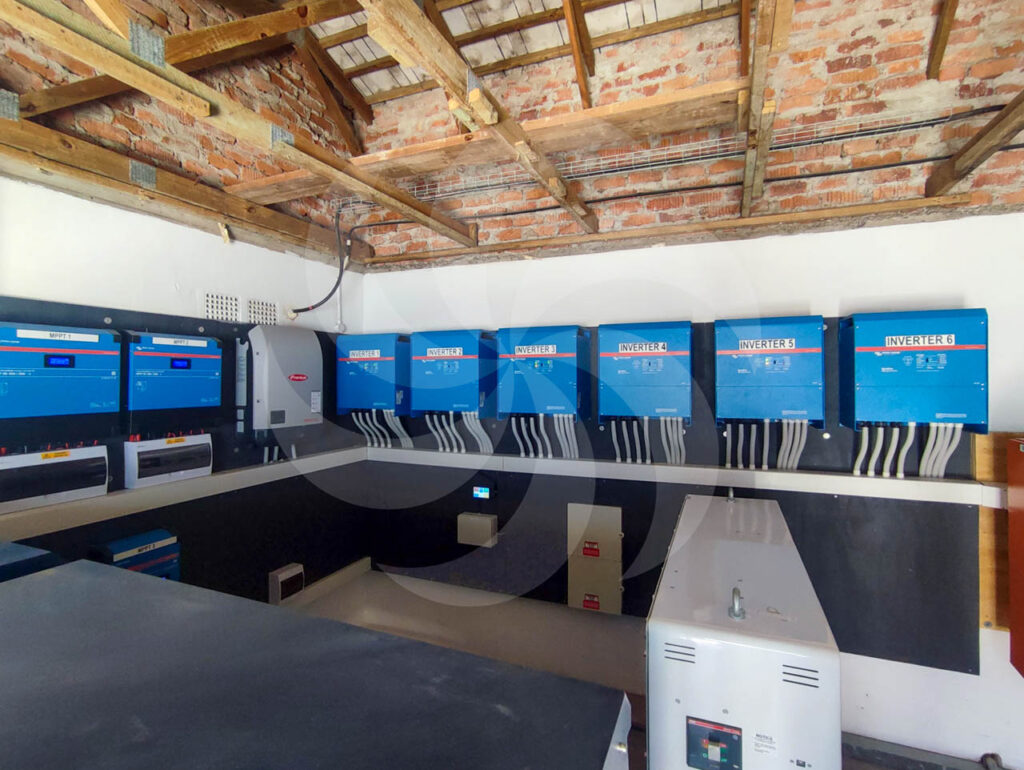
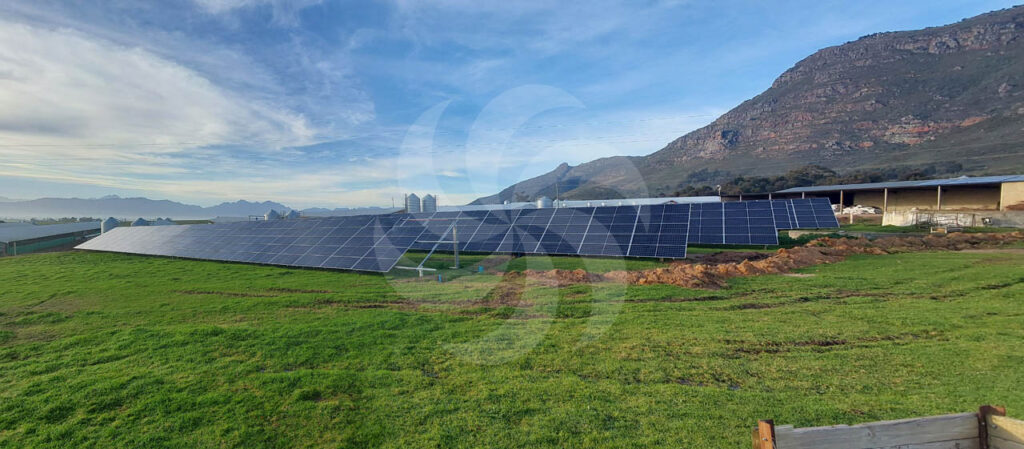
De Gift Boerdery invested in a large-scale hybrid solar system to secure energy
independence, cut costs, and reduce its carbon footprint.
Challenge
FRising electricity tariffs, reliance on generators, and the need for continuous
power in agricultural operations.
Solution & Impact


George, Western Cape
Case
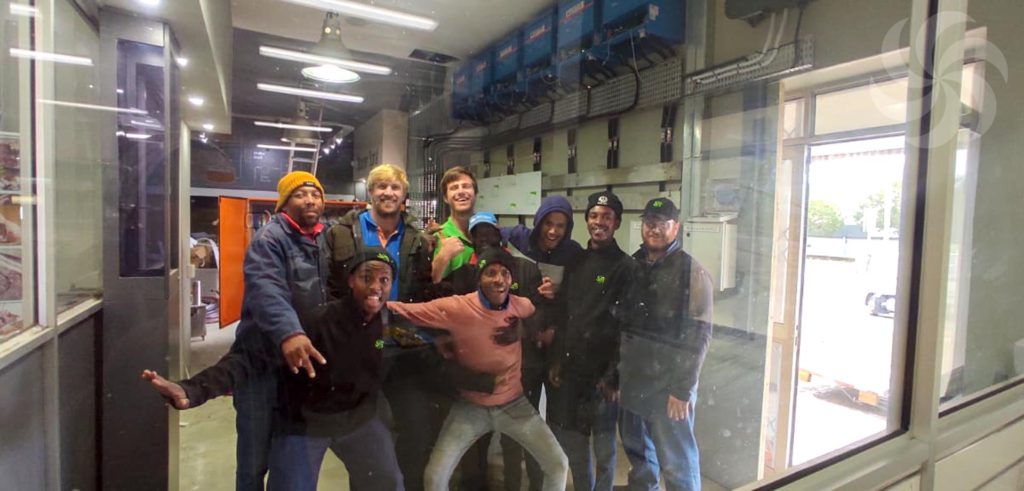
A commercial client in George invested in solar to secure energy independence,
reduce escalating electricity costs, and improve operational resilience.
Challenge
Unreliable grid supply and high tariffs threatened business continuity and affordability.
Solution & Impact
Jonkersberg/George, Western Cape
Case
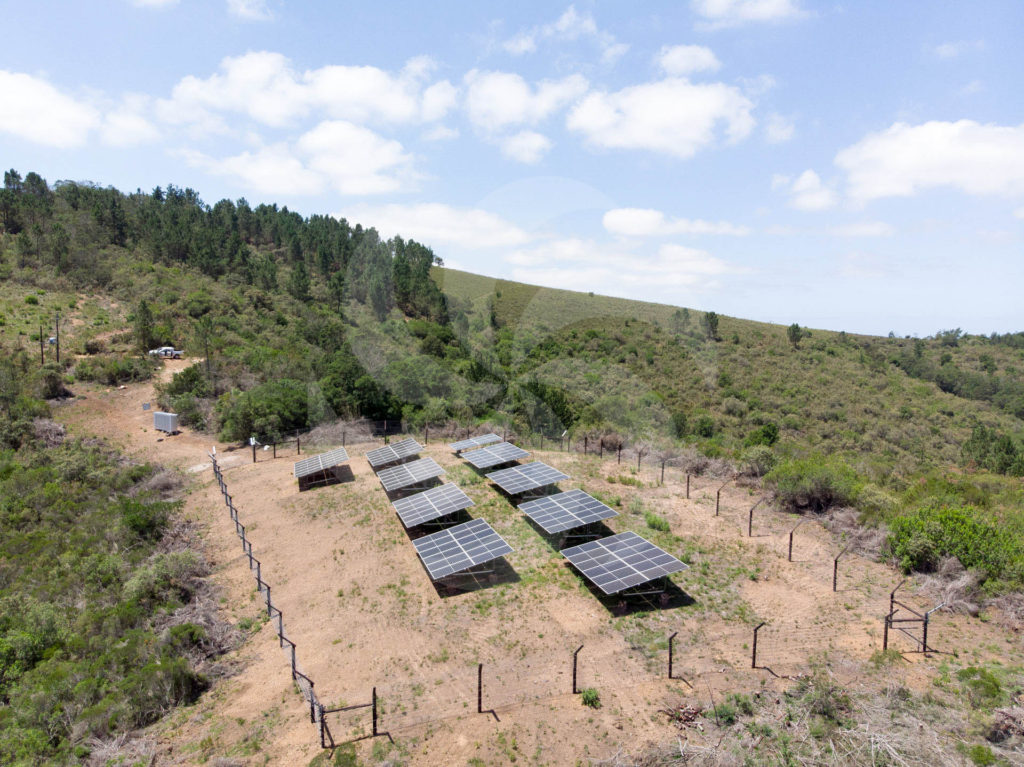
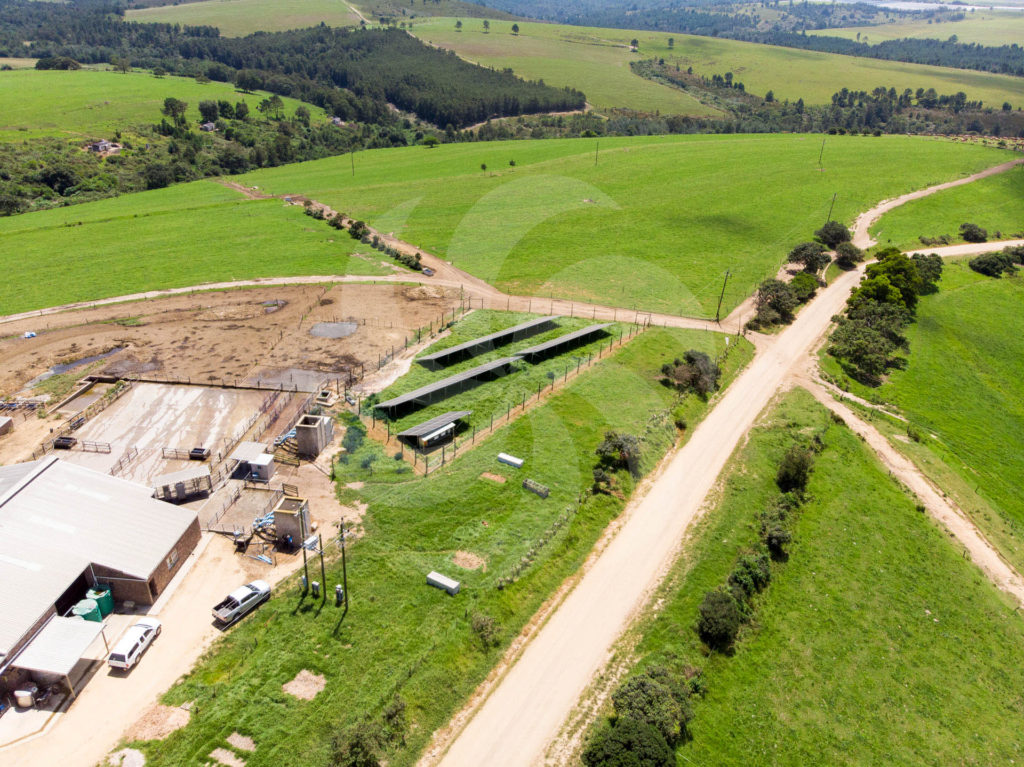
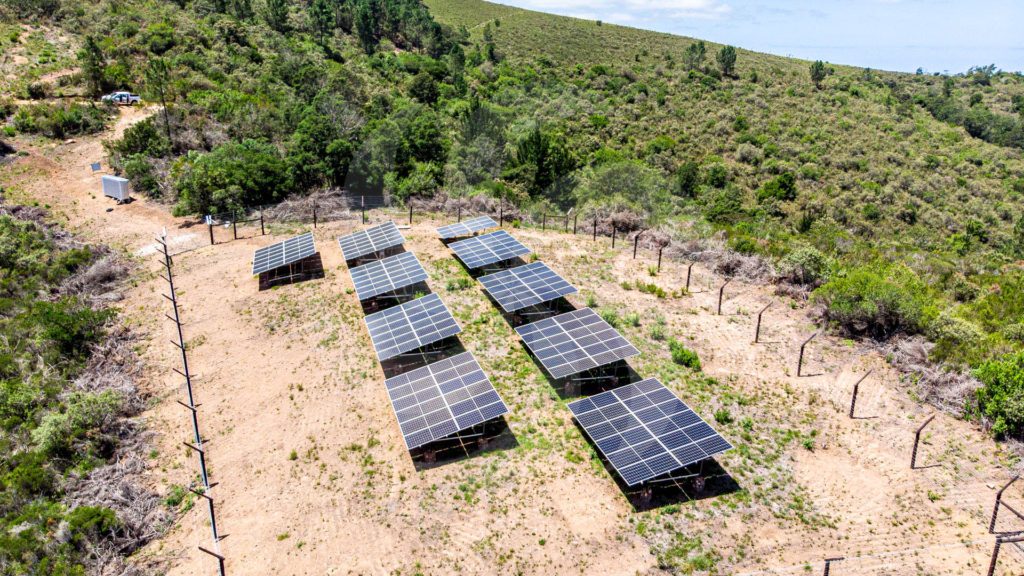
A commercial client opted for a large-scale solar installation to lower electricity
expenses and capitalize on daytime yield.
Challenge
High daytime consumption and rising utility tariffs made grid dependence costly.
Solution & Impact

Plettenberg Bay, Western Cape
Case
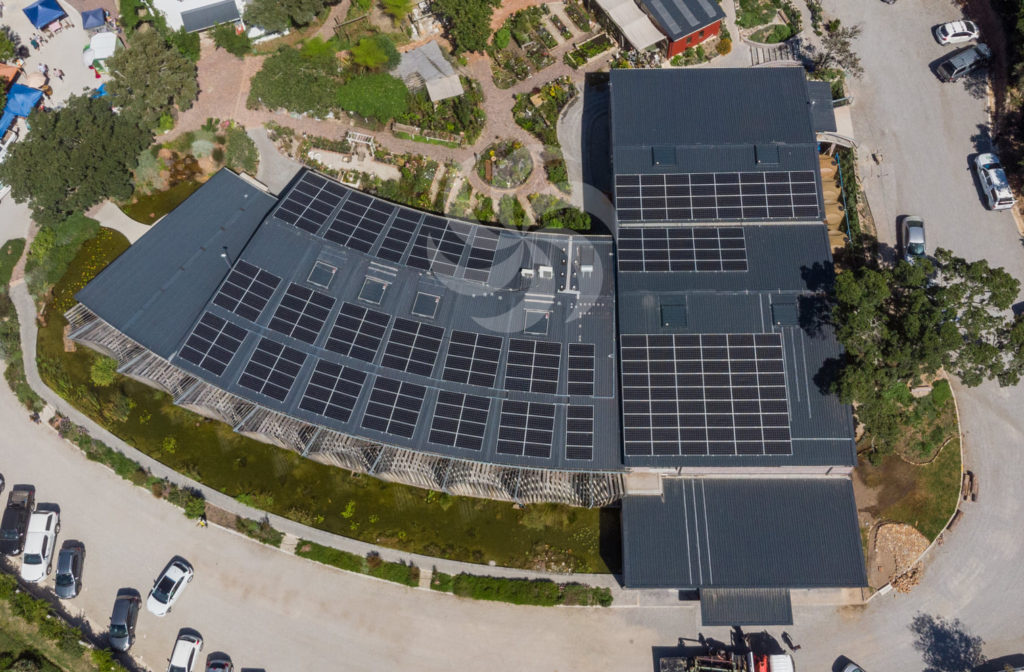
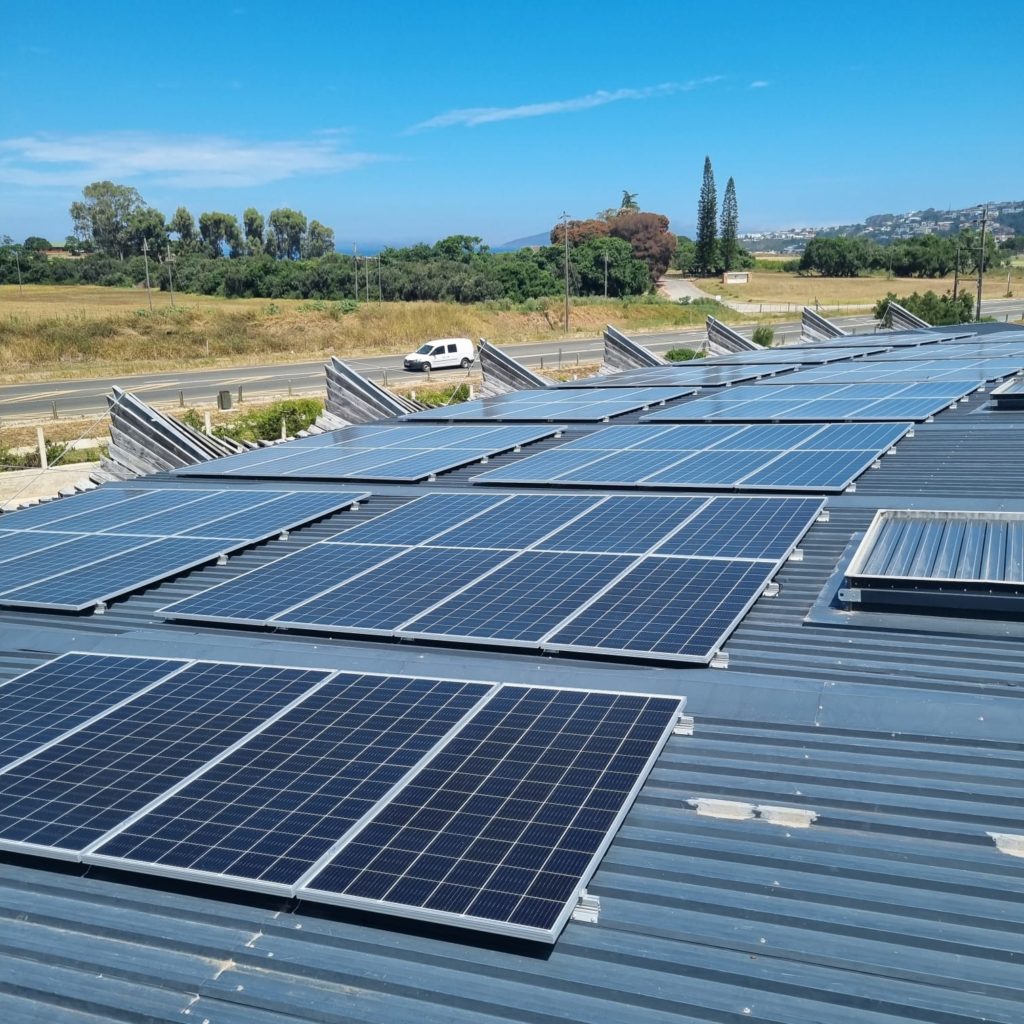
Mungo Mills at Old Nick Village required a large-scale solar solution to cut rising
electricity costs and support its weaving mill and retail operations.
Challenge
High daytime consumption and dependency on municipal supply increased operational
costs and carbon footprint.
Solution & Impact
Mossel Bay/George, Western Cape
Case
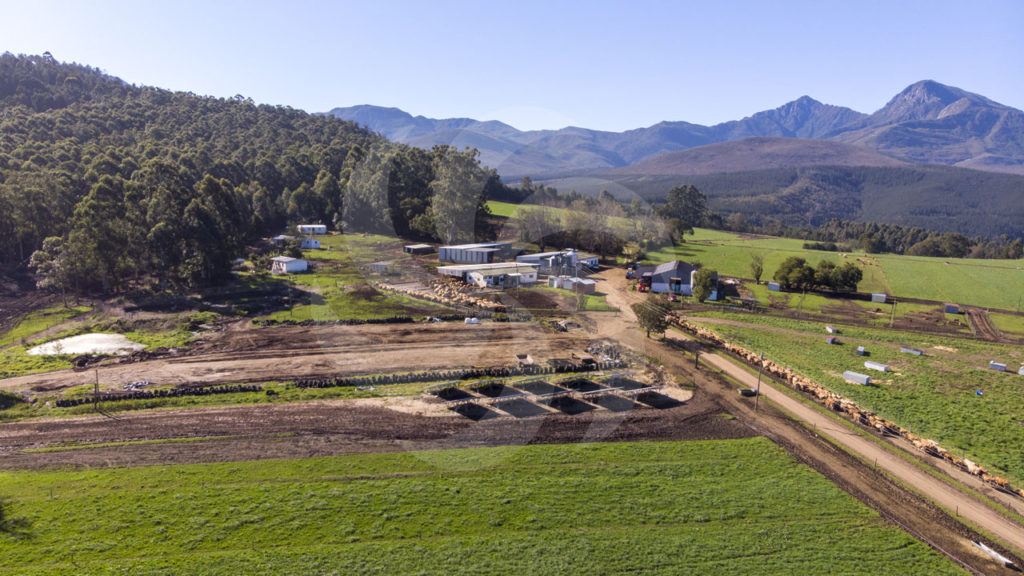
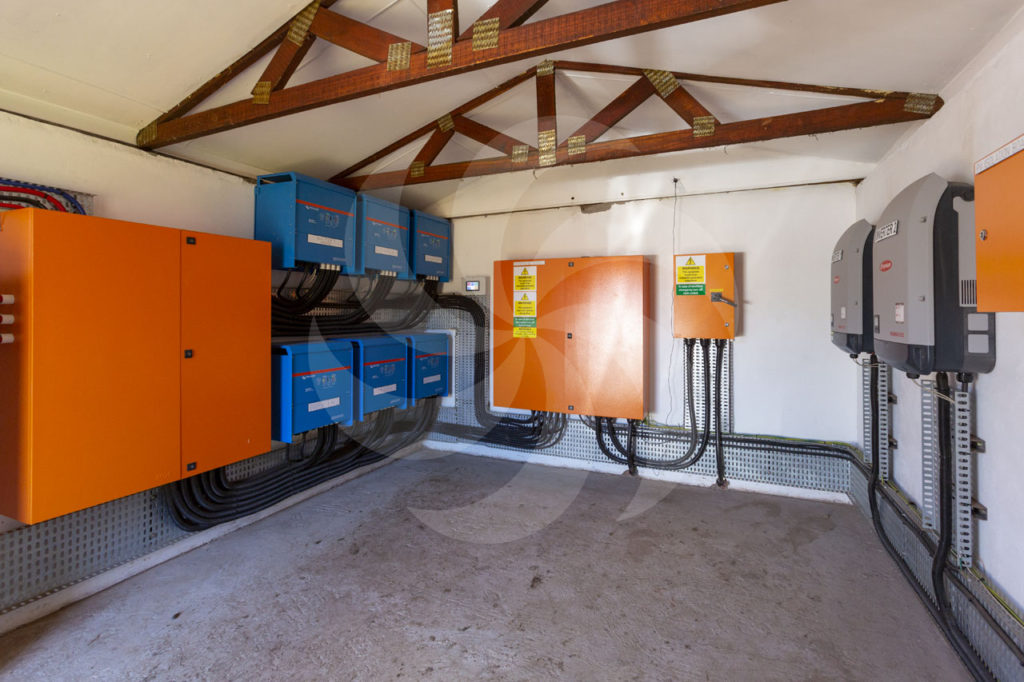
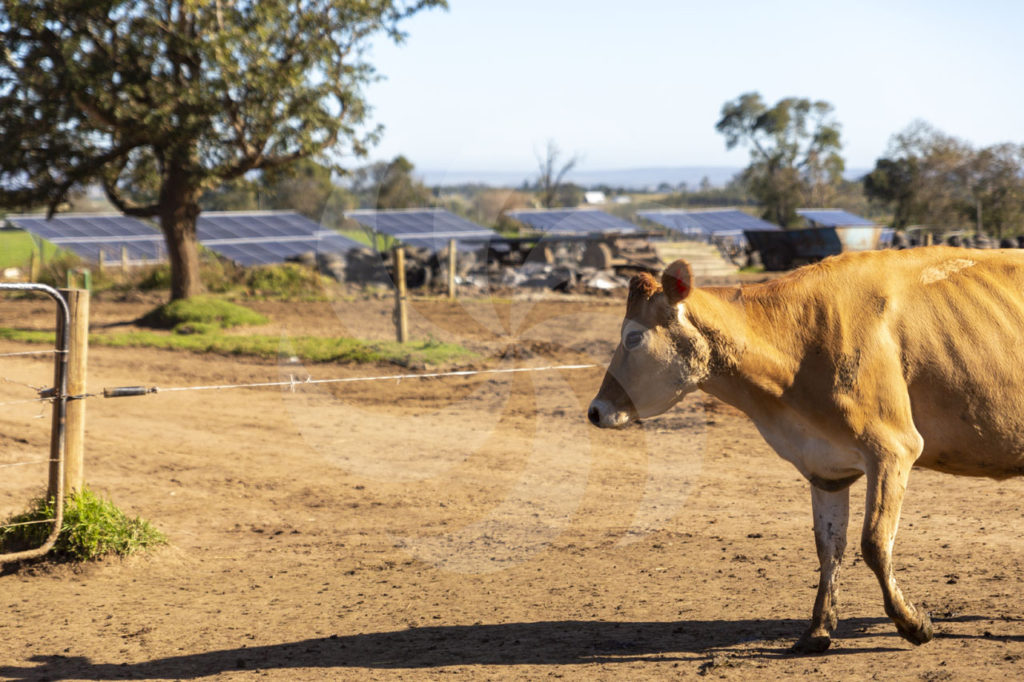
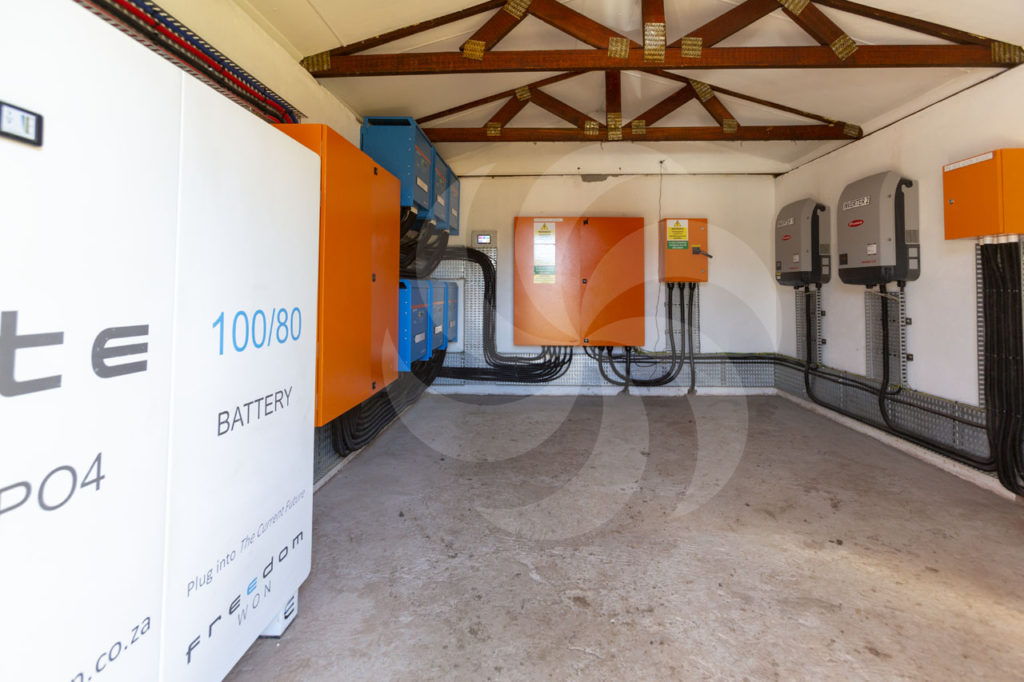
Blomfontein Dairy Farm turned to solar to cut high electricity and diesel costs
while ensuring reliable power for dairy operations.
Challenge
Load-shedding and escalating tariffs threatened milk production, refrigeration,
and operational continuity.
Solution & Impact
Riversdale, Western Cape
Case
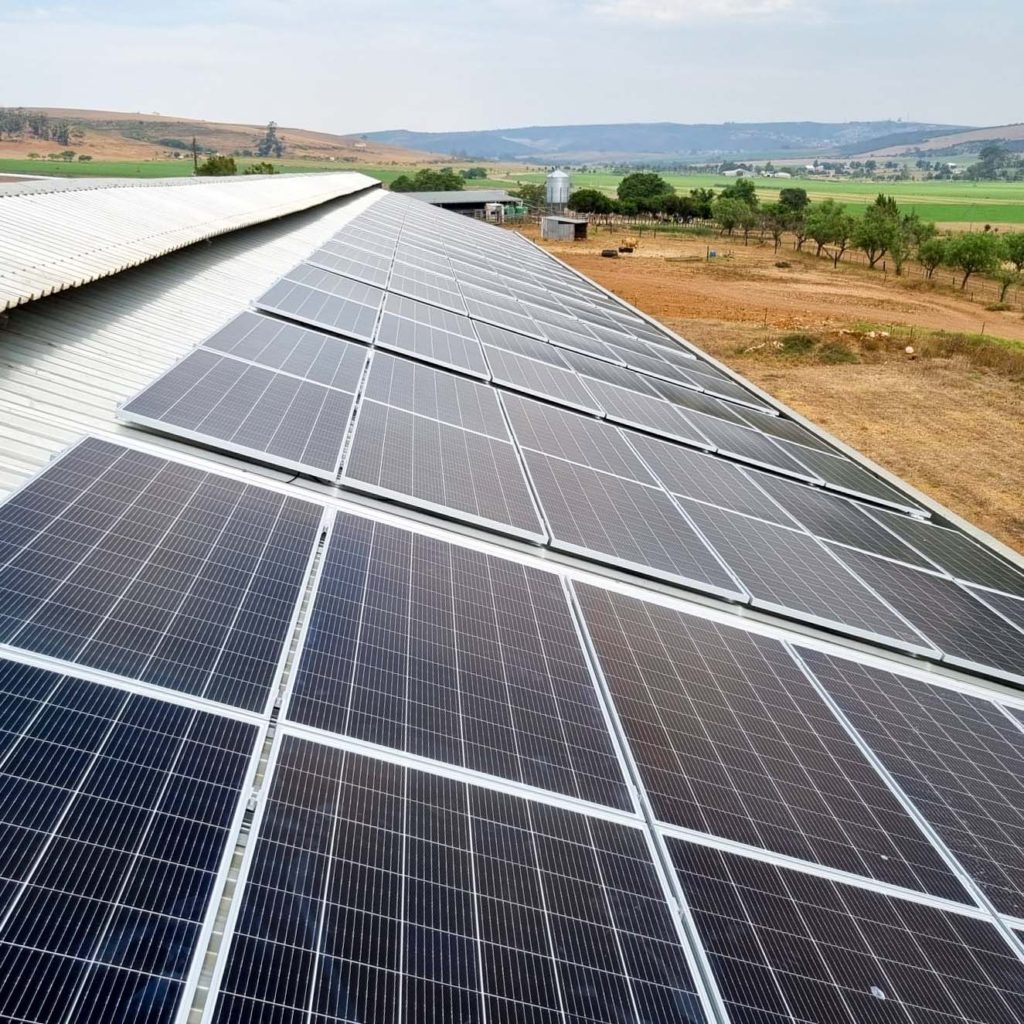
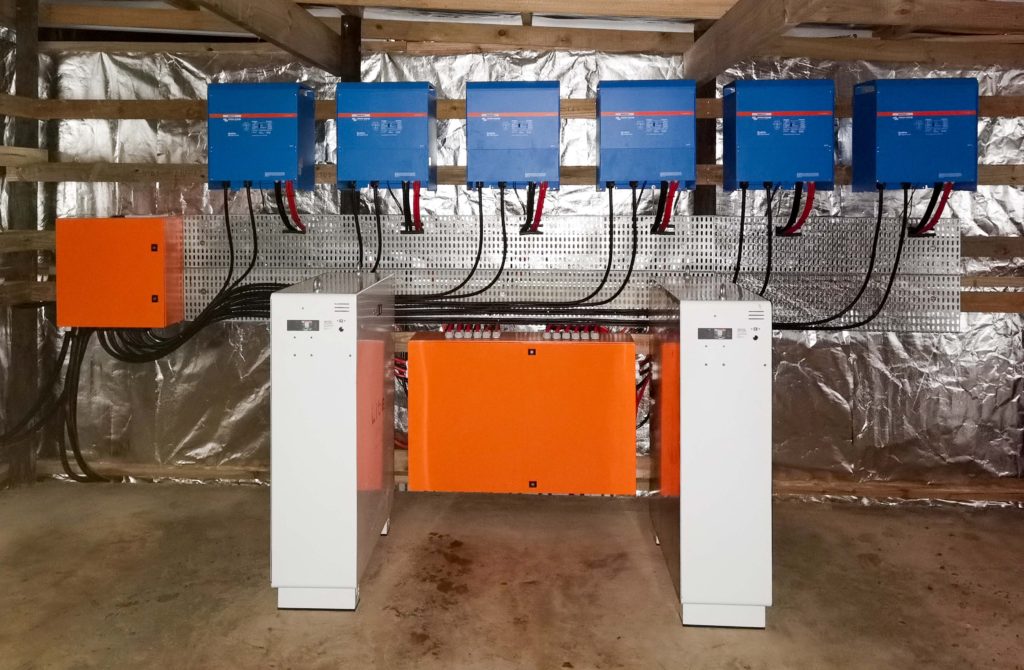
A commercial farm near Riversdale upgraded to solar to eliminate diesel
generator reliance and reduce soaring energy costs.
Challenge
Recurrent load shedding and unpredictable grid power made diesel generation
expensive and operationally unreliable.
Solution & Impact
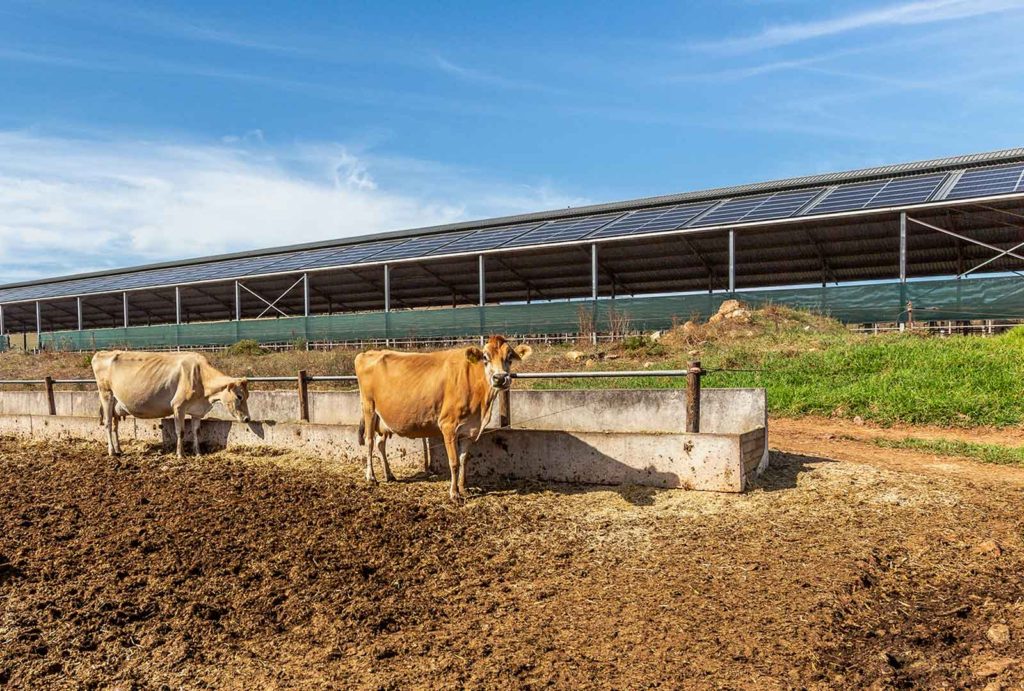
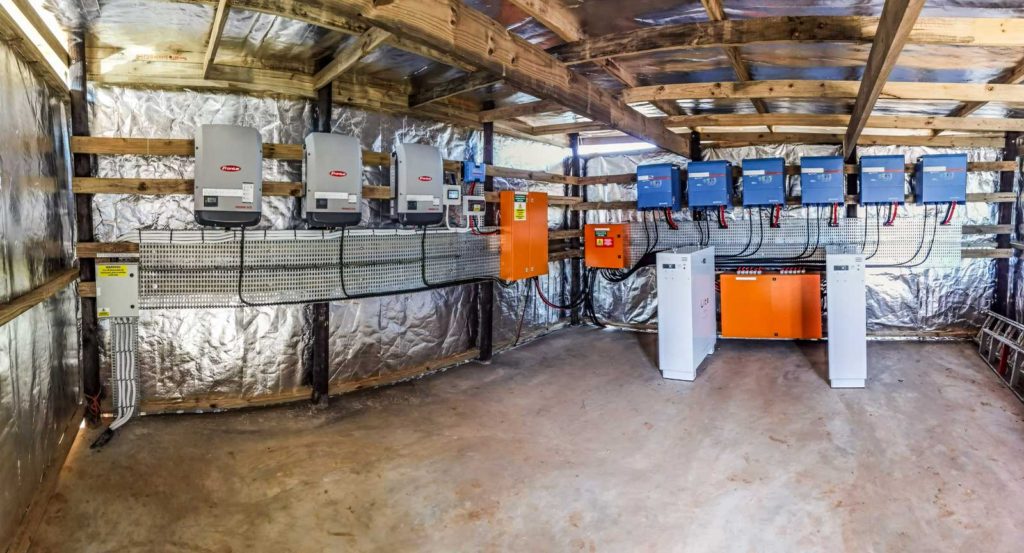
Hoekwil, Western Cape
Case
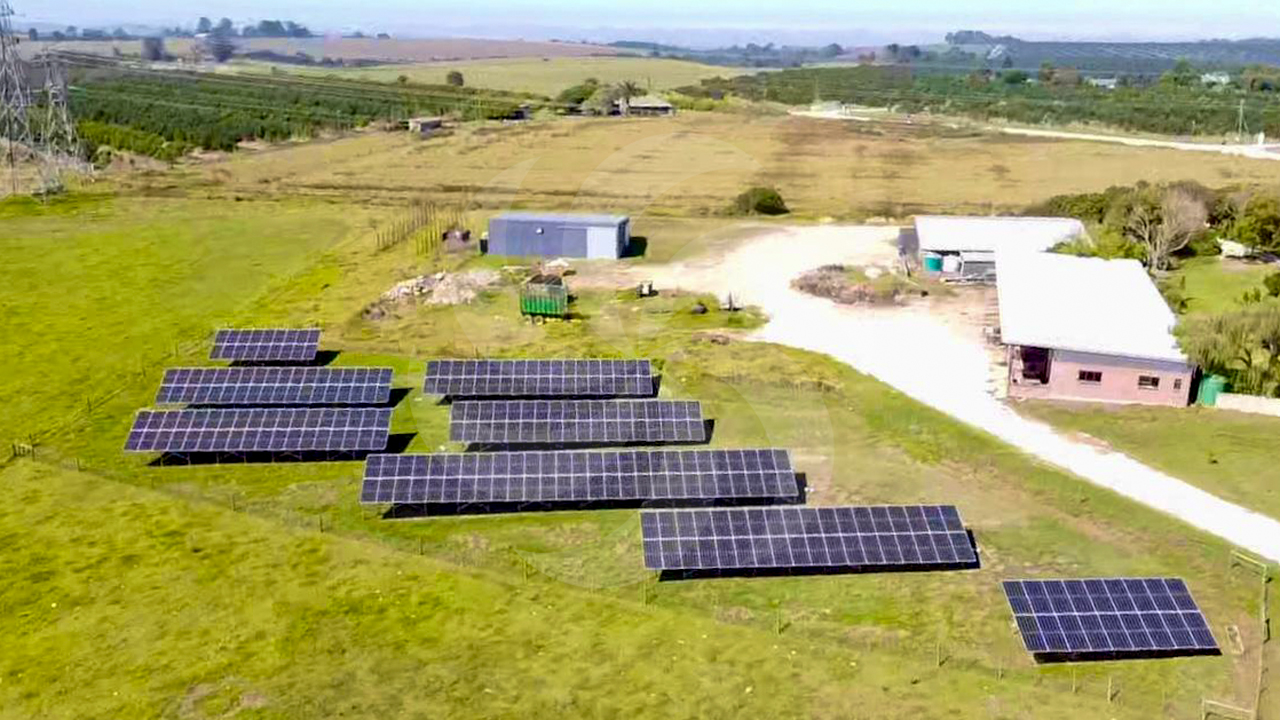
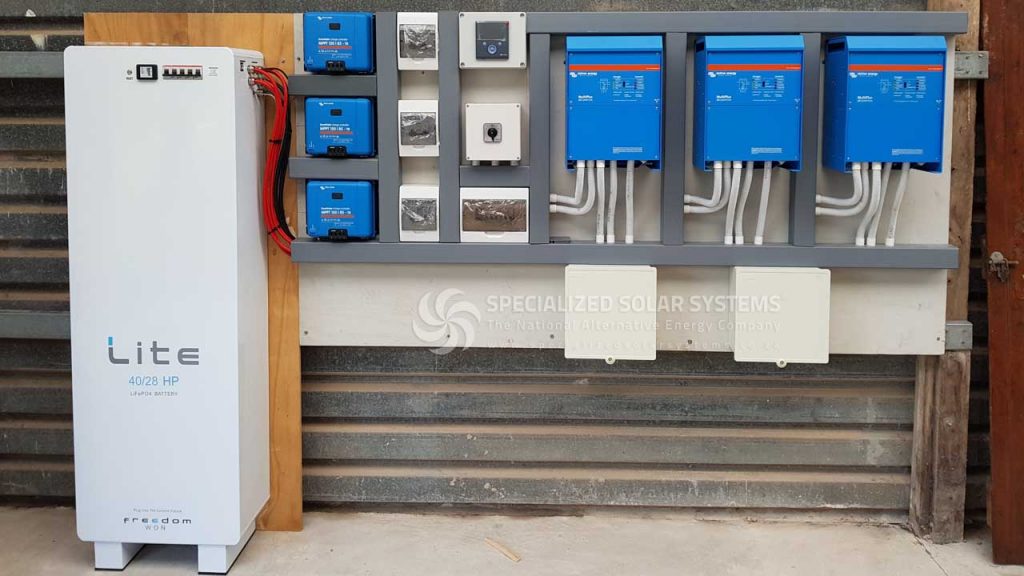
HoogeKraal Boedery, a working dairy farm near Hoekwil, adopted solar power to
reduce dependency on unreliable grid supply and rising electricity costs.
Challenge
Frequent load-shedding and escalating Eskom tariffs disrupted essential farm
operations and dairy processing.
Solution & Impact
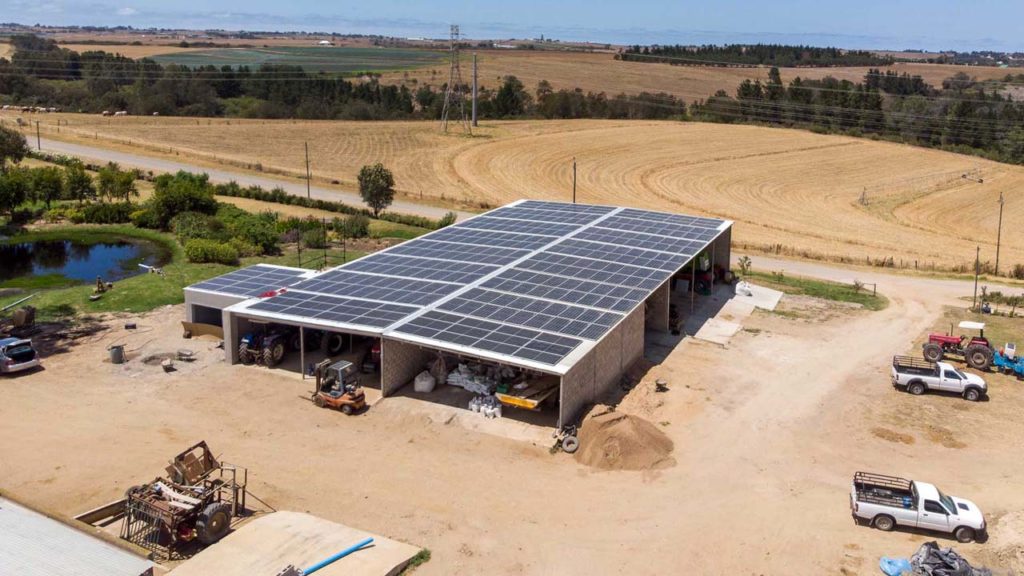
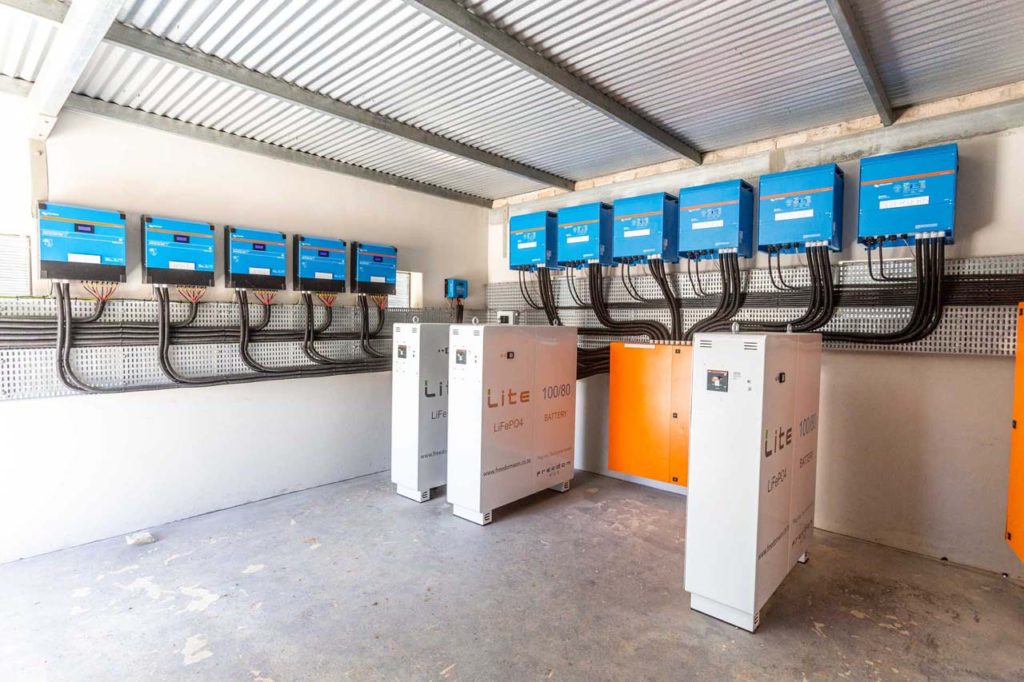
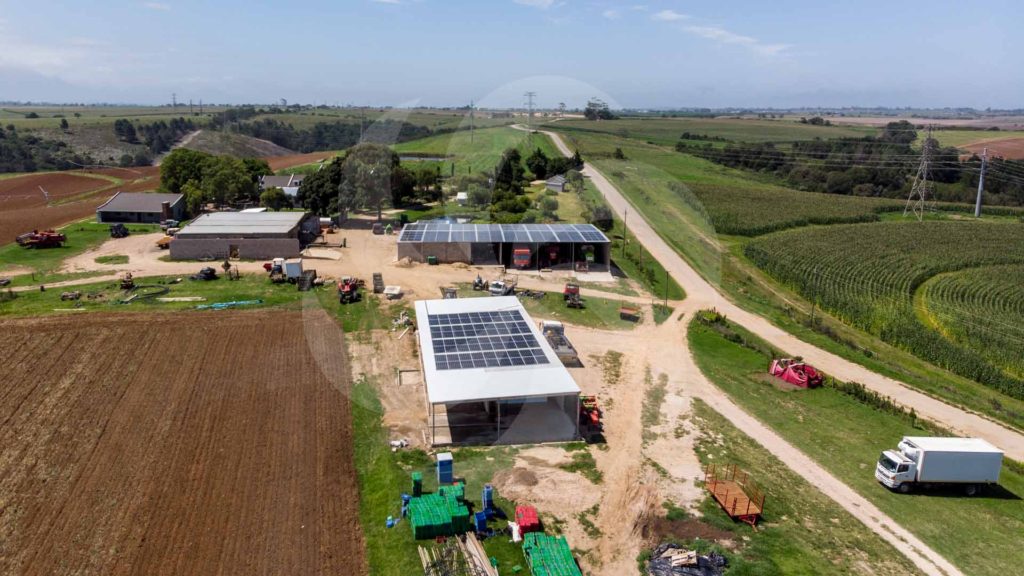
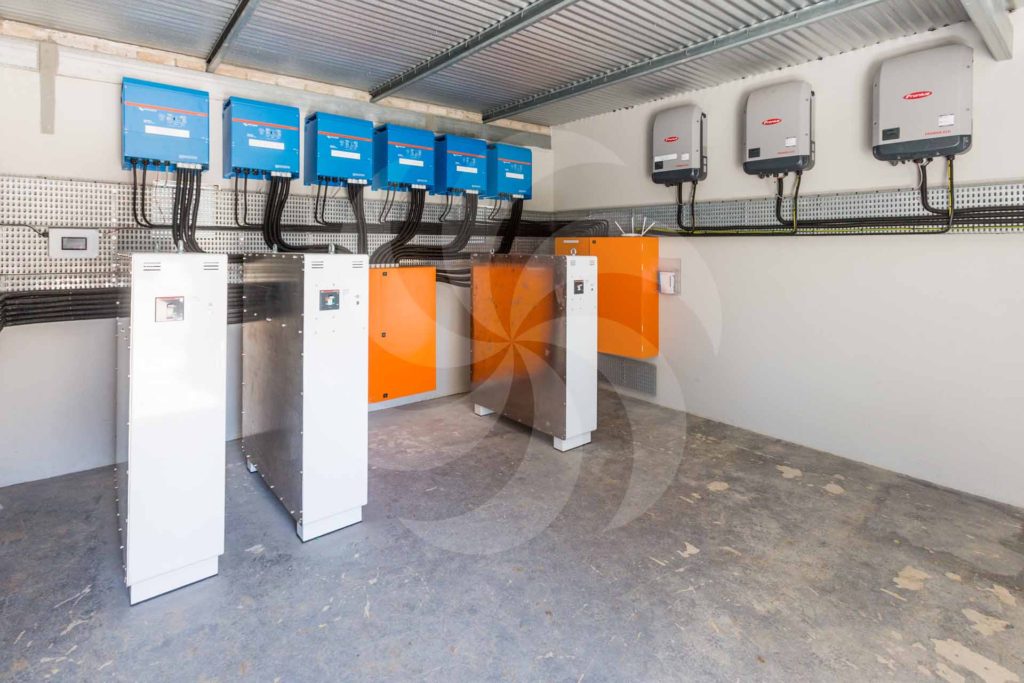
George, Western Cape
Case
Langhoek Farm required a reliable, efficient solar system to reduce electricity
costs, cover essential loads, and support daily agricultural operations.
Challenge
Escalating tariffs and reliance on diesel generators created high operating costs
and environmental impact.
Solution & Impact
George, Western Cape
Case
New Harvest commercial facility near George installed solar to reduce escalating
daytime electricity costs and improve sustainability performance.
Challenge
High daytime consumption and rising Eskom tariffs drove the need for costeffective
solar generation.
Solution & Impact

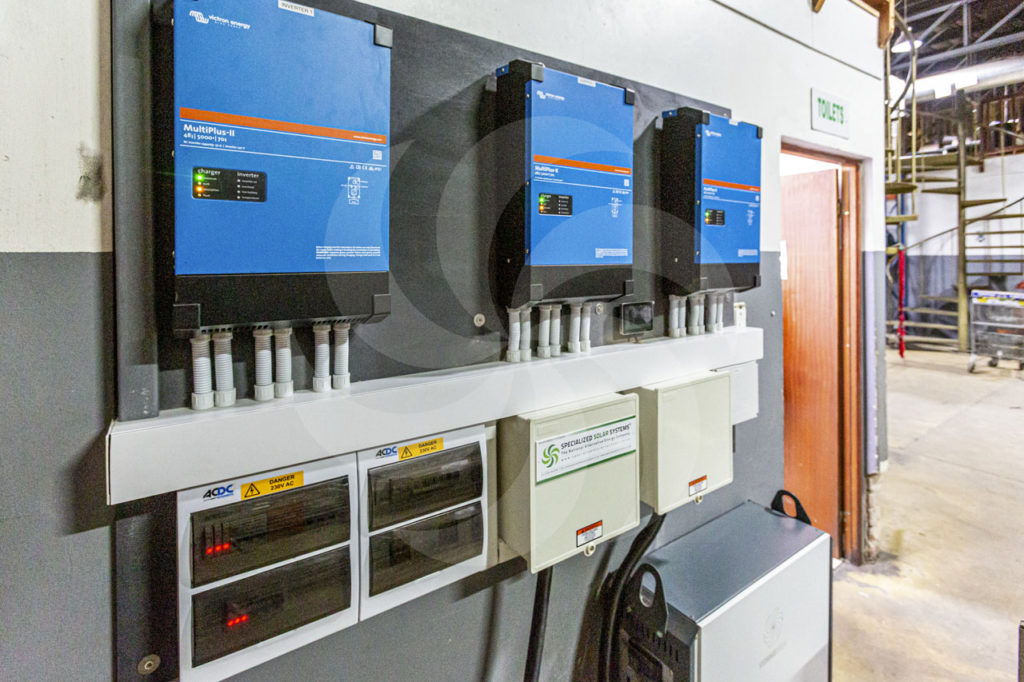

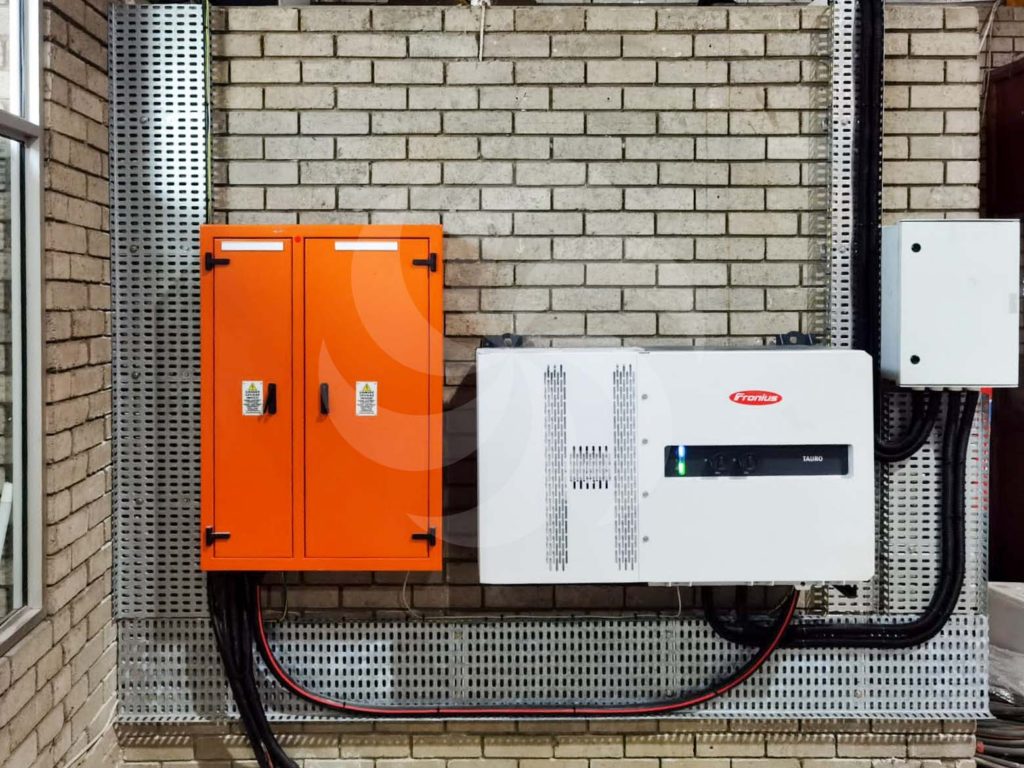
Oudtshoorn, Western Cape
Case
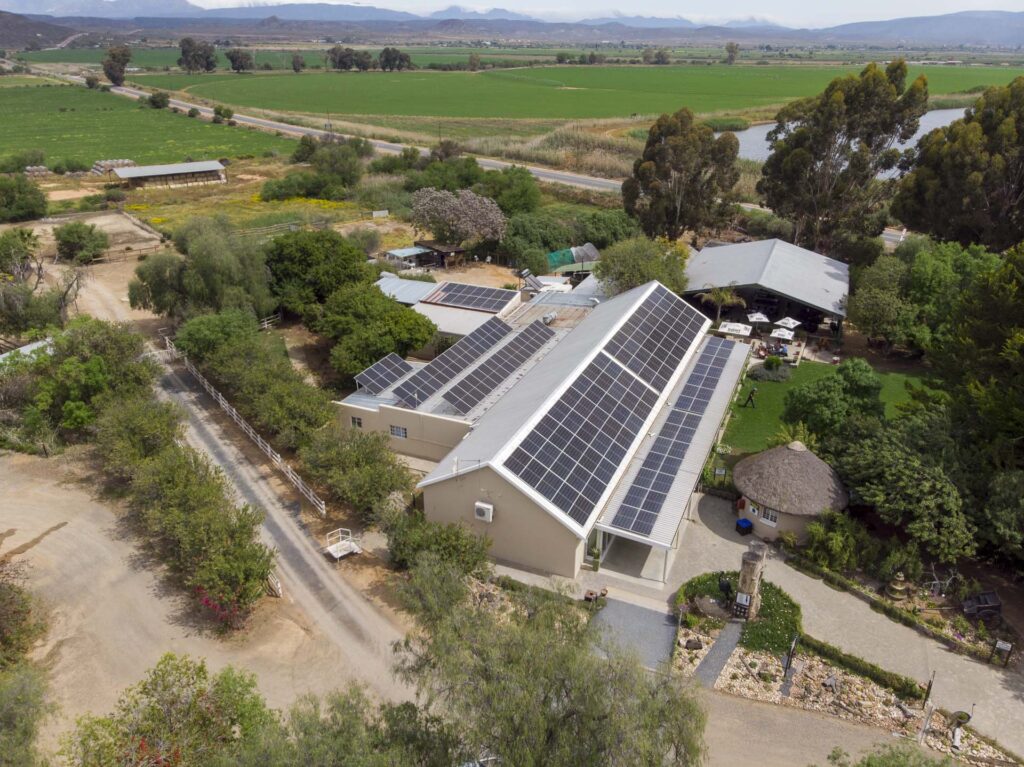
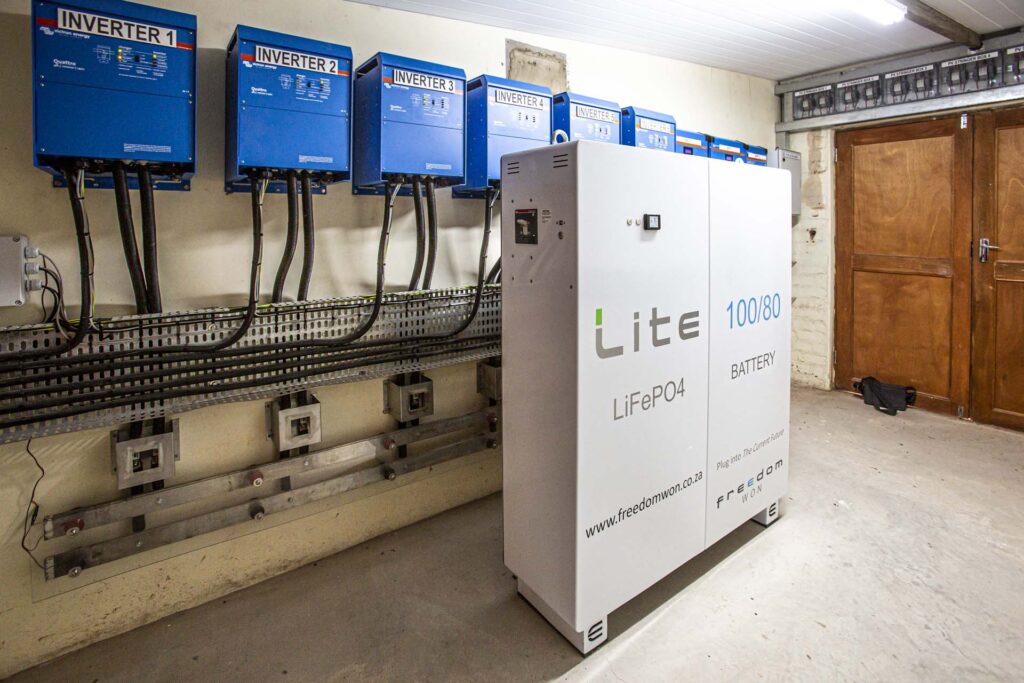
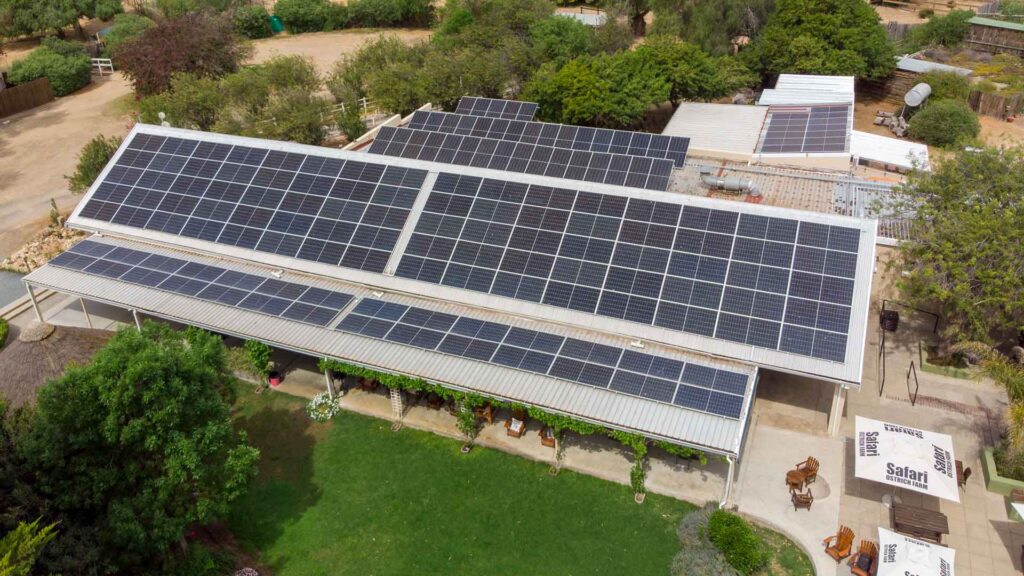
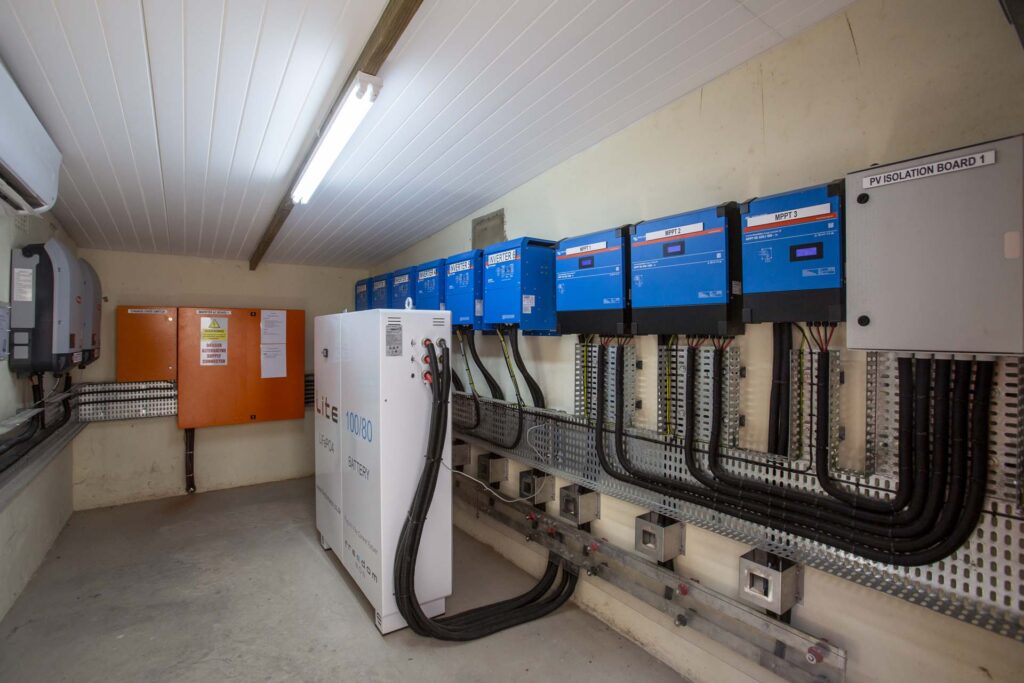
A working ostrich farm and tourist attraction near Oudtshoorn, introduced solar
to mitigate frequent load shedding and high Eskom electricity costs.
Challenge
Unreliable grid power and high tariffs disrupted farm operations, guest services,
and commercial functions.
Solution & Impact
George, Western Cape
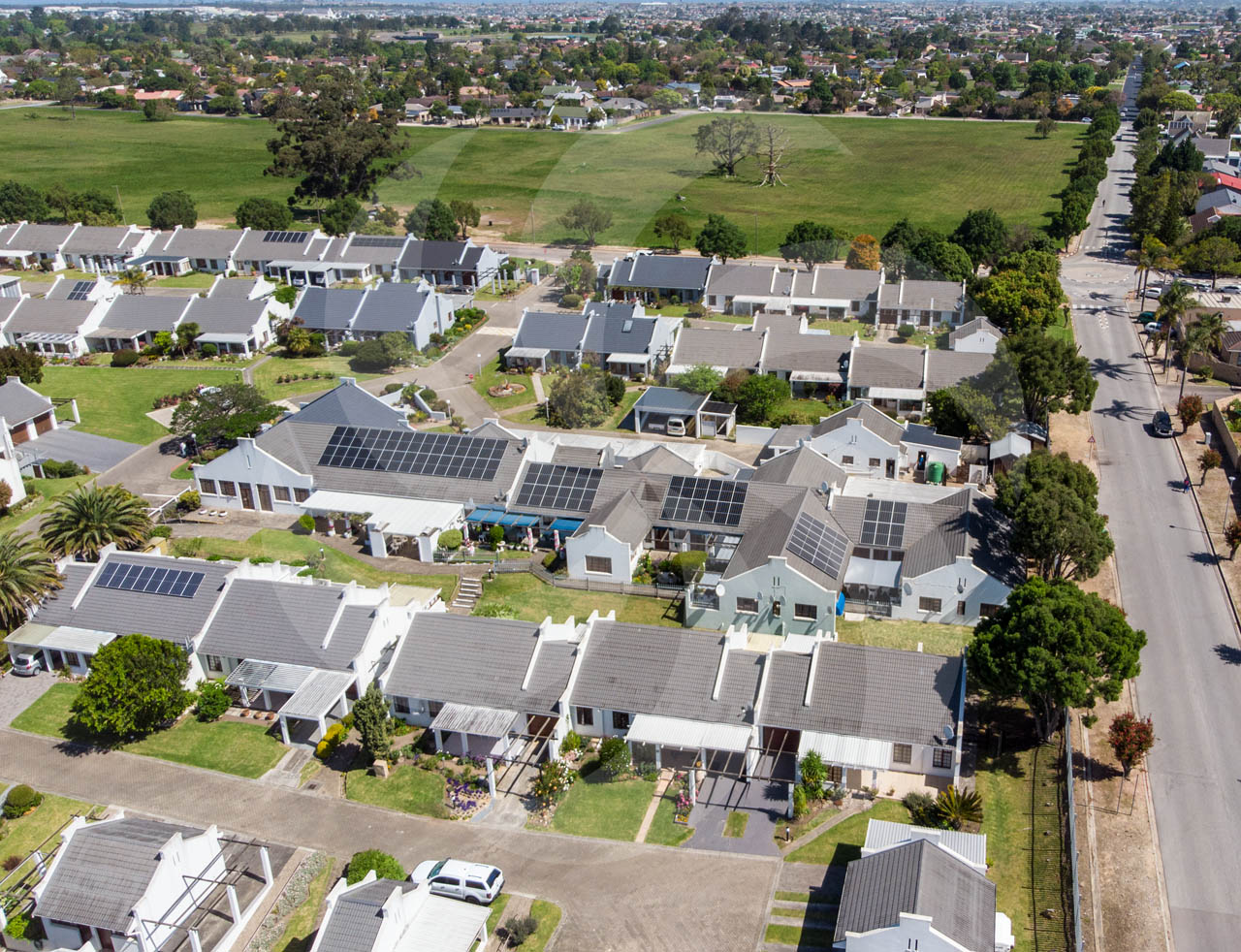
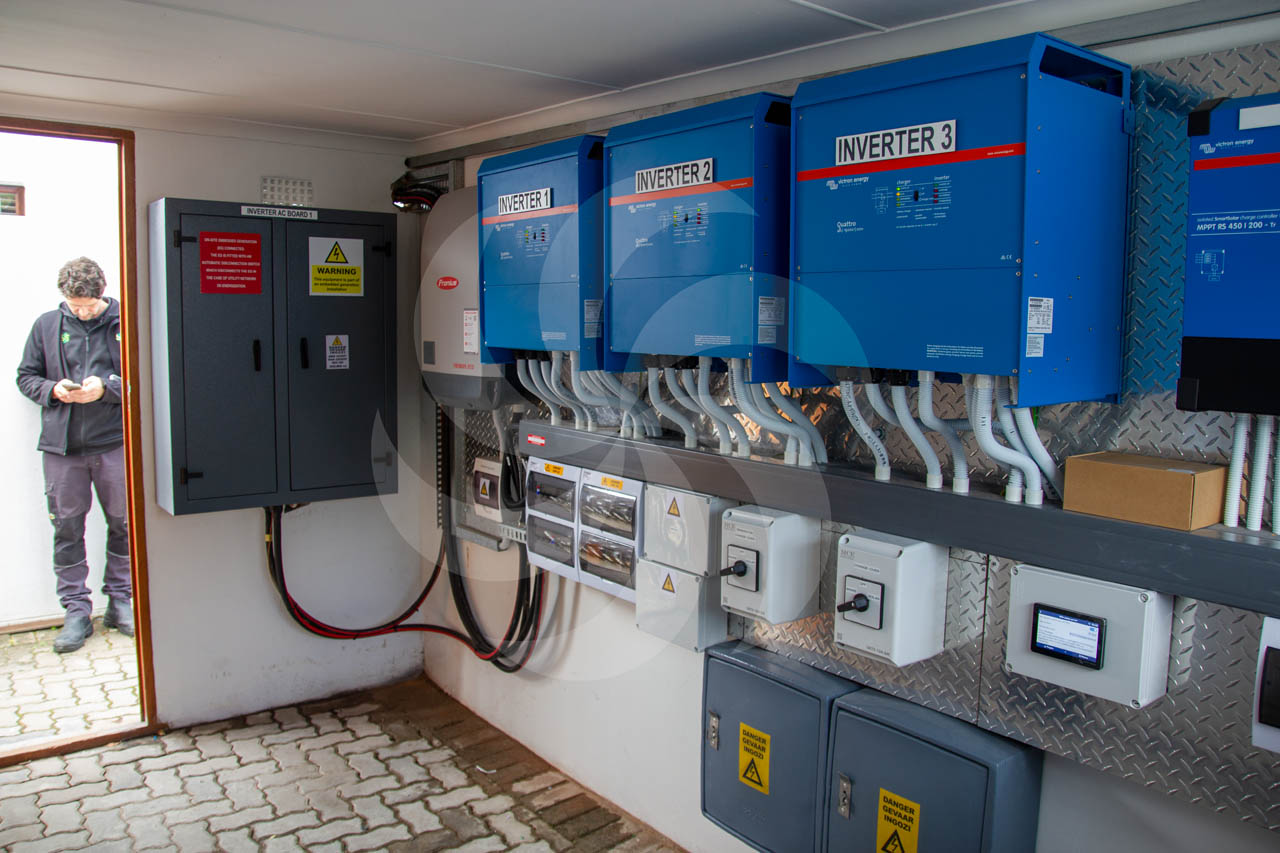
Case
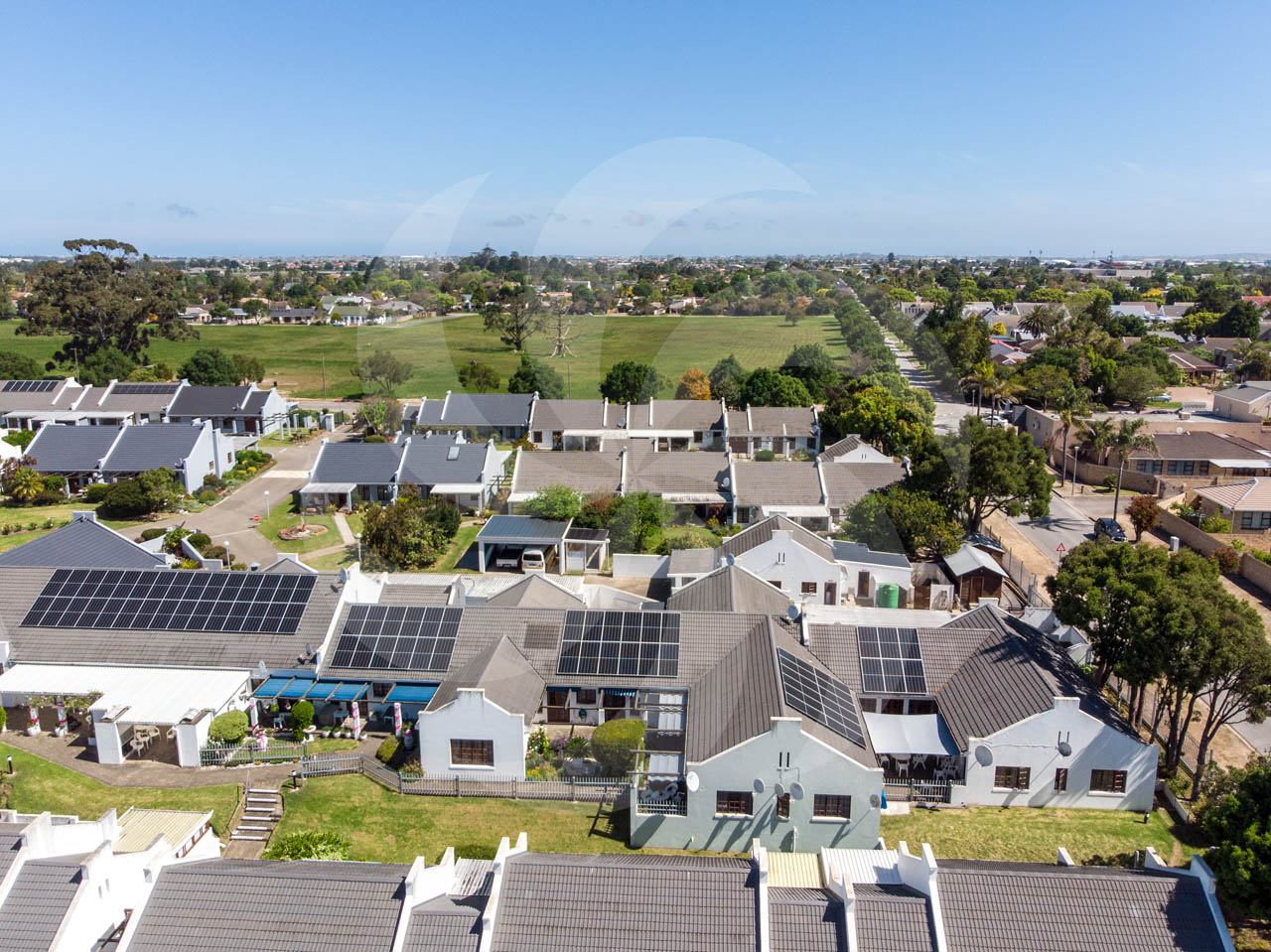
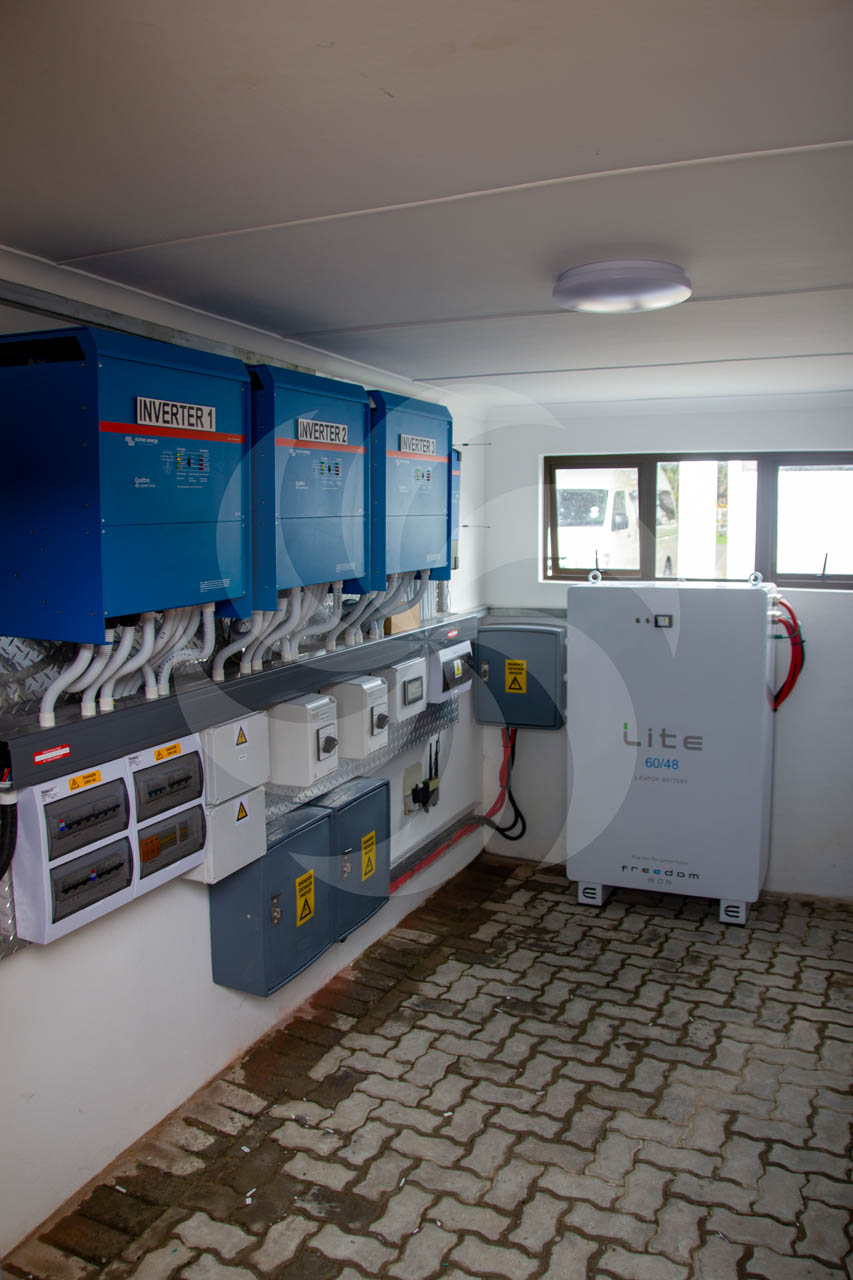
Genevafontein Retirement Village, with 91 units, a Community Centre, and a Frail
Care facility, needed a reliable, cost-effective solution to replace costly diesel
generators and secure continuous operations.
Challenge
Rising electricity tariffs and vulnerable frail care operations made diesel generation
unsustainable.
Solution & Impact
George, Western Cape
Case
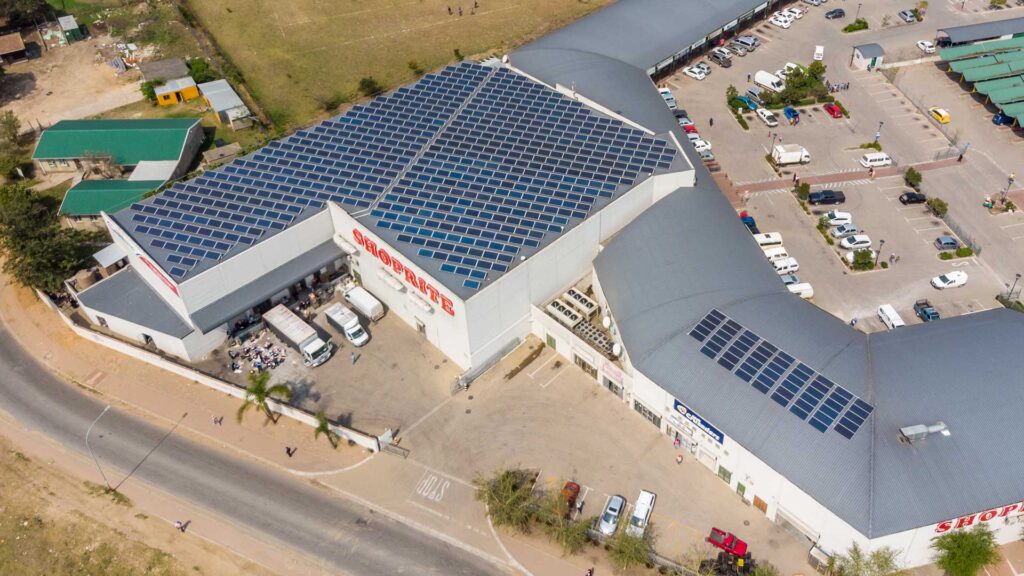
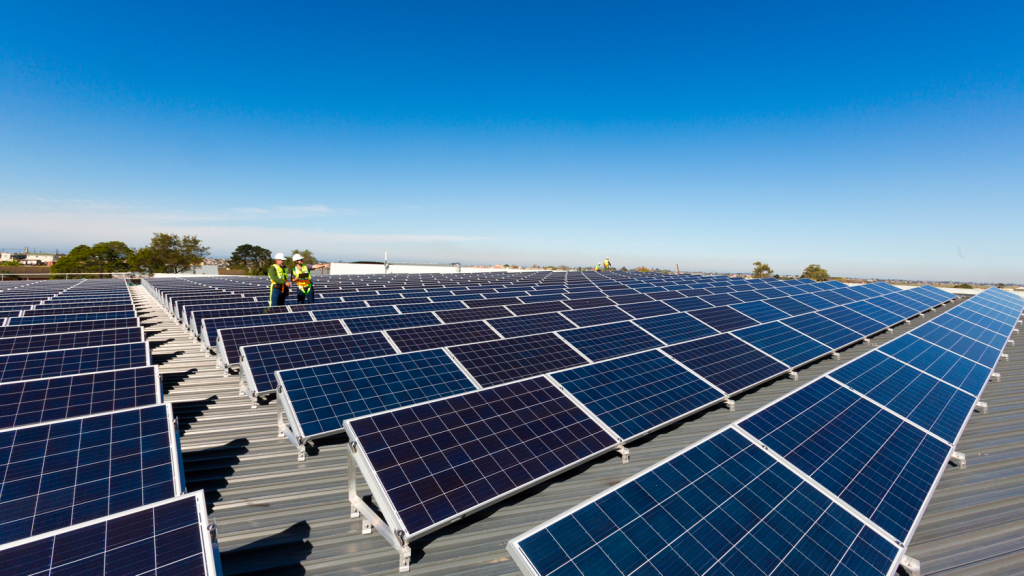
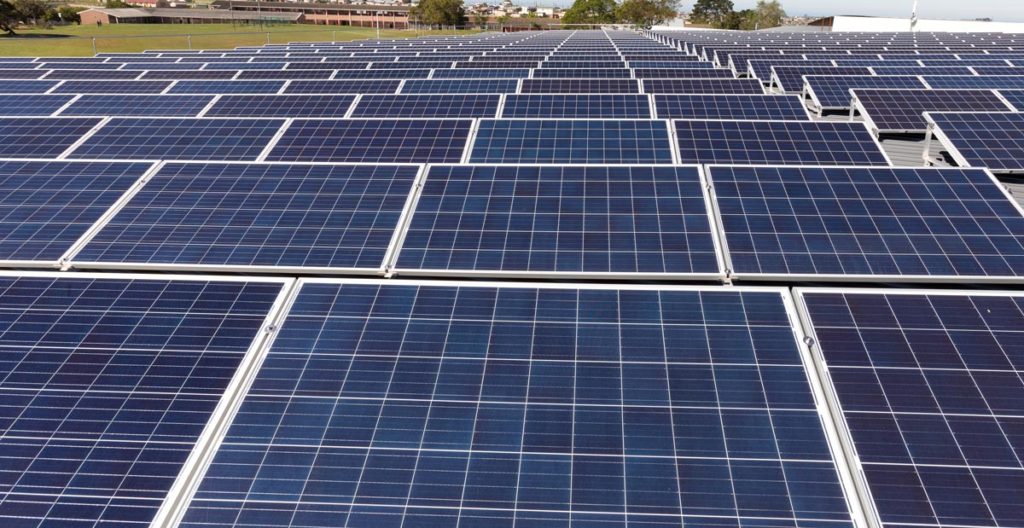
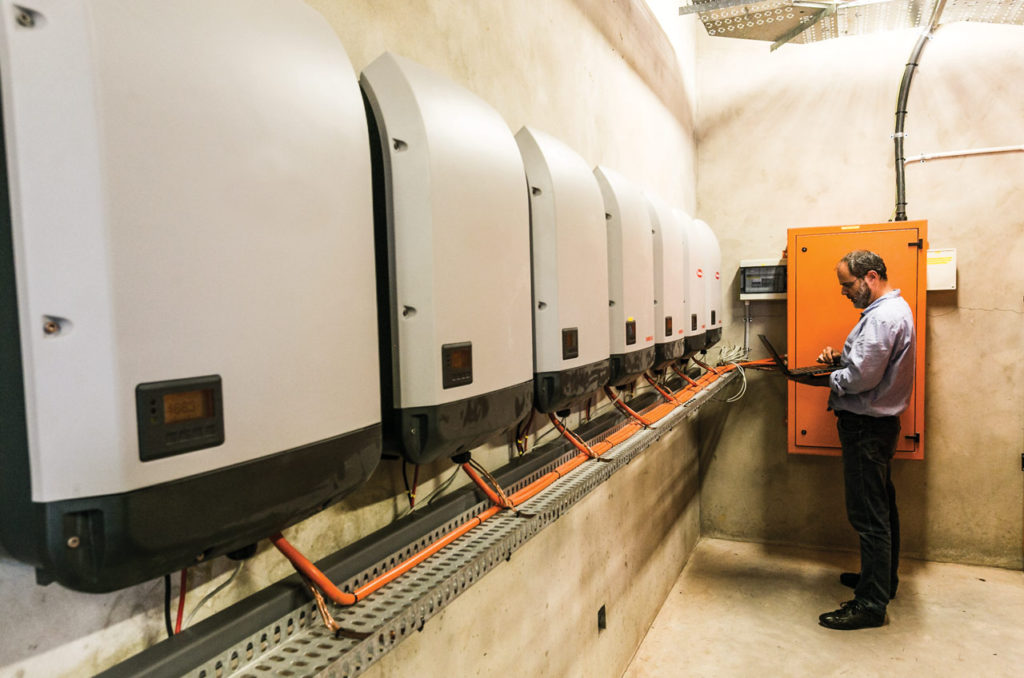
Thembalethu Square, a retail centre anchored by Shoprite and Boxer, invested in
solar to reduce its high utility expenses and lead in sustainable retail development.
Challenge
The mall faced soaring electricity bills – approximately R300 000/month – with
daytime peak demand during trading hours straining operational budgets.
Solution & Impact
Bloemfontein, Free State
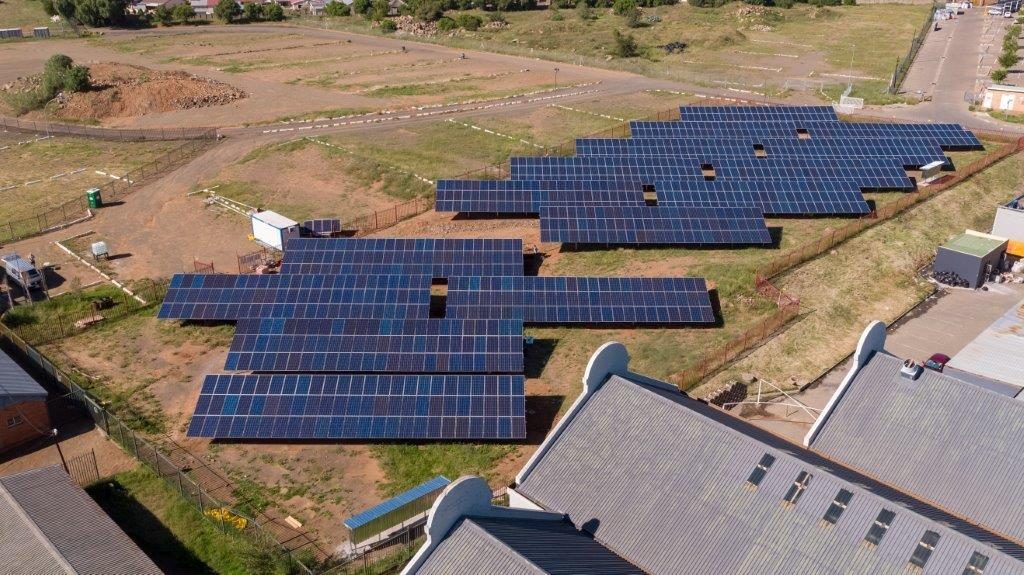
Case
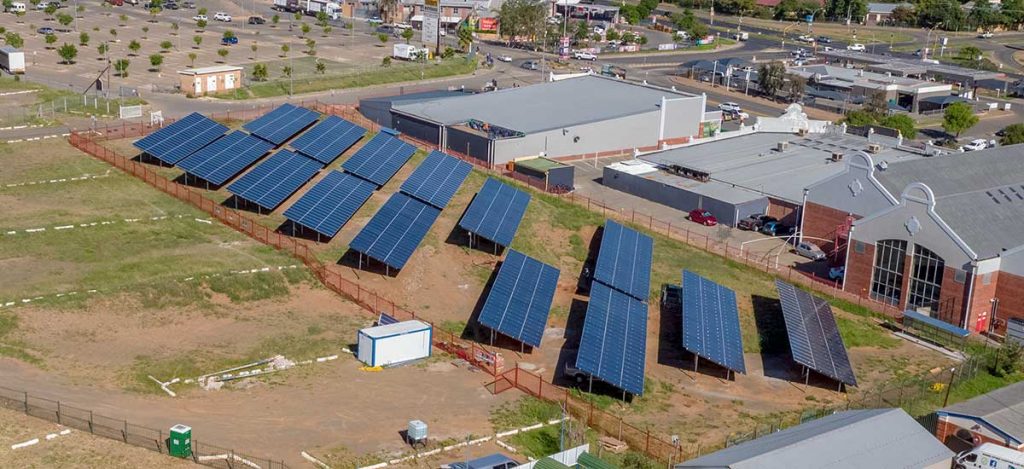
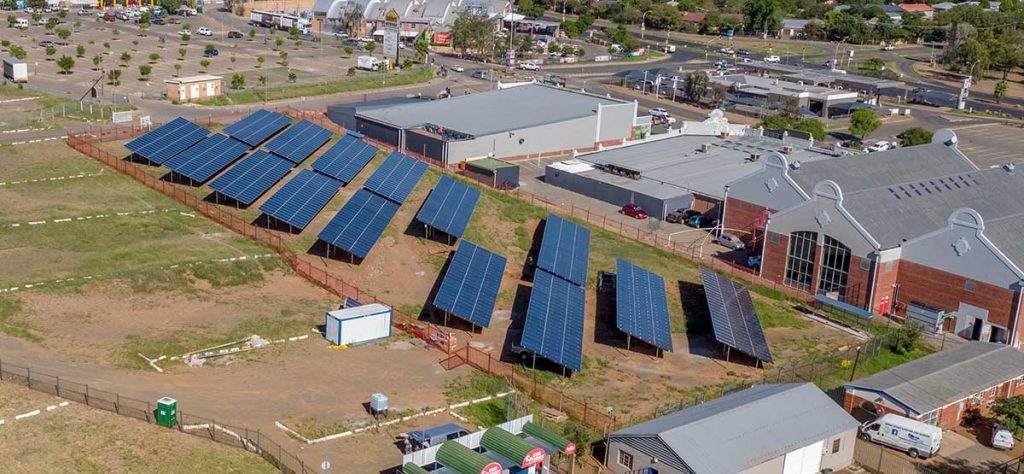
The Bloem Showgrounds, a key events and exhibition venue, required a largescale
renewable solution to reduce reliance on expensive municipal electricity.
Challenge
Rising energy costs and high daytime consumption during events placed heavy
strain on operating budgets.
Solution & Impact

Still Bay, Western Cape
Case
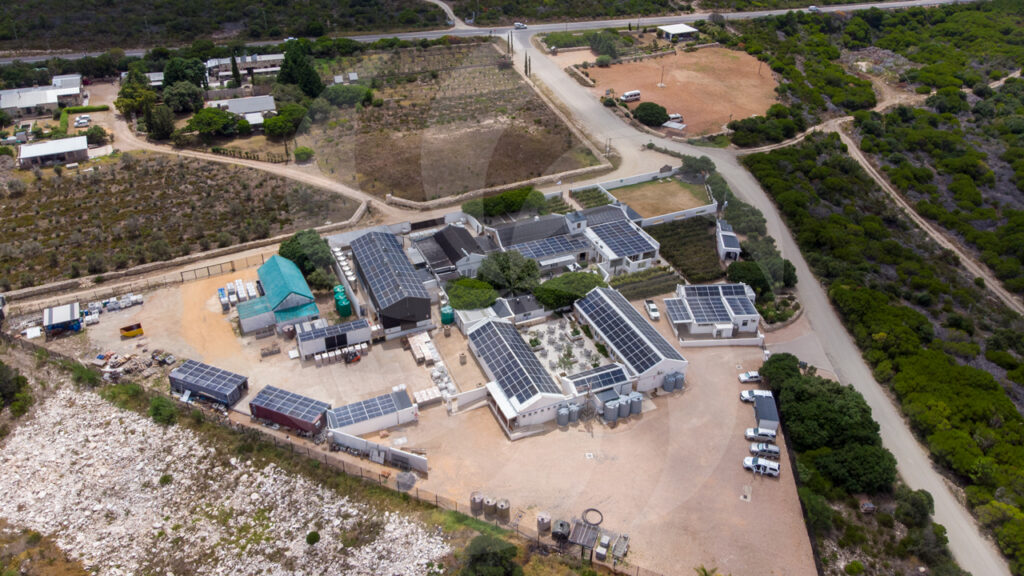
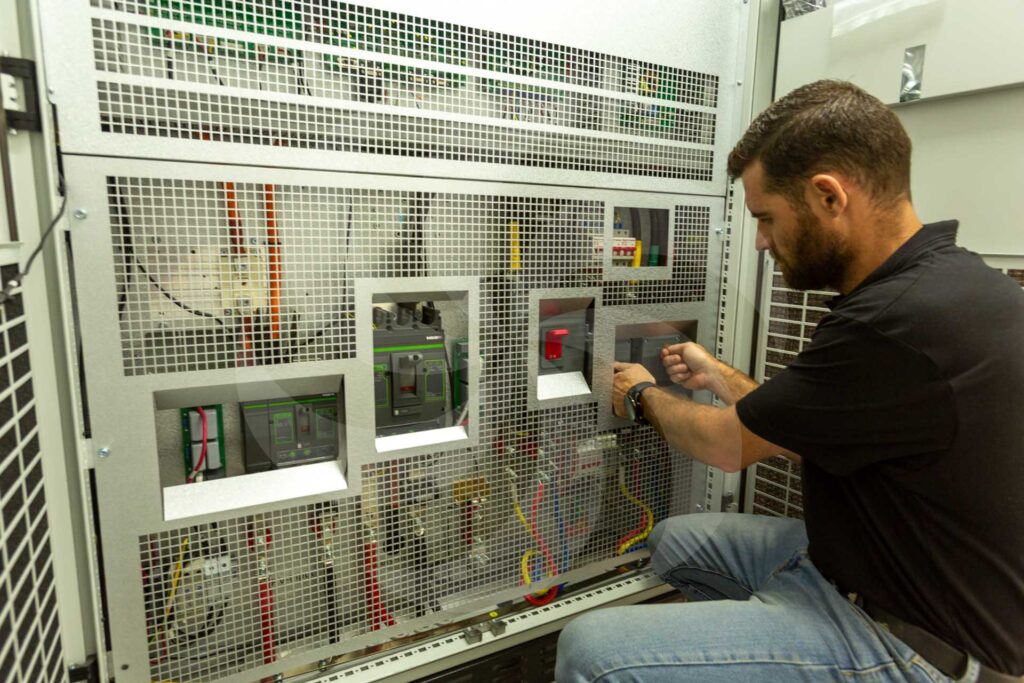
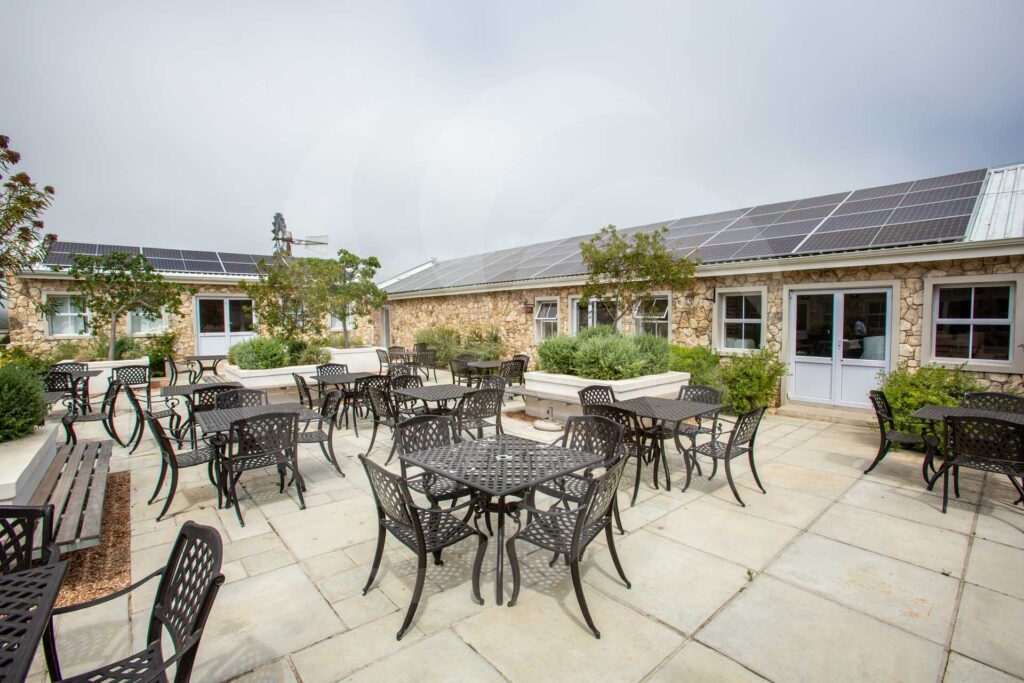
An award-winning distillery sought to integrate solar power to align with its ecoconscious
brand and reduce reliance on the grid.
Challenge
Energy insecurity and rising costs threatened production schedules and
sustainability goals.
Solution & Impact

George, Western Cape
Case
Two leading healthcare facilities in George required a dependable energy solution
to ensure uninterrupted surgeries and patient care during load shedding.
Challenge
Providing continuous power for critical medical operations while reducing
escalating electricity costs.
Solution & Impact
George, Western Cape
Case
Watsons, a large meat processing facility, needed a robust, sustainable system to
maintain continuous refrigeration and production while reducing costs.
Challenge
Heritage building constraints, 24/7 cold storage, and rising grid costs, with zero
tolerance for downtime.
Solution & Impact
Geelhoutboom, near George, Western Cape
Case
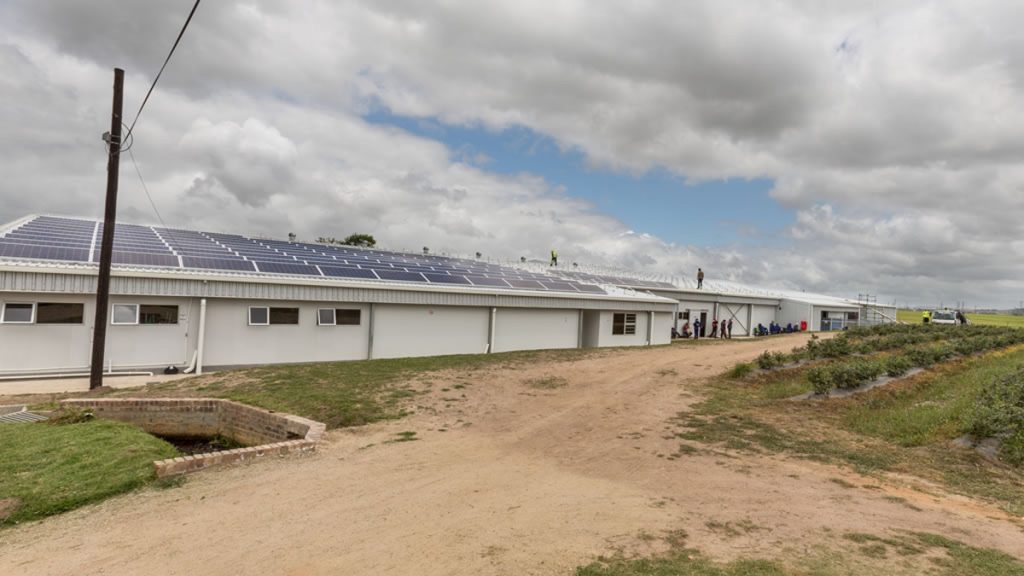
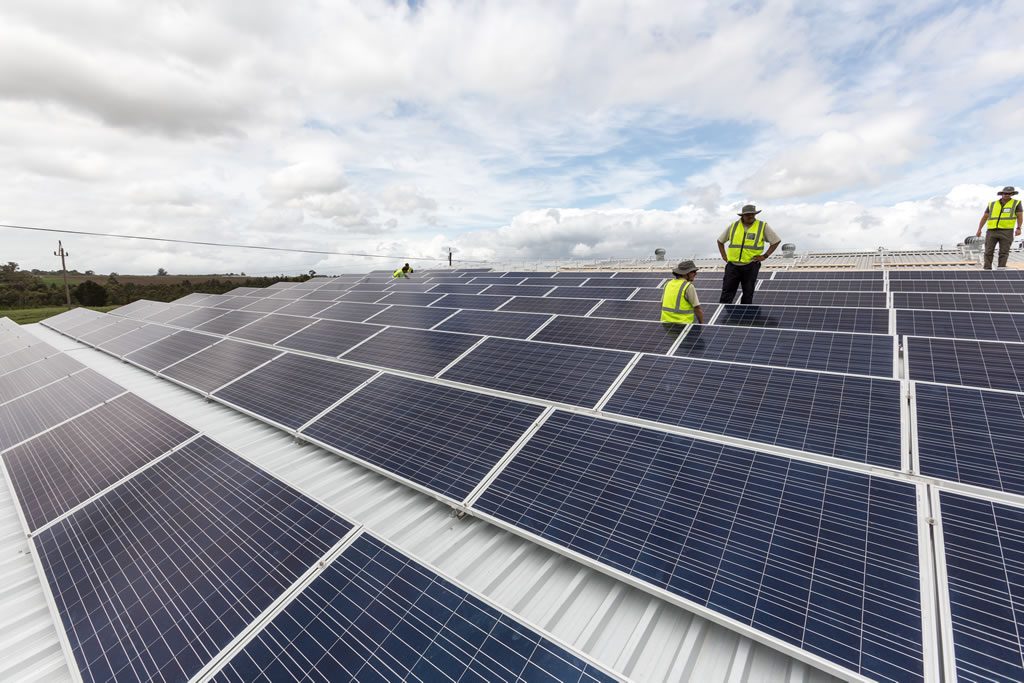
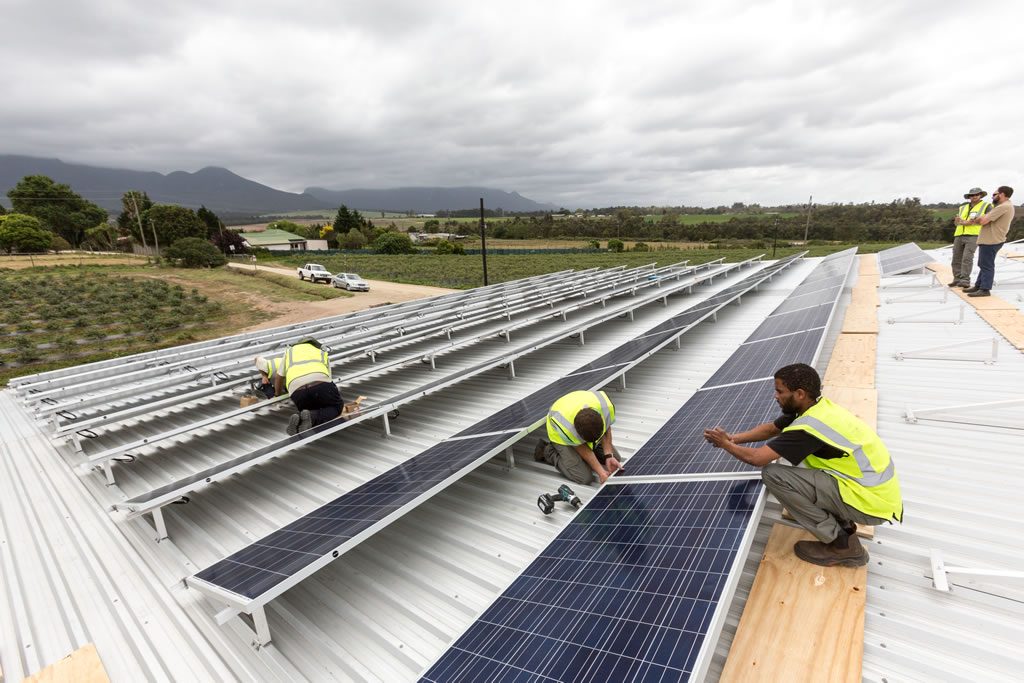
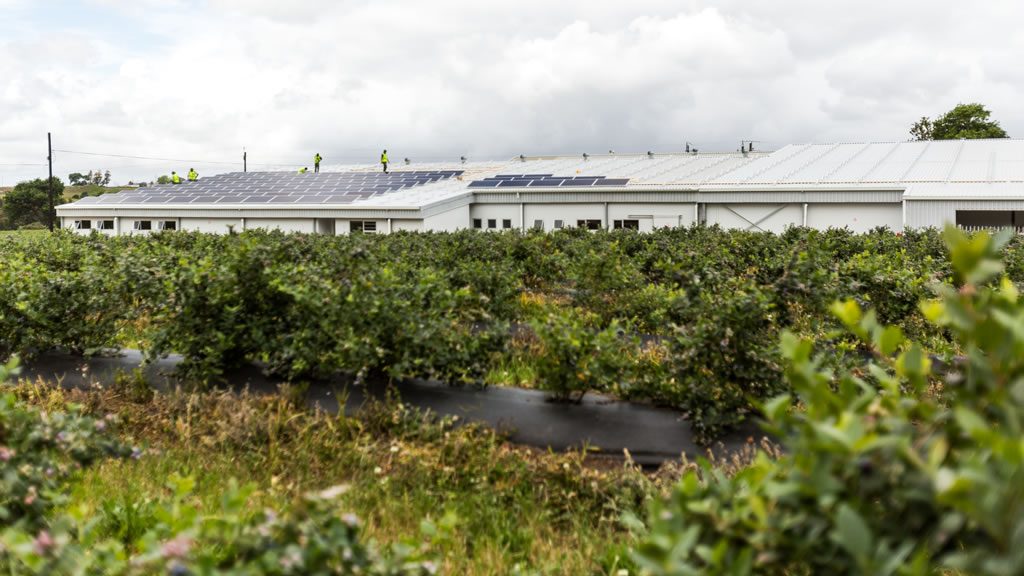
A mid-sized blueberry farm adopted solar to reduce peak daytime electricity
loads and support essential operations like refrigeration.
Challenge
Loading peaks from irrigation and refrigeration threatened to spike utility bills
and strain the grid during harvest season.
Solution & Impact
George, Western Cape
Case
A busy supermarket needed a cost-effective, resilient energy solution to protect
critical refrigeration and service continuity during load shedding.
Challenge
Rising electricity costs and unreliable grid supply endangered chilled goods and
customer service.
Solution & Impact
Albertinia, Western Cape
Case
A luxury game lodge in the Garden Route commissioned a grid‑tied solar system
to reduce energy costs and reinforce its sustainability credentials.
Challenge
High Eskom tariffs and the need to lower environmental impact while maintaining
guest comfort and operational efficiency.
Solution & Impact