âš¡
Rising Eskom tariffs? Hybrid solar systems on promo
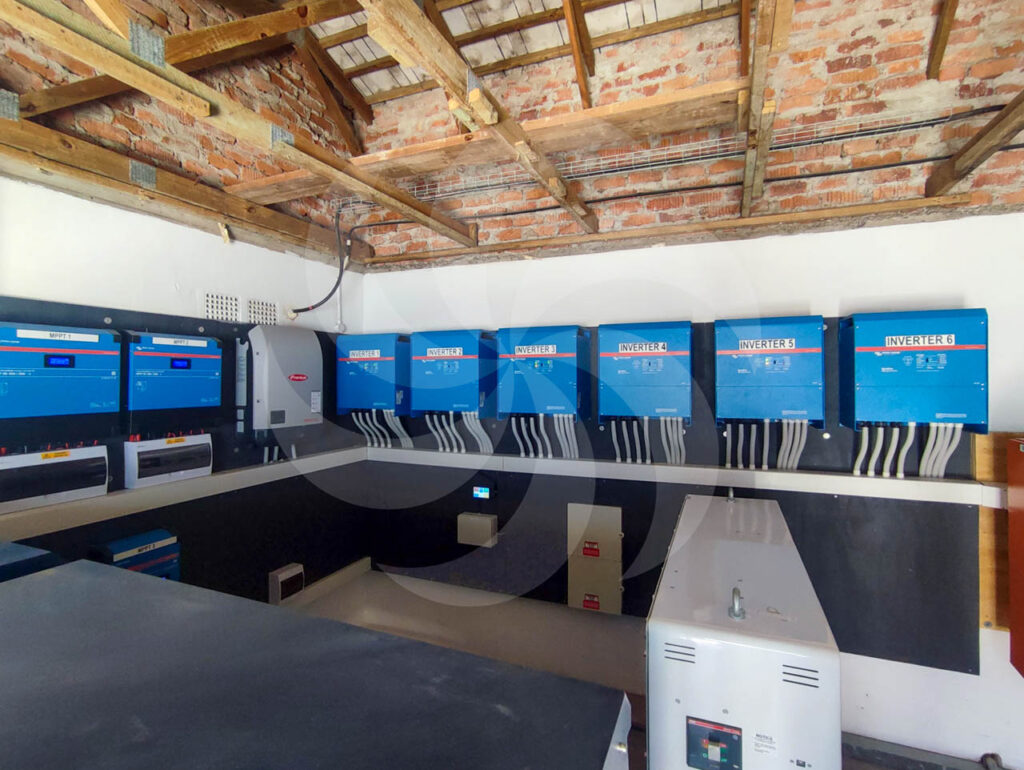
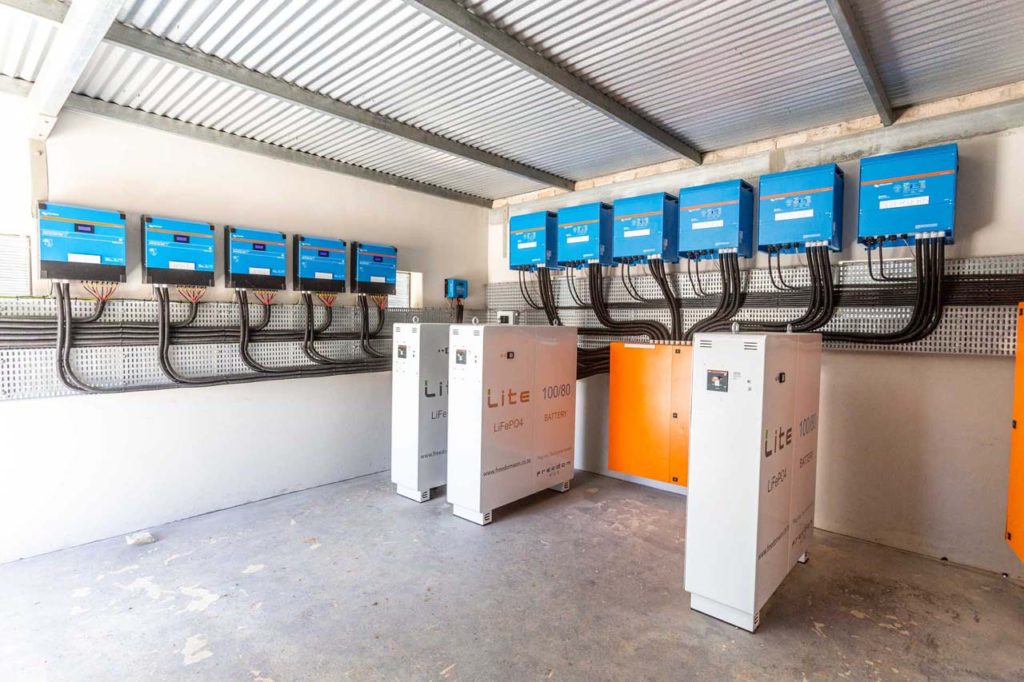
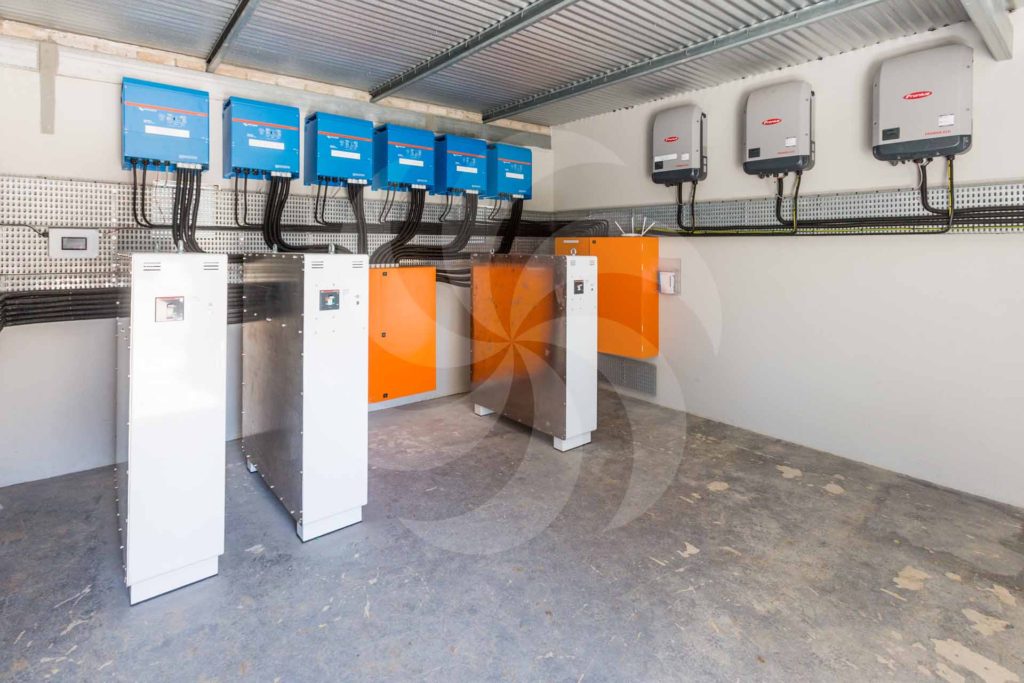
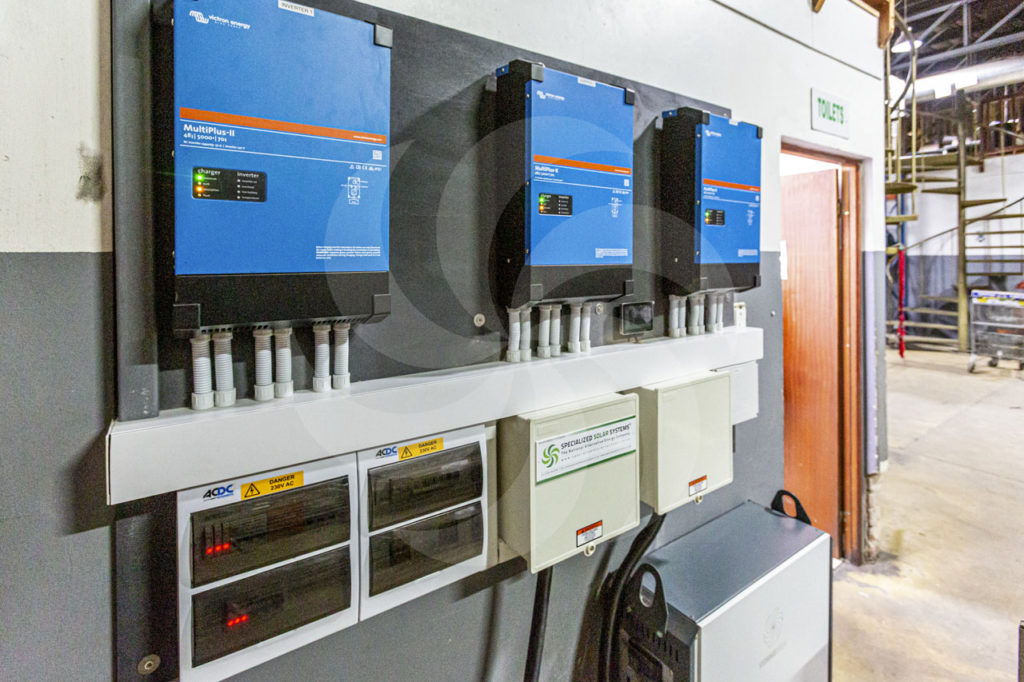
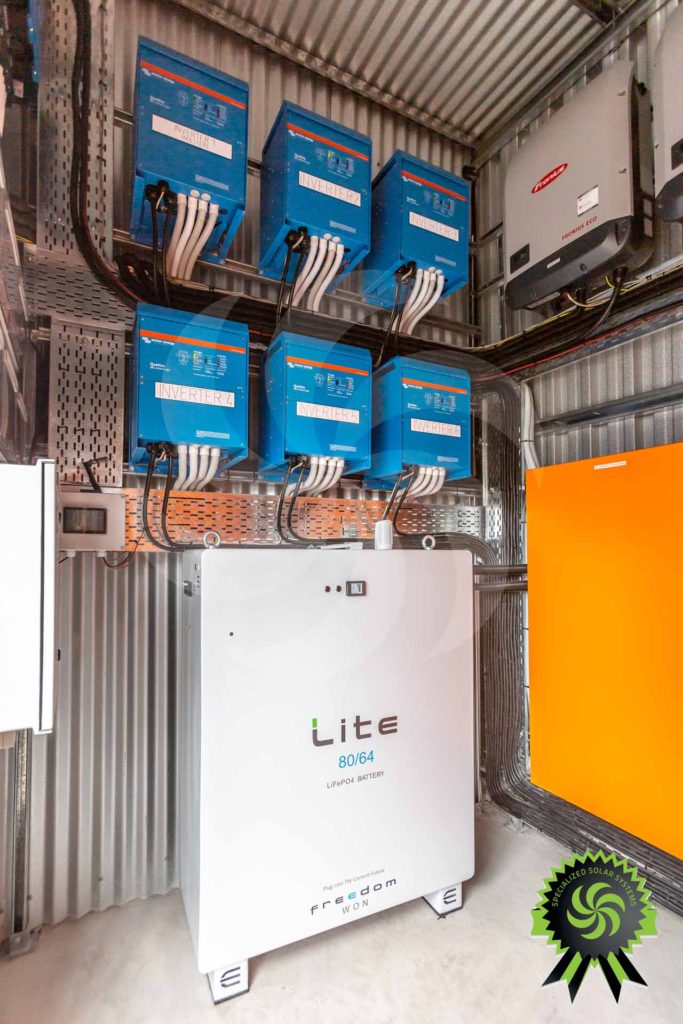
Expertly engineered, pre-assembled, and professionally wired for long-term performance using trusted Victron and storageDOCK lithium battery tech.
Explore Systems

Embedded Solar in South Africa: Turning Unused Space into an Energy Asset

A waste rock dump is probably not the first place most people imagine when they picture a solar power plant.

Yet at Kumba Iron Ore’s Sishen mine in the Northern Cape, previously disturbed mining land is planned to become productive energy infrastructure.

Kumba announced in July 2026 that Sishen Iron Ore Company had entered into an embedded solar energy agreement with Envusa Energy. The proposed installation will have a capacity of 72.5 MWp DC and supply 63 MW AC directly to the mine, with the first electricity expected in the fourth quarter of 2027.

The facility will be built on an existing waste rock dump within the mine boundary. Kumba expects it to reduce approximately 35% of Sishen’s current Scope 2 emissions at steady state.

The scale is unusual, but the practical lesson is simple:

Available space can become a valuable energy asset when it is matched to a real operating need.

A farm, lodge, healthcare facility or factory does not need a mine-sized installation to apply the same principle.

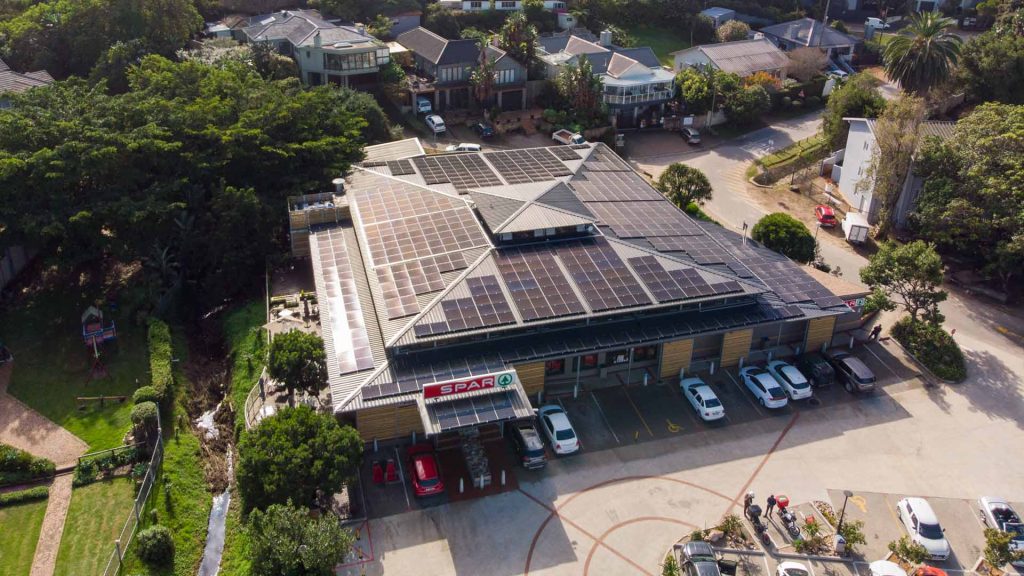
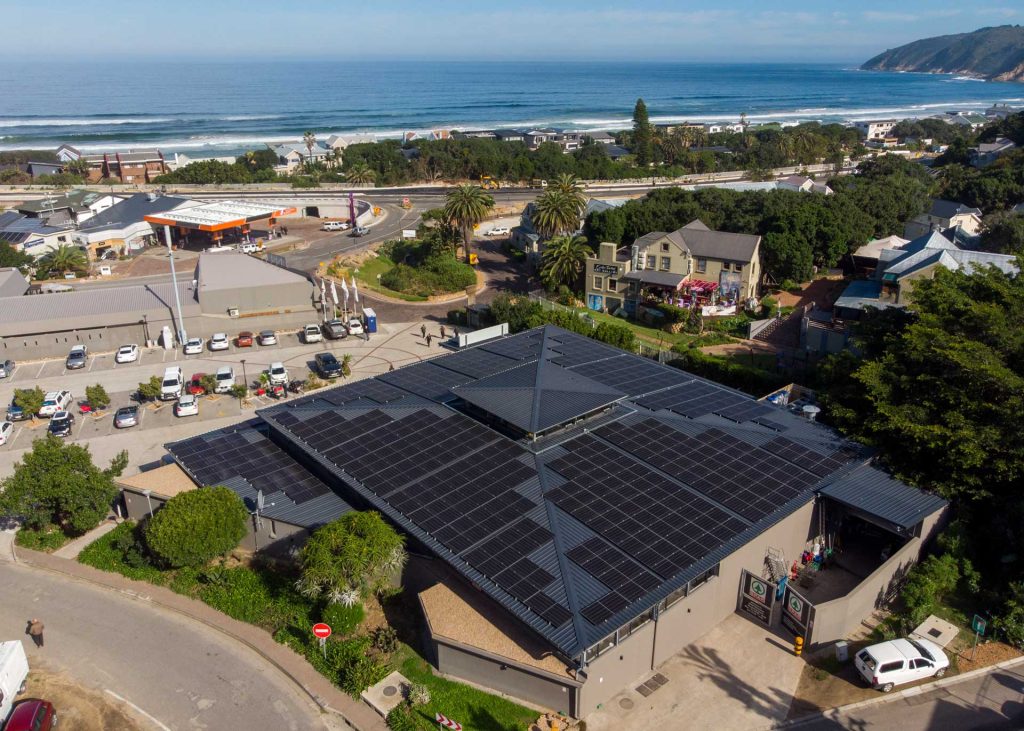
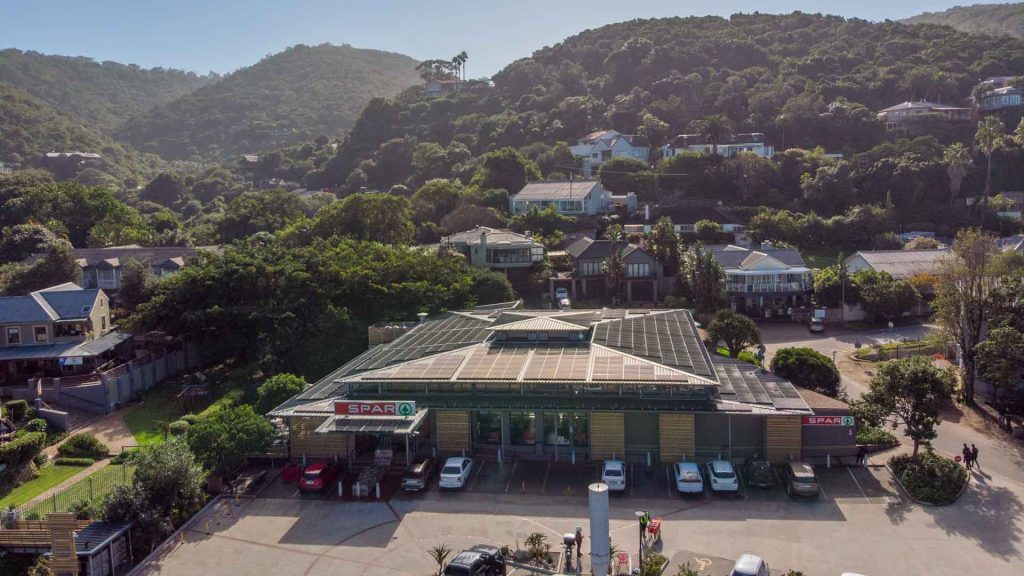
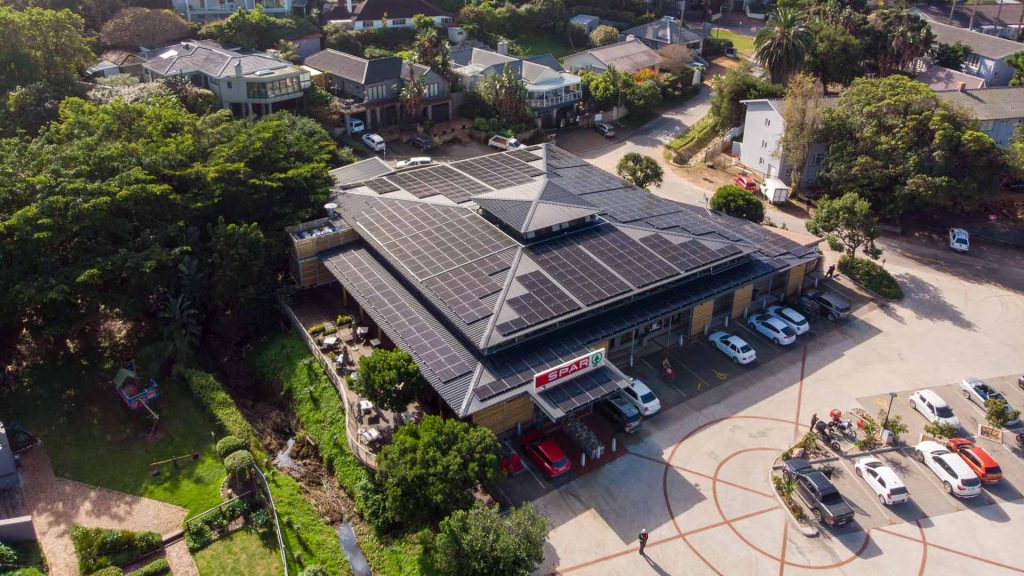
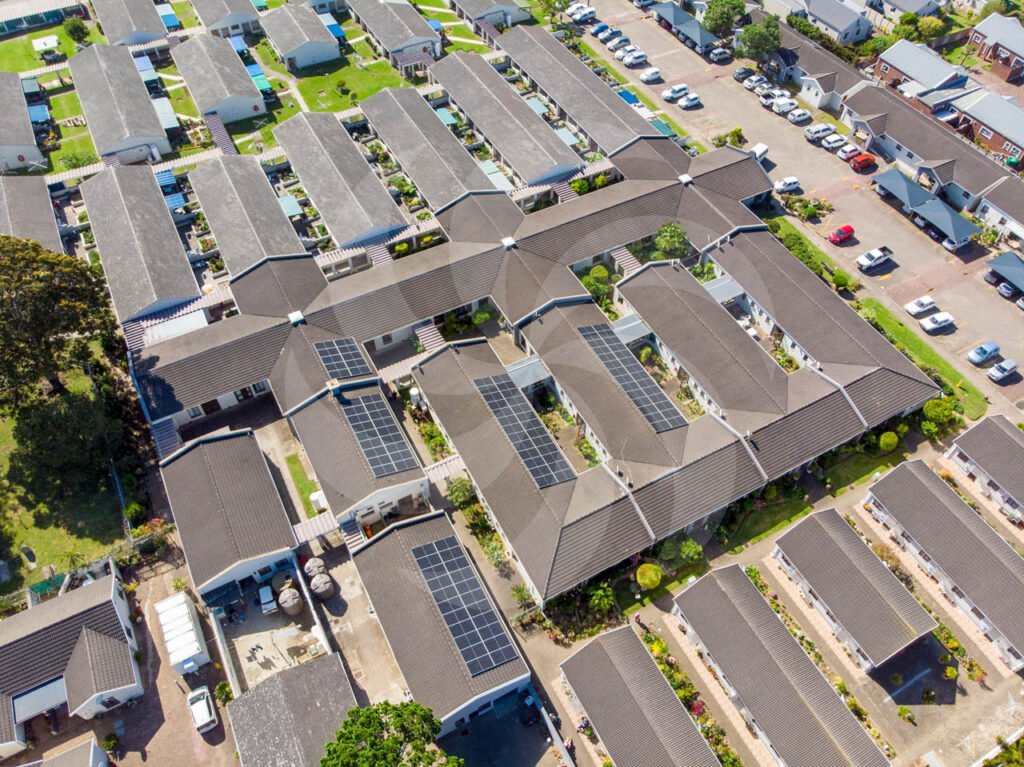
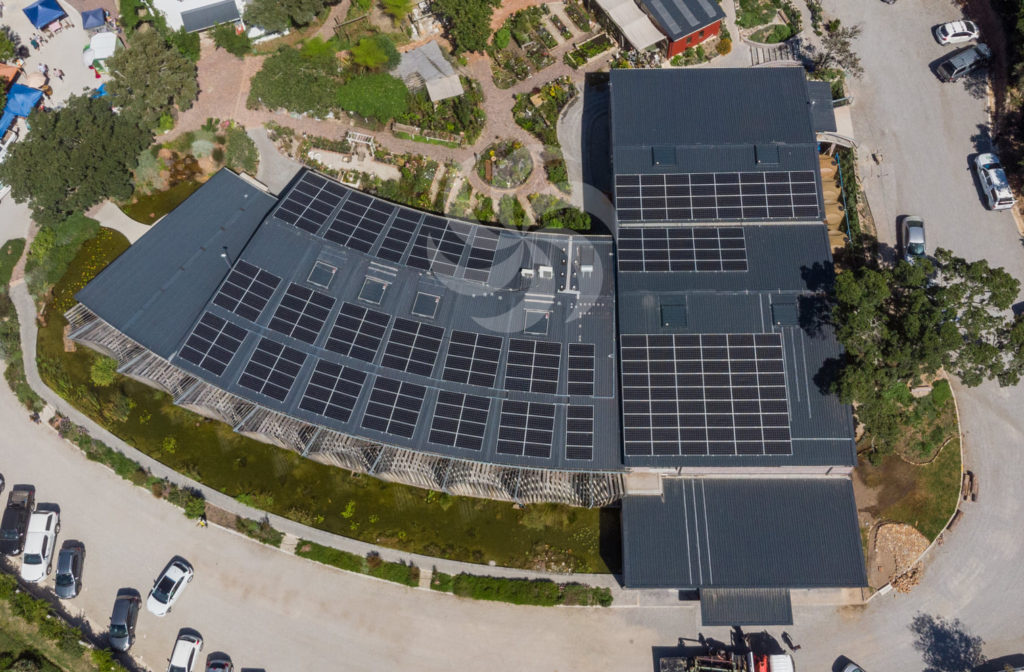
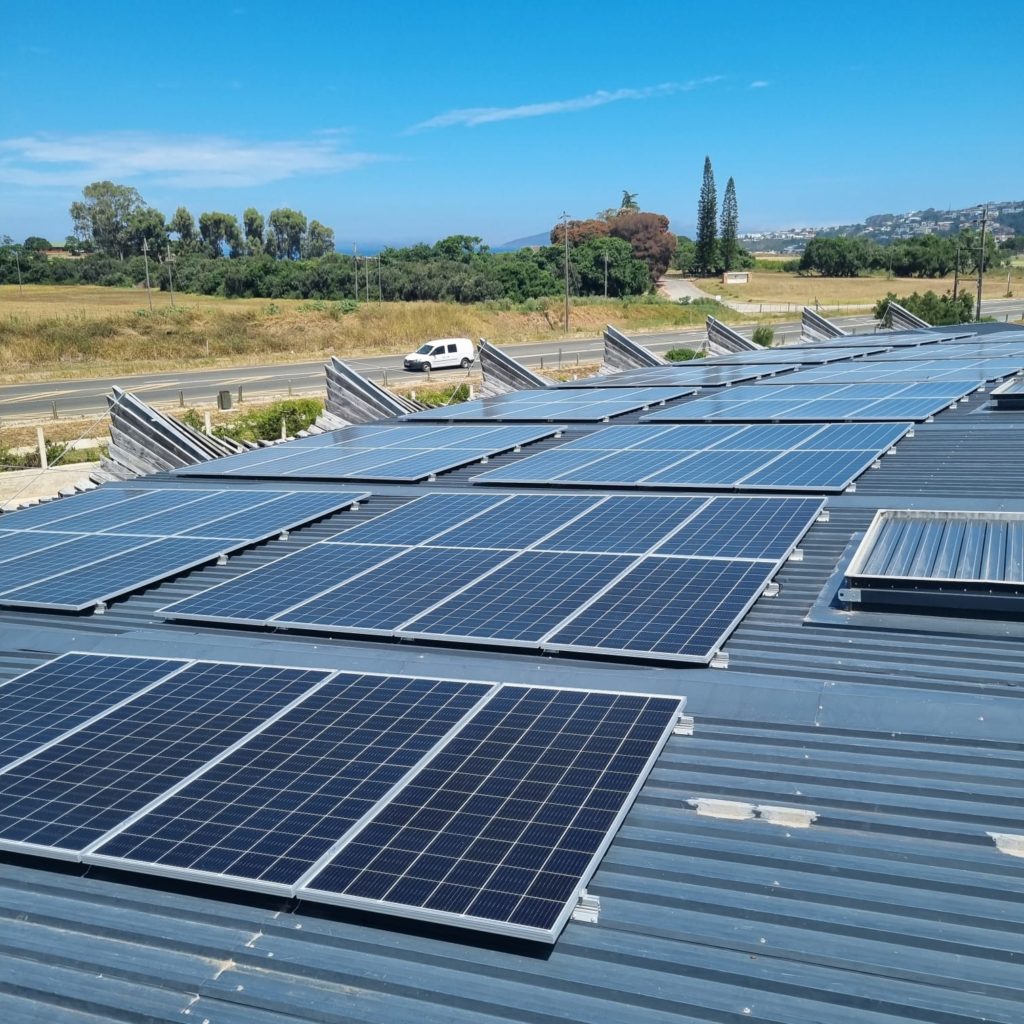
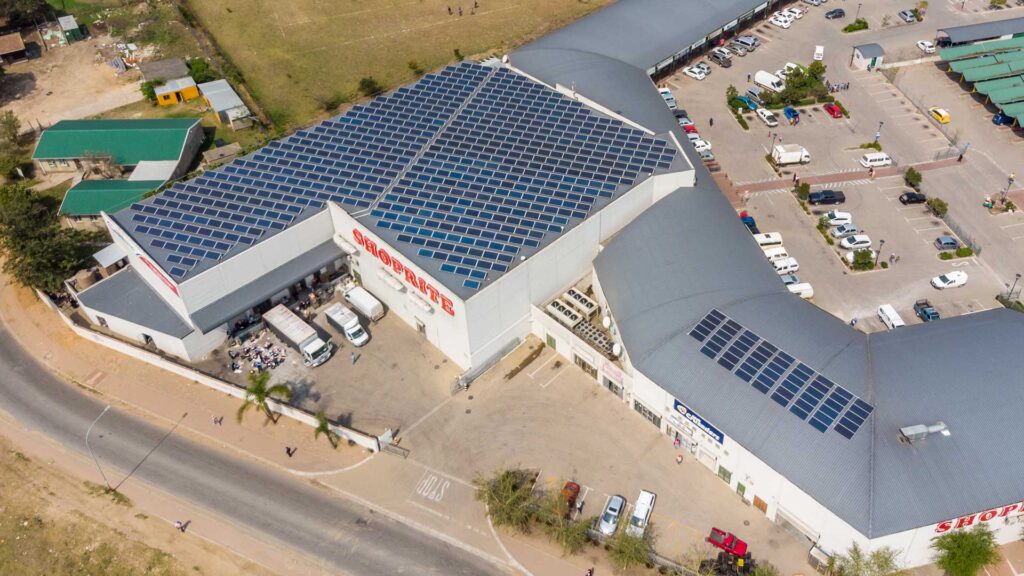
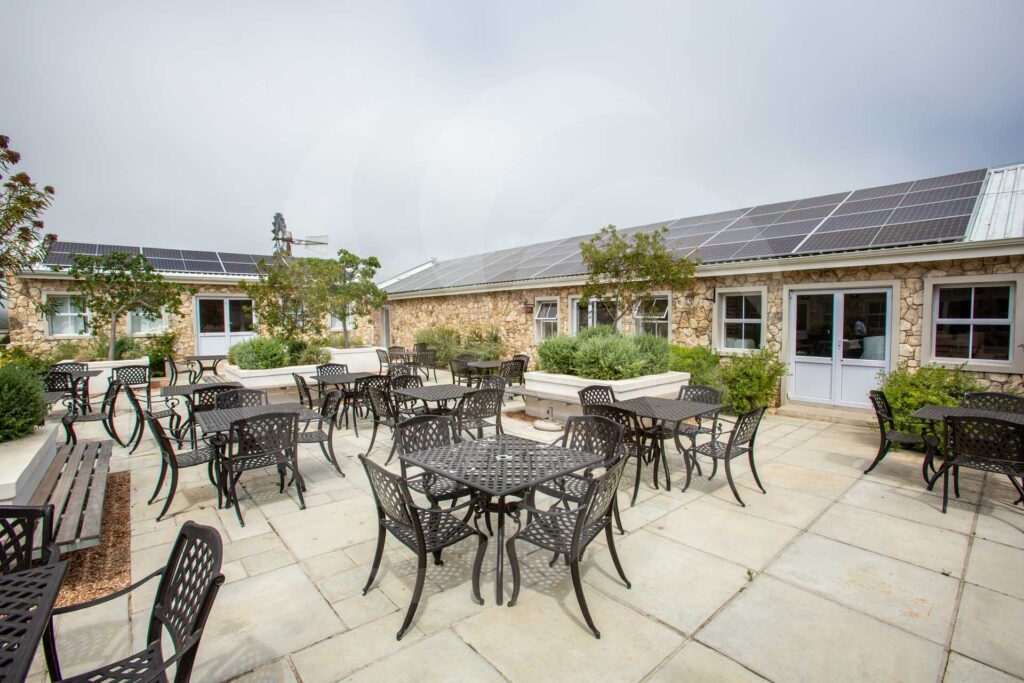
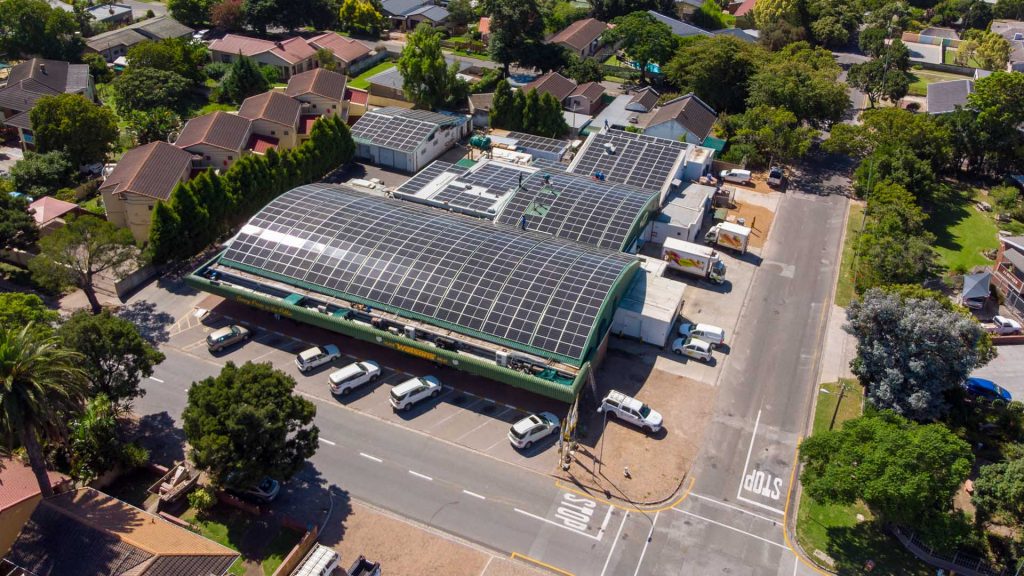
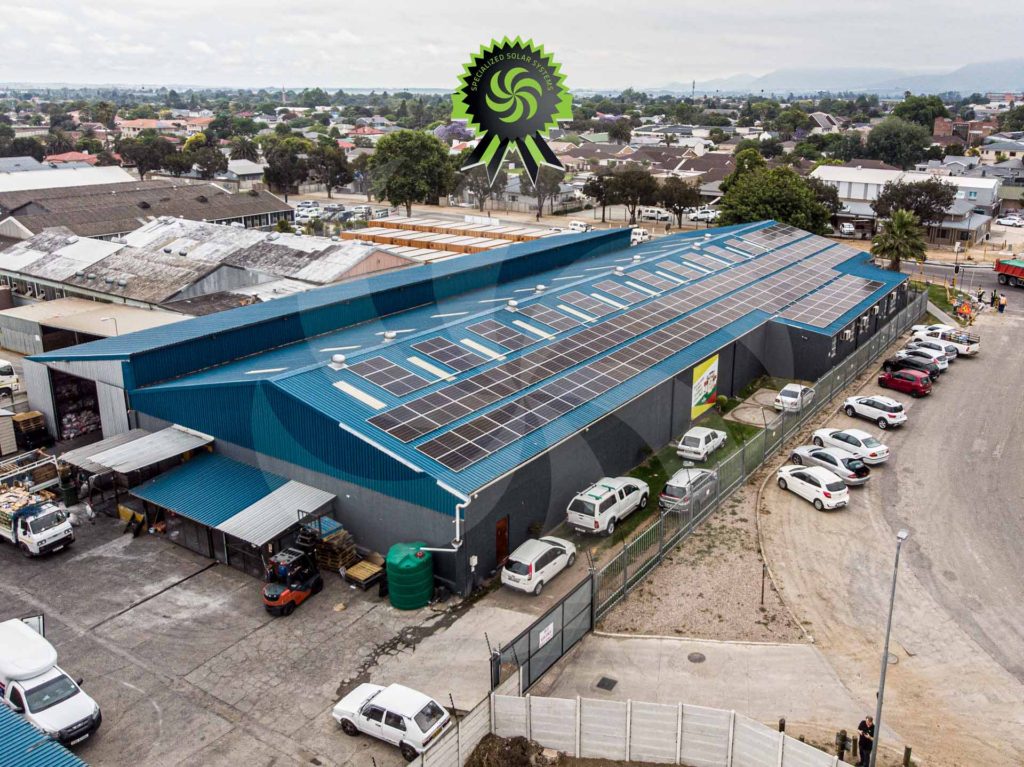
Solar panels installed on the roof of Wilderness SPAR
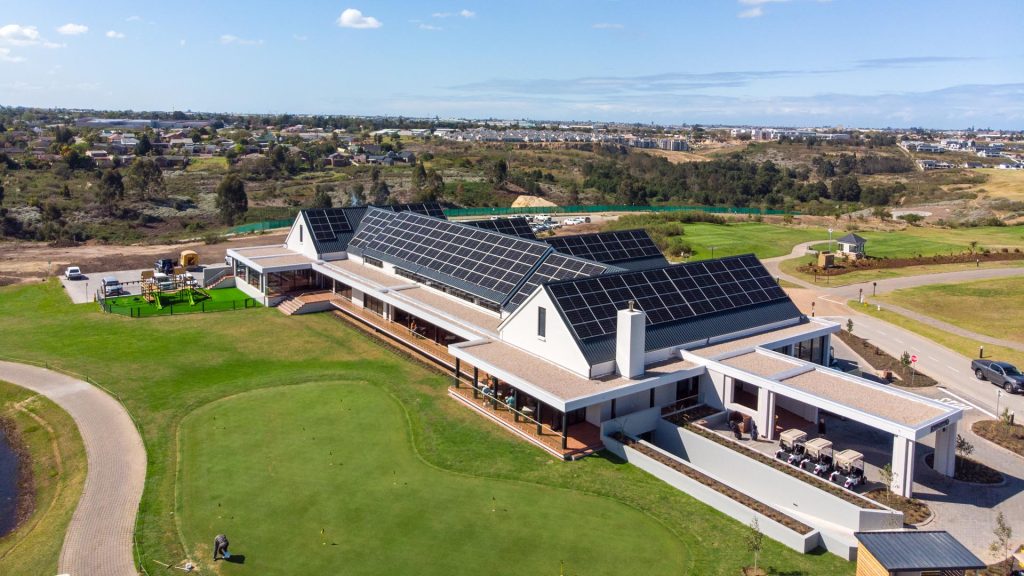
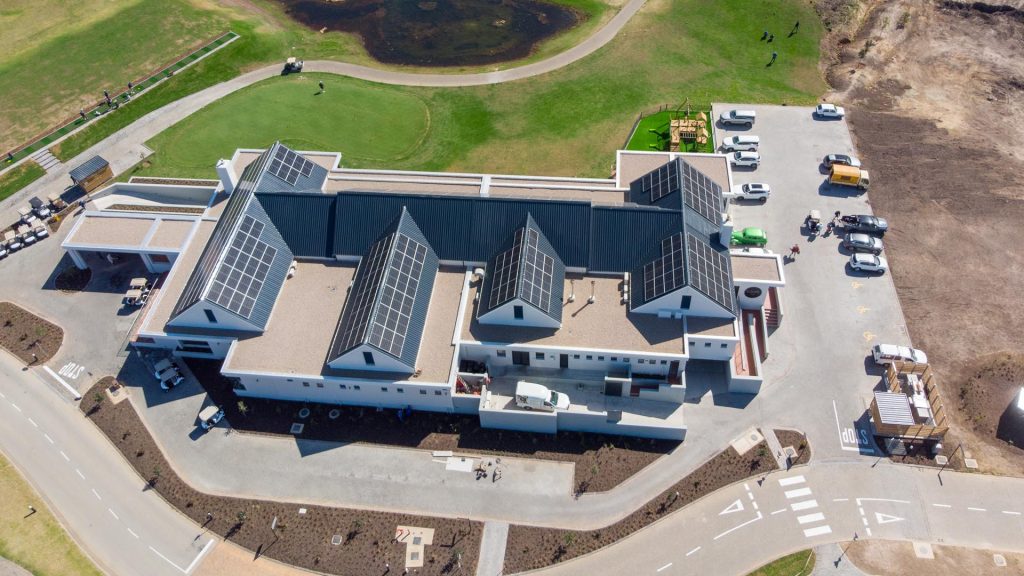
Aerial view of a golf clubhouse with solar panels, next to a putting green

What is embedded solar?

Embedded solar is electricity generation installed at, or close to, the place where the electricity will be used.

Depending on the design, the energy may be:

  • Used directly while the business is operating
  • Stored for later use
  • Integrated with the grid or a generator
  • Exported where the relevant rules and tariff allow it
  • Used as part of a fully off-grid system

The important point is that the system is designed around the customer’s site, electrical connection and operating profile.

For grid-connected systems, registration and compliance must also form part of the planning. Current NERSA guidance states that grid-connected embedded generation systems of 100 kW or less must register with the relevant distributor. Systems above 100 kW must register directly with NERSA. Systems without a grid connection are exempt from these registration requirements

The best solar space may not be the obvious one

Many customers begin by looking at the main building’s roof.

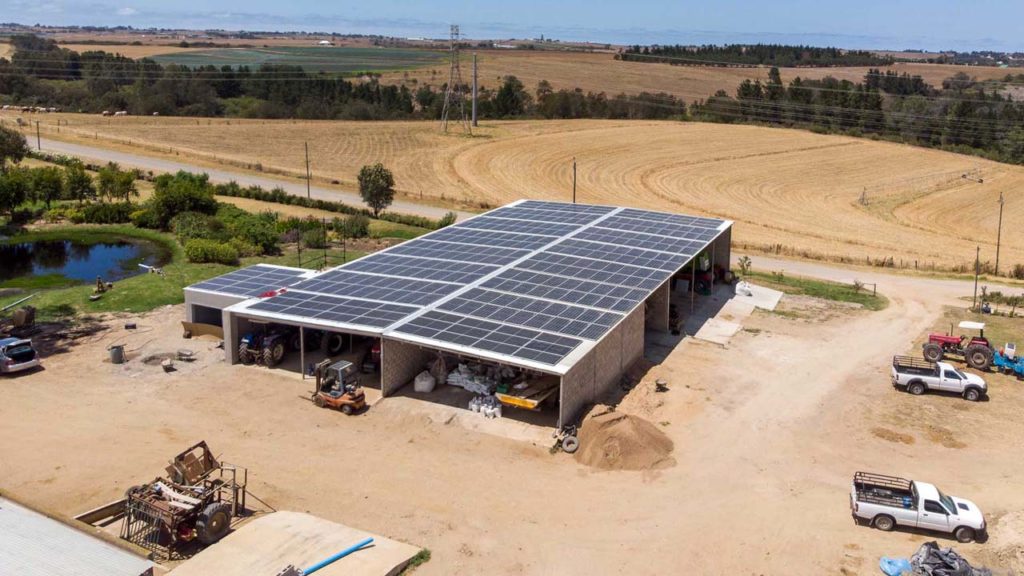
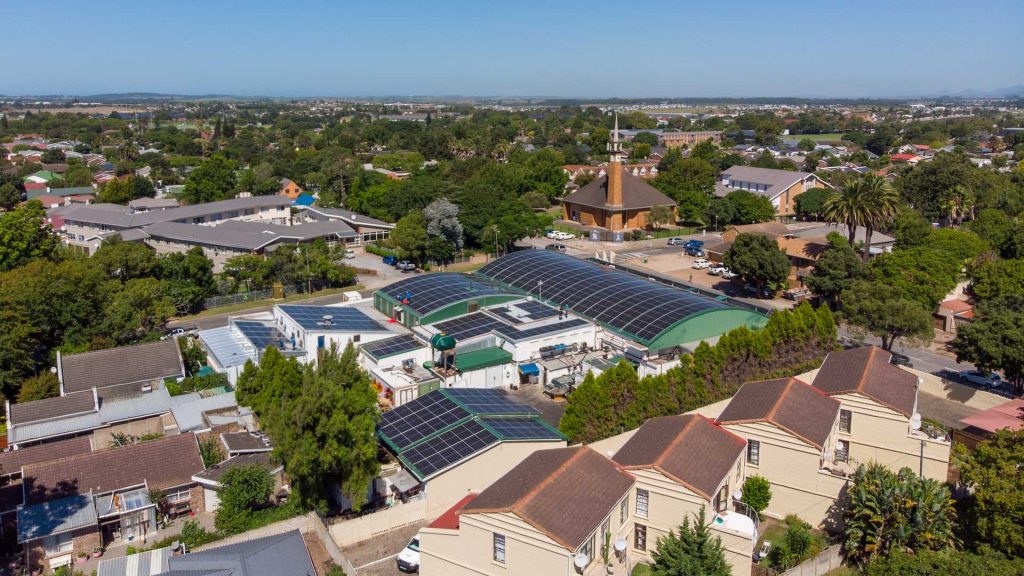
Sometimes the roof is the best option. Sometimes the strongest design uses a combination of roofs, carports and open land.

Rooftops

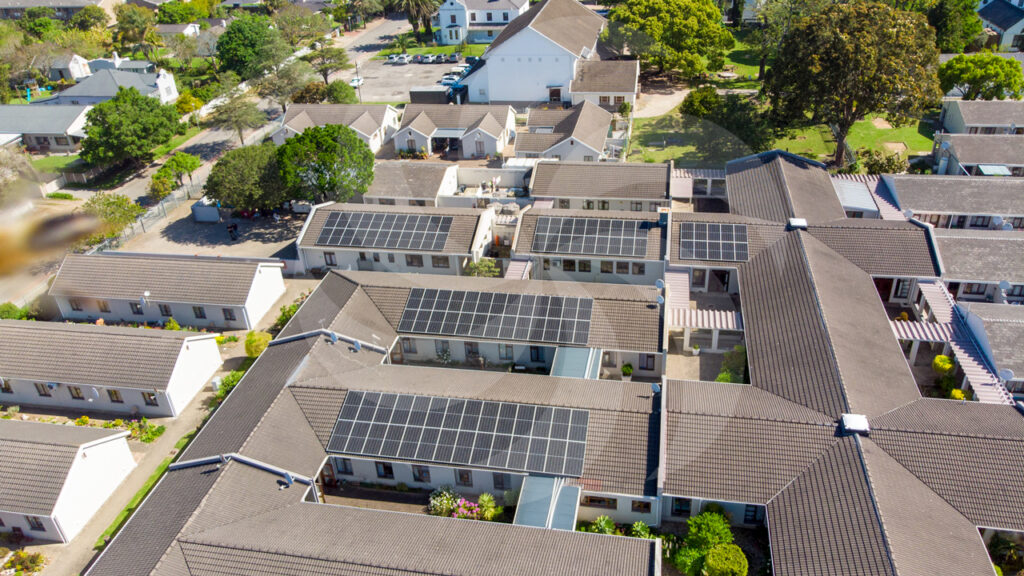
Rooftop solar can place generation close to the electrical load without using additional land.

However, the assessment should still consider:

  • Structural capacity
  • Roof condition and remaining lifespan
  • Orientation and shading
  • Maintenance access
  • Drainage and fire requirements
  • Cable routes
  • Future roof work

A roof that appears spacious from the ground may have practical limitations that only become clear during a detailed assessment.

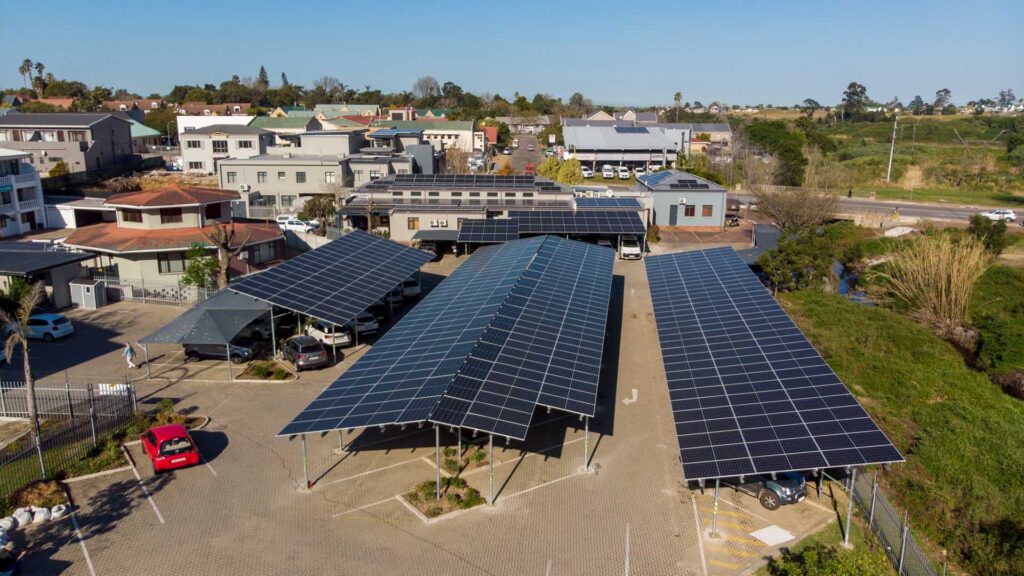
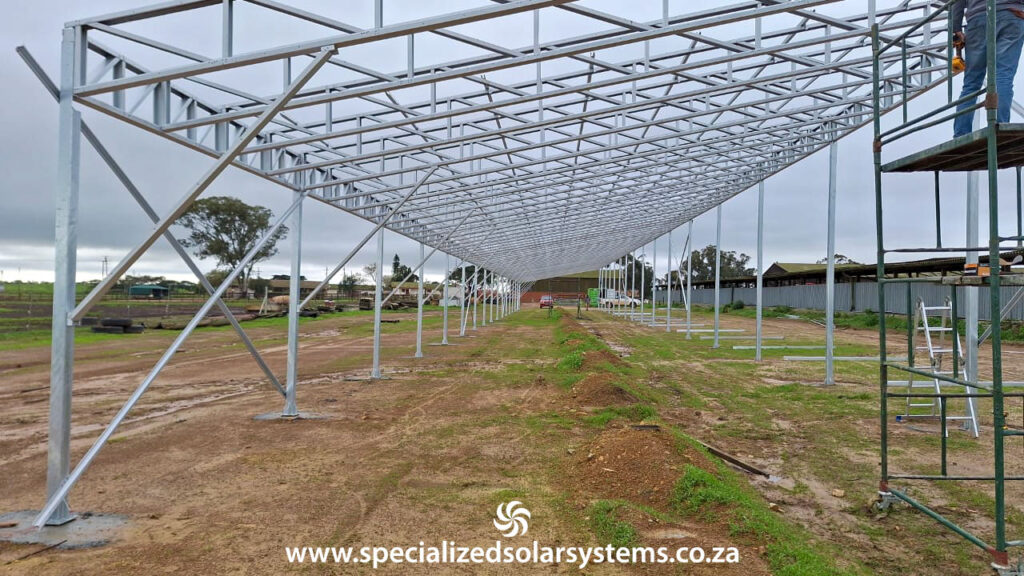
Solar carports

A solar carport can perform two jobs at once.

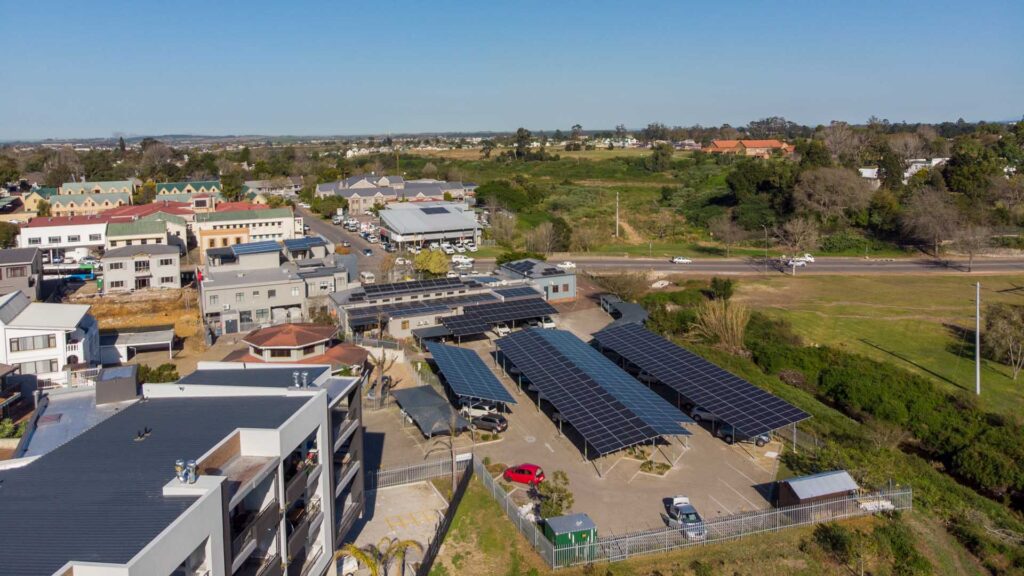
It produces electricity while also providing shade and protection for vehicles. It may also create valuable solar area where the main building roof is limited or unsuitable.

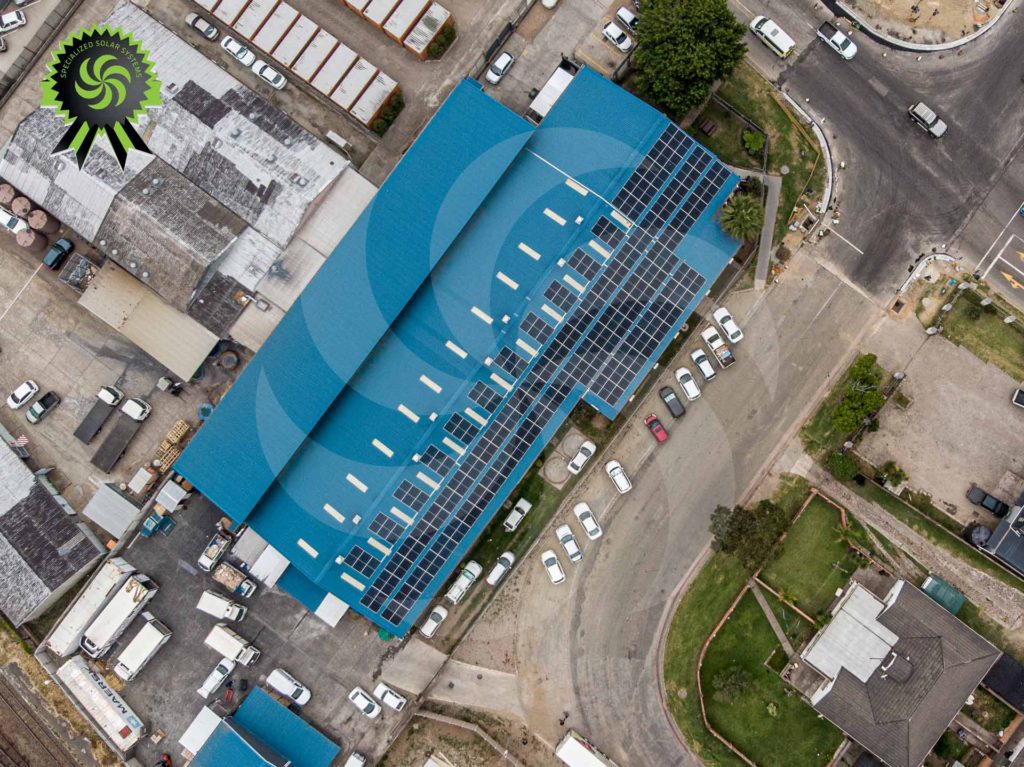
At Garden Route Eye Clinic and George Surgical Centre, SSS used rooftop space together with a purpose-built solar carport. Across the three installations, the facilities use 339 kWp of solar PV and 240 kWh of battery storage.

Solar carport and rooftop panels at Garden Route Eye Clinic in George

Ground-mounted solar

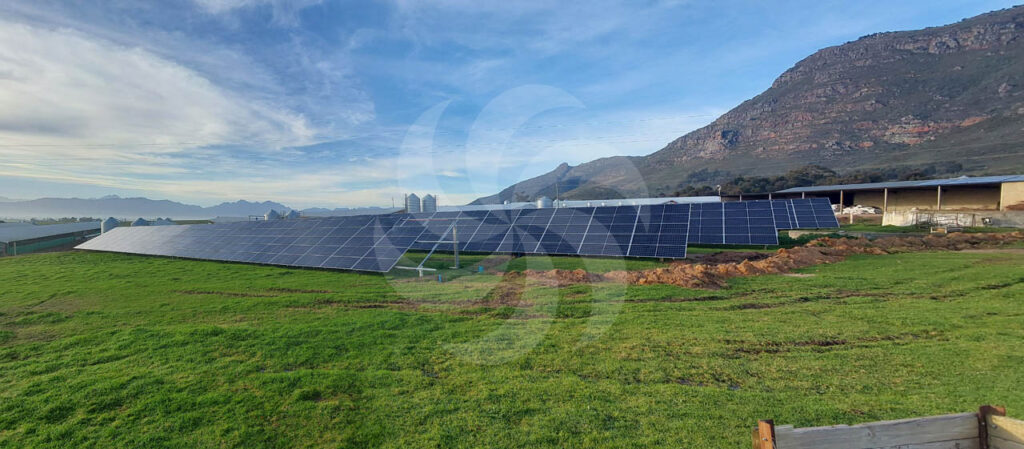
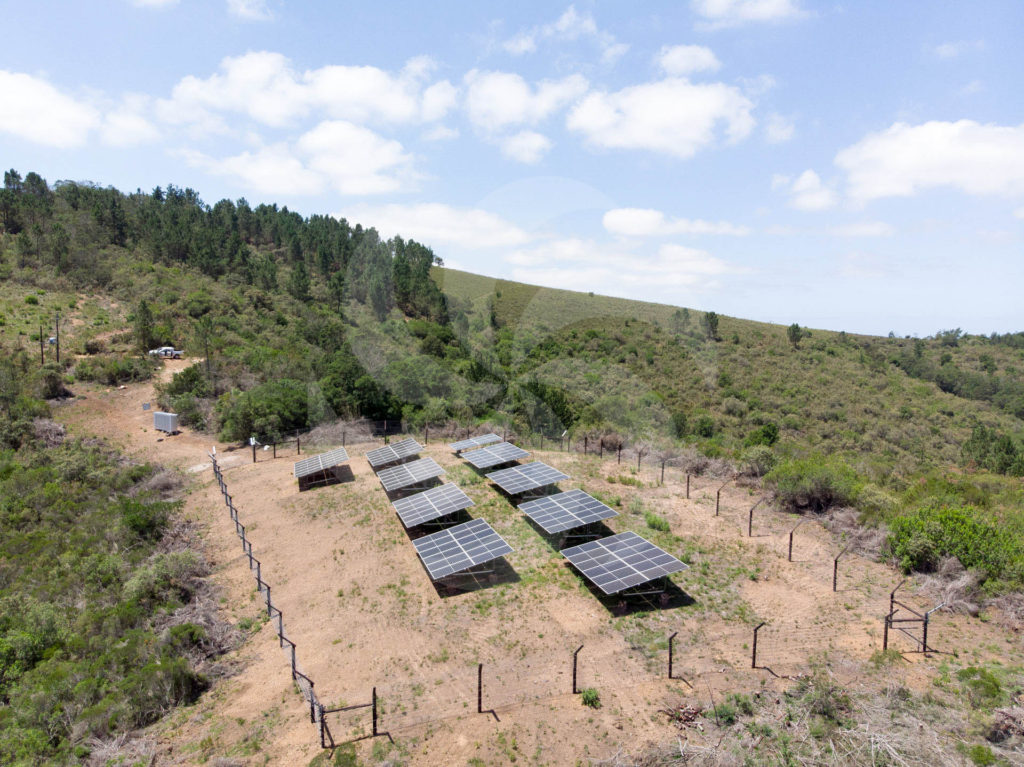
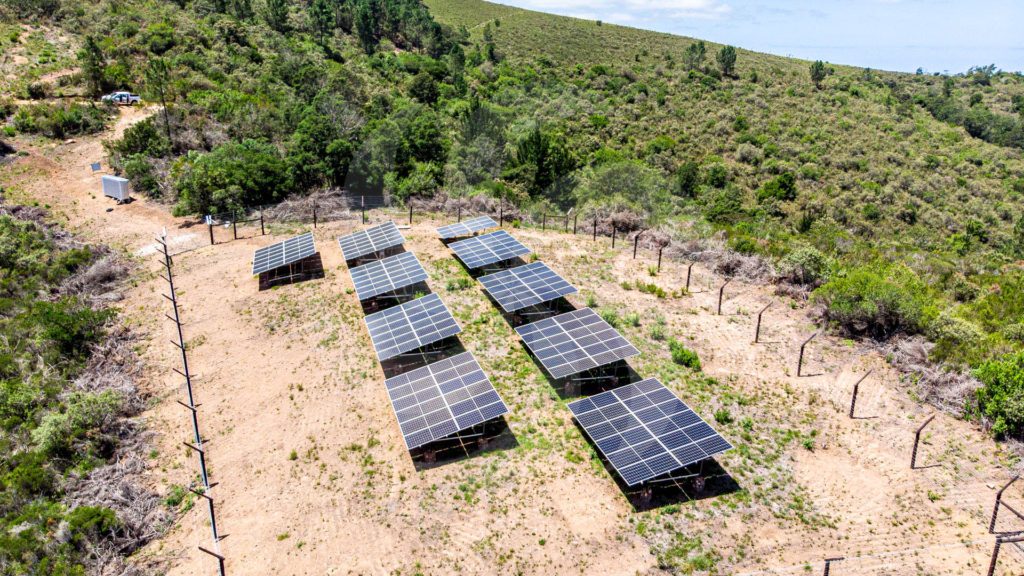
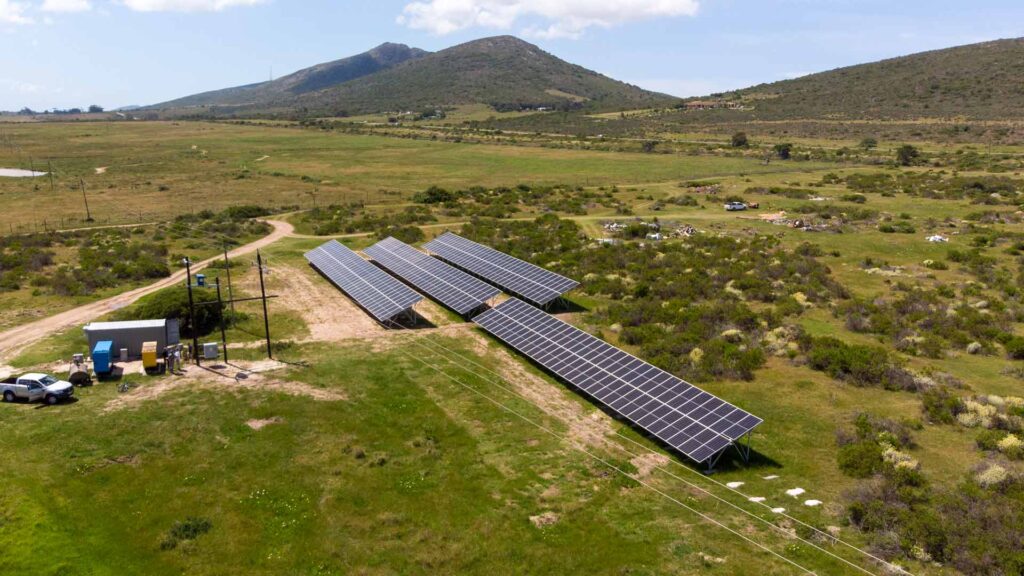
Ground-mounted solar may be suitable where roof space is limited, unsuitable or needed for other purposes.

It can provide:

  • Easier module orientation
  • Better maintenance access
  • Space for larger arrays
  • A route for future expansion

Open land is not automatically free space, however. Drainage, soil conditions, existing services, security, access roads, cable distances and future land use must all be considered.

Aerial view of a solar carport with panels shading parked cars.

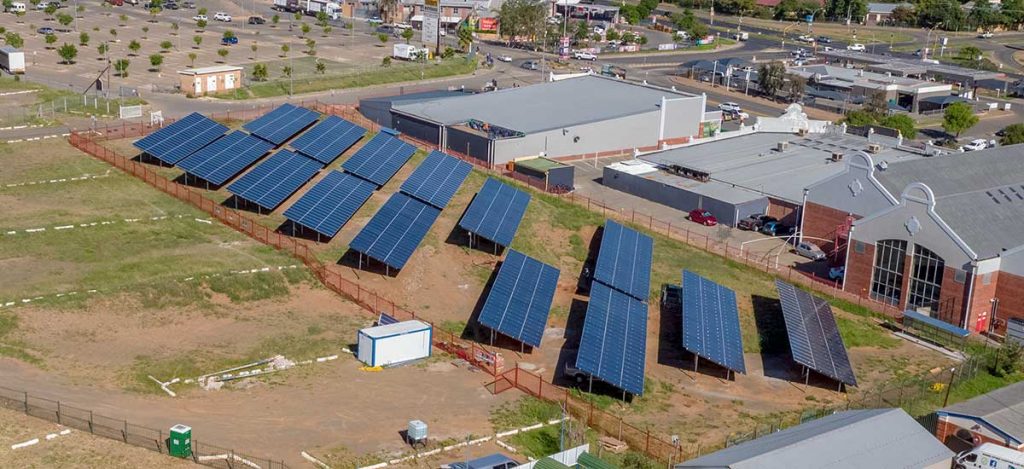
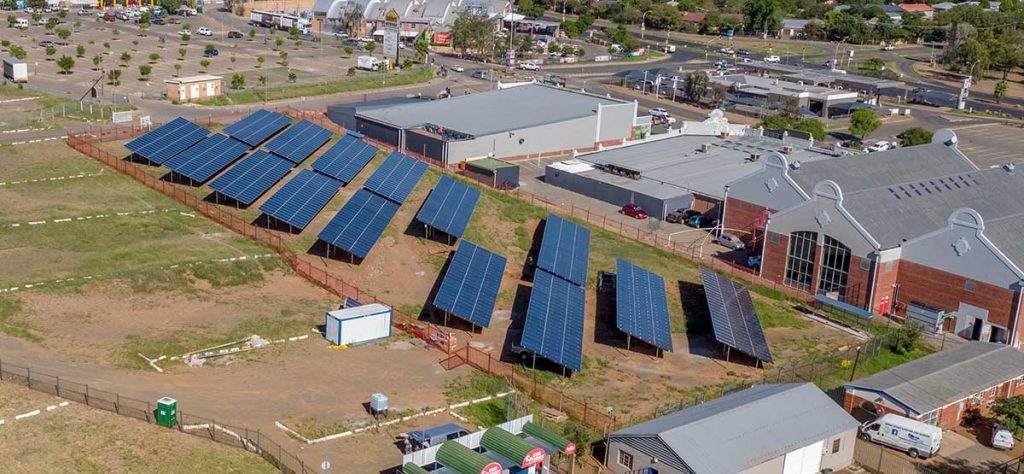
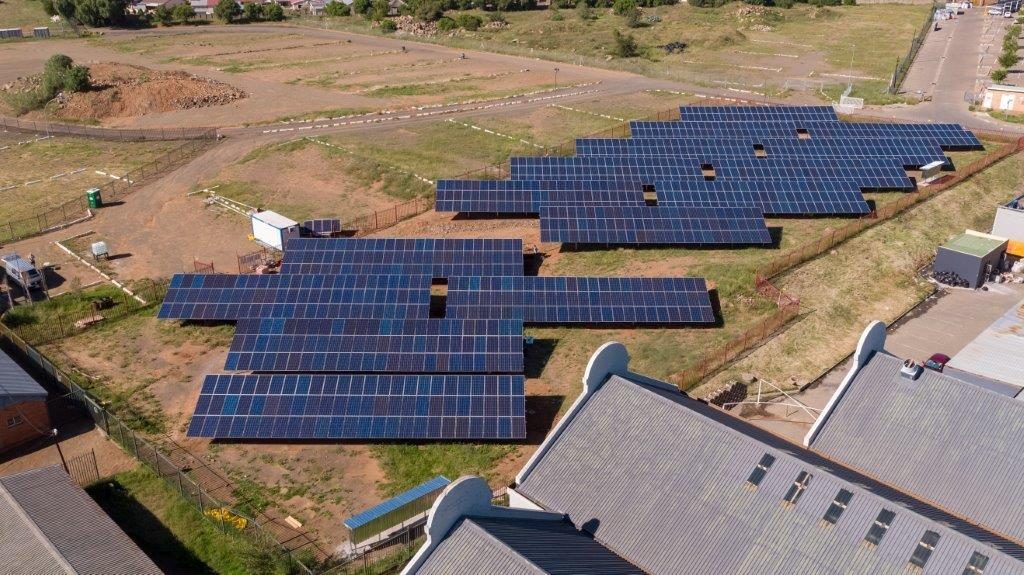
The Sishen project is an extreme example. Transforming a waste rock dump into a solar site required engineering responses to complex geotechnical conditions.

What real SSS projects show

SSS has used different combinations of rooftops, carports and ground-mounted arrays to respond to the realities of each site.

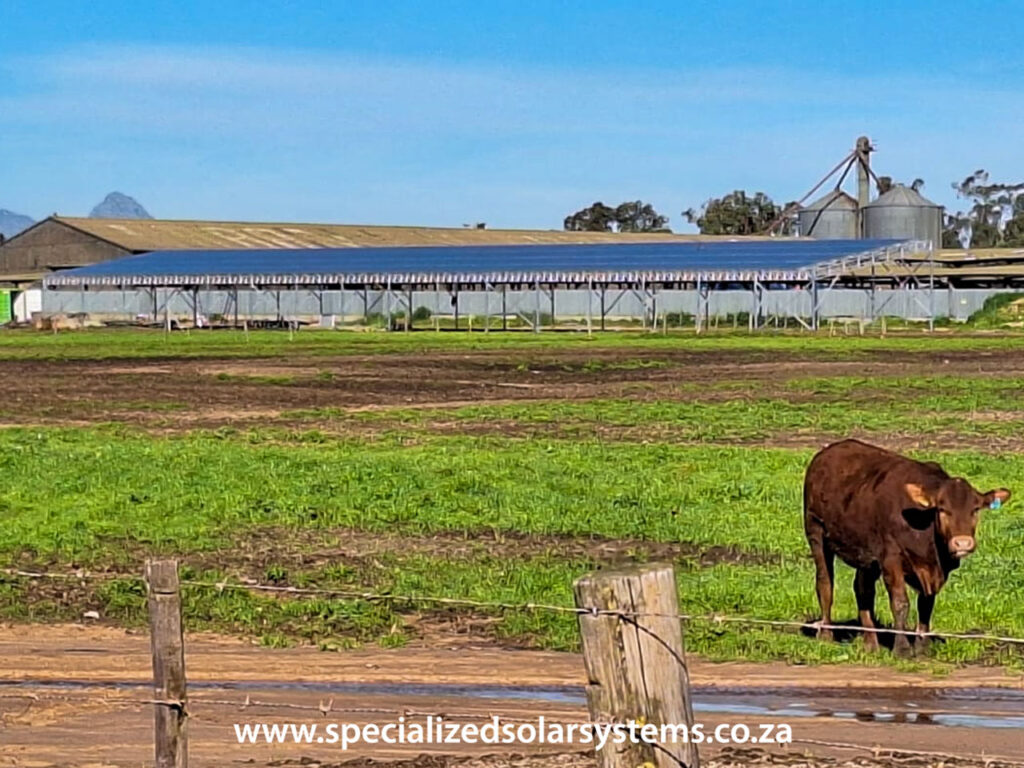
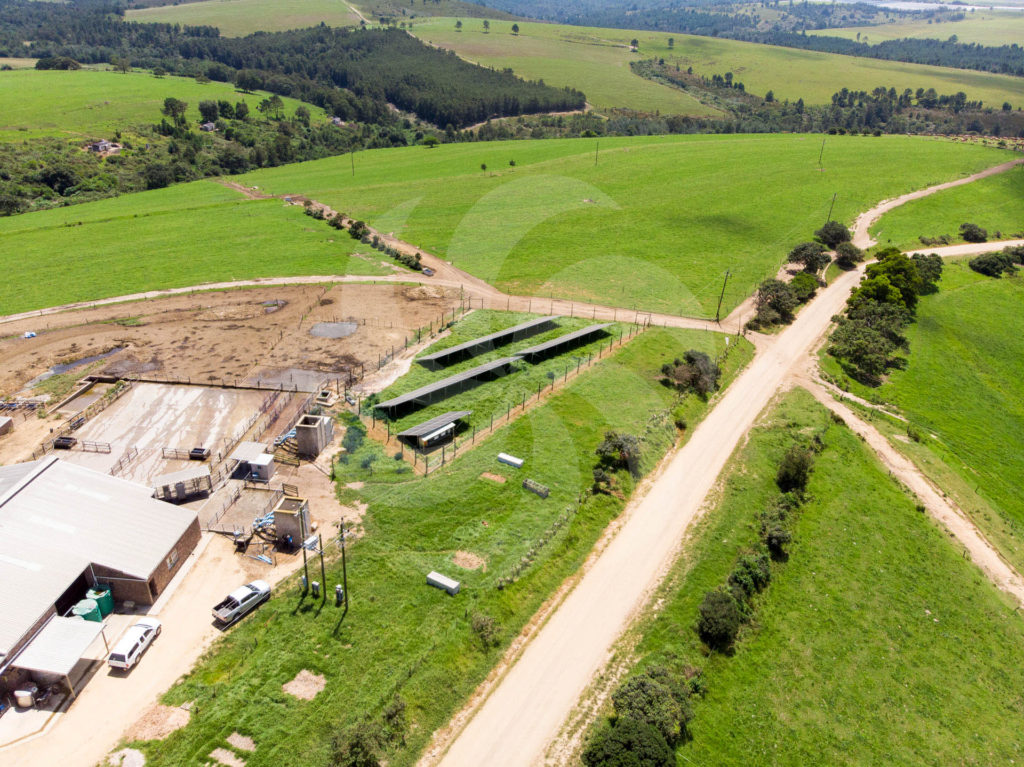
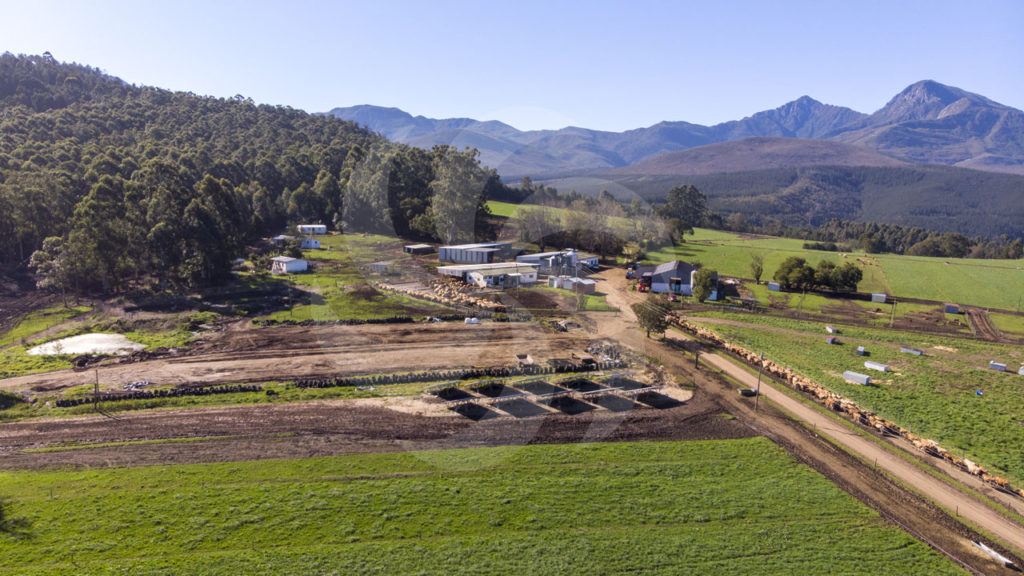
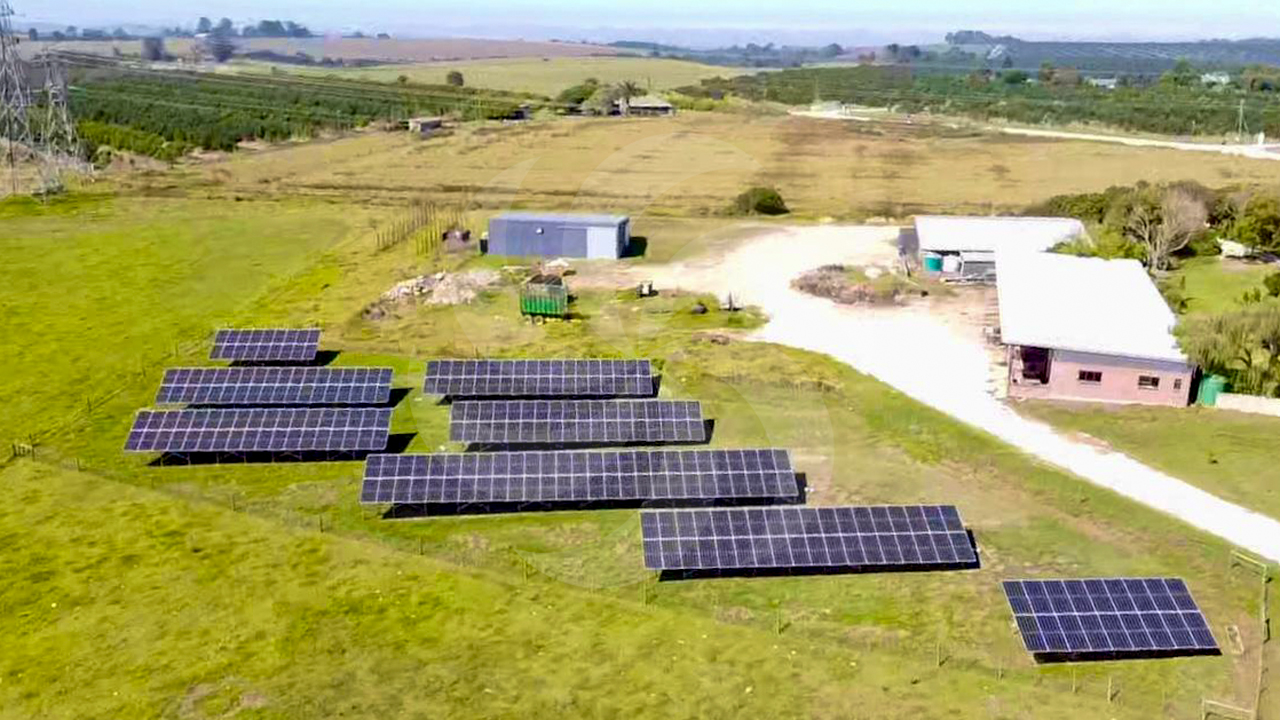
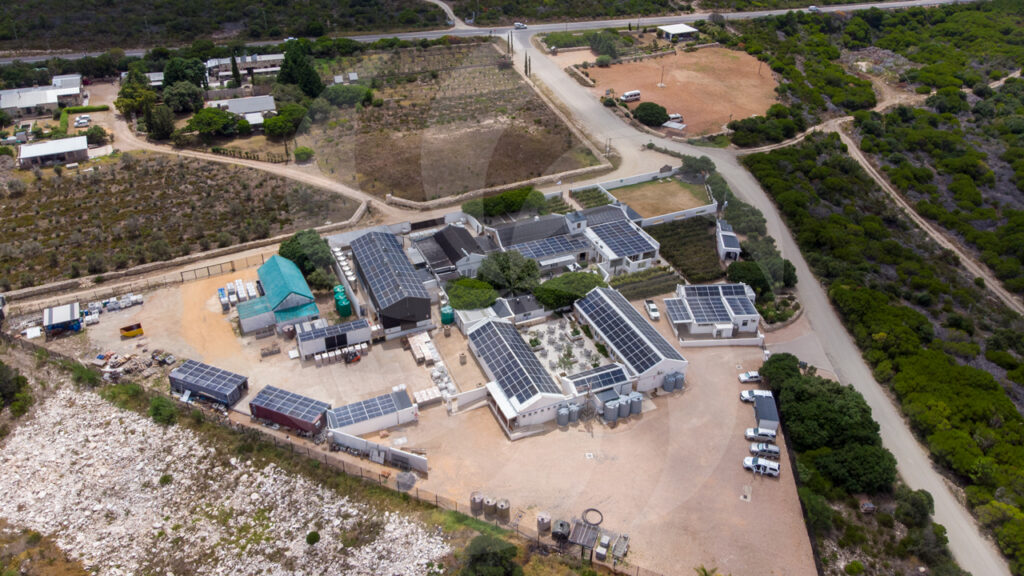
Aerial view of Blomfontein Dairy Farm with rooftop and ground-mounted solar panels

Blomfontein Dairy Farm

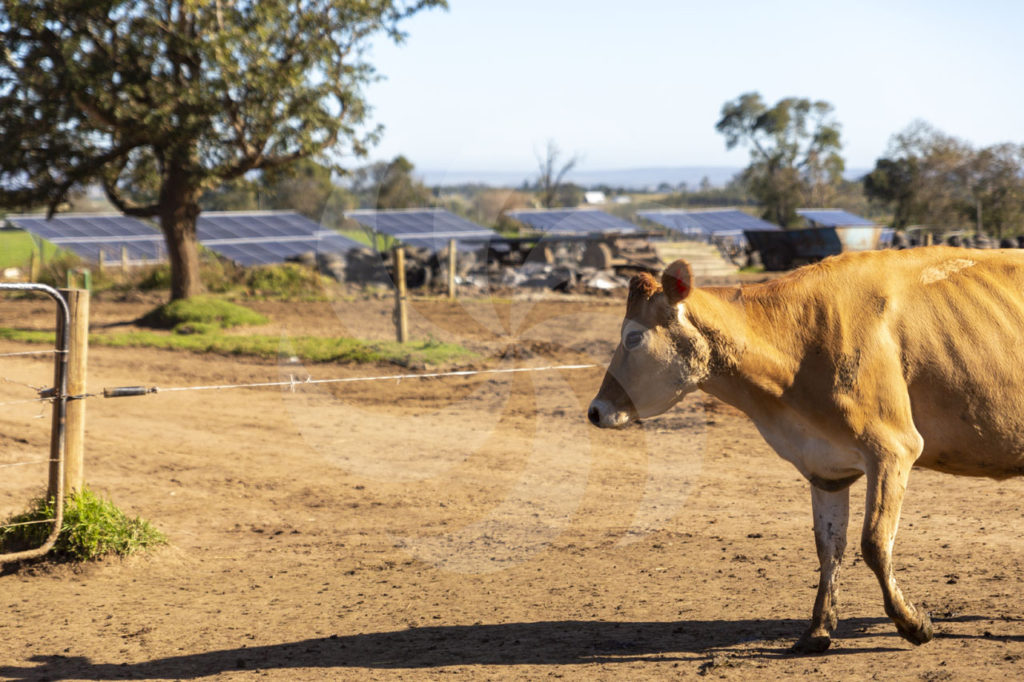
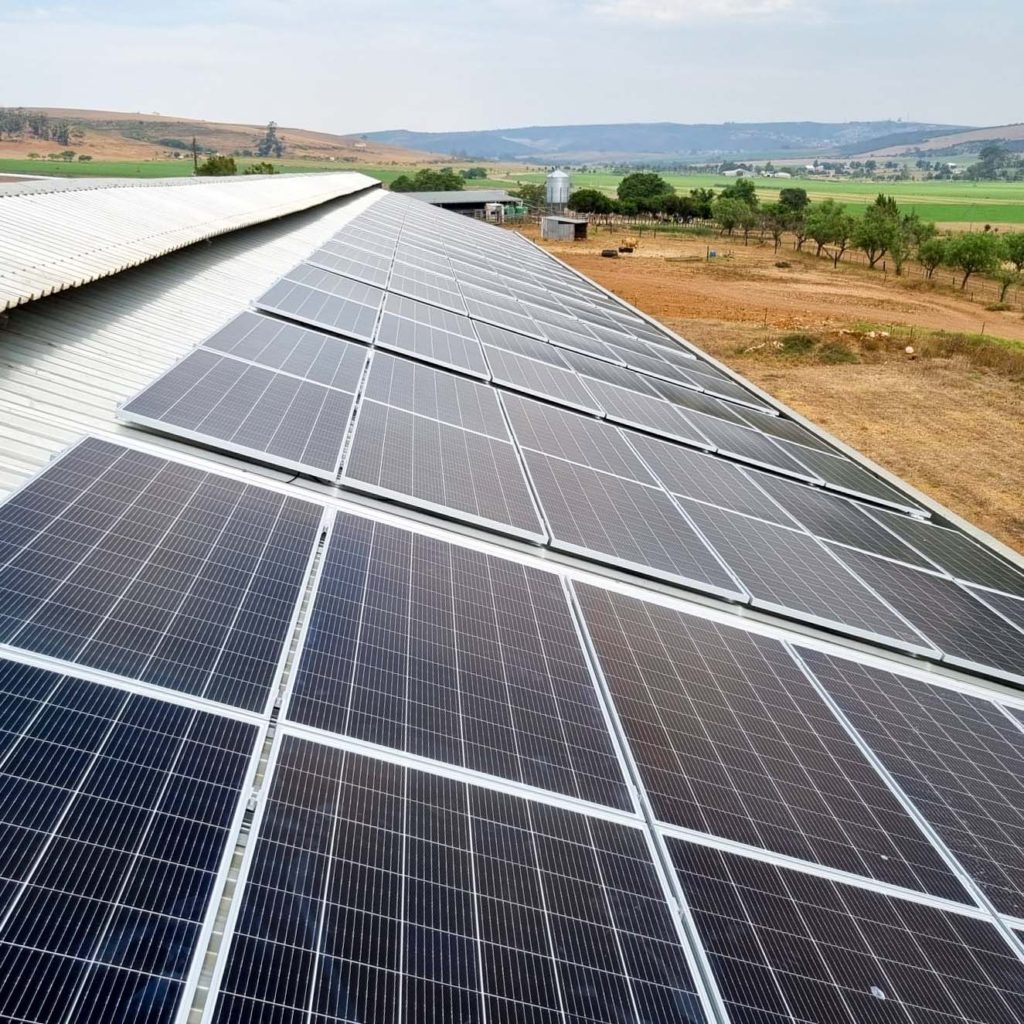
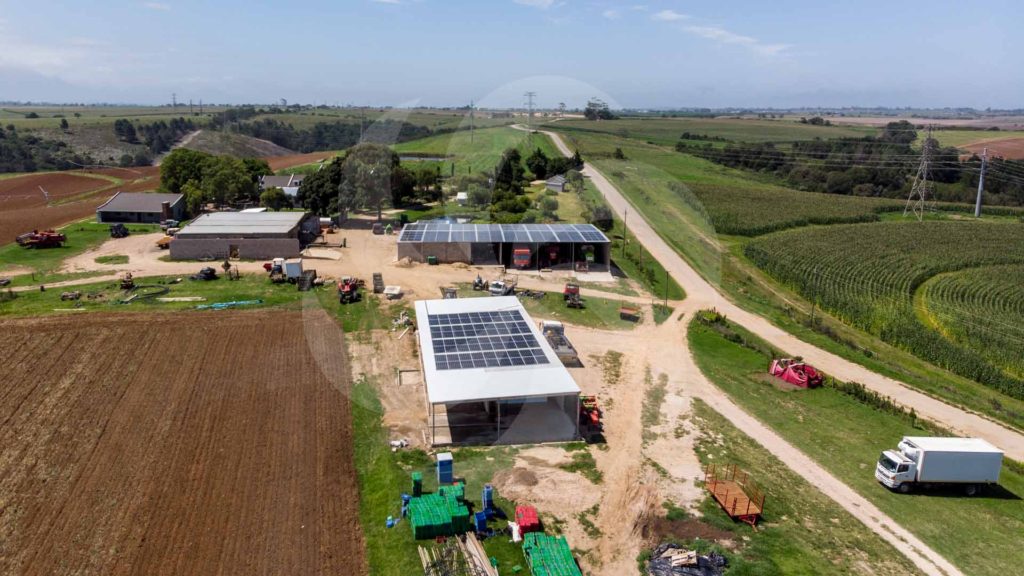
At Blomfontein Dairy Farm between Mossel Bay and George, the 113.5 kWp array was divided between 61.8 kWp of rooftop solar and 51.7 kWp of ground-mounted solar.

This allowed different parts of the property to work together while supporting the farm’s operational requirements.

The lesson is not that every farm needs both mounting types.

It is that the available spaces should be assessed together before deciding on the system layout.

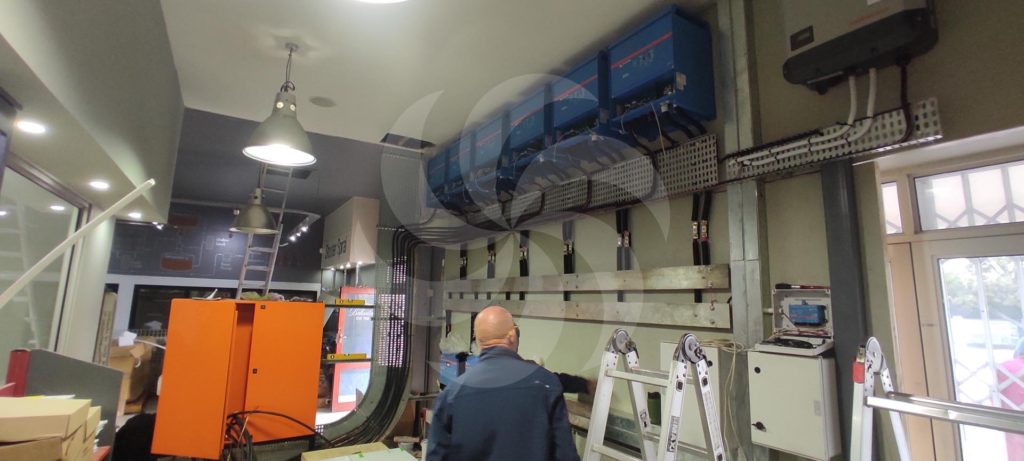
Commercial hybrid solar installation at Surgical Eye Clinic in George

Garden Route Eye Clinic

At the Garden Route healthcare facilities, the solar carport was not merely somewhere to fit additional panels.

It became useful infrastructure, generating energy while also improving the visitor parking environment.

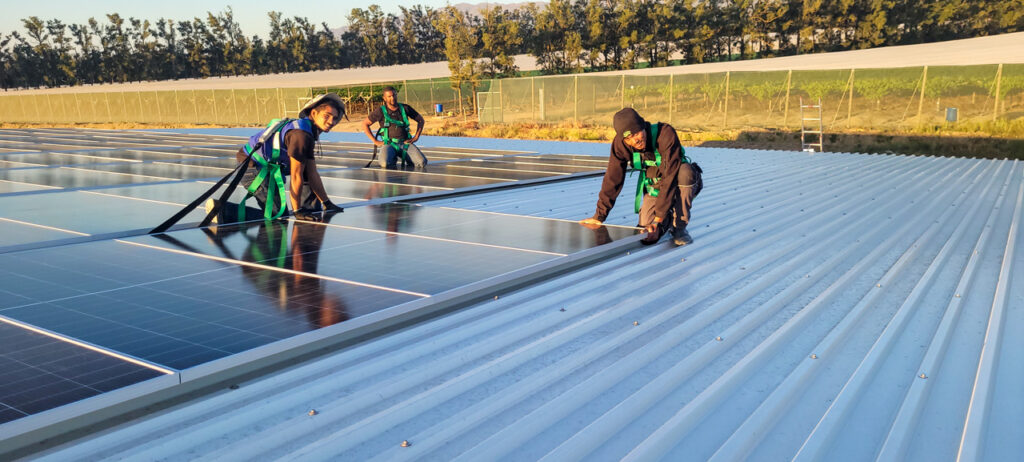
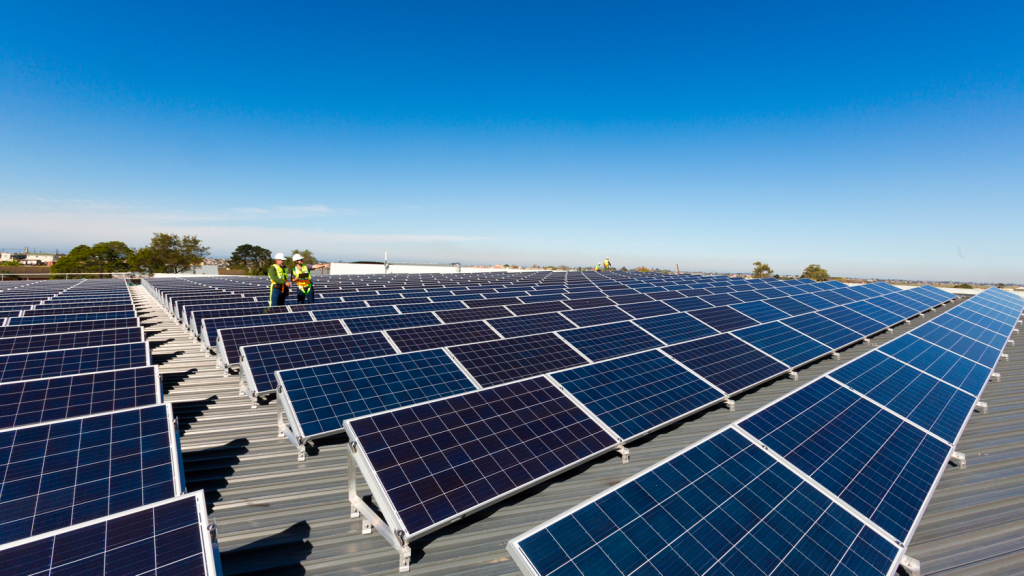
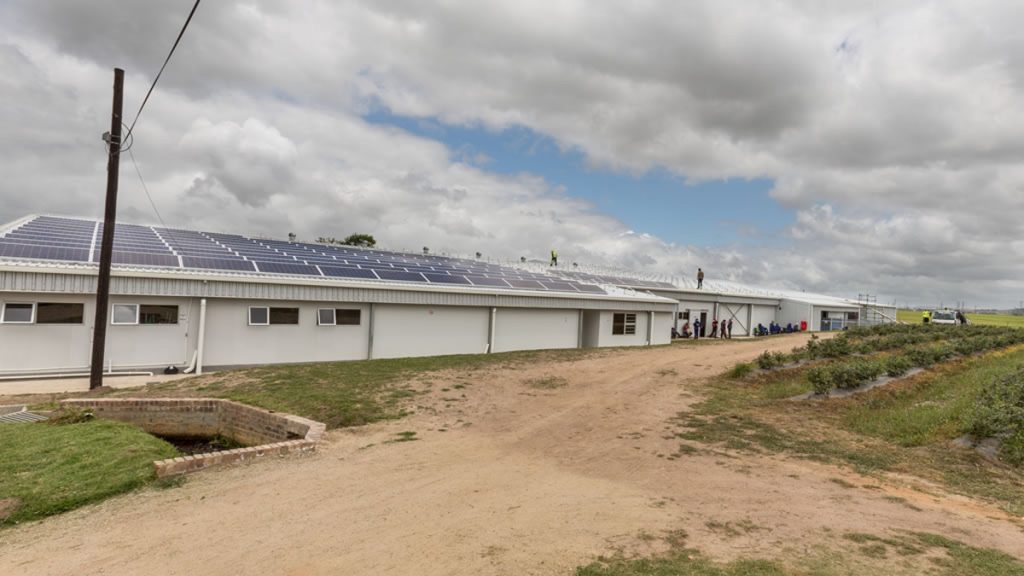
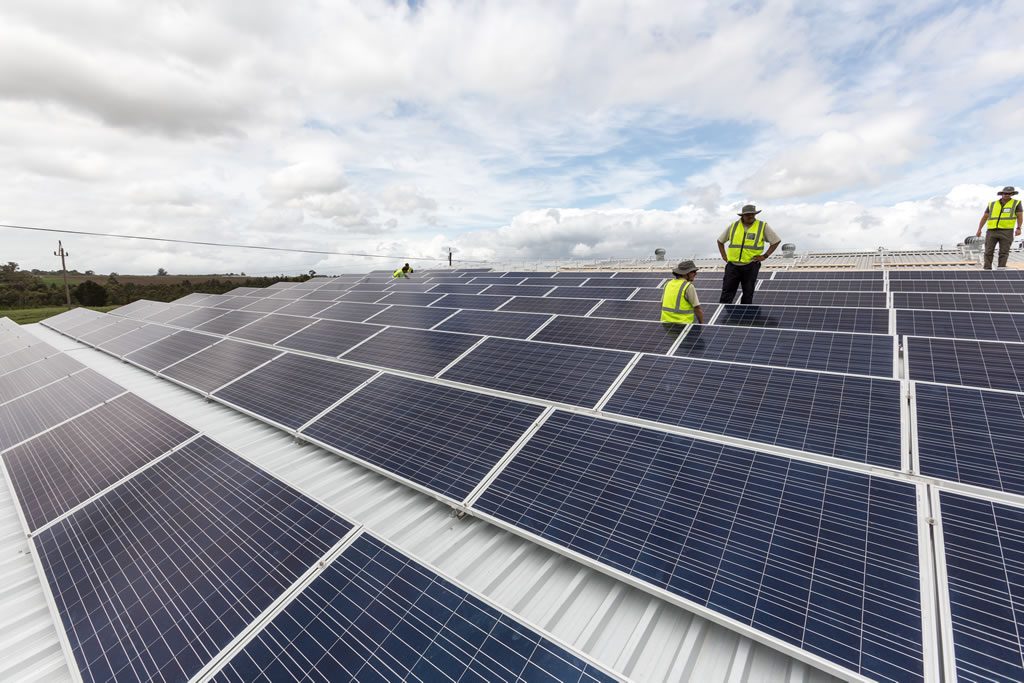
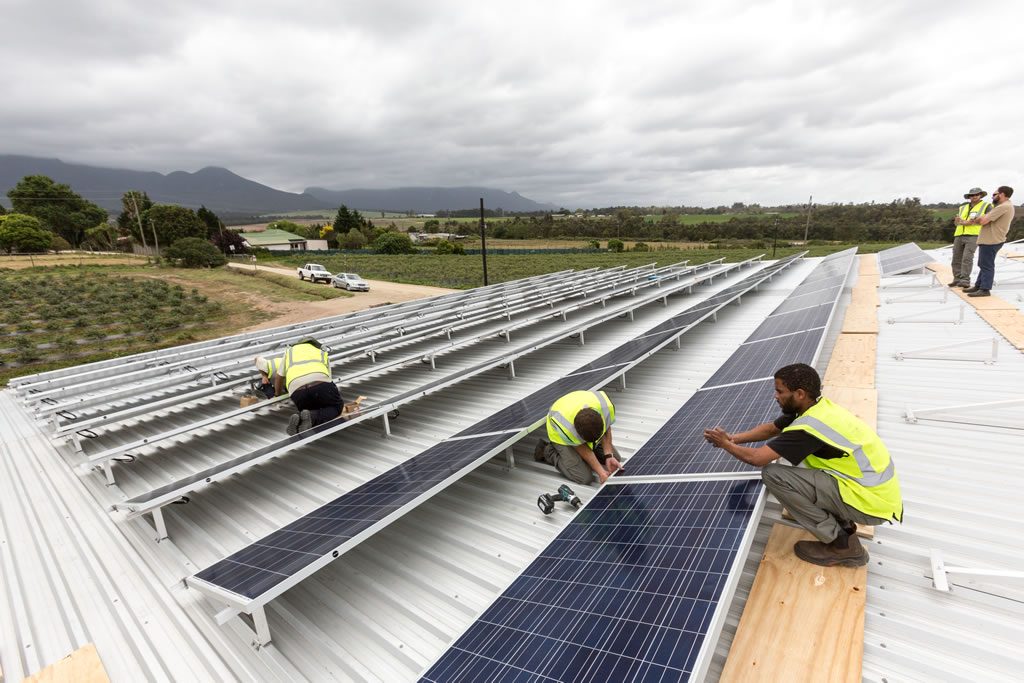
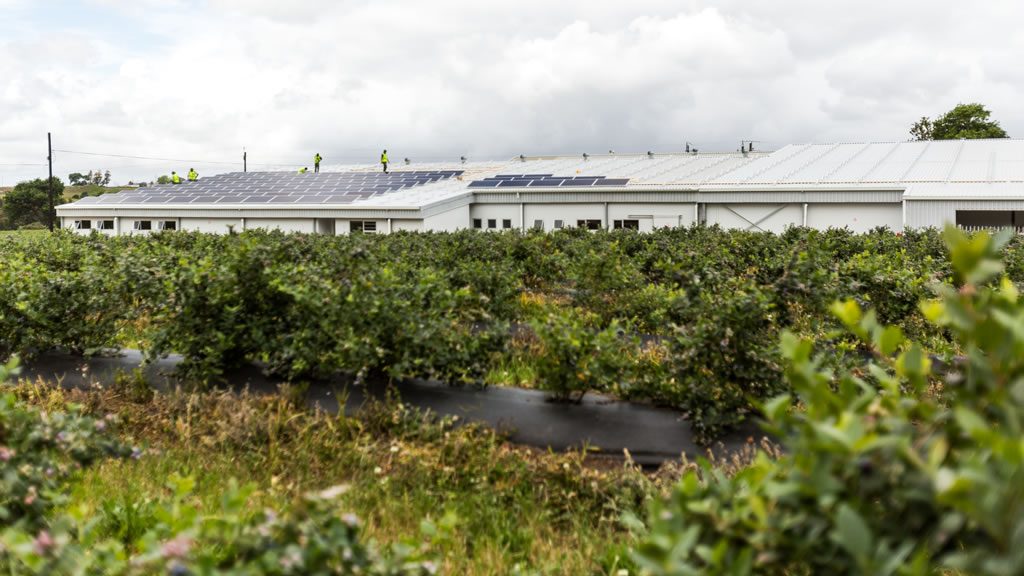
Three SSS installers fitting solar panels to a corrugated metal roof at Wesland Farm, with agricultural tunnels and trees in the background.

Wesland Farm

At Wesland Farm, SSS designed an off-grid system with a planned route for future expansion.

That future growth influenced the original design, including equipment positioning, available space and system architecture.

Expansion becomes more difficult and expensive when it is only considered after the original installation is complete.

The site must follow the operation

The solar array may be the most visible part of the installation, but the customer’s operating pattern is more important.

A retail centre may use most of its electricity during daylight hours.

A dairy farm may need power for milking, cooling and processing at specific times.

A lodge must consider guest comfort and seasonal occupancy.

A healthcare facility must prioritise critical services.

A processing facility may have refrigeration and production loads running throughout the night.

Two properties with similar roof areas may therefore require completely different systems.

This is why an SSS assessment considers:

  • The electricity account and tariff
  • Daily and seasonal consumption patterns
  • Critical and non-critical loads
  • Available roof, parking and ground space
  • Grid and generator infrastructure
  • Maintenance access
  • Future business growth

The site and the operation must be assessed together.

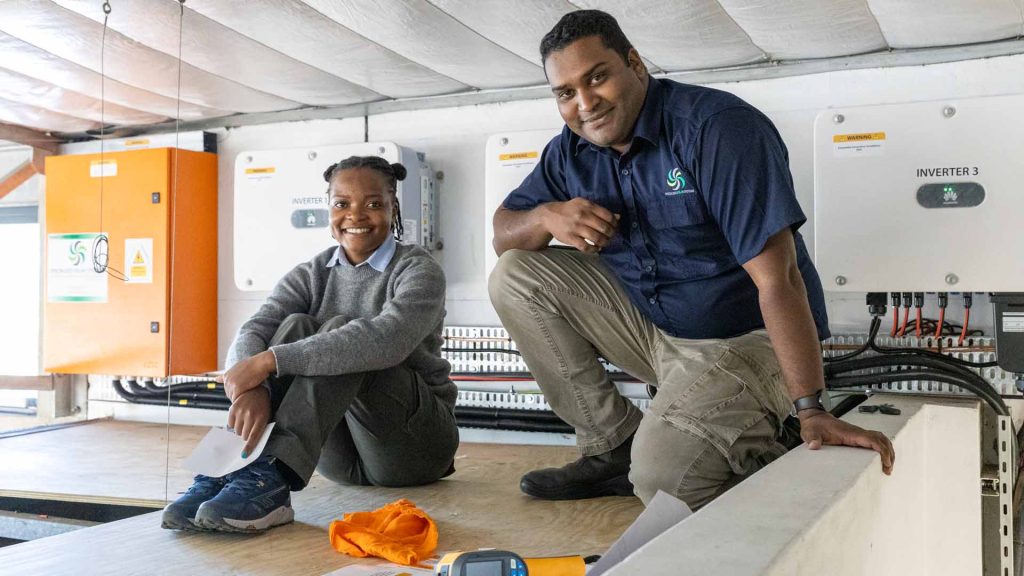
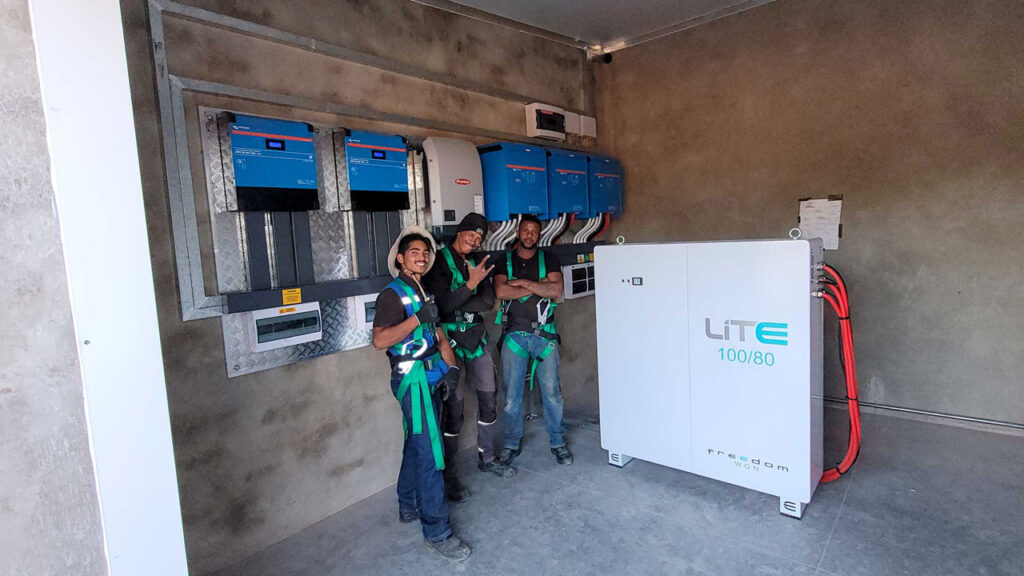
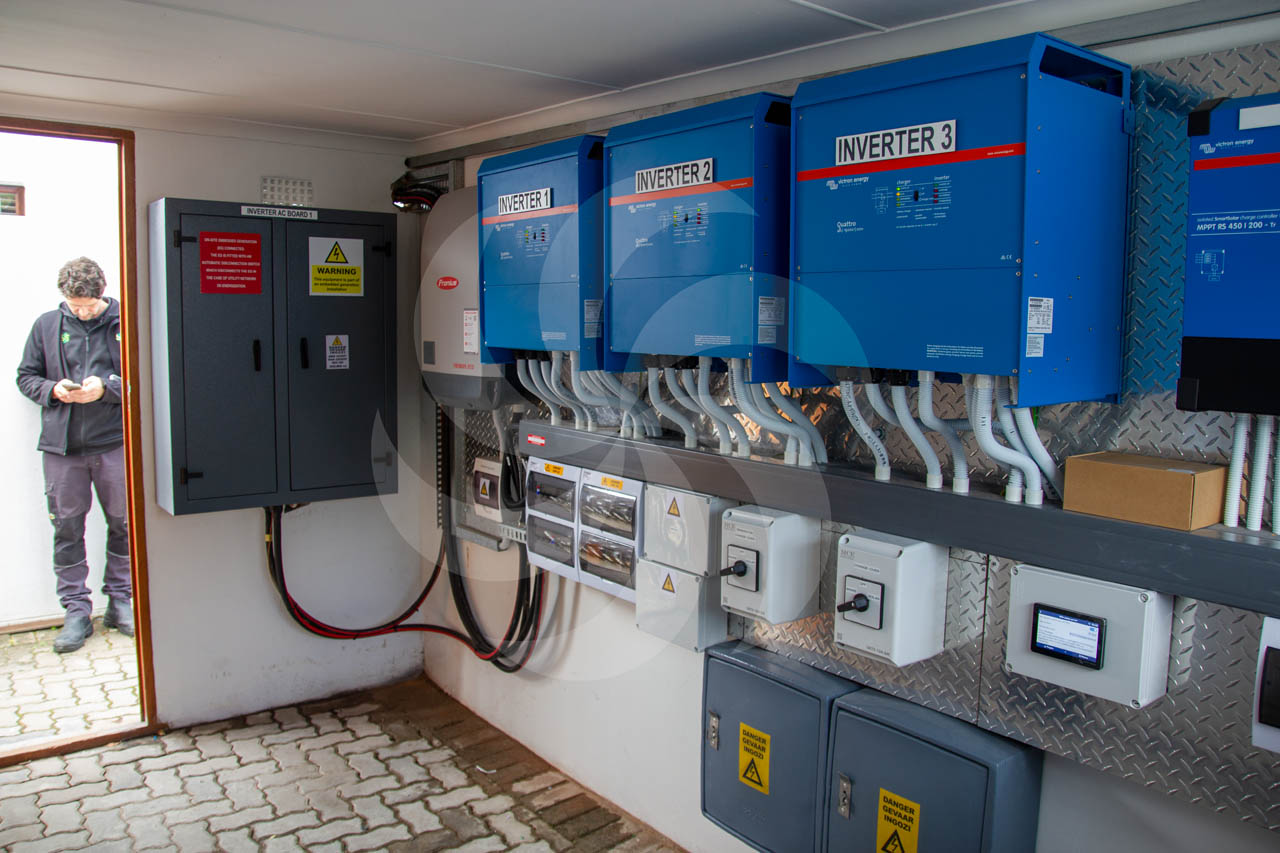
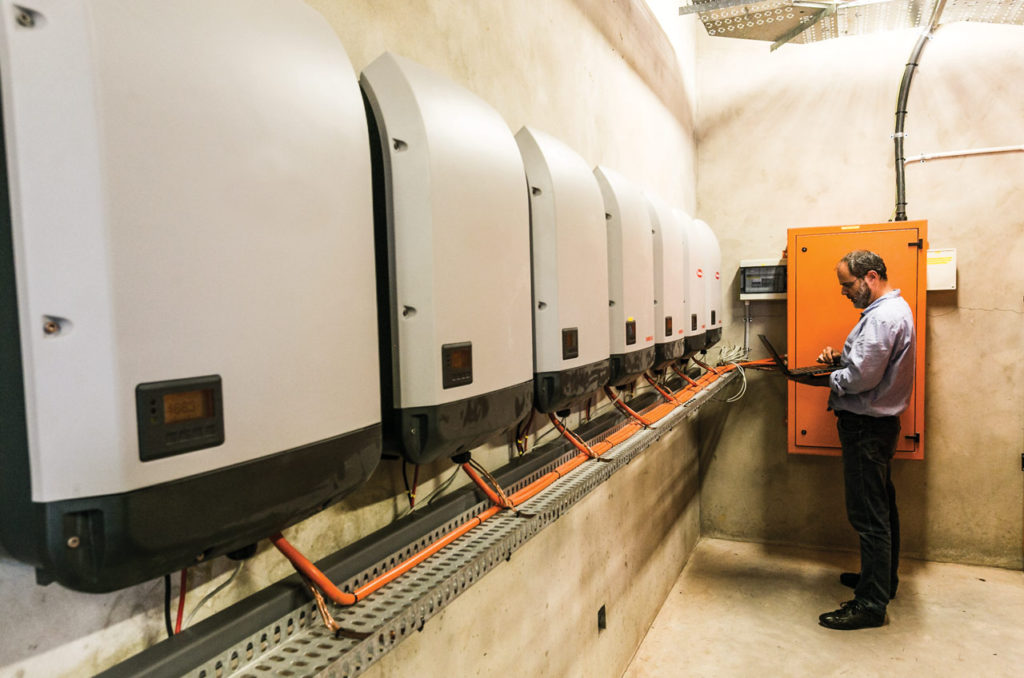
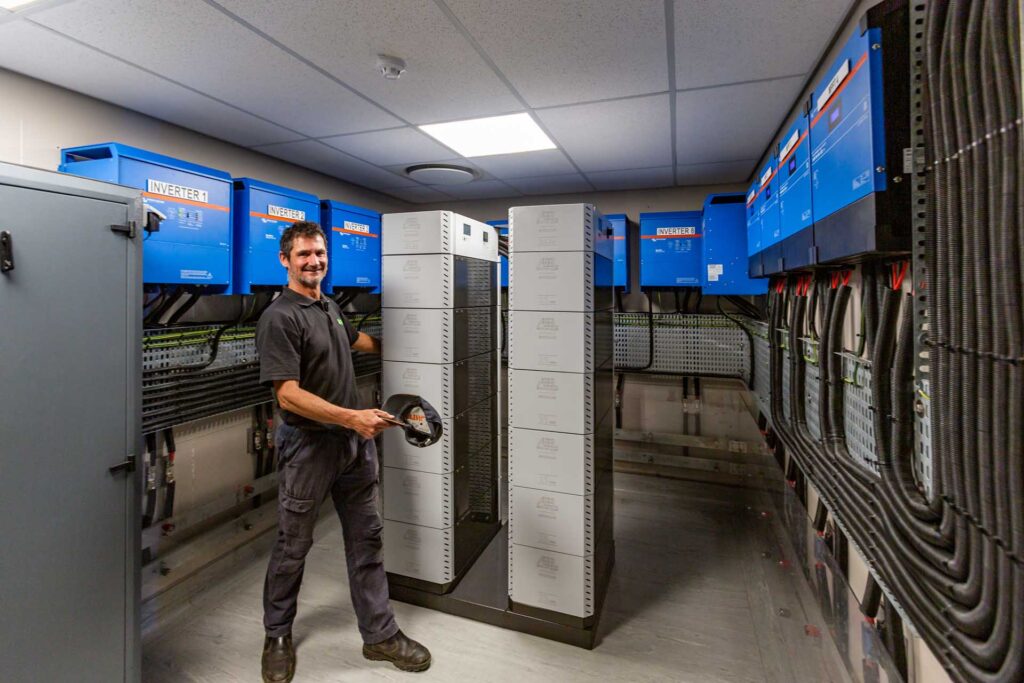
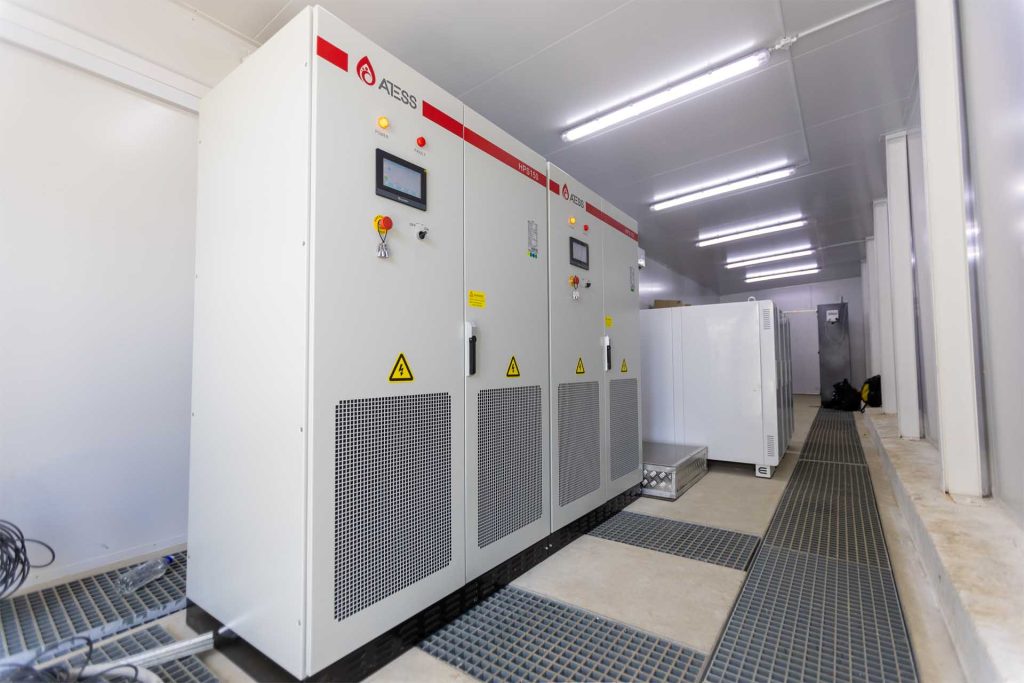
SSS technicians reviewing electrical panel data on a laptop
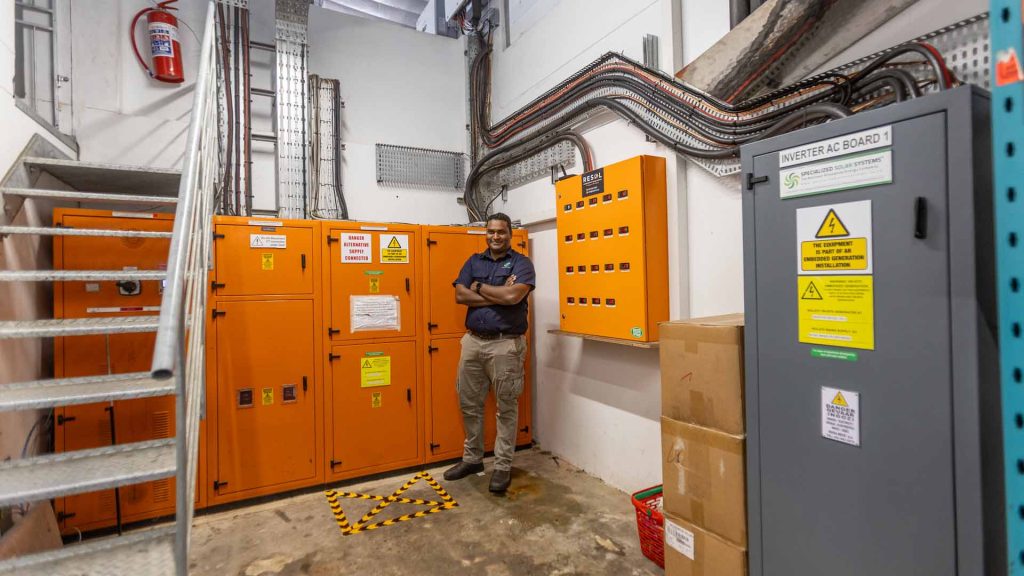
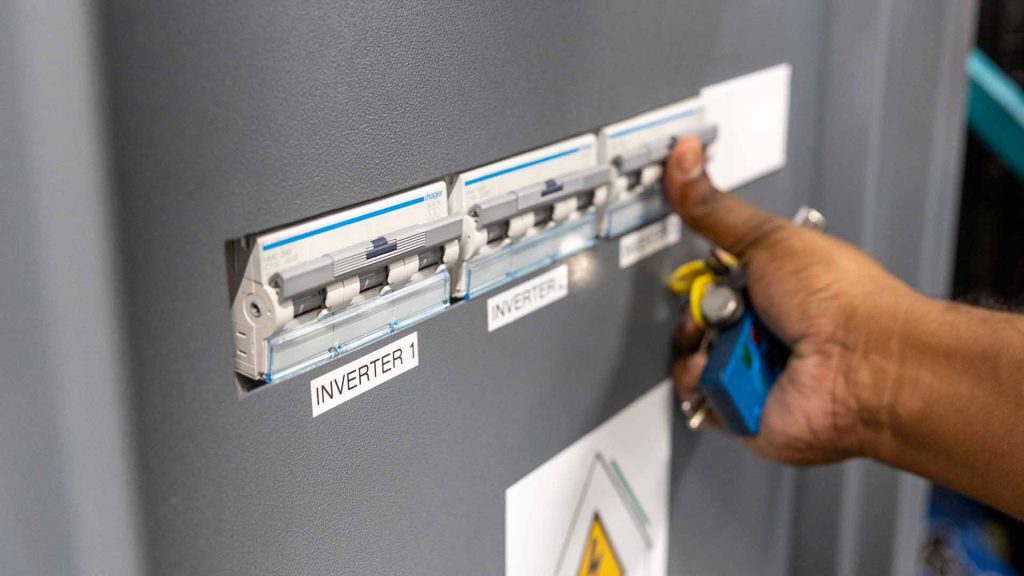
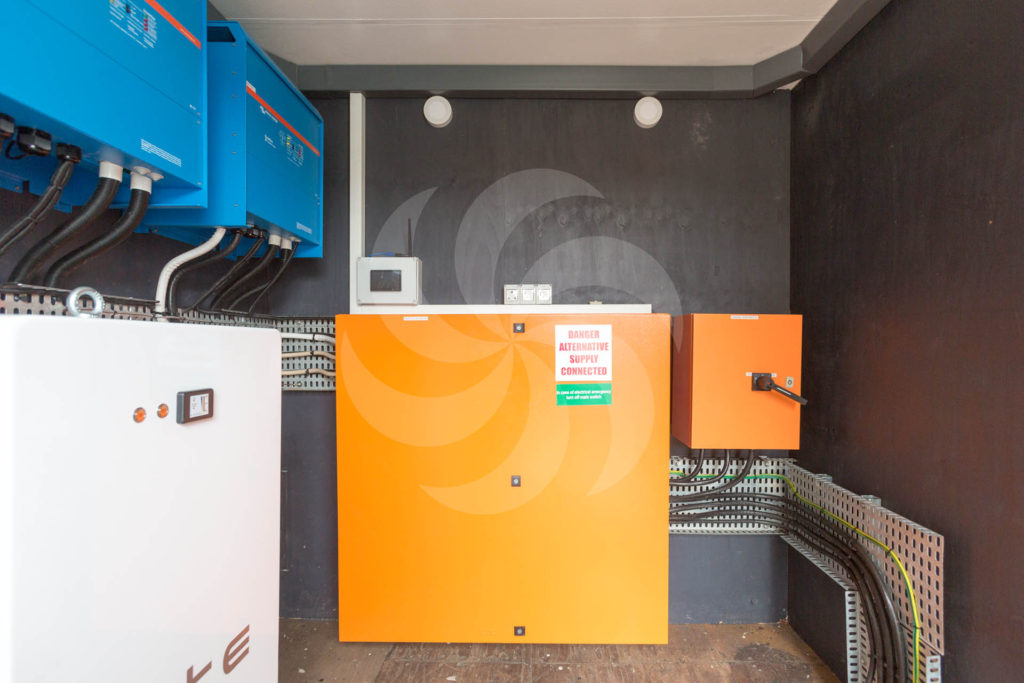
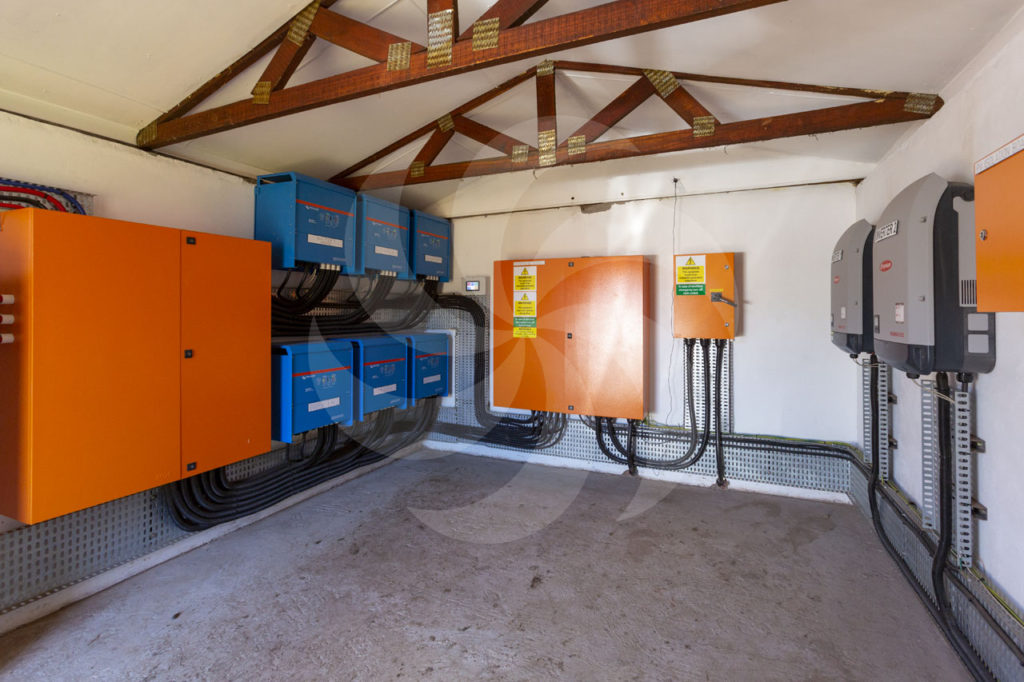
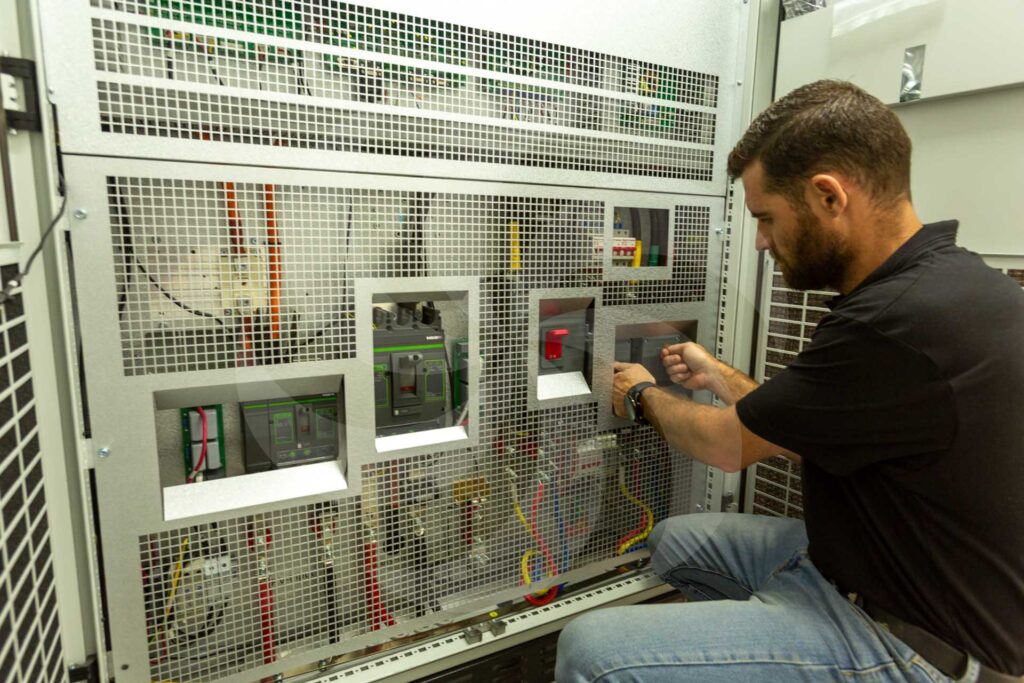
SSS technician working on an electrical control panel

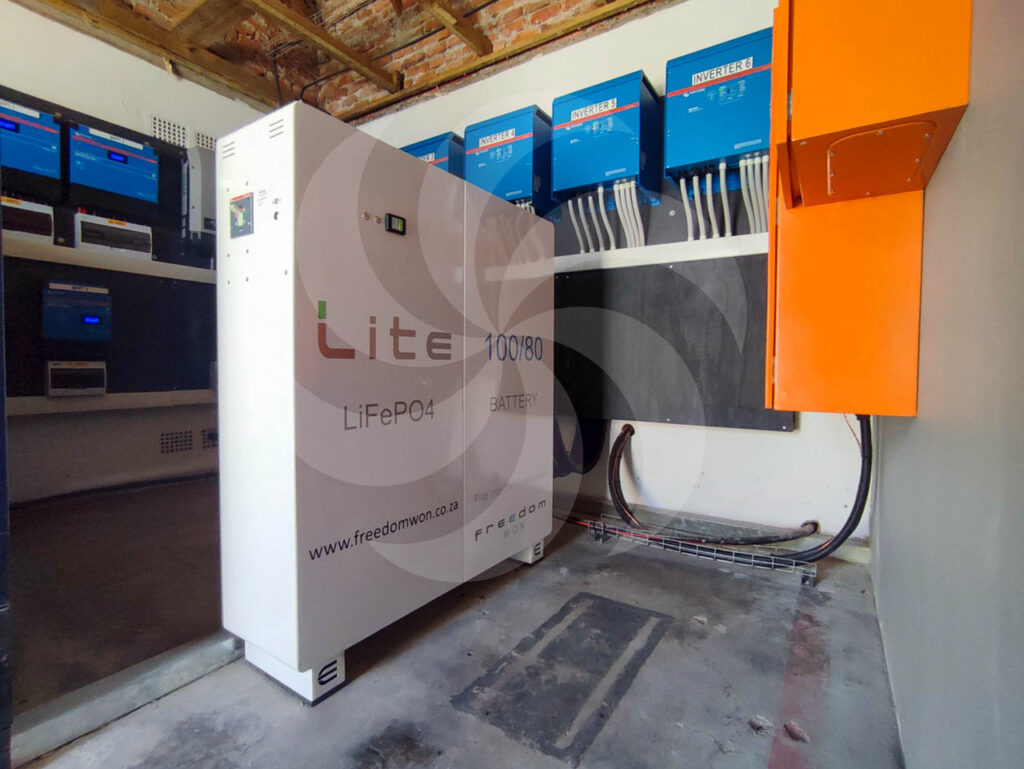
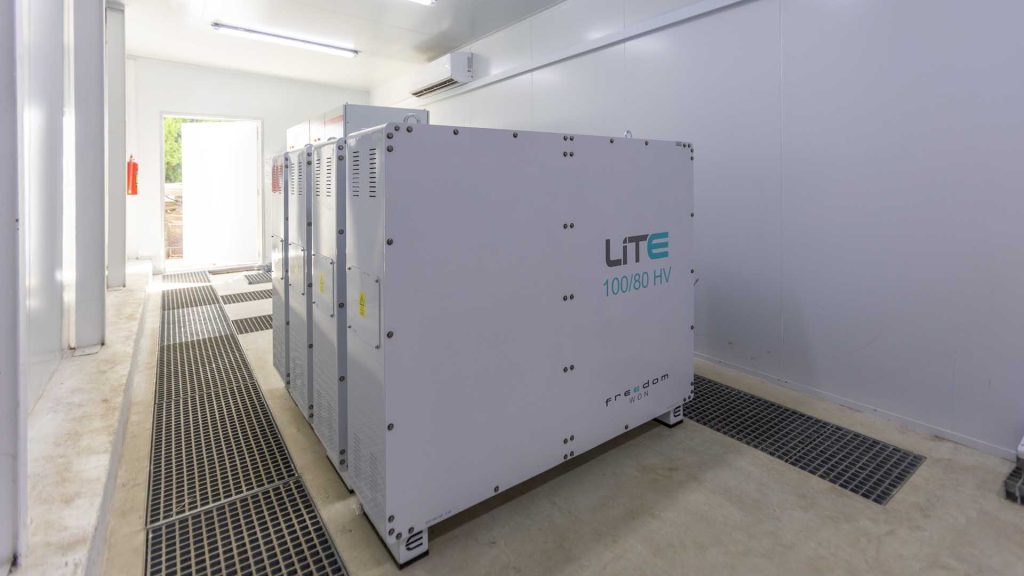
Does the system need battery storage?

Large embedded solar does not automatically require batteries.

Where a business has strong daytime consumption, a grid-tied system may allow much of the solar energy to be used directly.

Storage may become valuable where the customer needs to:

  • Use solar energy after sunset
  • Support critical loads
  • Reduce short periods of high demand
  • Make better use of excess daytime generation
  • Integrate a generator
  • Operate independently from the grid

The battery should have a clearly defined purpose.

Adding storage simply because it is available may increase the project cost without creating the strongest return for that site.
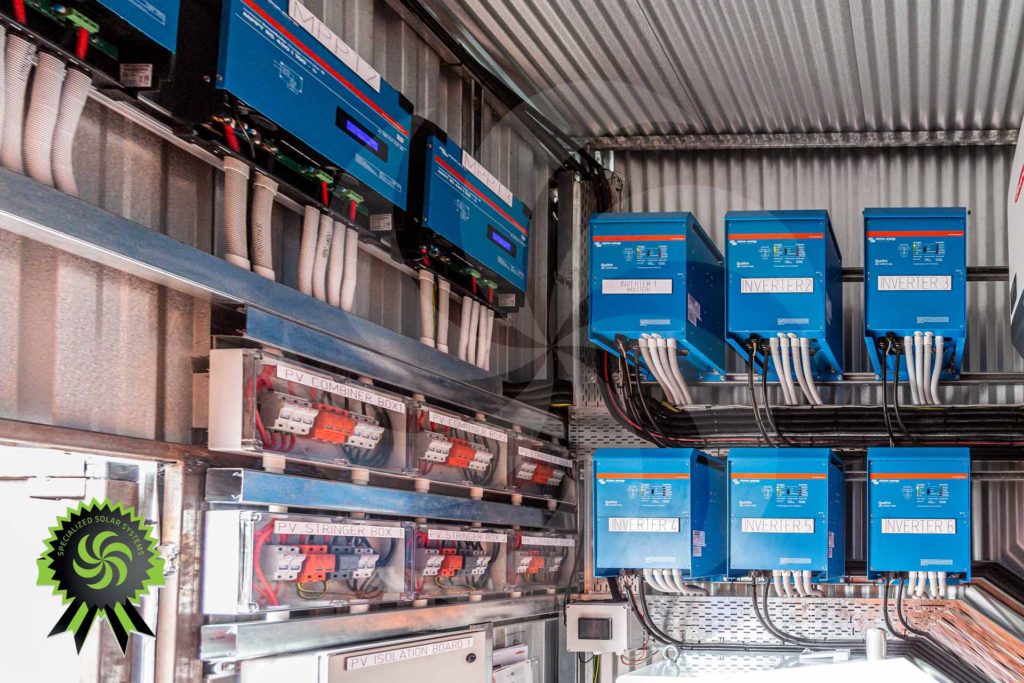
Monitoring and compliance matter

Once the system is operating, monitoring can show:

  • Solar generation
  • Site consumption
  • Battery status
  • Grid imports and exports
  • Generator use
  • Demand peaks
  • System warnings

This information helps the customer and technical team determine whether the system is performing as intended.

Registration, municipal approval, grid protection, metering and electrical compliance should also be addressed during the design stage, not after installation.

Six questions to ask before planning embedded solar

Before turning available space into an energy asset, ask:

  1. Where and when do we use the most electricity?
  2. Which processes cannot be interrupted or shifted?
  3. Which roofs, parking areas or sections of land are genuinely available?
  4. Are those spaces structurally and operationally suitable?
  5. Will the business or farm expand in the next five to ten years?
  6. Does storage have a clearly defined role?

These questions move the discussion away from panel count and towards a practical energy strategy.

A large project can still teach a local business something

Most farms and businesses in the Garden Route will never require a 63 MW embedded solar supply.
That is not the point.

The useful lesson from Sishen is that energy infrastructure can be designed around the land, buildings and operating requirements already available.
A farm shed, visitor carpark, warehouse roof or previously underused section of land may have more value than it appears to have today.
The opportunity begins with a proper assessment.

Turn available space into a practical energy plan

Specialized Solar Systems has been designing energy solutions for homes, farms, businesses, healthcare facilities and communities since 2008.

Our commercial team considers the site, energy profile, operating requirements and future plans before recommending the system architecture.
The objective is not to fill every available surface with solar panels.
It is to identify the spaces and technologies that can create the strongest long-term value.

Request a Site and Energy Assessment

Let our team assess your:

  • Electricity consumption
  • Operating profile
  • Available roof, carport and ground space
  • Grid and generator infrastructure
  • Expansion plans
  • Storage and monitoring requirements

More Than Solar. Powering Possibility.

Please Note: SSS is not involved in Sishen. It is referenced only as an industry example.